Why Induction Will End Gas Kitchens by 2026
Home cooks often appreciate the vibrant blue flame of a gas stove for its sense of power and immediacy. Recent discussions highlight induction cooking as a cleaner, quicker, and safer alternative. For those considering a kitchen update, the choice extends beyond personal taste to essential functionality.
The Nationwide Shift in Kitchen Design
Homeowners throughout the United States replace gas ranges with induction cooktops for reasons including reduced energy expenses, better air quality, and environmental sustainability. What began as a preference among professional chefs and interior designers now emerges as the standard in new constructions. Induction represents not merely a passing fad but a significant advancement in cooking technology.
Understanding Induction Technology
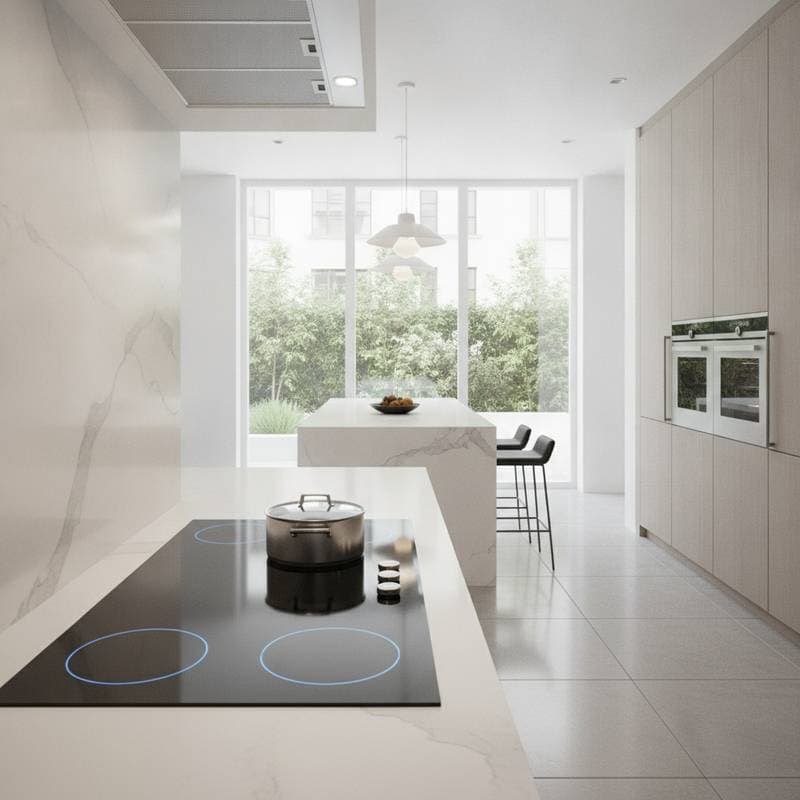
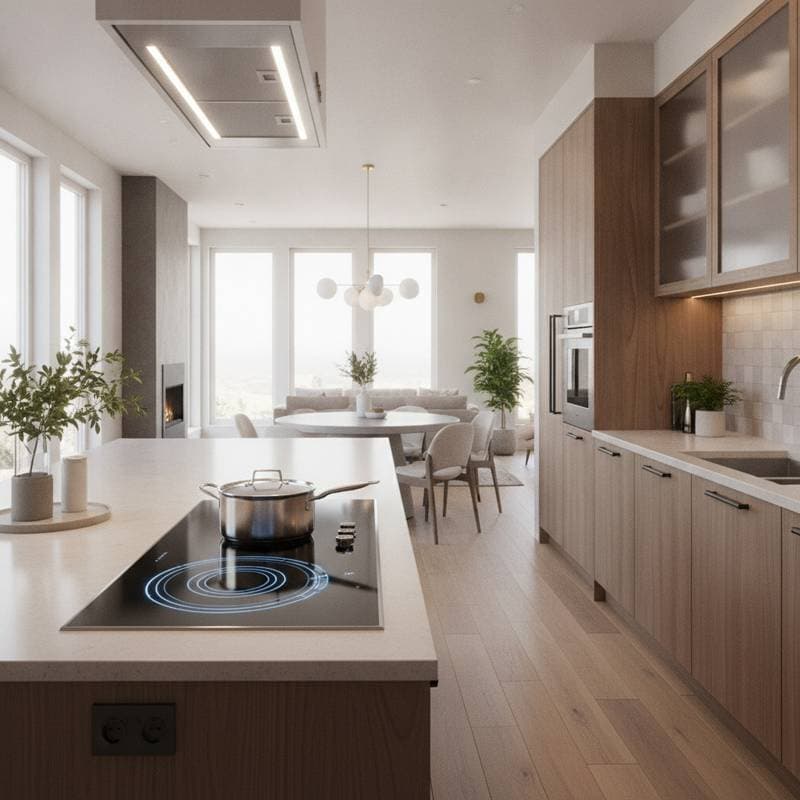
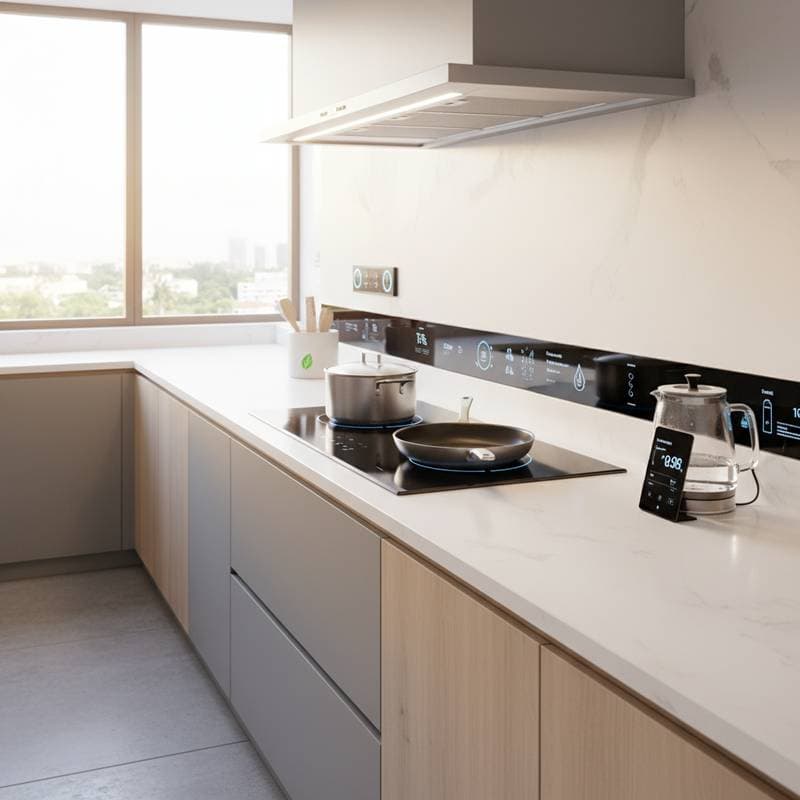
Induction cooking employs electromagnetic fields to heat pots and pans directly, bypassing the need to warm the cooking surface first. This method provides precise temperature adjustments, shorter boiling periods, and minimal energy loss. The cooktop surface remains relatively cool, preventing spills from baking onto it and simplifying post-cooking maintenance.
This technology differs from older glass-top electric stoves, which rely on heated coils beneath the surface. Induction delivers energy efficiently into the cookware's metal base. Users can safely touch the cooktop during operation, encountering only mild warmth rather than extreme heat, a feature that enhances its appeal for households with children.
Reasons Gas Stoves Are Declining
Gas stoves have earned a reputation for offering responsive control. However, several drawbacks increasingly undermine their position.
- Indoor Air Quality: Research indicates that gas stoves emit nitrogen dioxide, carbon monoxide, and additional pollutants. These substances pose risks to respiratory health, particularly in compact or inadequately ventilated spaces. While exhaust hoods mitigate some emissions, typical home models fail to capture everything.
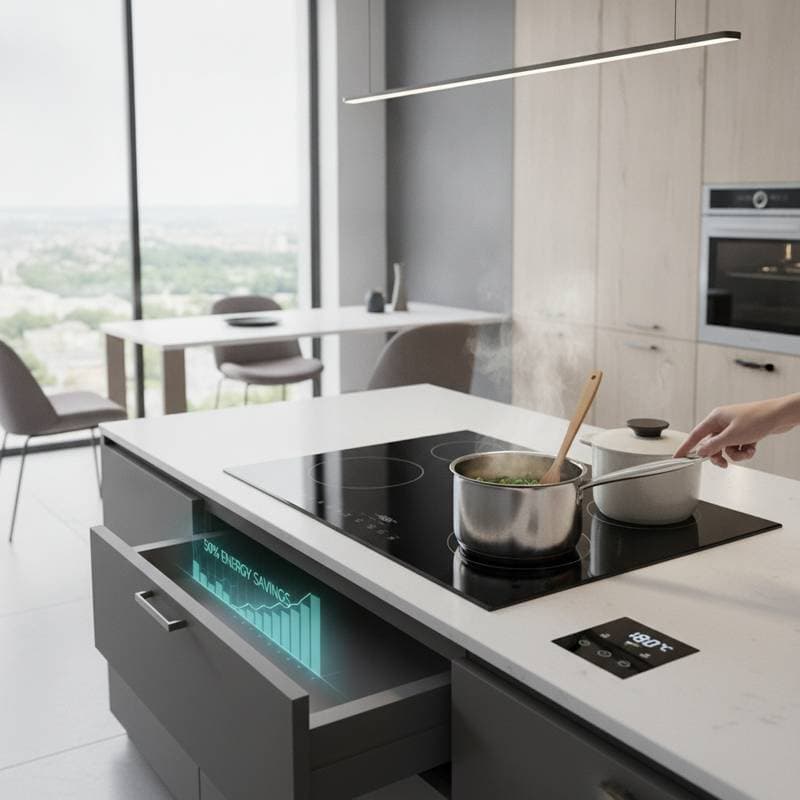
- Energy Efficiency: Gas flames convert only 35 to 40 percent of their energy into cooking heat. Induction achieves 85 to 90 percent efficiency. This gap translates to decreased utility payments and reduced overall energy consumption.
- Future Accessibility: Numerous local governments restrict new gas installations or mandate kitchens equipped for electric appliances. Even existing gas systems may incur higher maintenance or upgrade costs as regulations evolve.
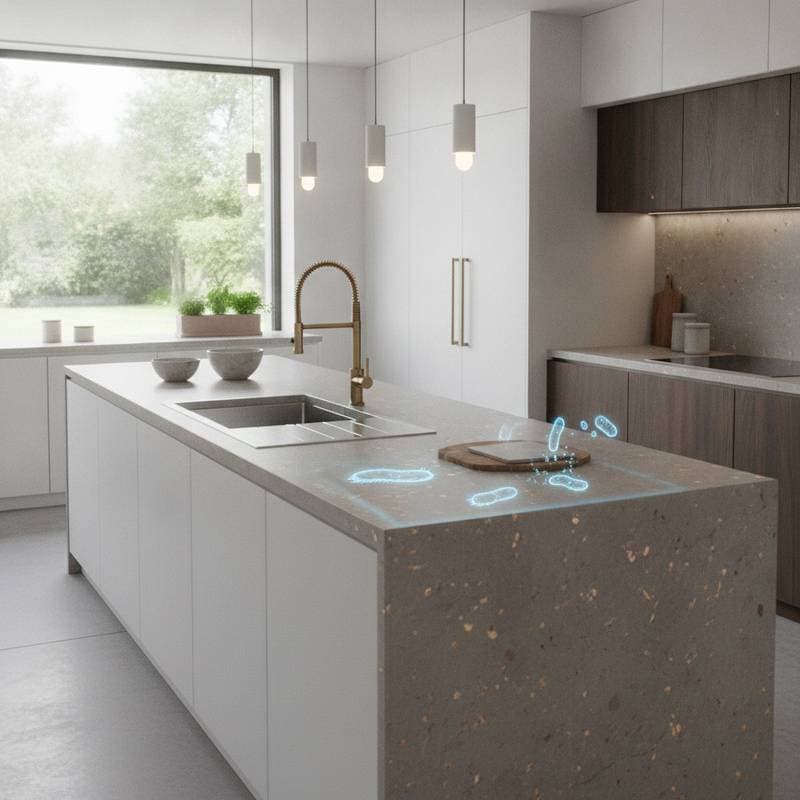
- Upkeep and Hygiene: Gas burners require frequent dismantling and thorough cleaning. Induction surfaces clean easily with a damp cloth.
Breaking Down the Expenses
Transitioning from gas to induction involves upfront costs, though these prove more manageable than anticipated. Consider this overview of typical expenses.
- Appliance Purchase: A dependable mid-level induction cooktop ranges from $900 to $2,000. Freestanding induction ranges begin at approximately $1,200.
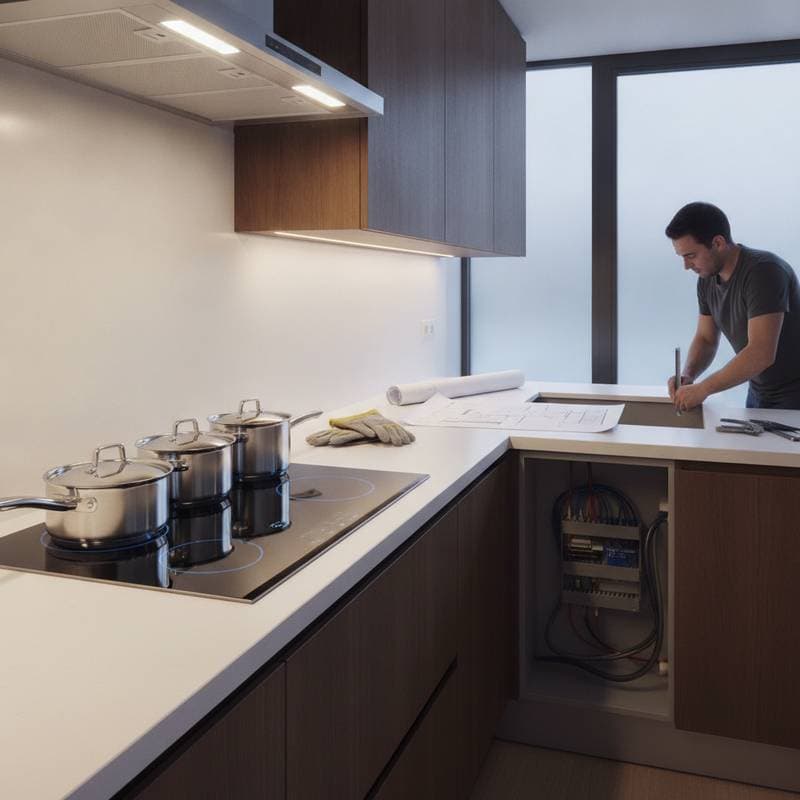
- Electrical Modifications: Homes with an existing 240-volt line for electric ranges require minimal adjustments. Installing a new line costs $300 to $800, influenced by electrical panel capacity and wiring length.
- Cookware Compatibility: Induction demands ferromagnetic materials. Stainless steel and cast iron items often suffice; test with a magnet for adhesion. Replacing incompatible pieces adds $100 to $300.
- Gas Line Deactivation: Plumbers cap unused gas lines for safety, charging $150 to $400.
A standard conversion totals $1,500 for basic installations to $3,000 or higher with professional electrical work. Energy savings and potential rebates for electric upgrades help recoup these investments over time.
Superior Performance in Practice
Those accustomed to gas may view induction as a step backward. In truth, it surpasses gas in precision and reliability.
- Heating Speed: Water reaches a boil almost twice as quickly.
- Temperature Precision: Adjustments occur instantly, eliminating delays as burners cool.
- Uniform Heat Distribution: Cookware heats evenly, reducing uneven spots and improving outcomes.
- Built-in Safety: The heating element deactivates when cookware is lifted away.
Even chefs who initially hesitated now adopt induction for its dependable performance and cooler workspace.
Health and Environmental Advantages
Beyond ease of use, induction appeals for its contributions to healthier and greener living. Gas stoves elevate indoor pollutant levels beyond outdoor norms. Removing combustion sources immediately enhances air purity, benefiting families with young children, elderly members, or individuals prone to breathing issues.
Environmentally, induction lowers carbon emissions when connected to renewable energy grids. It conserves energy regardless of power source. As electrical networks advance toward sustainability, each electric device integrated becomes progressively more eco-friendly.
Steps to Prepare for the Switch
To ensure a seamless transition, evaluate these key factors in advance.
- Assess Electrical Infrastructure: Inspect your breaker panel; induction units generally need a 40- to 50-amp dedicated circuit.
- Verify Dimensions: Standard induction cooktops fit 30-inch or 36-inch openings; confirm countertop depth and ventilation space.
- Evaluate Existing Cookware: Apply the magnet test to confirm compatibility with your pots and pans.
- Maintain Ventilation: Induction eliminates combustion byproducts, yet cooking generates vapors and oils; ensure your hood operates effectively or consider an upgrade.
- Account for Power Reliability: Gas allows manual operation during outages, unlike induction; in outage-prone areas, explore battery systems or generators.
Evolving Industry Landscape
Manufacturers pour resources into induction innovations, yielding diverse models, competitive pricing, and advanced capabilities annually. Home builders integrate electric cooking into designs from the outset, often omitting gas lines. Induction thus positions itself as both an ethical and conventional choice.
Retail outlets and energy initiatives promote induction for contemporary kitchens. Rebates grow available in emission-reduction zones. The units' durability and efficiency ensure long-term value, even absent incentives.
Debunking Induction Misconceptions
Some believe induction produces excessive noise or demands premium cookware. The occasional low hum arises from cookware resonance at peak settings and remains unobtrusive. Budget-friendly options now clearly mark induction suitability. Claims of operational complexity also fade; most users master it quickly, aided by user-friendly interfaces and digital precision.
Steps to Upgrade Your Kitchen
For remodels or replacements, prioritize the range as a starting point. Consult a certified electrician to review panel suitability. Select induction models aligned with your preferences and finances. Many report an irreversible preference after experiencing the technology.
This change yields purer air, economical energy use, and secure cooking areas. It also aligns your home with emerging codes and efficiency norms. While gas served effectively for years, future kitchens thrive on electromagnetic accuracy rather than open flames.