Understand Building Code Updates to Protect Your Remodel Budget
Homeowners often finalize remodel plans with excitement, envisioning the transformed space. However, news of impending building code changes can introduce uncertainty, especially regarding permit fees. The decision to submit applications immediately or await new regulations affects timelines, costs, and compliance.
Local governments update codes to improve safety and efficiency, but these shifts frequently lead to higher permit fees for expanded inspections and reviews. Submitting before the changes can prevent costs from doubling and avoid project delays. This article examines the updates, their financial implications, and strategies to position your project advantageously.
Why Permit Fees Increase with Code Changes
Permit fees generally tie to project valuation or category. New codes that require more inspections or thorough plan examinations alter the pricing structure.
Consider this scenario:
- Existing structure: $10 for every $1,000 of construction value.
- Updated structure: $18 for every $1,000, plus fees for mechanical and energy assessments.
For a $75,000 remodel, fees might climb from $750 to $1,350. Separate charges for electrical or energy compliance could add hundreds more in certain jurisdictions.
Extended review periods under new rules also generate indirect expenses. Contractors might adjust bids for potential delays, material prices could escalate, and personal timelines may extend unexpectedly.
Proactive Steps to Submit Before Fees Rise
Anticipating code changes allows homeowners to minimize expenses and disruptions. Follow these structured actions to stay ahead.
1. Contact the Local Building Department
Initiate inquiries with two essential questions:
- What date marks the new code's implementation?
- What constitutes the cutoff for applications under existing rules?
Departments typically process complete submissions under prior codes if received before the transition. Completeness includes full payment, detailed drawings, and necessary engineering or survey documents.
2. Submit a Preliminary Application
Even with ongoing plan refinements, preliminary filings can secure your position under current fees. Building offices specify acceptable documents for this purpose. This tactic prevents reassignment to higher rates.
3. Incorporate Upcoming Standards into Designs
Submitting under old codes does not exempt future compliance. Align designs with new requirements to mitigate risks from delays or varying interpretations.
Consult designers or contractors to assess pending rules. Minor modifications at this stage often avert costly revisions during construction.
4. Allocate a Buffer in Your Budget
Projects spanning the code transition demand contingency planning. Reserve 10 to 20 percent extra for potential permit and inspection hikes. This preparation cushions against mid-process rate adjustments.
5. Maintain Ongoing Dialogue
Regular communication with contractors and officials ensures awareness of phased implementations. Document interactions thoroughly to support compliance and resolve issues efficiently.
Addressing Frequent Misconceptions on Code Compliance
A common belief holds that updates apply solely to new builds. In truth, remodels altering structure, electrical systems, or plumbing must adhere to current codes.
Another error assumes prior conditions receive grandfathering during major work. Inspectors rarely grant this exception.
Fees follow non-negotiable schedules set by councils. Cost savings arise from streamlining scopes or consolidating inspections to reduce processing time.
For clarity on applicability, request written confirmations from the department. These records safeguard against interpretive disputes.
Position Your Project for Success
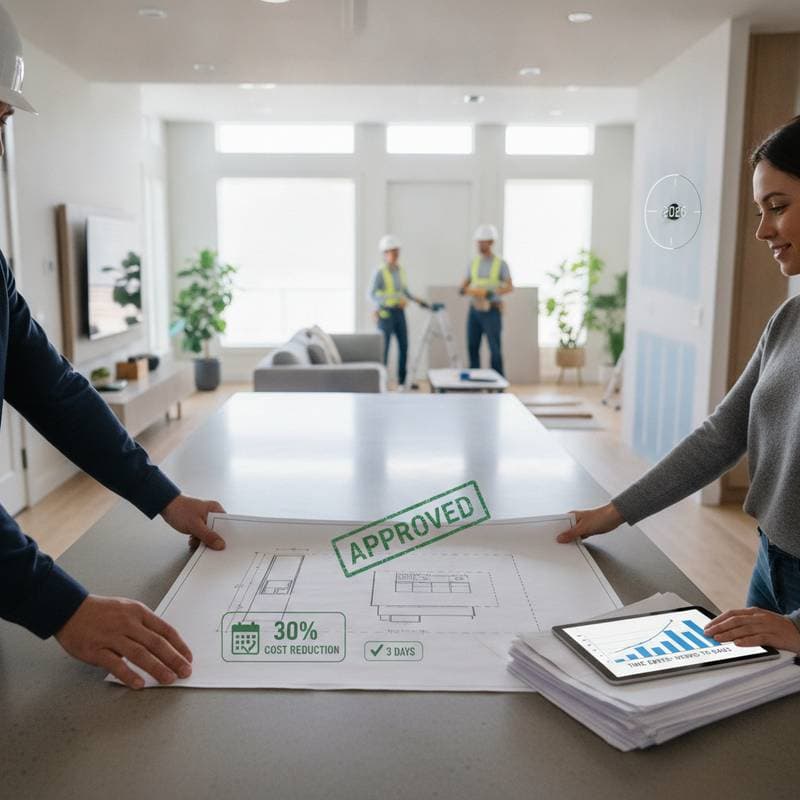
To sidestep elevated fees, evaluate your plans promptly, compile documentation, and verify submission criteria with authorities. Preparation spanning mere days can determine whether you pay prevailing rates or encounter substantial increases.
Approach remodeling with adaptability and foresight. Code advancements promote safer, more efficient homes, and strategic timing preserves financial resources.