Why Building Permit Costs Are Rising 40% for 2026 Remodels
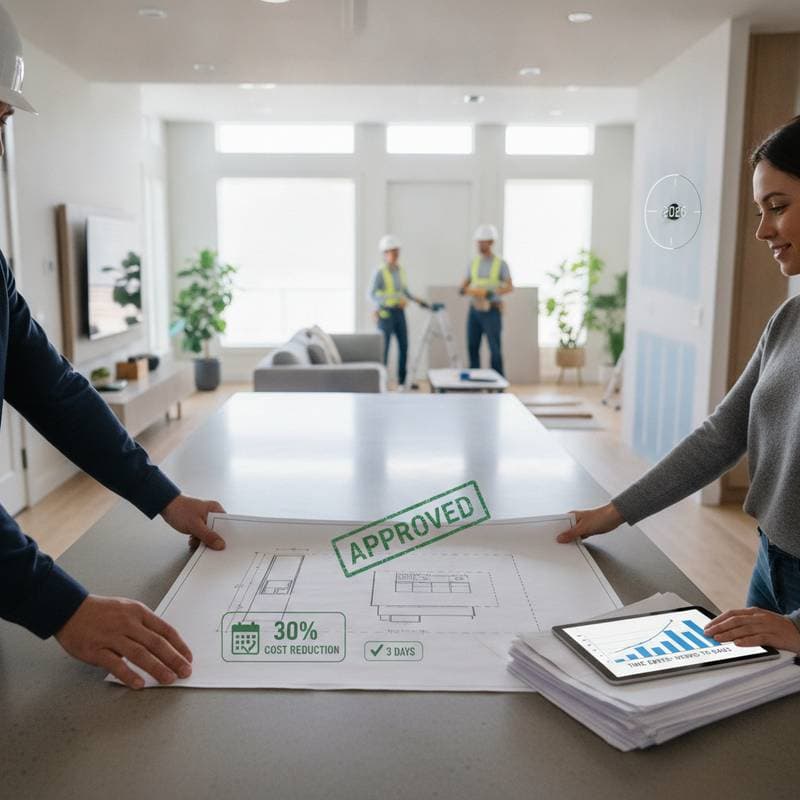
Remodel projects capture visions of renewal through fresh layouts and refined elements. Yet these visions depend on a network of approvals, codes, and expenses that guide their realization. Homeowners and professionals now confront a significant escalation in building permit fees, with projections indicating a 40% rise by 2026. This development already alters budgeting strategies, timelines, and creative scopes for architects, builders, and clients.
Understanding the Framework of Permits
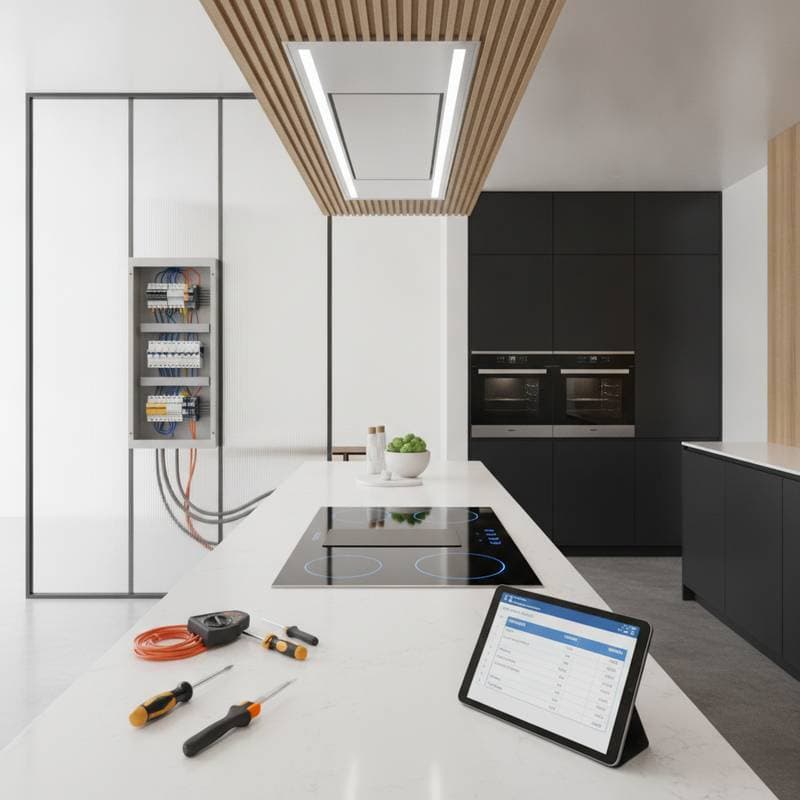
Permits form the foundational framework for any renovation. Before tools touch surfaces, teams address building codes, zoning limits, and energy standards to uphold safety and performance. Municipalities evaluate aspects such as plumbing modifications, electrical enhancements, and structural adjustments. Fees accompany each phase, and these fees rise as local governments adjust revenue streams to offset administrative, environmental, and verification expenses.
Local departments invest in online submission platforms, enforce stricter sustainability protocols, and bolster inspection personnel. Such enhancements foster improved supervision and community access, but they elevate operational demands that lead to fee hikes. For instance, processing times shorten with digital tools, yet the cost of software maintenance and staff expertise contributes to broader adjustments.
Factors Fueling the Increase: Sustainability and Safety
This fee escalation stems from deliberate advancements in construction practices focused on efficiency and durability. Updated rules mandate thorough environmental evaluations, especially for alterations to heating systems or exterior expansions. Professionals must now provide in-depth records on insulation performance, airtightness techniques, and equipment ratings.
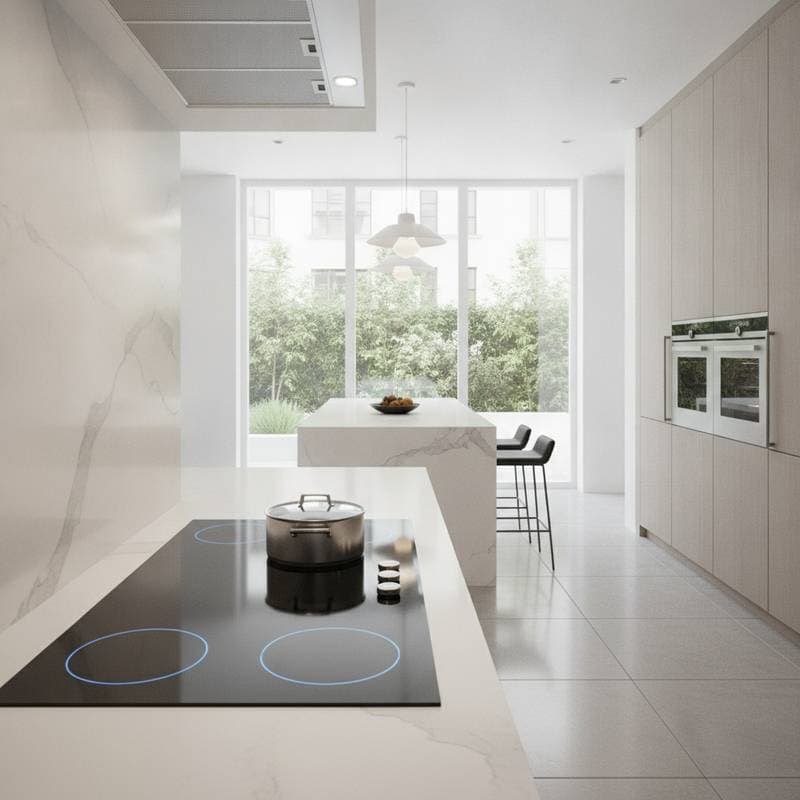
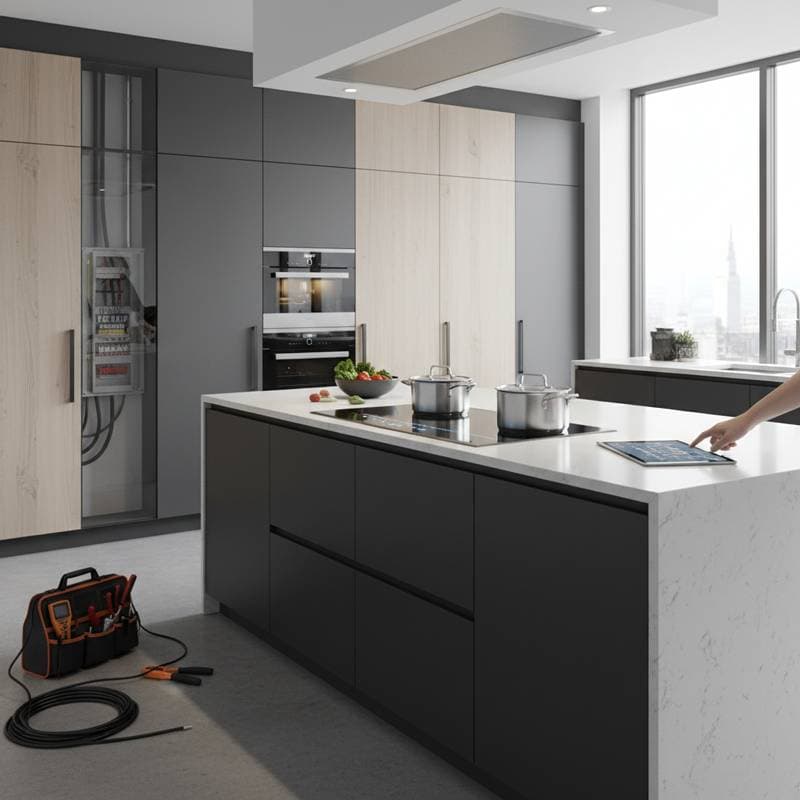
Consider a standard kitchen update: what previously needed only a basic electrical approval now triggers assessments for airflow systems, energy-saving fixtures, and eco-friendly surfaces. These measures promote indoor wellness and lower emissions, though they require expanded review processes. Architects such as Lena Ortiz of Studio North Design note that these standards elevate project results, despite the added preparation. "We spend more time preparing submittals than ever before, but the quality of construction that results is worth the effort," Ortiz stated.
To illustrate, a remodel involving new windows might demand proof of thermal bridging reductions and solar gain calculations, steps absent in prior eras. Builders integrate these early to avoid rework, transforming regulatory demands into pathways for long-term savings on energy bills.
Navigating Regional Differences and Economic Influences
Fee adjustments differ across areas, shaped by local development needs and workforce expenses. Dense urban areas with outdated verification teams allocate funds for employee development and tech integrations, while expanding suburbs raise rates to handle population influxes. Inflation in supplies and salaries further propels these trends.
Professionals observe that modest renovations demand larger initial payments for permits, prompting some clients to pause initiatives during review periods. Companies like Anders & Co. Construction include adaptable cost provisions in agreements to account for local shifts. This approach builds trust and prevents mid-project disruptions. In high-growth regions, such as coastal cities, fees might climb faster due to seismic or flood resilience add-ons, requiring tailored strategies.
Effects on Homeowners and Project Dynamics
Homeowners experience ripple effects from elevated permit expenses that surpass the direct charge. Reduced funds impact selections in surfaces, bespoke storage, or illumination. Designers adjust project ranges or extend phases to accommodate. Options include breaking work into sequential permits or focusing on essentials prior to decorative elements.
Interior specialist Marina Cho of Atelier Field highlights the need for proactive dialogue. "We start conversations about permits at the very first design meeting," she explained. "The earlier we understand the city’s requirements, the more gracefully we can integrate them into the creative process." This method fosters comprehensive planning that links documentation, strategy, and innovation. For families, it means aligning remodel goals with fiscal realities, perhaps prioritizing accessible features like wider doorways alongside aesthetic upgrades.
Strategies for Effective Permit Management
Rising permit fees underscore the intricacies of modern renovations, where excellence, security, and environmental care involve detailed administration. These costs, though challenging, signal progress toward responsible and lasting structures. Success hinges on foresight: involve architects from the outset, demand comprehensive expense outlines, and sustain dialogue with builders.
Begin by accessing your municipality's online permit resources and examining current fee structures. Consult experts familiar with regional specifics to anticipate variations. For upcoming remodels, build buffers into budgets, perhaps allocating 10-15% extra for approvals. Track legislative updates through professional networks to stay ahead. This preparation converts obstacles into advantages, yielding compliant spaces that endure and enhance value over time.