Why Rewiring Matters for Induction Cooktops
Induction cooktops provide precise heating and energy savings, making them a popular choice for modern kitchens. However, these appliances require a dedicated electrical circuit, often necessitating rewiring in older homes. Understanding these costs helps homeowners plan renovations without unexpected financial burdens.
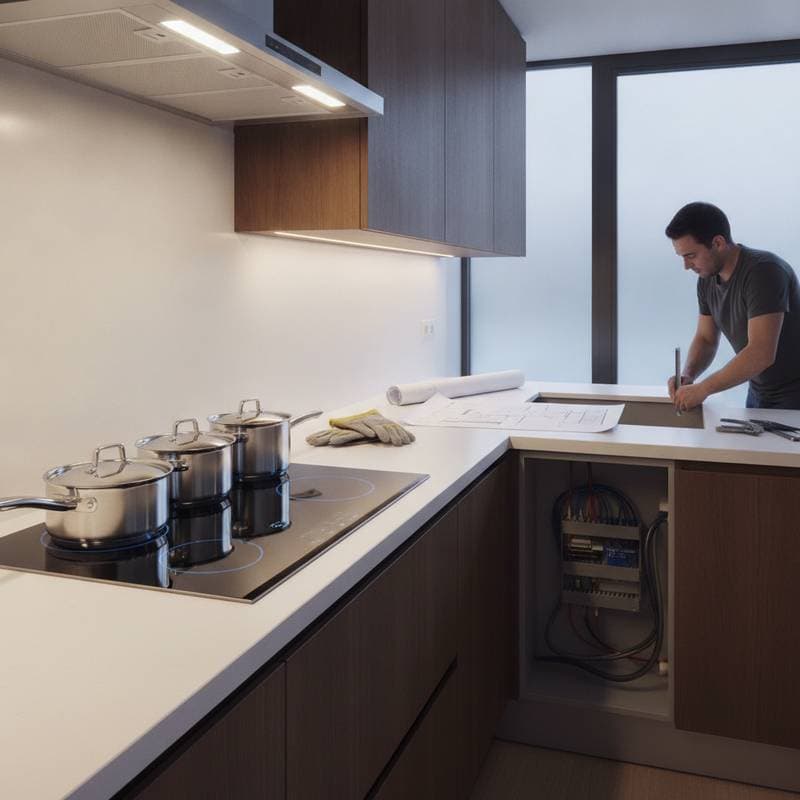
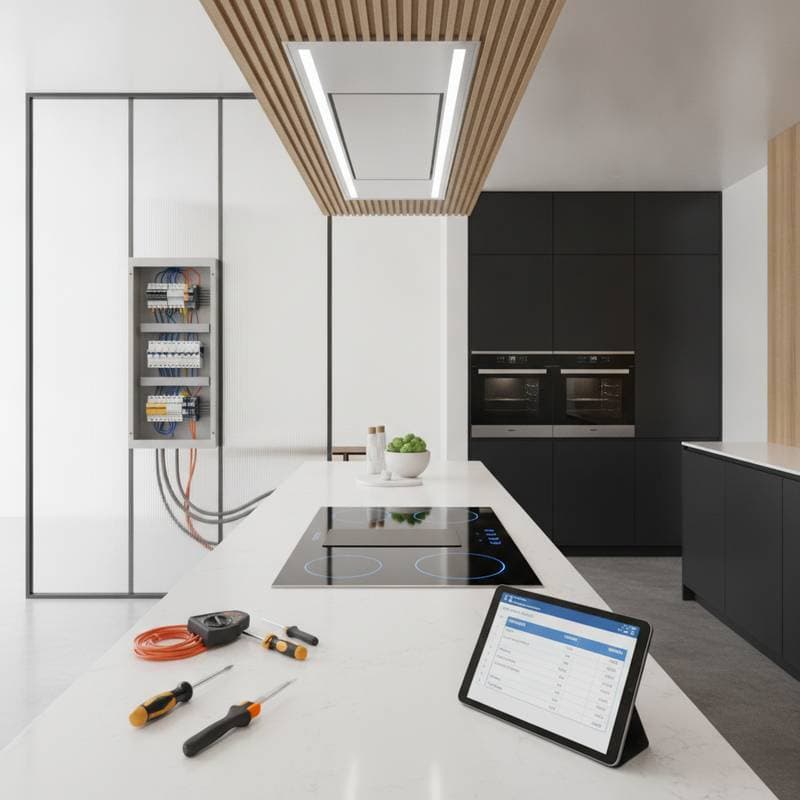
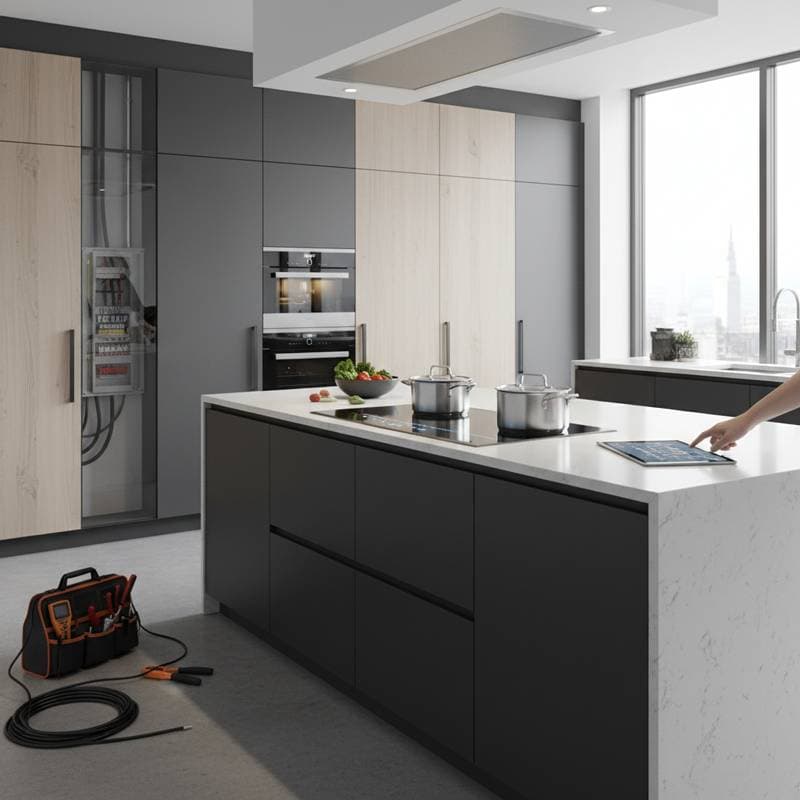
Most induction models demand a 240-volt circuit with at least 40 amps, far exceeding the capacity of standard 120-volt outlets. Homes built before the 1990s frequently lack this infrastructure, leading to upgrades that involve running new wiring from the electrical panel. Professional assessment ensures compliance with local codes and prevents safety risks such as overloaded circuits or fire hazards.
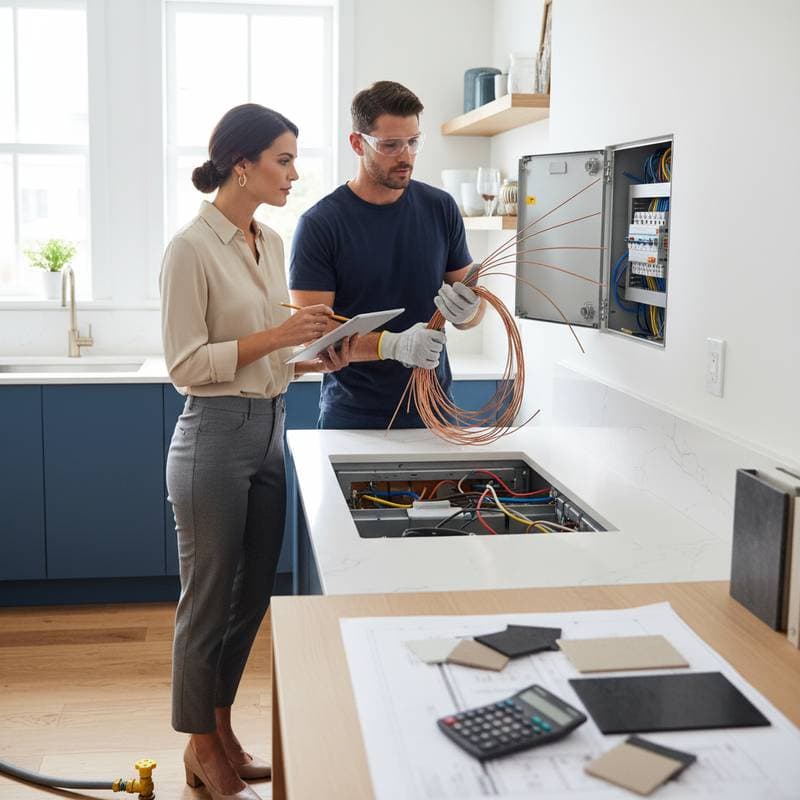
Factors influencing rewiring needs include the home's age, kitchen layout, and distance from the main panel. For instance, a straightforward upgrade in a newer home might take a few hours, while extensive runs through walls or floors increase both time and expense. Consulting a licensed electrician early in the planning process reveals specific requirements and potential savings.
Breaking Down the Costs
The total investment for an induction cooktop installation varies based on several components. The appliance itself ranges from $400 for basic models to $3,000 for high-end, multi-zone units with advanced features like Wi-Fi connectivity or built-in ventilation.
Electrical upgrades form a critical portion of the budget. Simple outlet additions or circuit extensions cost $250 to $800, covering materials and basic labor. More complex projects, such as panel expansions to accommodate higher amperage, can reach $1,500 to $2,000. These figures account for permits, inspections, and compliance with National Electrical Code standards.
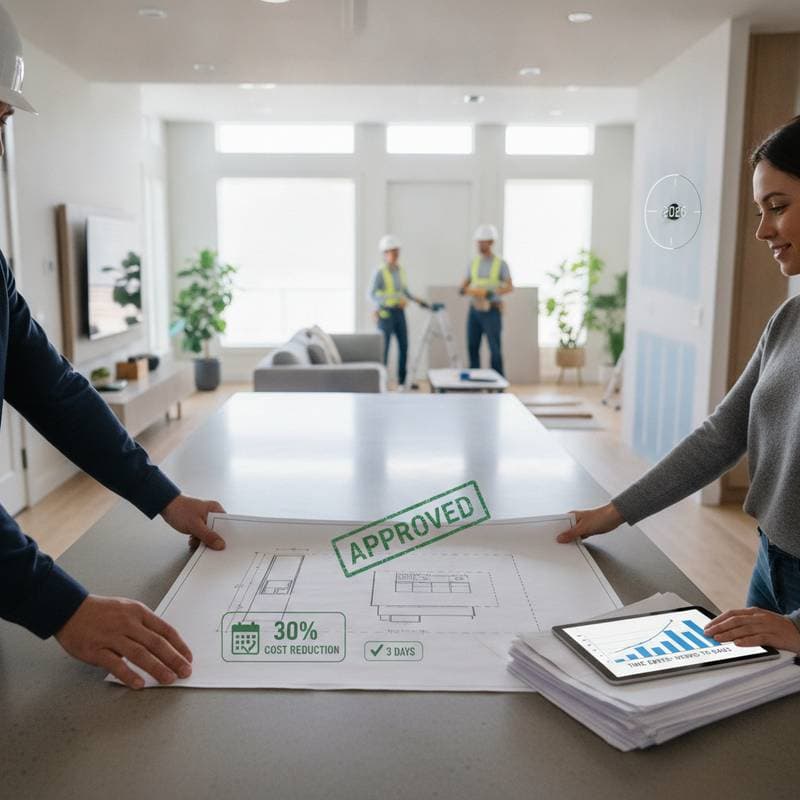
Installation labor adds $200 to $800, depending on accessibility and any countertop modifications. In total, expect $850 to $5,800 for a complete switch. To refine estimates, obtain multiple quotes from certified professionals and consider off-peak scheduling to reduce rates.
Homeowners can mitigate expenses by choosing mid-range cooktops that balance performance and affordability. Energy-efficient models may qualify for rebates from utility companies, offsetting initial outlays. Detailed cost comparisons, including long-term savings on electricity bills, justify the upfront investment.
Converting from Gas to Induction
Transitioning from a gas stove to induction involves more than electrical work. Gas lines must be capped and sealed by a licensed plumber to prevent leaks, adding $150 to $500 to the project. This step ensures safety and allows for a fully electric kitchen setup.
The conversion process begins with an evaluation of existing utilities. Plumbers and electricians often coordinate efforts, minimizing disruption. Once complete, the kitchen benefits from improved air quality, as induction eliminates combustion byproducts like carbon monoxide.
Maintenance simplifies dramatically without gas components. Glass surfaces resist staining and require only mild cleaners, unlike gas grates that accumulate residue. This shift supports healthier cooking environments, particularly in homes with sensitive occupants.
For those retaining gas for other appliances, hybrid setups are possible. However, full electrification aligns with sustainability goals, reducing reliance on fossil fuels. Planning the conversion during a broader remodel integrates costs efficiently.
Design and Functional Advantages
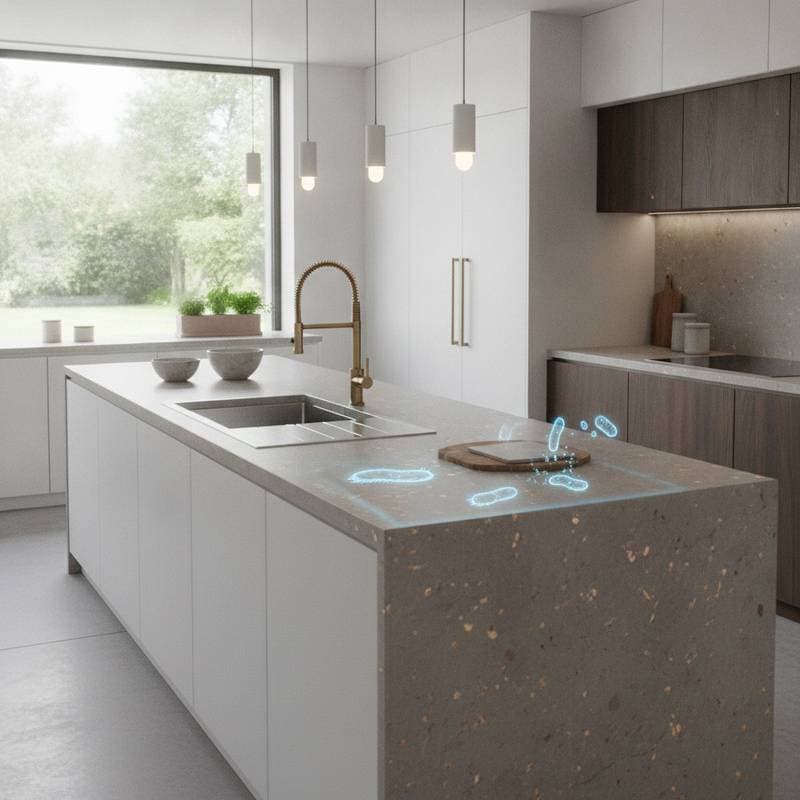
Induction cooktops enhance kitchen aesthetics with their flush, seamless integration into countertops. Materials like quartz or granite complement the smooth glass, creating a minimalist look that maximizes visual space. Without protruding elements, these surfaces facilitate easier countertop flow and installation.
Performance excels in precision cooking. Electromagnetic fields heat pots directly, offering rapid boil times and exact temperature holds ideal for delicate tasks. Safety features, such as automatic shut-off when cookware is removed, reduce burn risks compared to traditional stoves.
Cleanup proves effortless, as spills remain loose on the cool-to-touch surface. Regular care involves wiping with a soft cloth and avoiding abrasive tools to preserve the finish. These attributes make induction suitable for busy households seeking durability and convenience.
In design projects, induction units support innovative layouts. Under-cabinet mounting or slim profiles fit compact spaces, while larger models anchor professional-grade islands. Pairing with compatible ventilation ensures optimal performance and odor control.
Options for Budget-Conscious Installations
Space or fund limitations do not preclude induction adoption. Portable single-burner units, priced at $100 to $300, plug into standard outlets and suit apartments or temporary setups. These devices provide similar efficiency for everyday tasks like boiling water or reheating.
For permanent solutions in small kitchens, built-in two-burner models offer versatility. Integrating them into islands or carts expands functionality without major renovations. Custom panels can conceal wiring, maintaining a polished appearance.
To minimize rewiring, select cooktops compatible with existing 120-volt circuits where feasible, though power limits apply. Upgrading gradually, starting with portable options, allows testing before committing to full installations. Such approaches deliver immediate benefits while deferring larger expenses.
Business and Innovation Perspectives
The induction market grows rapidly, driven by demand for smart, eco-friendly appliances. Builders incorporate 240-volt readiness in new constructions, future-proofing homes for electric trends. Remodelers gain competitive edges by specializing in these upgrades, appealing to environmentally aware clients.
Product developers focus on integrations, such as cooktops with sensor-based controls or compatibility with home automation systems. These advancements blend form and function, elevating kitchen experiences. Professionals advising on projects emphasize flexible electrical designs to accommodate evolving technologies.
Maximizing Long-Term Value
After installation, induction cooktops deliver ongoing efficiencies. Annual energy savings of 10 to 20 percent on cooking costs recoup investments over time. Enhanced safety and ease of use improve daily routines, fostering enjoyment in meal preparation.
Optimal use involves selecting ferromagnetic cookware with flat bases for maximum contact. Avoid placing credit cards or pacemakers near active zones, and clean promptly to prevent residue buildup. These habits extend appliance lifespan and maintain performance.
Share your upgraded kitchen through photos or reviews to connect with communities. Such engagement highlights successes and encourages others to explore similar transformations. The result is a versatile space that supports both culinary creativity and aesthetic appeal.