Remodeling Permits Surge 40%: Essential Guide for Homeowners
A 40 percent increase in remodeling permits signals robust activity in home renovations across the country. Homeowners are embracing projects with greater enthusiasm, from kitchen updates to comprehensive overhauls. This trend highlights opportunities in design and functionality, yet it also introduces complexities in regulations and processes. The following sections provide clear guidance to help you proceed effectively and achieve lasting results.
Why Permits Are Essential
Permits represent a critical safeguard in any remodeling endeavor. They ensure compliance with safety codes, prevent potential legal issues, and enhance property value upon resale. In professional settings, such as television production for home improvements, permits maintain project timelines and avoid interruptions from enforcement actions. The principle applies equally to residential work, whether a modest update or a major expansion.
Beyond individual benefits, permits enable local authorities to monitor community development. This oversight supports infrastructure adjustments, zoning adherence, and overall public safety. Obtaining permits thus contributes to a structured and secure neighborhood environment.
Factors Driving the 40 Percent Increase
The surge in permits stems from evolving homeowner priorities and market dynamics. Many individuals opt to enhance existing properties rather than relocate, leading to ambitious renovations. The availability of digital design resources and flexible financing options further accelerates this activity.
Observations from home improvement projects reveal a contagious enthusiasm. When one residence undergoes upgrades, adjacent properties often follow suit, resulting in localized permit concentrations. This pattern underscores a collective push toward improved living spaces.
Projects Requiring Permits
Homeowners frequently encounter uncertainty regarding permit needs. While minor tasks may proceed without approval, substantial alterations demand oversight. The list below outlines common categories:
- Structural Modifications - Removing or adding walls, adjusting load-bearing elements, or extending the home's exterior footprint necessitates permits.
- Electrical and Plumbing Alterations - Relocating outlets, adding circuits, or modifying pipes requires regulatory review.
- Mechanical System Updates - Replacements of heating, ventilation, and air conditioning units, along with duct modifications or new water heaters, typically involve inspections.
- Space Additions and Conversions - Transforming garages into habitable areas, completing basements, or installing sunrooms mandates permits.
- Roofing and Window Replacements - Certain jurisdictions require approvals for these changes, particularly when structural elements are involved.
Cosmetic efforts, such as painting, installing flooring, or replacing fixtures, generally do not require permits. Local variations exist, so consult your municipal building department to confirm requirements and prevent oversights.
Navigating the Permit Process
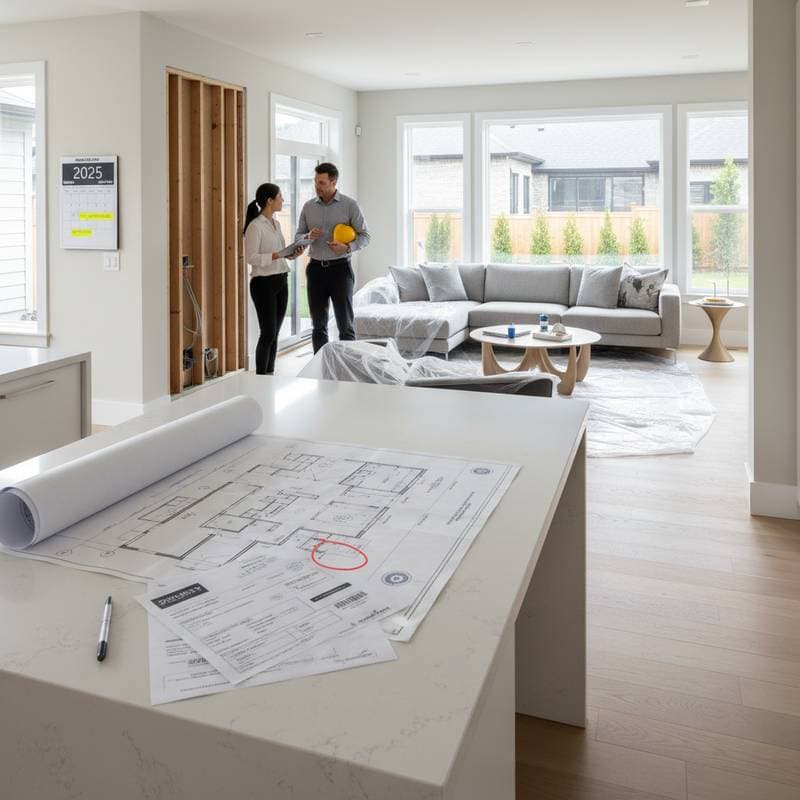
The permit application process, though structured, remains accessible with preparation. Begin by preparing detailed plans or a project description and submit them to the local office, often through an online portal for efficiency. Upon review, approval allows construction to commence.
Inspections occur at predefined milestones to confirm code adherence. These evaluations focus on safety rather than aesthetics. Final approval documents the work, providing assurance for insurance and future transactions.
Estimating Permit Expenses
Increased demand has prompted some areas to revise fees, yet costs remain manageable. Residential permits typically range from $100 to $2,000, scaled to project scope. Specific examples include:
- Small decks or fences: $50 to $200
- Kitchen renovations: $300 to $800
- Home additions: $1,000 to $2,000 or higher
Contractors often incorporate these fees into bids; request itemized details for transparency. For independent projects, allocate funds for permits upfront to maintain financial control.
Strategies to Optimize Costs and Timelines
Efficiency in permitting enhances project success. Consider these proven approaches drawn from extensive design and construction experience:
- Bundle Applications - Group related projects into a single submission to minimize administrative efforts and inspections.
- Provide Comprehensive Documentation - Include precise measurements, material specifications, and diagrams to expedite reviews.
- Engage Qualified Professionals - Licensed contractors streamline approvals through their familiarity with codes.
- Plan Inspections Proactively - Reserve slots early to prevent scheduling bottlenecks.
- Leverage Standard Designs - Utilize pre-approved templates for common features like decks or sheds to bypass full reviews.
These methods prove invaluable in time-sensitive scenarios, ensuring smooth progression from planning to completion.
Consequences of Bypassing Permits
Foregoing permits carries significant risks. Violations may incur fines, mandate rework, or complicate home sales. Retroactive approvals for finished projects often prove more expensive and disruptive.
Unpermitted modifications can void insurance coverage for related incidents, such as fires from faulty wiring. Full liability falls on the homeowner in such cases. If prior unpermitted work exists, initiate corrective measures promptly through local authorities to mitigate future complications.
Involving Contractors and Designers
Skilled contractors and designers simplify permit management. They possess in-depth knowledge of regulations and can manage submissions and coordination. In client collaborations, initial assessments identify necessary permits and align them with lifestyle needs.
Verify a contractor's licensing and insurance, and review their permit history for reliability. For self-directed projects, permit expediters offer specialized support, handling logistics to free your focus for design decisions.
Market Implications of Increased Permits
The 40 percent rise indicates heightened investment in housing, potentially extending review periods in busy departments. However, it reflects optimism in real estate enhancement. Collective improvements elevate neighborhood appeal and property valuations, fostering community vitality.
Steps to Secure Permits Effectively
- Research Requirements - Review municipal resources for specific guidelines.
- Incorporate Costs - Factor in fees and potential delays from the outset.
- Select Experienced Partners - Partner with licensed experts versed in local processes.
- Maintain Records - Archive all documentation for ongoing reference.
- Embrace the Journey - View each phase as progress toward an enhanced home.
This upward trend in permits affirms a commitment to superior residential environments. Through diligent permitting, you safeguard your investment and create enduring value. Proceed with informed steps to realize a compliant, elevated living space.