Permitting Delays: An $8,000 Impact on Remodel Budgets
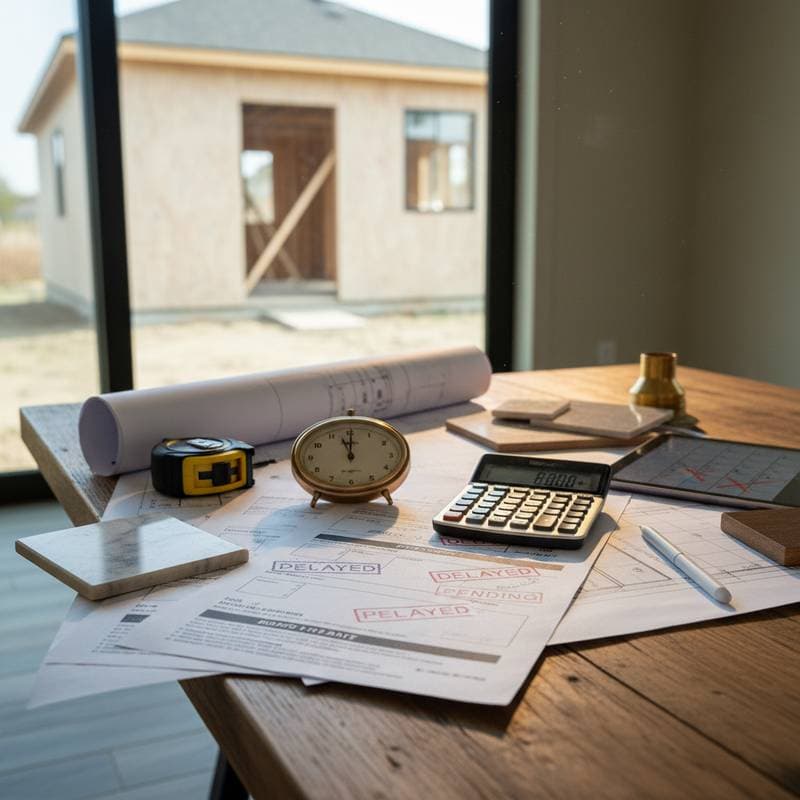
Homeowners often finalize designs, secure contractors, and select materials for a kitchen remodel or bathroom addition. Then, the local permit office announces a wait of several weeks for approval. Such delays, though seemingly minor, accumulate significant expenses.
In various regions, slow permit processing elevates project costs for many homeowners. An average remodel incurs at least an additional $8,000 from these waits. The issue extends beyond paperwork to disruptions in scheduling, labor availability, and material procurement.
This article examines the reasons for these costly delays, preparation methods to address them, and actions to lessen financial and emotional burdens.
Sources of the $8,000 Cost Increase
Unexpected expenses from permitting delays accumulate in several areas.
Labor Rescheduling
Delays disrupt contractor schedules planned weeks or months in advance. A stalled permit may forfeit the original start date. Upon approval, crews might face availability gaps, requiring new bookings.
Typical additional cost: $2,000 to $3,000, covering lost productivity, rescheduling charges, or elevated rates during peak seasons.
Material Price Fluctuations
Prices for materials such as lumber, concrete, tile, and cabinetry vary with supply chain challenges. A few weeks of delay could increase costs for the same items or necessitate cheaper alternatives to preserve the budget.
Typical additional cost: $1,000 to $2,500, scaled to project scope.
Rental Equipment and Storage Fees
Rentals for dumpsters, scaffolding, or storage units persist during pauses. While some agreements permit rescheduling without penalty, others impose daily or weekly fees for idle periods.
Typical additional cost: $500 to $1,200.
Financing and Carrying Expenses
Interest accrues on renovation loans during waits, and temporary housing adds to the tally if relocation occurs for the project. Each extra week extends these obligations.
Typical additional cost: $1,500 to $2,000.
These figures combine to surpass $8,000 in a standard delay scenario.
Strategies to Minimize or Prevent Delays
Local permit offices set their own processing speeds, yet proactive measures reduce risks.
Submit Thorough Documentation
Incomplete or erroneous submissions cause most delays. Provide a comprehensive package initially, including:
- Detailed construction drawings with precise dimensions
- Site plans depicting current and proposed modifications
- Structural engineering reports, if required
- Contractor licenses and insurance proofs
- Fully completed application forms
Contact the building department in advance if requirements remain unclear. A brief call often prevents extended waits.
Select Contractors Experienced in Local Permitting
Seasoned contractors navigate specific office procedures, anticipate strict inspectors, identify detailed form needs, and assess current backlogs. Their expertise justifies the investment.
Pose these questions to candidates:
- How many permits have you obtained in this city or county in the past year?
- What were the average approval durations?
- Which frequent errors lead to rejections?
Such insights establish accurate timelines and expectations.
Incorporate Scheduling Buffers
Avoid scheduling demolition immediately after permit submission. Allocate at least two to four weeks between anticipated approval and project commencement. This buffer absorbs minor setbacks without halting progress.
In areas with high permit volume, inquire about online tracking systems. Many departments publish estimated review periods and allow status monitoring.
Explore Phased Permitting Options
Certain jurisdictions permit separate approvals for project stages. For instance, initiate demolition or foundation work pending structural reviews for elevated sections. Consult contractors or architects to determine eligibility.
Maintain Ongoing Communication
After submission, follow up courteously every one to two weeks. Swift responses to requests for clarification keep the application active and prioritized.
Variations in Delay Times by Region
Processing durations vary by location.
- Urban settings: High volumes and rigorous code compliance extend waits to 6 to 10 weeks in major cities.
- Suburban locales: Timelines typically range from 3 to 5 weeks with balanced workloads.
- Rural communities: Smaller staffs enable quicker reviews, but staffing shortages introduce variability.
Seasonal factors influence speeds as well. Spring surges in applications often double processing times. Off-season submissions, such as in fall or winter, may accelerate approvals.
Broader Effects on Project Budgets
Permitting delays impose costs beyond initial overruns. Extended timelines increase temporary housing needs, prolong space inaccessibility, and raise utility expenses from inefficient systems during construction.
Effective permit management preserves funds and eases stress. Anticipating delays safeguards investments and sustains momentum.
Steps to Advance Your Remodel Efficiently
Begin remodel planning with early research into local permitting requirements. Collect necessary drawings, collaborate with contractors, and reserve administrative time before any site work.
Inquire at the building department about prevailing turnaround times, digital submission options, and pre-review consultations. Initial plan checks allow corrections prior to formal evaluation, streamlining the process.
Proactivity proves essential. Foster open lines of communication, record all interactions in writing, and adjust budgets as needed. Integrate permitting fully into project planning rather than treating it as an isolated step.
Strategic preparation averts the $8,000 setback, ensuring smooth progression, adherence to schedules, and budget compliance from inception.