2026 Remodels Hit by 40% Permit Cost Surge: Strategies to Navigate the Change
Planning a remodel requires preparation for unexpected expenses. Building permit fees in numerous jurisdictions have increased by approximately 40 percent for 2026 projects. This adjustment surprises many homeowners and pressures already constrained budgets. As a contractor experienced with daily permit processes, this author observes that the change extends beyond administrative tasks to influence overall planning, financing, and execution.
Consequences of Overlooking Permit Adjustments
Homeowners often undervalue the role of permits in total project expenses. A sharp fee increase may encourage skipping or postponing permits. Such choices lead to significant repercussions, including:
- Fines and legal penalties upon discovery during inspections or property sales.
- Insurance complications, as policies typically exclude coverage for unpermitted work.
- Challenges in resale, where lenders and buyers demand evidence of inspected and approved improvements.
- Substantial correction expenses, requiring demolition and reconstruction to achieve code compliance.
This author has witnessed homeowners incur thousands in repairs for errors that proper initial permitting could have prevented. The permit process, though bureaucratic, safeguards investments and upholds safety standards.
Reasons Behind the Permit Fee Increases
Municipalities implement the 40 percent rise to address escalating administrative costs, enhanced inspection protocols, and rigorous safety regulations. Certain regions allocate permit revenues toward infrastructure enhancements or to compensate for inspection department staffing deficits.
Contractors encounter extended approval timelines and demands for comprehensive documentation. Plans, structural analyses, and specifications undergo stricter evaluations. These requirements elevate carrying costs for contractors and homeowners alike.
Impact of Elevated Fees on Remodeling Budgets
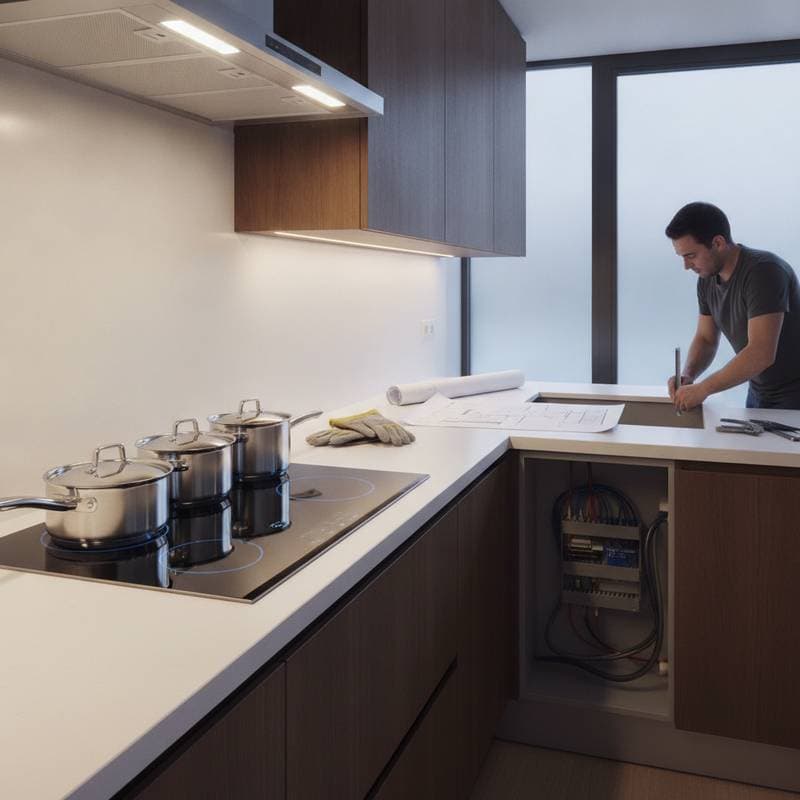
Permit fee hikes alter financial projections for remodels. Consider a kitchen renovation: previous permit costs of one thousand dollars may now total fourteen hundred. Including charges for electrical, plumbing, and mechanical components, the escalation can accumulate to several thousand dollars on moderate-scale projects.
These additional expenses influence financing options and material selections. Budget constraints may necessitate reducing features or phasing the project. Prudent homeowners account for permits as essential fixed costs and modify project scopes accordingly.
Strategies to Shield Budgets from Permit Surges
Municipal fee structures lie beyond individual control, yet proactive measures mitigate their effects. This author advises clients as follows:
- Request a detailed fee breakdown at the outset. Prior to contract signing, obtain an estimate specifying permit costs by category. Reputable contractors provide up-to-date information.
- Verify local jurisdiction rules. Fees vary by fixture count, square footage, or project valuation. Ensure contractors apply the precise methodology.
- Incorporate a contingency reserve. Allocate at least 10 percent of the total budget to accommodate regulatory shifts or supplementary inspections.
- Prepare thorough permit applications. Incomplete submissions result in delays, incurring labor idle time and interest on financing.
- Monitor design modifications closely. Mid-project alterations may necessitate additional permits or amendments, incurring extra charges. Evaluate these before approval.
Ensuring Contractor Responsibility in Permit Handling
Reliable contractors manage permit submissions independently or via specialized expediters. They possess expertise in local codes and compliance maintenance. Homeowners must remain engaged, however, by requesting duplicates of issued permits and inspection clearances for personal files.
In one instance, this author assumed a project abandoned by a prior contractor who commenced work under incomplete permitting. The homeowner believed operations were lawful until an inspector identified violations. Remediation extended the timeline by weeks and escalated costs by thousands; enhanced communication and record-keeping could have averted the issue.
Sidestepping Frequent Permit Errors
Seasoned remodelers still face hurdles with evolving rules. Consider these precautions:
- Refrain from initiating work prior to permit issuance. Inspectors possess authority to halt operations immediately.
- Display permits conspicuously on-site. Jurisdictions mandate this practice to avoid citations or penalties.
- Arrange inspections without delay. Overlooking scheduled checks prolongs timelines and amplifies financing expenses.
- Retain comprehensive records. Store digital versions of applications, payments, and reports, essential for future property transactions.
- Pose inquiries freely. Reluctance from contractors to provide permit evidence signals potential concerns.
Enduring Advantages of Regulatory Adherence
Elevated permit expenses frustrate, yet adherence yields lasting rewards. Compliant remodels enhance property worth, streamline insurance processes, and minimize liability risks. Appraisers and inspectors view permitted enhancements as confirmed value additions, aiding refinancing or sales.
Contractors benefit from the process through enforced quality assurance. Inspectors provide objective reviews of framing, wiring, and piping to verify safety conformity. This scrutiny averts latent issues that might precipitate costly failures over time.
Implementing Effective Remodel Planning
Remodels aim to elevate living spaces without eroding finances via unforeseen administrative hurdles. The permit fee uptick underscores the need for meticulous planning that balances innovation with adherence. Begin by collecting precise data, establishing feasible goals, and collaborating with transparent professionals.
Permits serve as protections rather than obstacles, validating project standards and securing investments. Through diligent budgeting, thorough documentation, and initiative, rising fees integrate as manageable elements rather than crises. Remodeling harmonizes expenses, schedules, and excellence; strategic foresight maintains command amid changes.