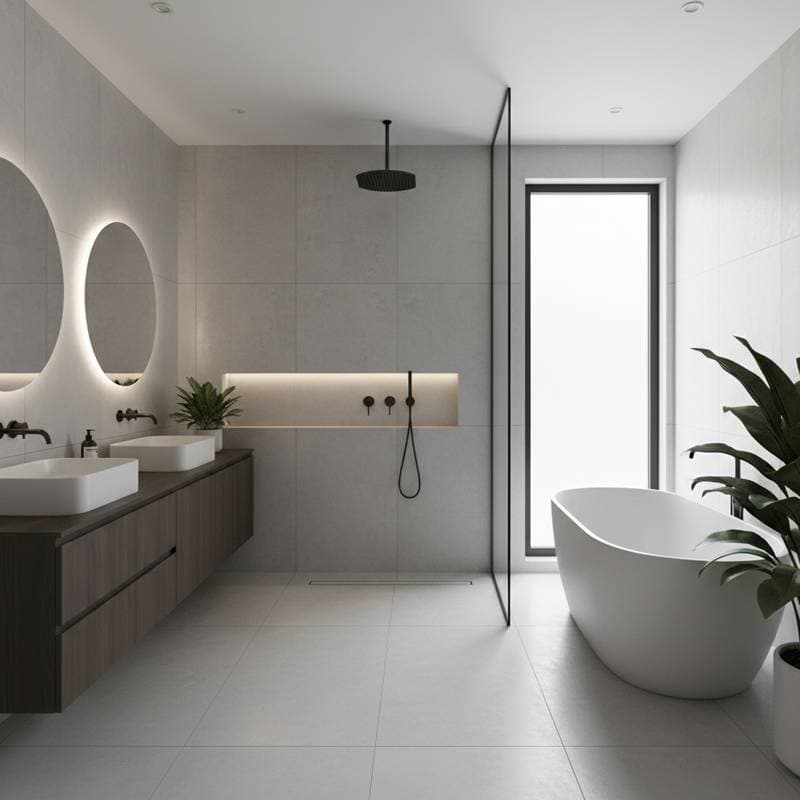
Why Wet Rooms Lead New Bathroom Trends
As a contractor who has remodeled hundreds of bathrooms, I can tell you firsthand why wet rooms are changing how people think about bathroom design. A wet room is more than a shower without a curb. It is a fully waterproofed space where the shower area blends seamlessly with the rest of the bathroom floor. This barrier-free approach brings both style and practicality, and it is driving one of the strongest design trends in modern homes.
The Problem with Traditional Bathrooms
Traditional bathrooms often waste space and create long-term maintenance problems. Curbs, doors, and enclosed shower units trap moisture, which leads to mold and grout issues. They also make cleaning harder and limit accessibility. I have seen plenty of clients struggle with cracked shower pans or leaks from improperly sealed enclosures. Those repairs are expensive and disruptive.
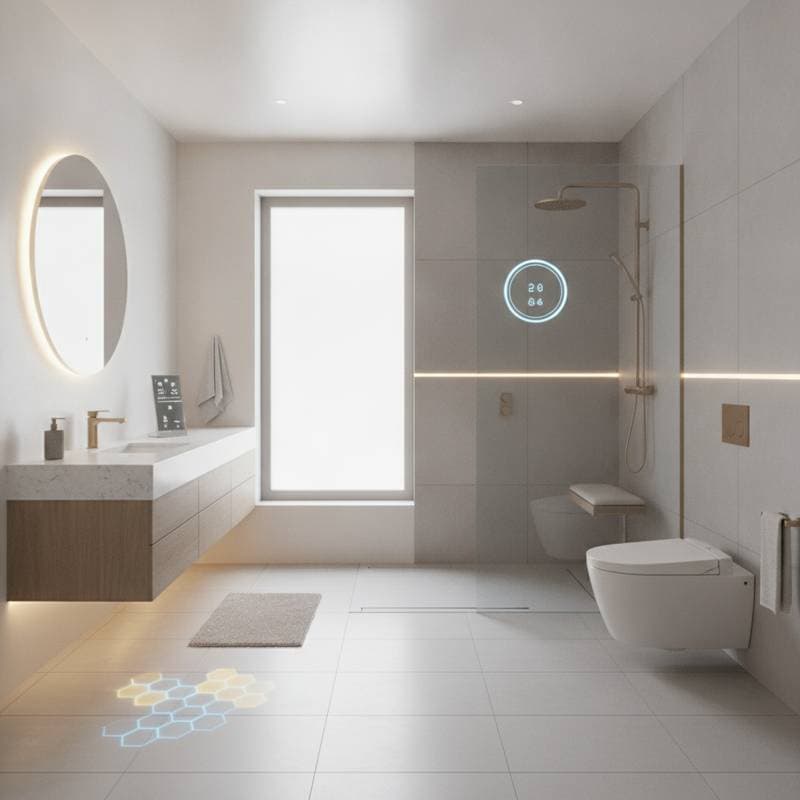
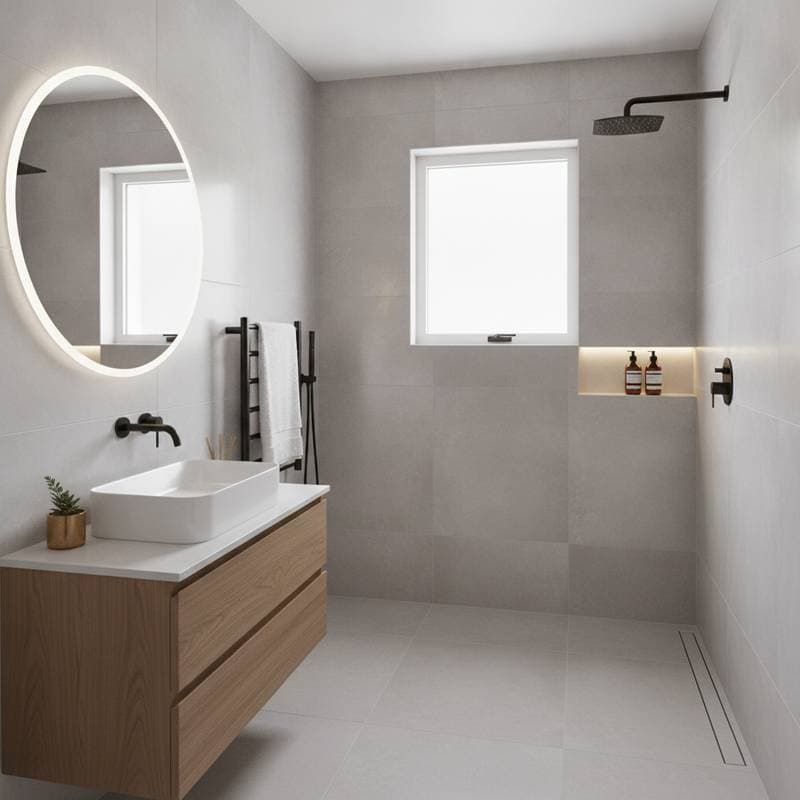
Wet rooms solve these issues by making the entire floor a single waterproof surface. Everything drains toward a central or linear drain, leaving no seams for water to sneak through. That simple structural difference prevents many of the problems that plague older bathroom layouts.
Why Homeowners Are Choosing Wet Rooms
Homeowners are drawn to wet rooms for three main reasons: accessibility, luxury, and low maintenance.
-
Accessibility
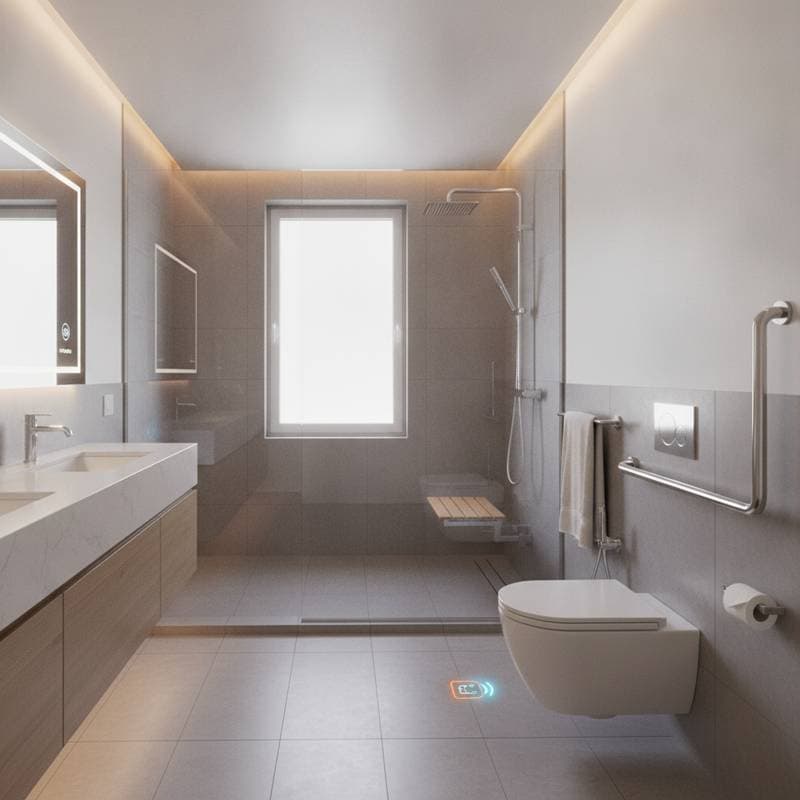
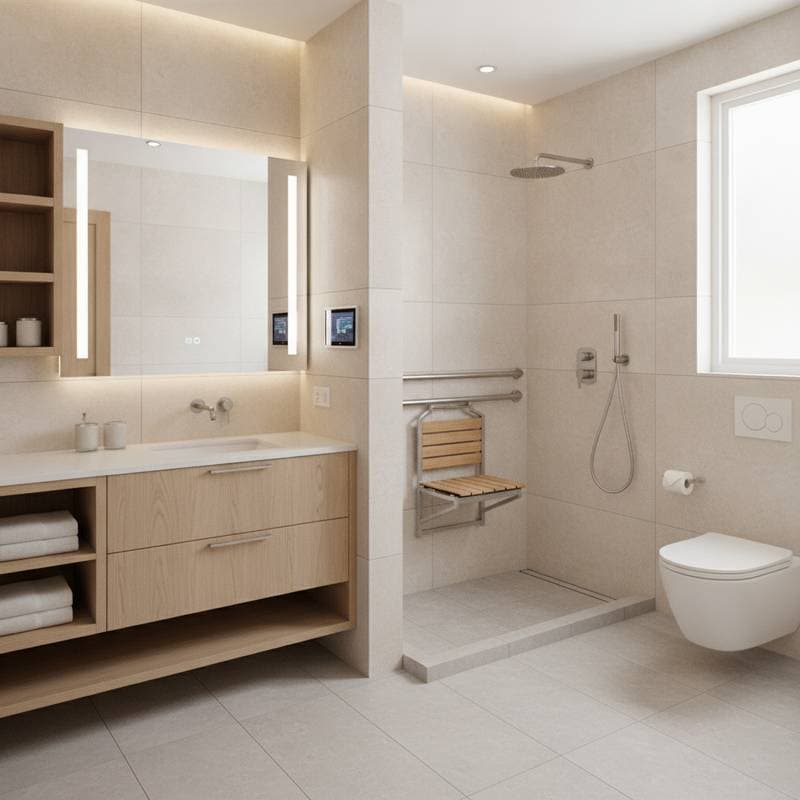
A wet room has no step or threshold, making it ideal for anyone with mobility challenges. I have built wet rooms for clients planning to age in place and for families needing safer spaces for children or elderly parents. The open design eliminates tripping hazards while still offering a stylish, modern look. -
Luxury Appeal
Wet rooms look like something out of a high-end spa. The continuous tile floor and open layout create a sense of spaciousness that traditional bathrooms rarely achieve. With the right lighting and tile selection, the space feels larger, cleaner, and more sophisticated. -
Ease of Maintenance
Cleaning a wet room is easier than cleaning a typical shower stall. There are fewer joints, no glass doors to squeegee, and no silicone seams to maintain. A quick rinse and wipe are often enough to keep it looking fresh. For many homeowners, that simplicity is reason enough to make the change.
Key Construction Considerations
Building a wet room correctly requires skill and precision. I have been called in more than once to fix poorly executed installations. Here are the main points every homeowner should verify before proceeding:
-
Proper Waterproofing
The entire floor and lower wall sections must be sealed with a quality waterproof membrane. This is not optional. If corners or joints are missed, leaks can destroy subflooring and framing. -
Accurate Drainage
The floor must be sloped consistently toward the drain. Even a small mistake in the slope can cause standing water. A linear drain often works best for both appearance and function. -
Ventilation and Materials
Use moisture-resistant materials and ensure strong ventilation. Large-format porcelain tiles are a favorite choice because they minimize grout lines and handle moisture well.
Cost and Value Considerations
A wet room can cost more upfront than a standard shower remodel, mainly due to the waterproofing and drainage work required. Yet that investment often pays off. The space is easier to maintain, lasts longer, and adds a touch of modern luxury that increases home value. Many real estate agents report that well-executed wet rooms attract buyers who appreciate both design and practicality.
Maintaining Your Investment
Once your wet room is complete, maintenance is simple but important. Keep the drain clear, inspect the grout and sealant lines annually, and use mild cleaners to protect the tile finish. If you ever notice dampness outside the shower area, call your contractor immediately before damage spreads.
Wet rooms bring together function, beauty, and long-term durability. Whether you want a sleek minimalist space or a spa-style retreat, this design gives you both freedom and protection. When built correctly, a wet room turns everyday routines into something that feels effortless and refined.