Universal Design: Creating Enduring Bathrooms for Independent Living
Imagine entering your bathroom each day with confidence, knowing the space supports your every movement. Over time, familiar surroundings may present unexpected hurdles, such as high thresholds or inadequate illumination. Universal design addresses these concerns proactively, transforming bathrooms into adaptable environments that foster safety and autonomy throughout life's stages.
This approach ensures your home remains a sanctuary, accommodating changing needs without compromising on aesthetics or comfort. By integrating thoughtful elements, you build a foundation for long-term well-being.
Understanding Universal Design Principles
Universal design emphasizes environments that accommodate all users, irrespective of age, ability, or circumstance. It extends beyond mere accessibility to promote inclusivity, simplicity, and equitable use. In bathroom contexts, this means crafting spaces that enhance daily tasks while maintaining an inviting atmosphere.
Key principles include equitable use, flexibility in operation, and straightforward interpretation of cues. For instance, features like lever-style faucets and contrasting color schemes aid visibility and ease. These elements integrate harmoniously into contemporary or classic motifs, ensuring the room feels welcoming rather than institutional.
Bathrooms designed this way benefit families across generations. Children navigate low sinks effortlessly, while seniors appreciate stable supports. Guests with temporary limitations find the space intuitive, reducing common household mishaps.
Assessing and Planning Your Bathroom Remodel
Begin the process with a thorough evaluation of your existing setup. Consider the pathways: Do doorways allow smooth passage for mobility aids? Evaluate reach: Can essential items like soap dispensers sit at comfortable heights for all users? Identify hazards: Does the current flooring pose slip risks during routines?
Consult local building codes early to align upgrades with regulations. Engage a designer specializing in accessible spaces to map out a layout that maximizes efficiency. This step prevents costly revisions and ensures the final design meets practical demands.
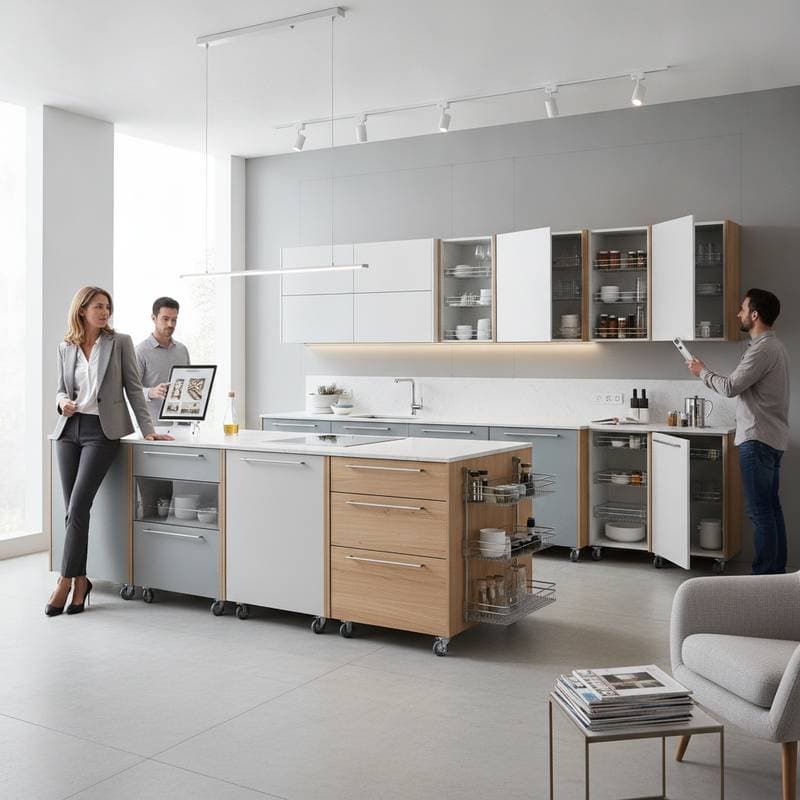
Focus on zoning: Dedicate areas for bathing, grooming, and storage. A well-planned flow minimizes congestion, promoting independence. Sketch initial ideas or use digital tools to visualize changes before committing resources.
Essential Features for Safety and Adaptability
Prioritize elements that deliver immediate and lasting value. Each addition contributes to a cohesive, user-friendly environment.
-
Accessible Entryways and Layouts
Standard door widths often fall short; opt for at least 32 inches clear of hinges to accommodate wheelchairs or walkers. Inside, provide a 60-inch turning radius for maneuverability. Sliding or swinging doors with offset pivots conserve space while easing access. These modifications enhance navigation, particularly in compact rooms. -
Innovative Shower Solutions
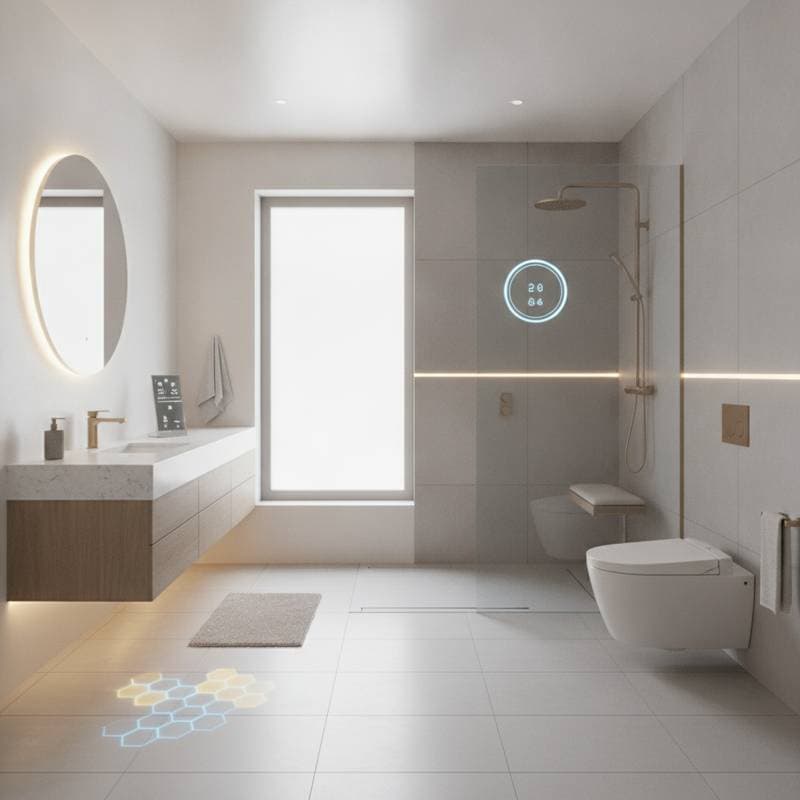
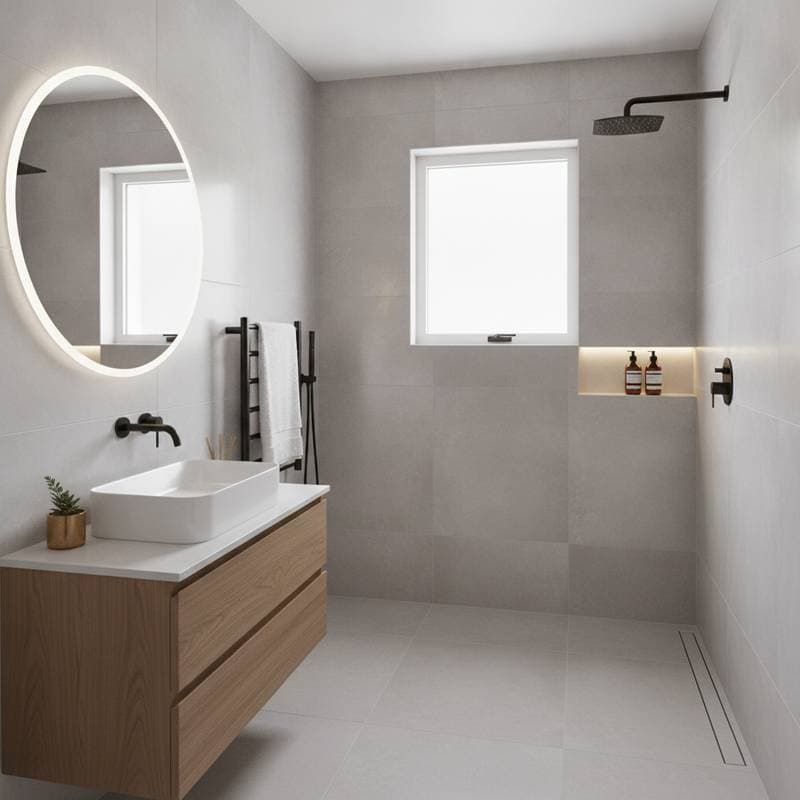
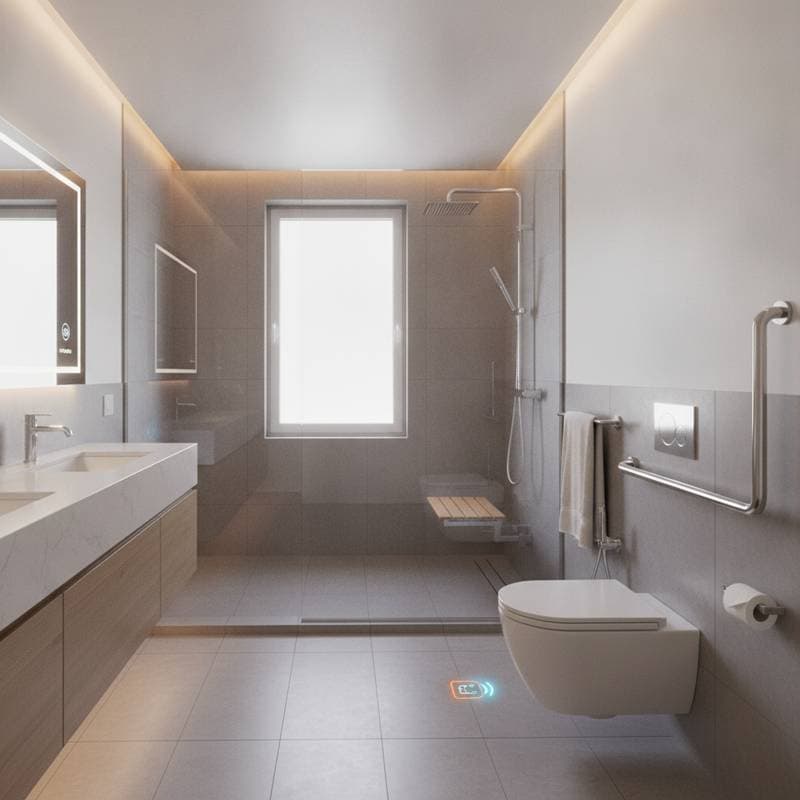
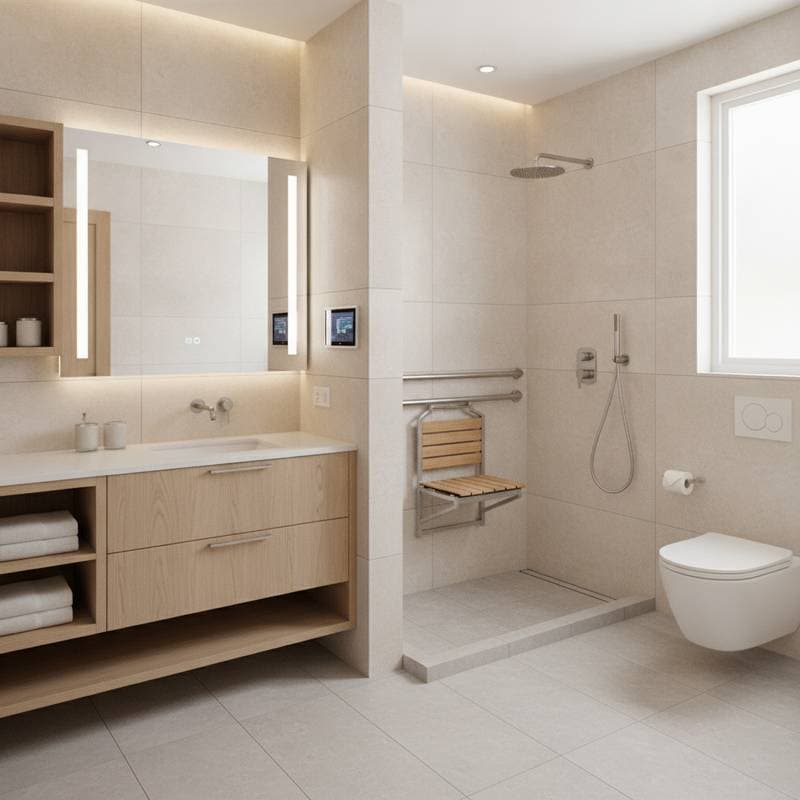
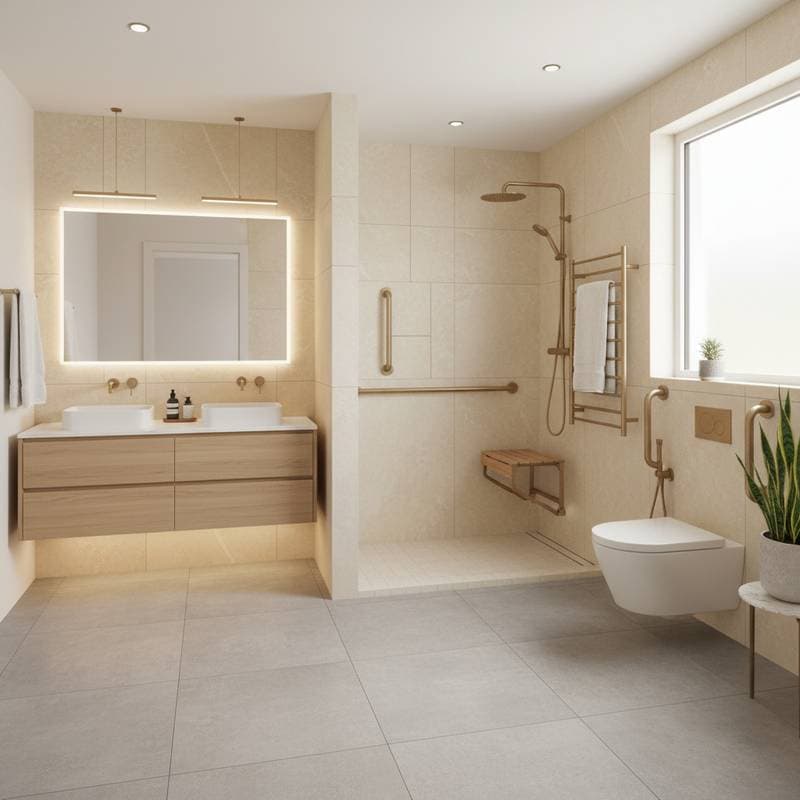
Transition to a walk-in shower by eliminating curbs, creating a seamless floor transition. Incorporate a fold-down seat and multiple shower options, such as rain heads and wands, mounted on adjustable rails. Professional installation typically ranges from $5,000 to $10,000, factoring in waterproofing membranes and custom drains. Such setups reduce strain and prevent accidents, offering spa-like relaxation. -
Supportive Fixtures and Hardware
Select grab bars with knurled grips in finishes that complement your decor, such as brushed nickel or oil-rubbed bronze. Position them strategically: one near the commode at 33 to 36 inches high, others flanking bathing areas. Individual bars cost $50 to $150, with installation fees of $250 to $400 per group. Reinforce walls with blocking during framing for secure anchoring. -
Strategic Lighting Layers
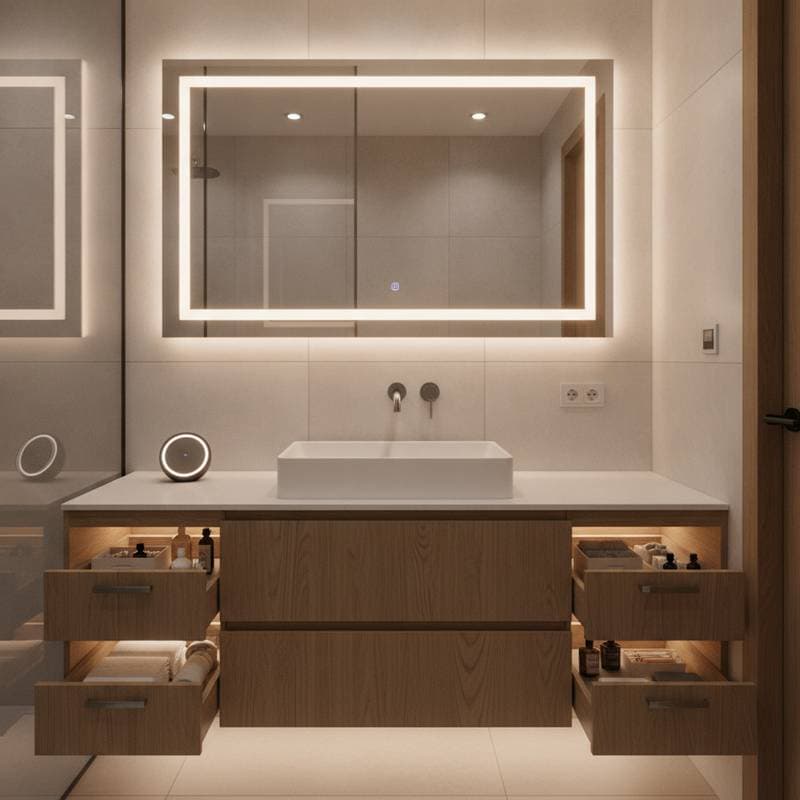
Illuminate tasks effectively with a combination of ambient, task, and accent lights. Install sconces at mirror height for shadow-free grooming, and under-cabinet strips for counters. Integrate sensors for low-light paths, activating automatically at night. Dimmable LEDs, lasting up to 50,000 hours, provide versatility and cut energy use by 75 percent compared to incandescents. -
Durable, Grippy Flooring Options
Choose materials with a high coefficient of friction, like porcelain tiles rated for wet areas or luxury vinyl planks with embossed textures. Steer clear of polished surfaces; instead, select matte finishes that conceal water spots. Budget $12 to $25 per square foot for premium selections, including labor. Heated floors add warmth, improving circulation during cooler months.
Engaging Professionals for Optimal Results
Certain enhancements demand skilled intervention to uphold safety standards. Electrical updates, such as adding ground-fault circuit interrupters, require certified electricians. Plumbing reroutes for relocated fixtures necessitate plumbers versed in code-compliant venting.
Seek out a Certified Aging-in-Place Specialist (CAPS) through organizations like the National Association of Home Builders. These experts audit your space, recommend compliant solutions, and coordinate trades. Their involvement safeguards against oversights, ensuring the remodel withstands daily wear.
Weighing Costs Against Long-Term Benefits
Entry-level updates, like swapping knobs for levers or adding night lights, start at $2,000 to $5,000. Comprehensive overhauls, incorporating custom vanities and heated elements, may total $20,000 to $30,000. Factor in material quality: Durable choices, though pricier initially, lower maintenance over decades.
The investment yields dividends in health and property value. Accessible bathrooms appeal to 90 percent of buyers seeking move-in-ready homes, potentially increasing resale by 5 to 10 percent. Insurance providers often offer discounts for fall-prevention features, offsetting premiums.
Implementing Changes Step by Step
If finances limit a complete overhaul, phase improvements strategically. First, address high-impact areas: Install grab bars and upgrade lighting within a weekend. Next, tackle flooring and entry modifications during off-peak seasons for better contractor availability.
Track progress with a checklist, noting each feature's contribution to overall functionality. Consult user feedback from family members to refine choices. Gradual implementation allows testing and adjustments, building toward a fully optimized space.
Securing Comfort and Confidence for the Future
Universal design equips bathrooms to support evolving lifestyles, from vibrant family hubs to serene personal retreats. These intentional upgrades preserve dignity and joy in everyday rituals. Invest in this vision today to savor independence tomorrow, creating a home that truly endures.