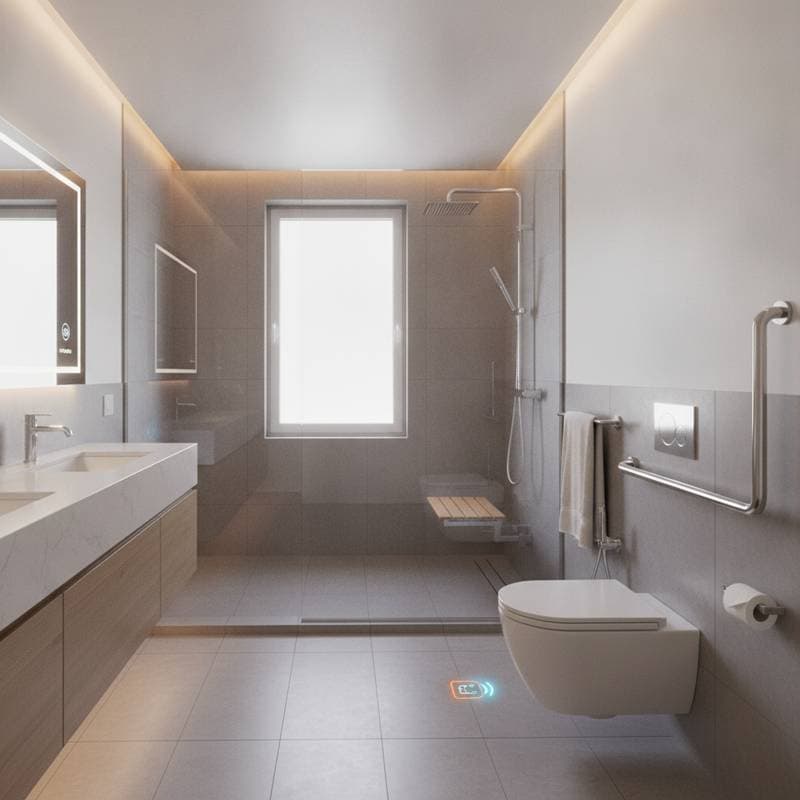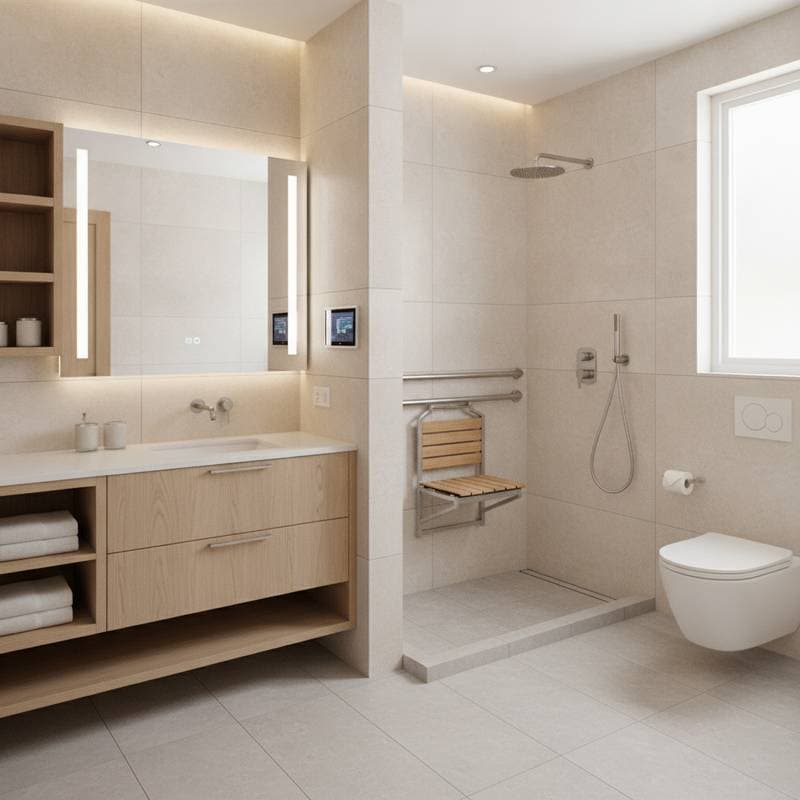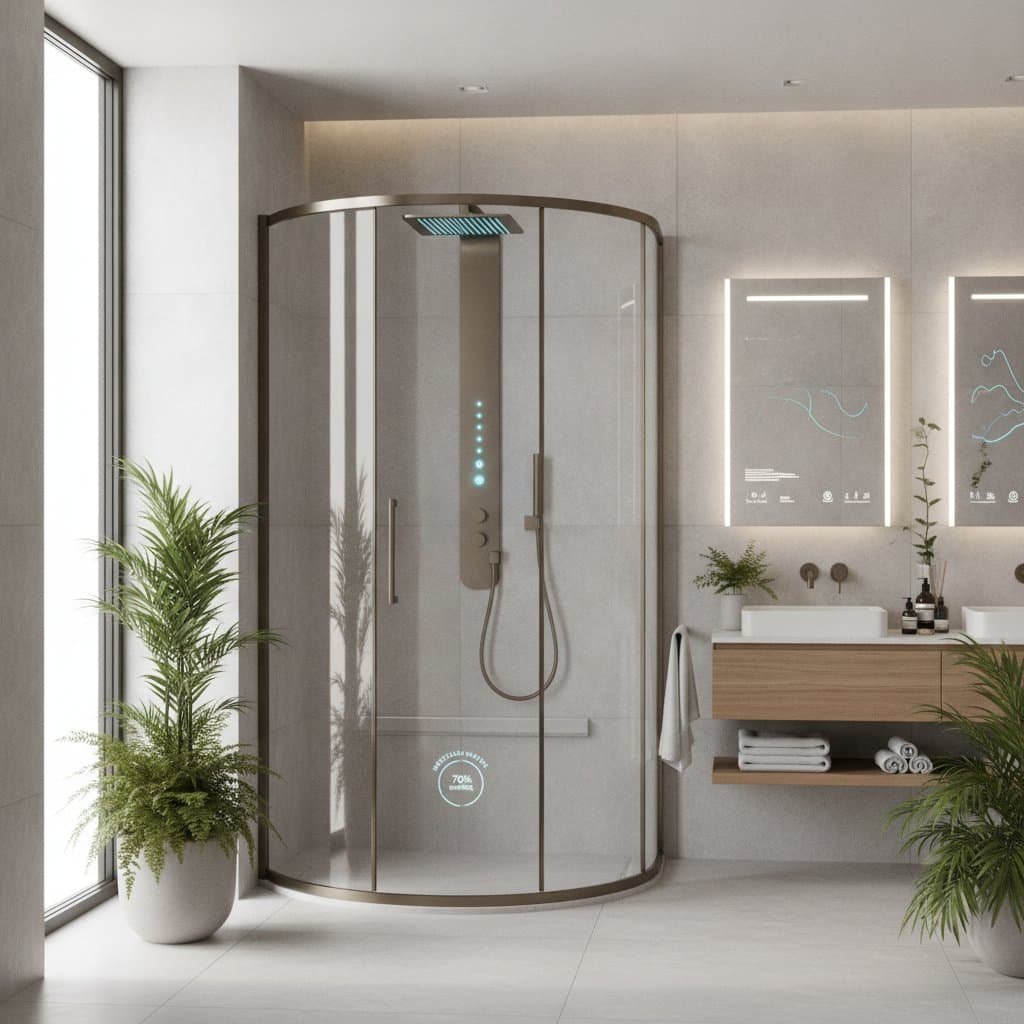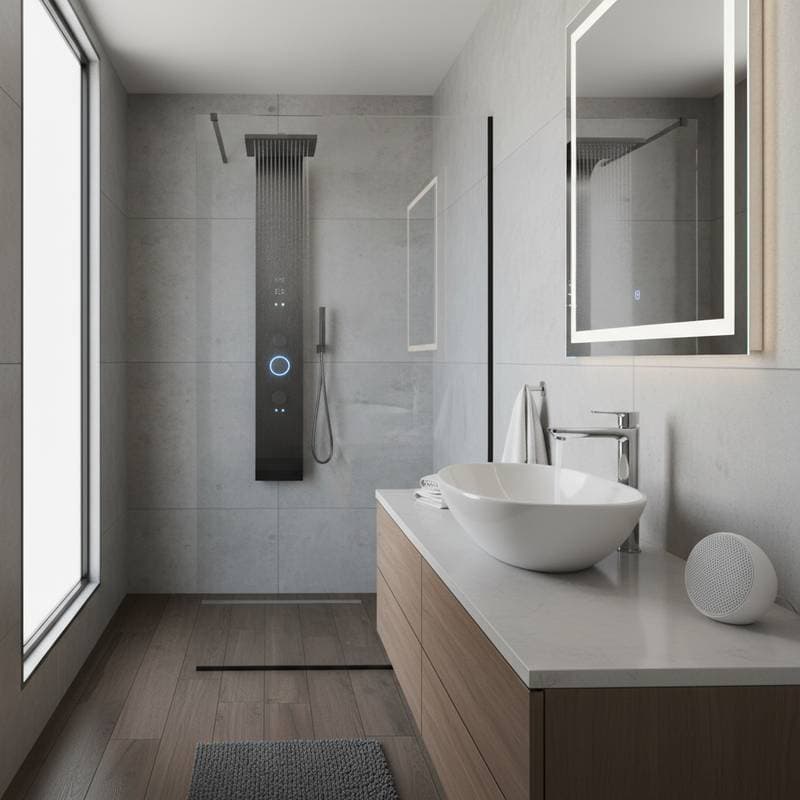
Why Voice Showers and Touchless Faucets Have Entered Everyday Homes
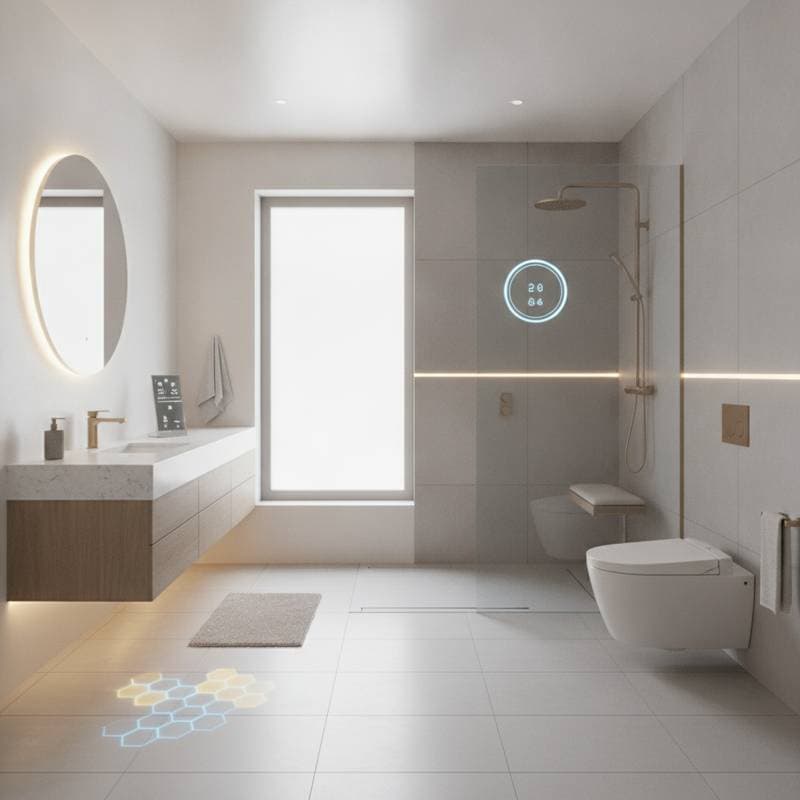
You step into the bathroom and speak a command. The shower begins at the exact temperature you prefer. A faucet detects motion and releases water without contact. These capabilities have moved from concept to common upgrades in many residences.
Homeowners now evaluate whether such fixtures justify the expense. Questions center on daily convenience, reduced germ transmission, and measurable water savings. The sections below explain the technologies, costs, and decision factors.
Drivers Behind Smarter Bathroom Fixtures
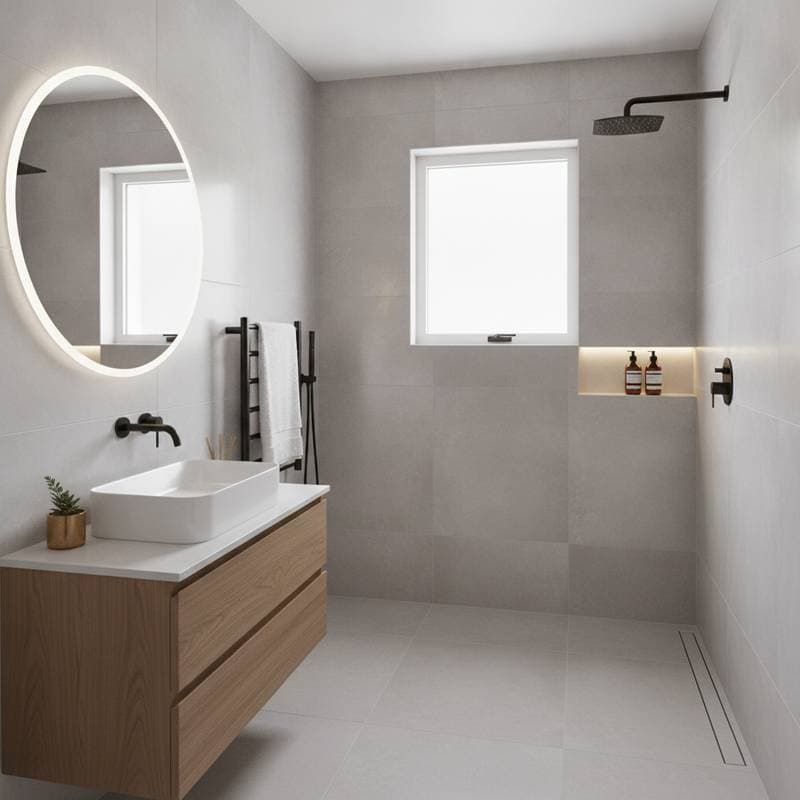
Bathrooms function increasingly as personalized spaces rather than purely utilitarian rooms. Practical needs fuel adoption. Residents seek quicker routines, fewer surfaces to clean, and lower utility consumption.
Touchless faucets remove the requirement to grasp handles while hands remain wet or soapy. They limit germ transfer and restrict flow duration. Voice controlled showers accept spoken instructions for temperature and duration. Users obtain repeatable settings and reduced warm up waste.
Technical Operation of Each System
Voice Activated Showers
These units integrate with existing smart home platforms. A control valve receives commands and modulates water delivery according to stored profiles. Typical functions include temperature adjustment by single degree increments, pressure selection, user specific presets, and automatic shutoff timers.
Installation combines plumbing and electrical work. Total expense for equipment and labor ranges from 1200 to 3500 dollars depending on selected features and site conditions.
Touchless Faucets
Infrared or capacitive sensors detect hand presence and initiate flow. Water stops once the hands leave the detection zone. Power arrives through batteries or a hardwired connection. Flow rates stay at or below 1.5 gallons per minute to meet efficiency standards.
Entry level models suitable for self installation begin near 150 dollars. Higher end units with premium finishes and professional installation fall between 400 and 900 dollars.
Reasons Owners Choose These Upgrades
Improved Hygiene Standards
Fewer contact points reduce surface contamination. Households that include children or individuals with mobility limitations gain easier access and lower infection risk.
Reduced Water Consumption
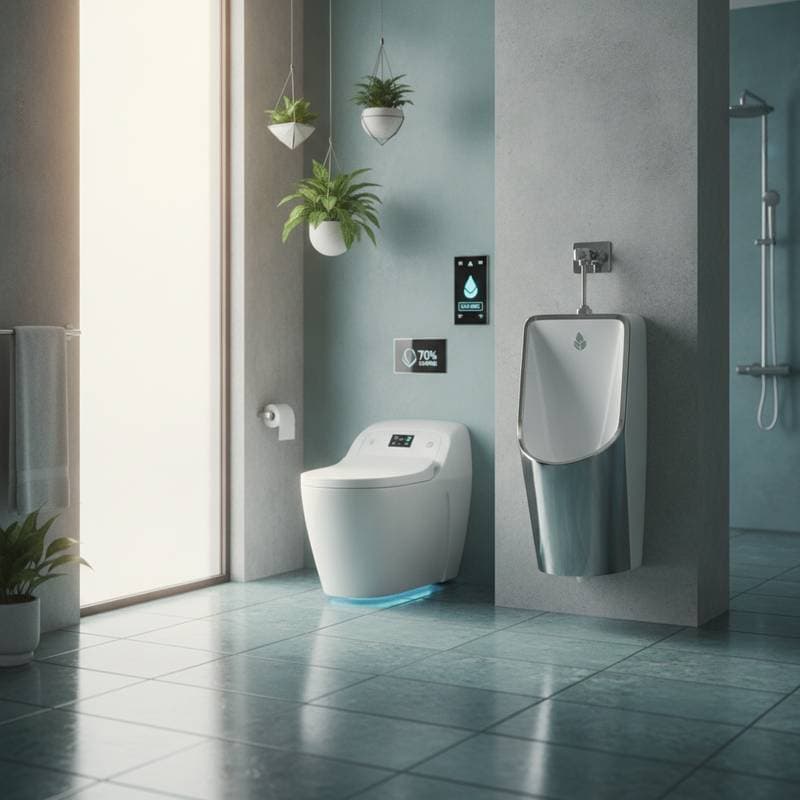
Automatic shutoff prevents excess run time. Precise voice settings shorten warm up periods. Many users observe lower monthly water charges after conversion.
Reliable Temperature and Flow
Stored preferences eliminate repeated manual adjustments. Remote activation through a phone application allows the shower to reach temperature before entry, which proves useful during colder weather.
Updated Appearance and Market Position
Connected fixtures serve as visible differentiators during property sales. Prospective buyers increasingly expect integrated systems. The addition refreshes the room appearance without altering layout.
Evaluation Points Prior to Purchase
Verify that existing pipes and water heater support the required pressure and valve types. Confirm proximity of electrical supply or plan for additional wiring. Schedule periodic sensor cleaning to prevent mineral interference. Maintain a reliable wireless signal in the bathroom area. Engage licensed tradespeople for any work that involves both plumbing and electrical connections.
Budget Categories
- Entry level: Battery operated touchless faucets under 200 dollars with basic installation.
- Intermediate: Enhanced finish faucets paired with starter voice shower components, totaling 1500 to 2500 dollars.
- High end: Complete digital valve systems with full voice integration and designer hardware, budgeted from 3000 dollars upward.
Obtain separate quotes from plumbing and electrical contractors before final selection.
Compliance and Installation Safety
All electrical components must carry recognized safety listings. Local codes may mandate permits for wiring changes. A qualified plumber can inspect completed work for leaks and proper grounding.
Ongoing Advantages
Lower water and energy use accumulate over years. Reduced handling extends finish life. Software updates can add features after installation. Owners who anticipate several years of residency typically realize both comfort gains and cost recovery.
First Steps Toward Implementation
Begin with a single touchless faucet to test sensor performance. Assess results before expanding to a full voice shower. Select manufacturers that provide clear warranty terms and accessible support channels. Thoughtful selection turns these fixtures into durable improvements that simplify routines while supporting efficiency goals.