Why Wet Rooms Are Replacing Traditional Bathrooms in 2026
The bathroom has always been a sanctuary of privacy, reflection, and ritual. Its design language continues to evolve. Across residential and hospitality projects, wet rooms are redefining what it means to bathe, cleanse, and unwind. This shift integrates form, function, and feeling without relying on novelty.
The Allure of Open Space
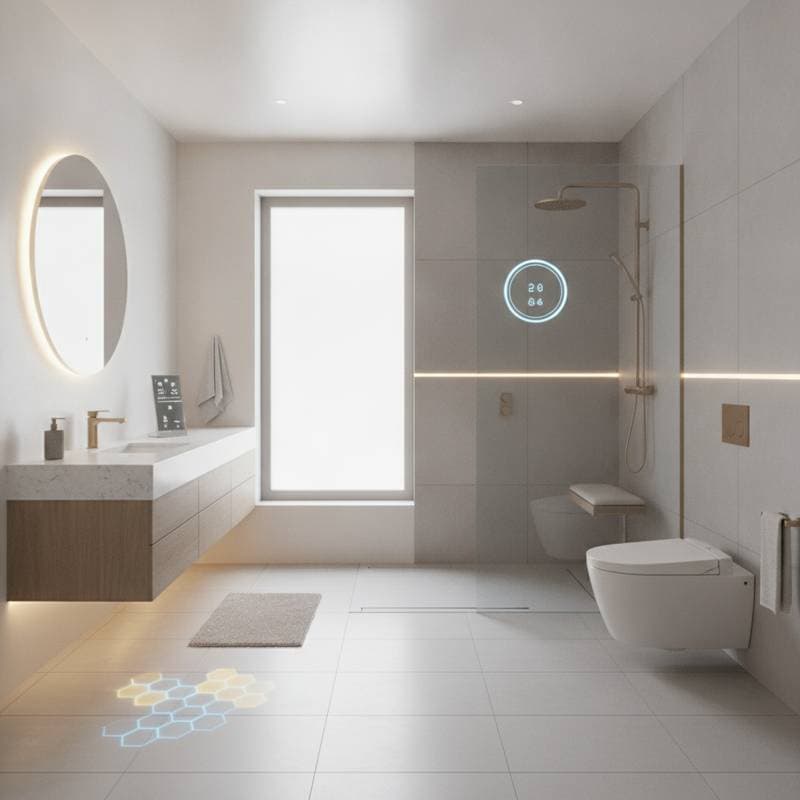
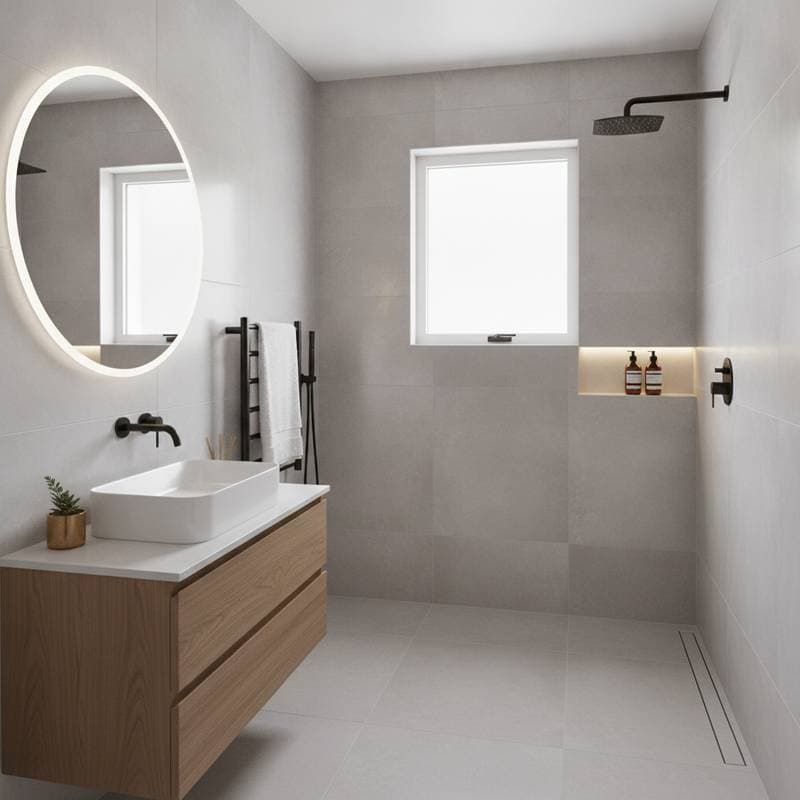
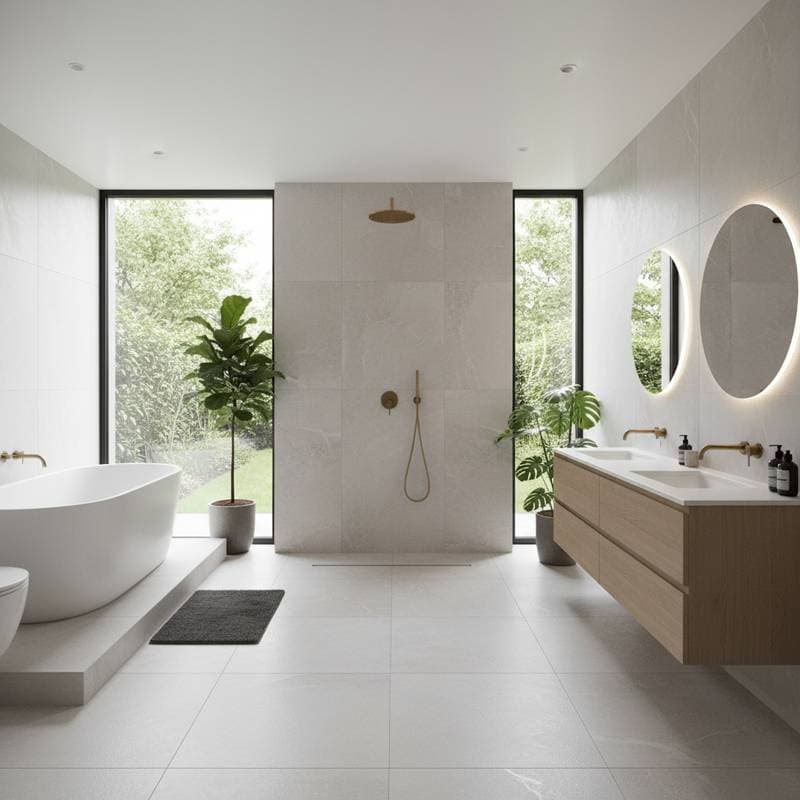
Traditional bathrooms separate the shower, tub, and vanity into distinct zones. Wet rooms remove these divisions. Continuous surfaces of porcelain, stone, or microcement create visual calm and a sense of spatial generosity.
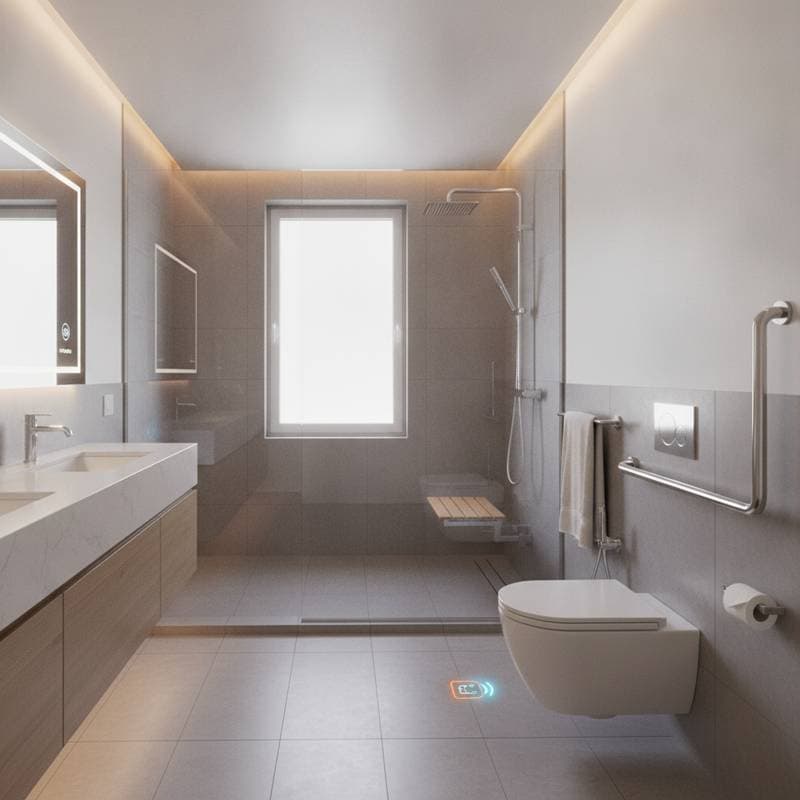
Architect Laura McAllister of Studio LMA used large-format porcelain tiles in soft Graphite Gray with a linear drain in a recent London townhouse renovation. The seamless floor improves accessibility and amplifies natural light.
The Rise of Curbless Design
Curbless showers form the core of wet room layouts. Precise floor gradients and expert waterproofing eliminate thresholds while maintaining proper drainage. The result feels natural and expansive.
Contractor James Ortega stresses the need for millimeter-level accuracy in subfloor preparation. Integrated systems beneath terrazzo or limestone ensure long-term performance and reduce visual clutter in smaller spaces.
Material Mastery and Texture Play
Wet rooms encourage durable yet tactile finishes. Polished plaster, terrazzo, and porcelain slabs resist water while creating cohesive surfaces. Subtle texture shifts bring surfaces to life as water moves across them.
Interior designer Sophie Langford pairs Venetian plaster with brushed nickel fixtures and honed basalt floors. These selections produce a sensorial environment that balances durability with quiet elegance.
Seamless Waterproofing and Hidden Engineering
Effective wet rooms rely on layered protection. Liquid membranes, vapor barriers, and concealed drains prevent moisture issues while preserving an open appearance. This invisible craftsmanship supports the clean aesthetic.
Light, Reflection, and Atmosphere
Open layouts allow light to travel freely. Skylights and perimeter LED lighting accentuate continuous surfaces. In one coastal project, pale microcement walls captured seaside light and created gentle movement across the floor.
Wellness and Everyday Ritual
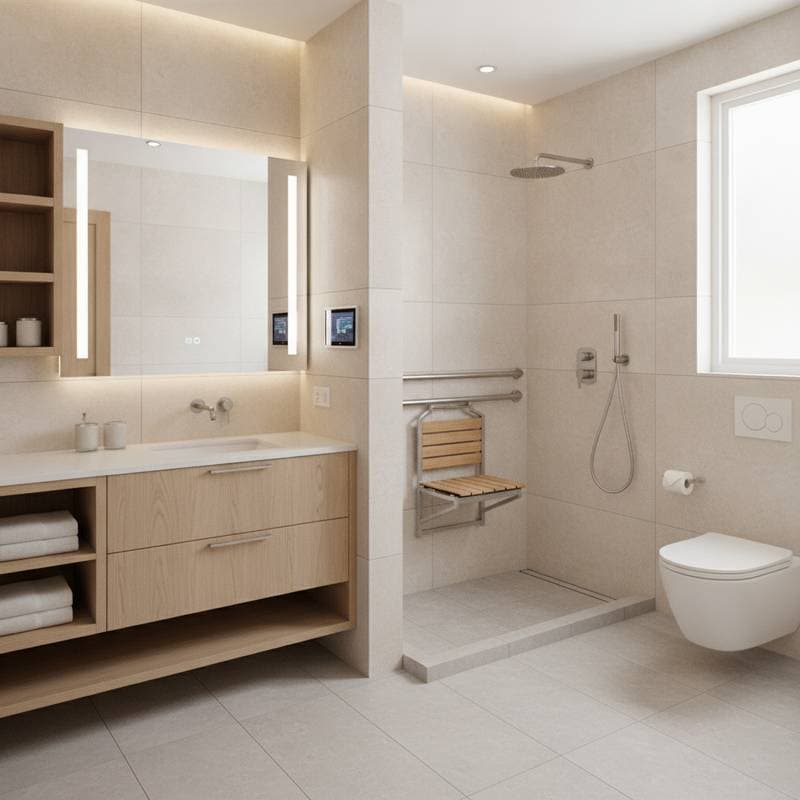
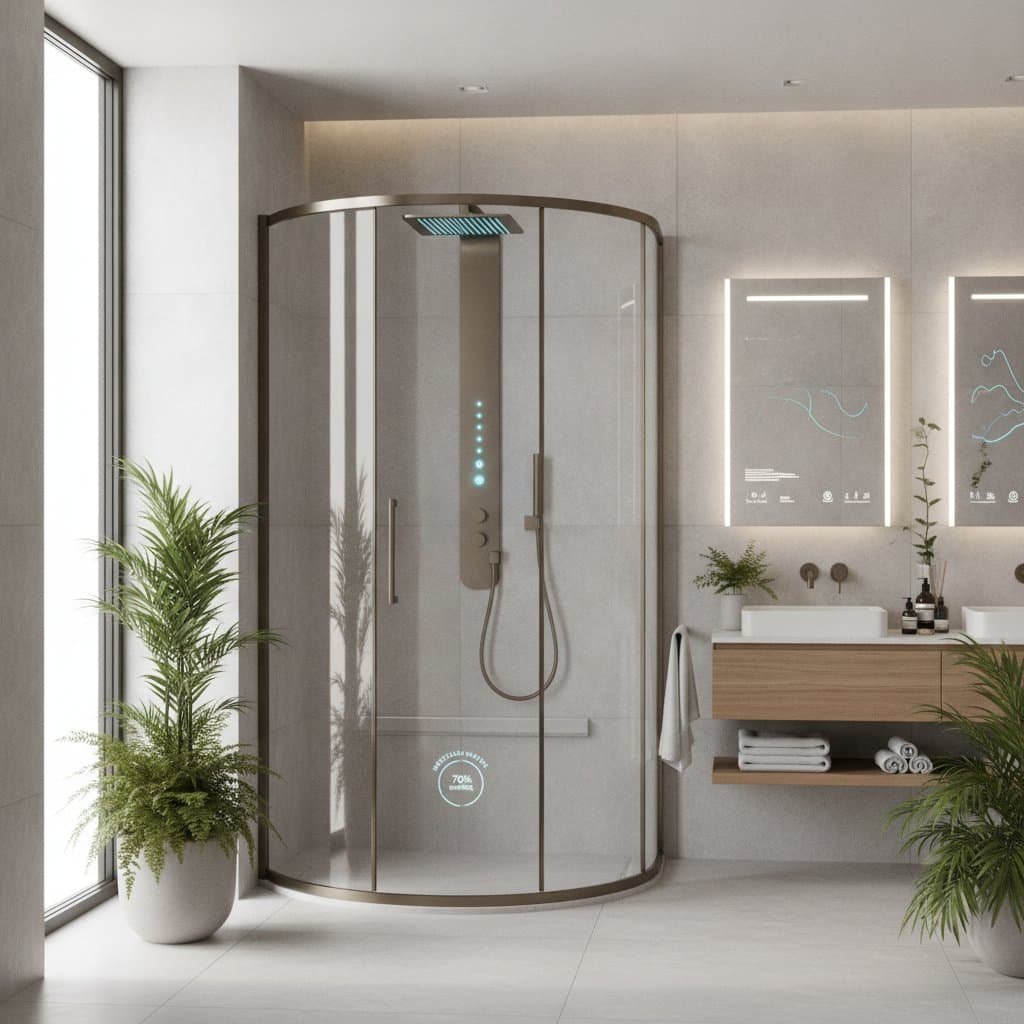
Wet rooms support mindful bathing routines. Rainfall showers, built-in benches, and steam features turn daily hygiene into a deliberate experience. Materials such as cedar and natural stone enhance comfort without visual complexity.
Sustainability and Longevity
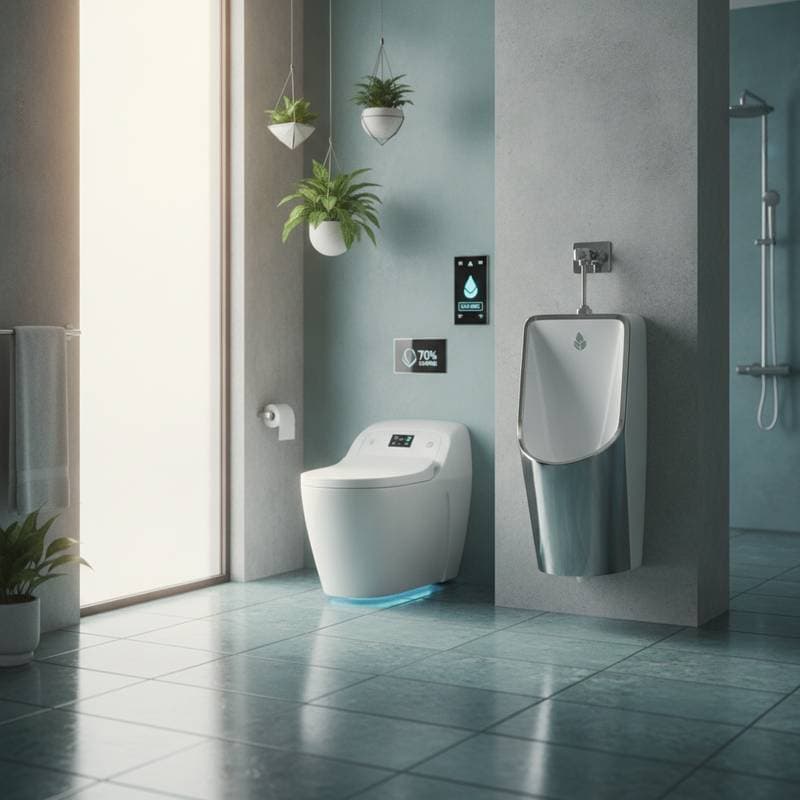
Minimal fittings and continuous surfaces reduce maintenance needs. Fewer grout lines limit mold growth. Recycled porcelain and water-efficient fixtures from established manufacturers align with environmentally conscious choices.
Universal Design and Accessibility
Curbless floors improve safety for all users. Thoughtful gradients, slip-resistant materials, and intuitive controls maintain aesthetic appeal while supporting accessibility. Grab rails and benches integrate discreetly.
Minimal Maintenance, Maximum Impact
Fewer barriers and continuous surfaces simplify cleaning. A squeegee and ventilation often suffice for upkeep. This practicality appeals to homeowners who value both efficiency and a spa-like setting.
The New Language of Luxury
Luxury now emphasizes restraint and material honesty. Wet rooms deliver calm through purity of line rather than ornamentation. Every detail contributes to a sense of inevitability within the architecture.
Planning Your Wet Room Project
Assess drainage requirements and waterproofing systems early. Select materials that balance durability with texture. Consult professionals experienced in curbless construction to achieve both function and serenity.