Bathrooms That Age Gracefully: Universal Design Principles for 2026
Imagine entering your bathroom each morning with ease and confidence. The lighting provides clear visibility without harsh glare. The shower offers seamless access without barriers. The flooring maintains secure footing even after use. Such a design delivers immediate functionality and enduring reliability.
Homeowners often consider bathroom modifications for future accessibility only after an incident occurs. Proactive planning avoids such risks. A universal design bathroom serves individuals at all mobility levels, promoting comfort, safety, and autonomy throughout life. Contemporary approaches integrate these features with sophisticated materials, ensuring the space aligns with modern aesthetics.
This guide explains universal design applications for bathrooms. It covers planning strategies tailored to personal needs, along with insights into costs, layouts, and implementation. Whether preparing for long-term residency or seeking versatile comfort, these principles enable a bathroom that adjusts effortlessly to changing circumstances.
Planning a Bathroom That Adapts Over Time
Evaluate your current bathroom routines and anticipate future adjustments before selecting materials or appliances. Consider these key questions:
- Does the shower permit straightforward entry and exit?
- Do wet surfaces pose slipping hazards?
- Is illumination sufficient for precise activities such as grooming?
- Would the sink or toilet accommodate reduced reach or height?
These inquiries reveal priorities for your project. Focus the renovation on addressing those concerns.
Essential elements of a universal bathroom layout include:
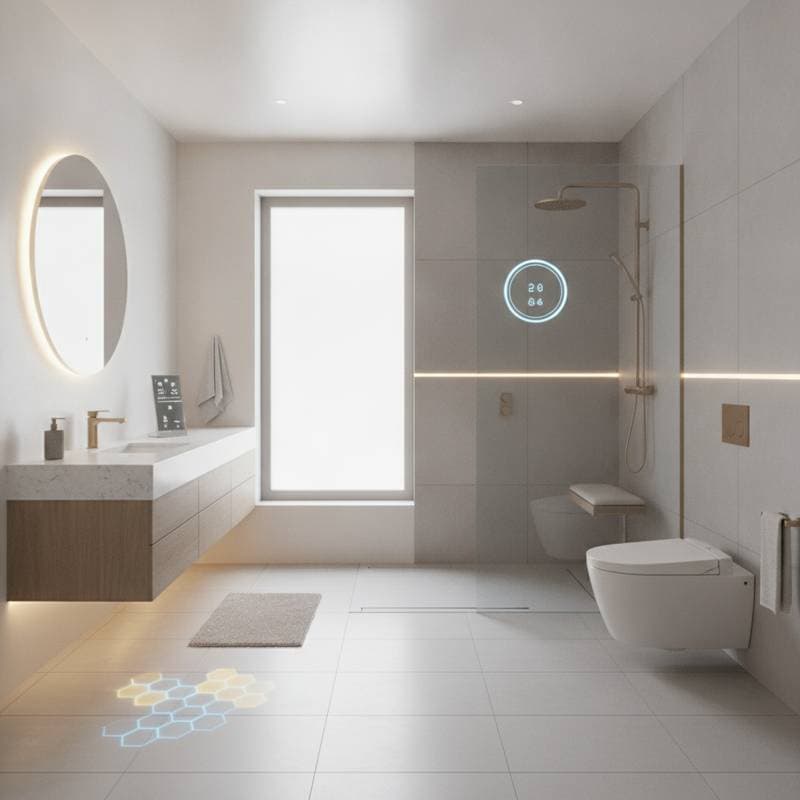
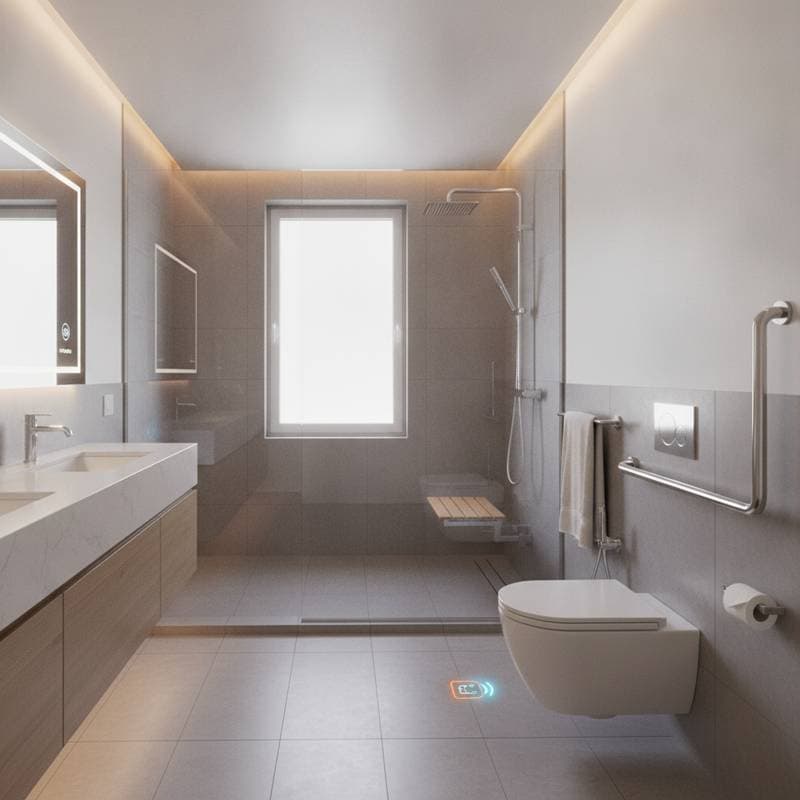
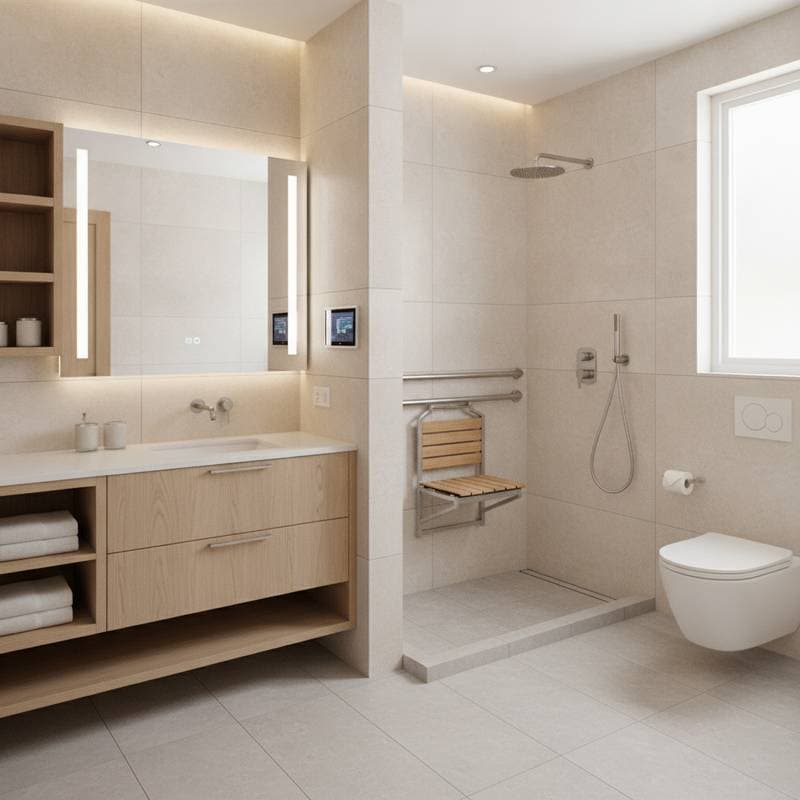
- Curbless or low-threshold shower: This facilitates level-floor entry, eliminating steps that could cause trips.
- Wide doorway: Aim for a minimum of 32 inches to support wheelchair access or simple movement.
- Reinforced walls or grab bars: Install near bathing and toilet areas to allow secure support now or later.
- Lever handles: Opt for these on faucets and doors to reduce gripping effort compared to traditional knobs.
- Versatile shower components: Select adjustable-height heads with handheld options for varied user preferences.
- Layered lighting: Incorporate task-specific and general illumination with independent switches.
- Textured flooring: Choose materials with inherent grip to prevent falls in damp conditions.
These features foster an expansive, secure environment that simplifies daily use.
Cost Breakdown and Budget Strategies
Expenses for universal design bathrooms depend on project scope and material quality. The following estimates provide a starting point:
- Basic enhancements: $1,000 to $3,000. Tackle straightforward tasks such as faucet replacements, grab bar additions, or lighting upgrades independently.
- Comprehensive renovation: $8,000 to $20,000. This encompasses shower reconfiguration, new flooring, elevated toilets, enhanced illumination, and vanity modifications.
- Luxury transformation: $25,000 to $40,000 or higher. Include bespoke tiling, seamless shower integration, structural reinforcements, and premium appliances.
Allocate an additional 10 to 15 percent for potential surprises, such as plumbing repairs in established homes.
View these upgrades as protective measures for aging in place. They minimize accident potential, simplify upkeep, and enhance property value for accessibility-conscious buyers.
Integrating Style with Universal Functionality
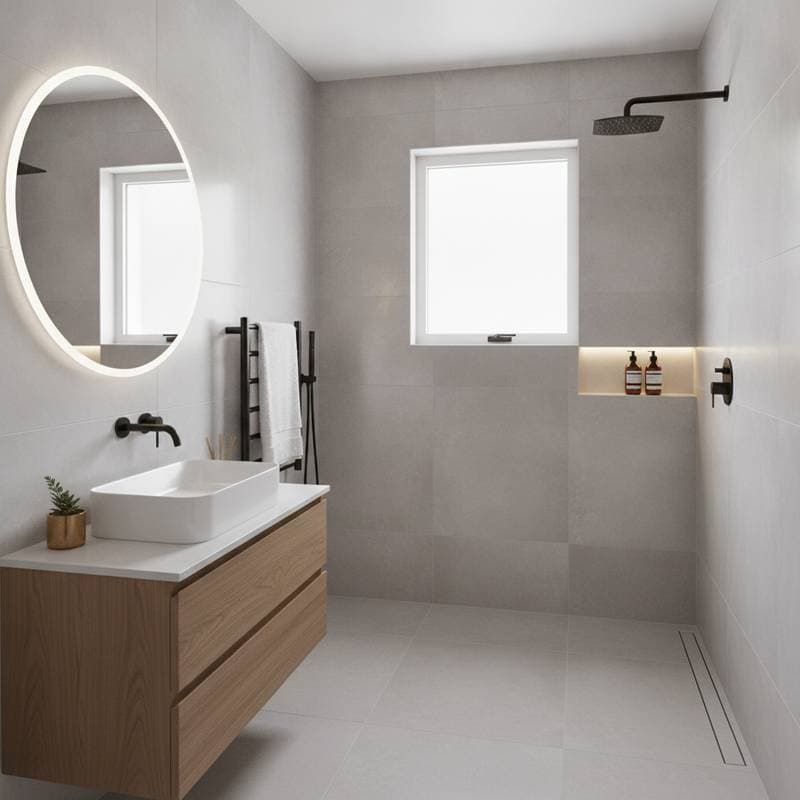
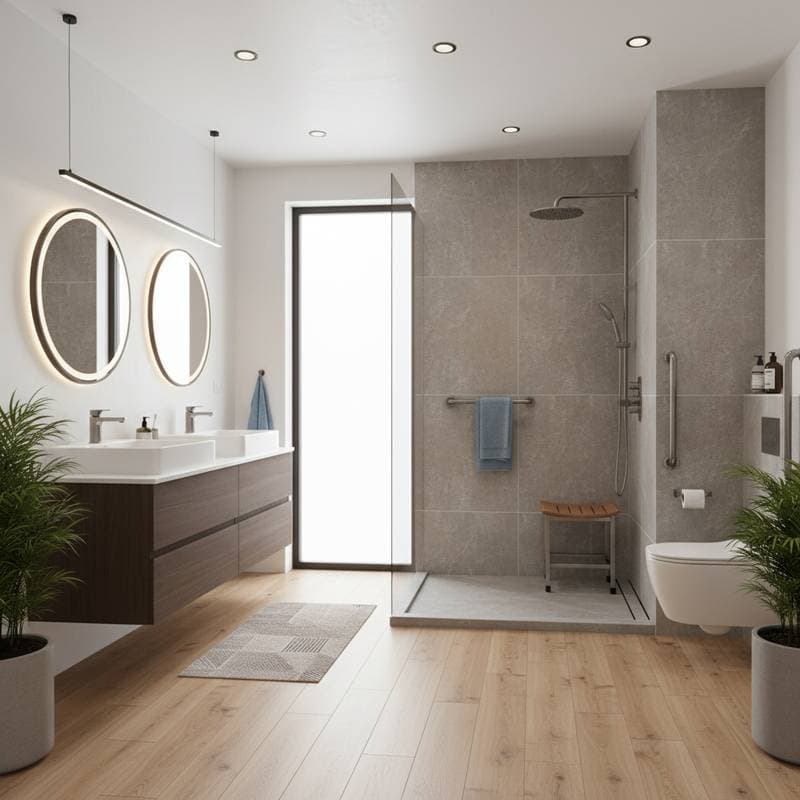
Practicality need not compromise visual appeal. Universal bathrooms can rival high-end interiors through thoughtful material selections. Durable yet warm options, such as matte fixtures in black or nickel alongside neutral tiles and wood-inspired floors, create inviting atmospheres.
Consider these harmonious style approaches:
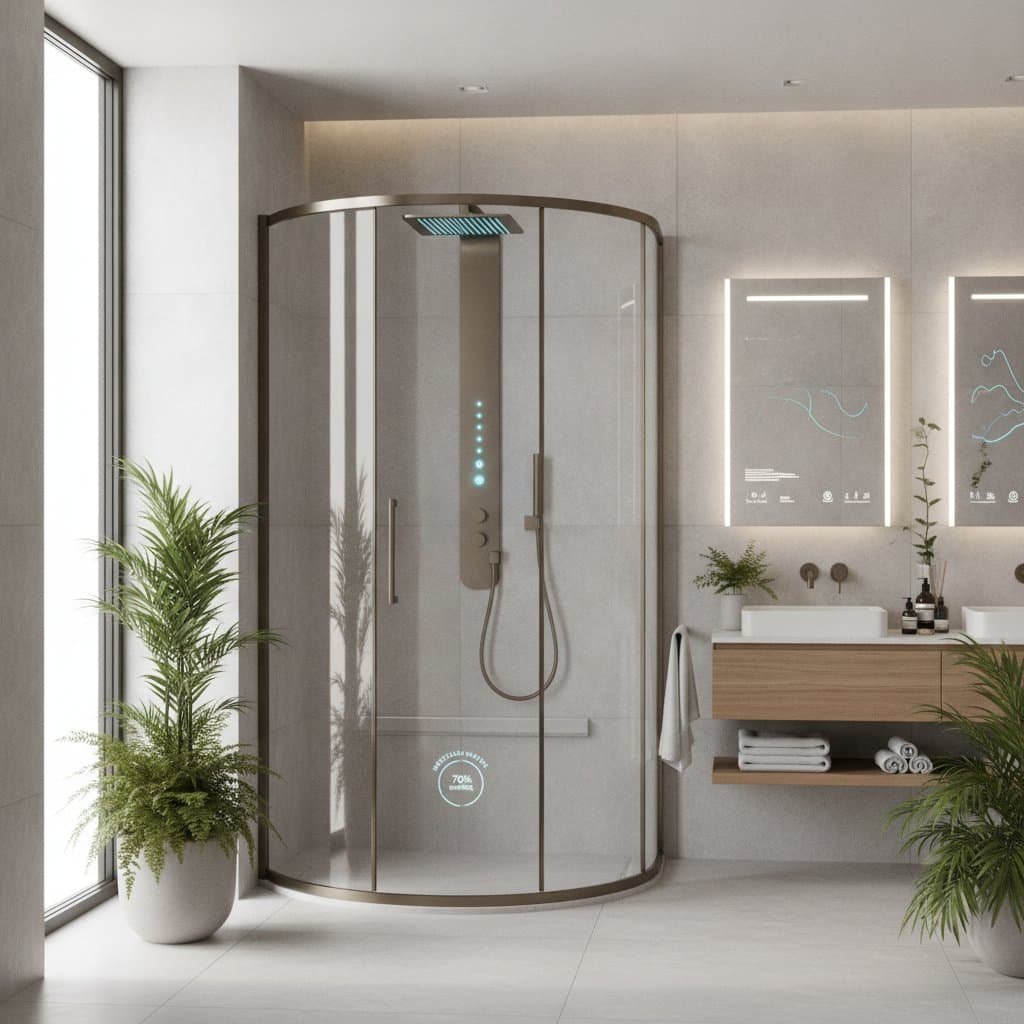
- Spa-like serenity: Employ oversized porcelain tiles, transparent enclosures, and seated shower niches for relaxation.
- Timeless elegance: Pair crisp subway tiles with polished metal supports and warm wood cabinetry.
- Sleek contemporary: Feature wall-mounted sinks, embedded lights, and streamlined drainage systems.
Seamless incorporation of safety elements ensures unity. When functional aspects enhance the overall design, the room avoids a utilitarian appearance.
Implementing Your Universal Bathroom Design
Take these structured actions to advance your project:
- Evaluate existing conditions: Document challenges in layout, access, and usability.
- Engage professionals: Seek advice from certified aging-in-place specialists or contractors familiar with accessibility standards.
- Focus on core safety: Address flooring traction, support installations, and illumination upgrades initially.
- Stage the work: Begin with accessible changes if funds are constrained, deferring major alterations.
- Balance aesthetics and care: Select low-maintenance finishes that align with your preferred look.
Although planning demands effort, the result yields daily ease and sustained self-reliance. Thoughtful selections craft a bathroom that performs as elegantly as it endures.