Future-Proof Bathrooms: Universal Design for Aging in Place
Bathroom navigation often receives little thought in younger years, yet challenges may arise later in life. Frequent visits from parents or long-term homeownership plans highlight the value of a space that accommodates varying needs. Universal design achieves this balance of comfort, safety, and aesthetics for all users, without evoking a medical environment.
Aging in place preserves independence through adaptive environments. In bathrooms, this approach merges accessibility with practical beauty and sustained worth. The following sections explain universal design applications, remodel planning for aging in place, and considerations for expenses, security, and visual appeal.
The Opportunity: A Bathroom That Adapts Over Time
Homeowners frequently address accessibility only after mobility issues emerge. Proactive integration during remodels proves more efficient, reducing future costs and upholding property value. Universal bathrooms maintain a refined, contemporary appearance comparable to high-end projects.
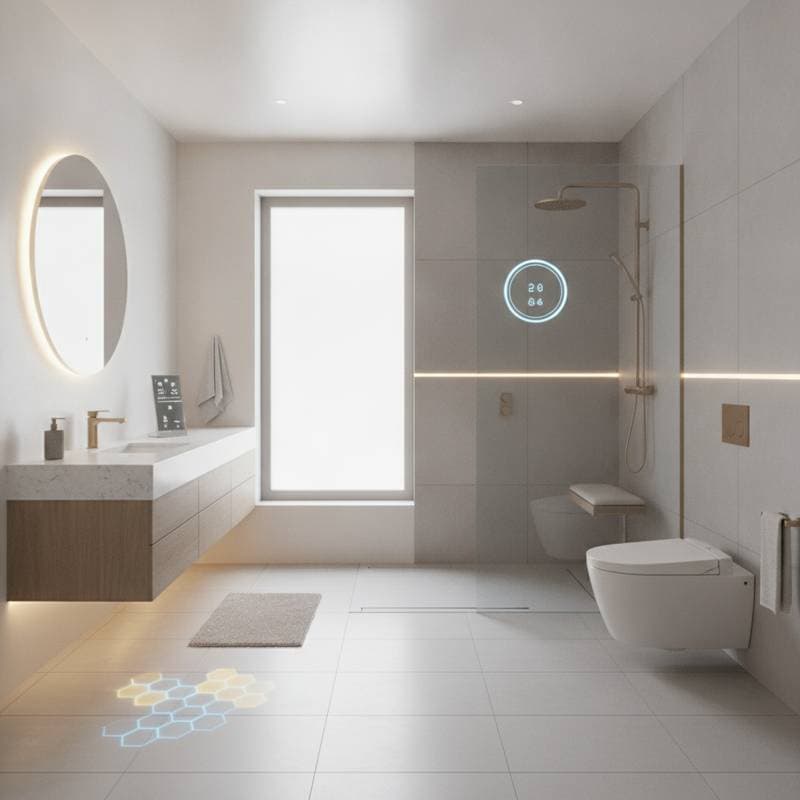
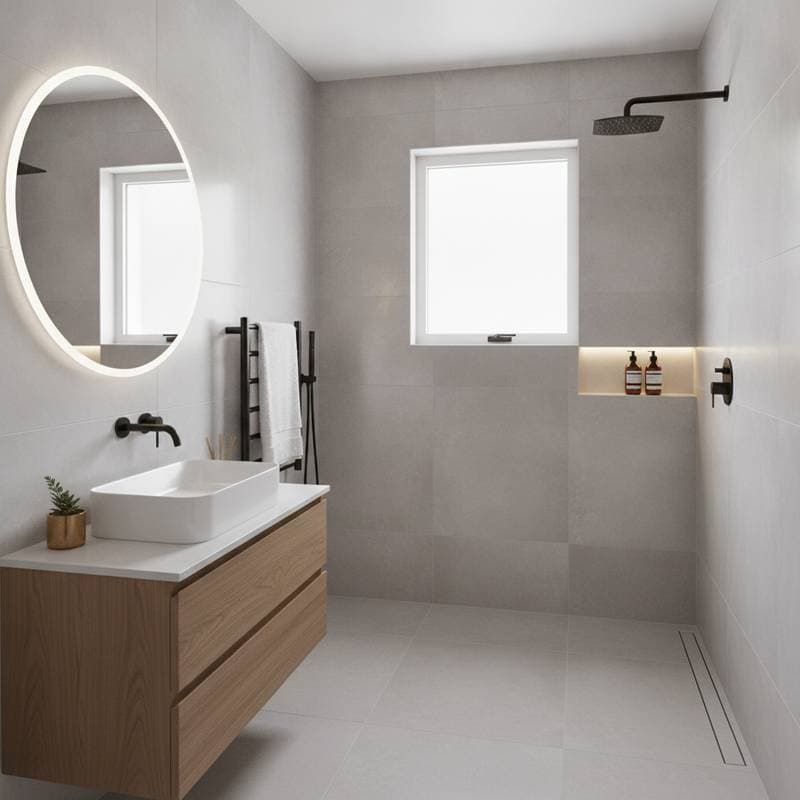
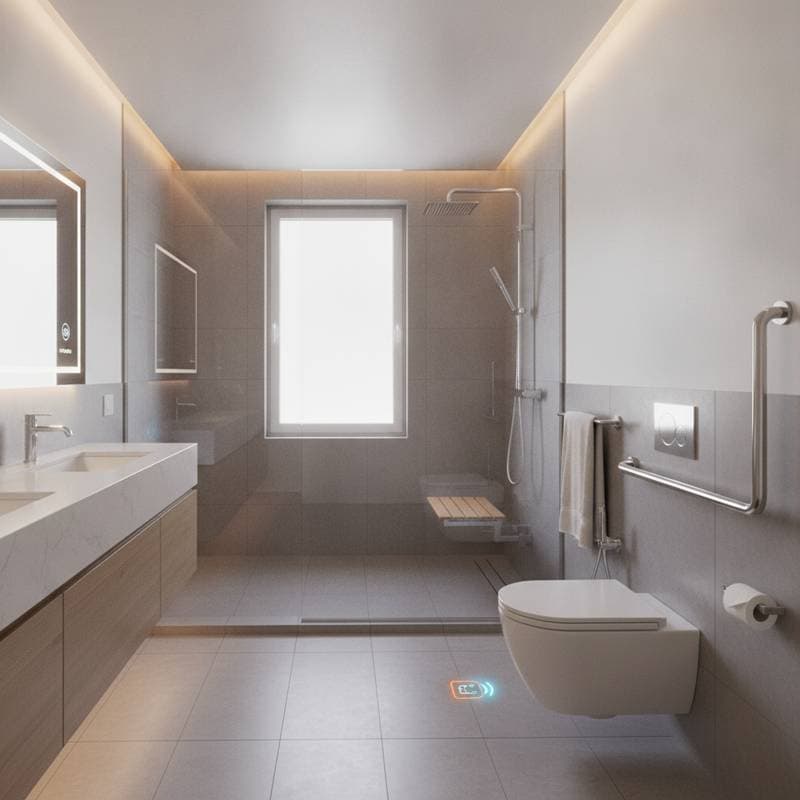
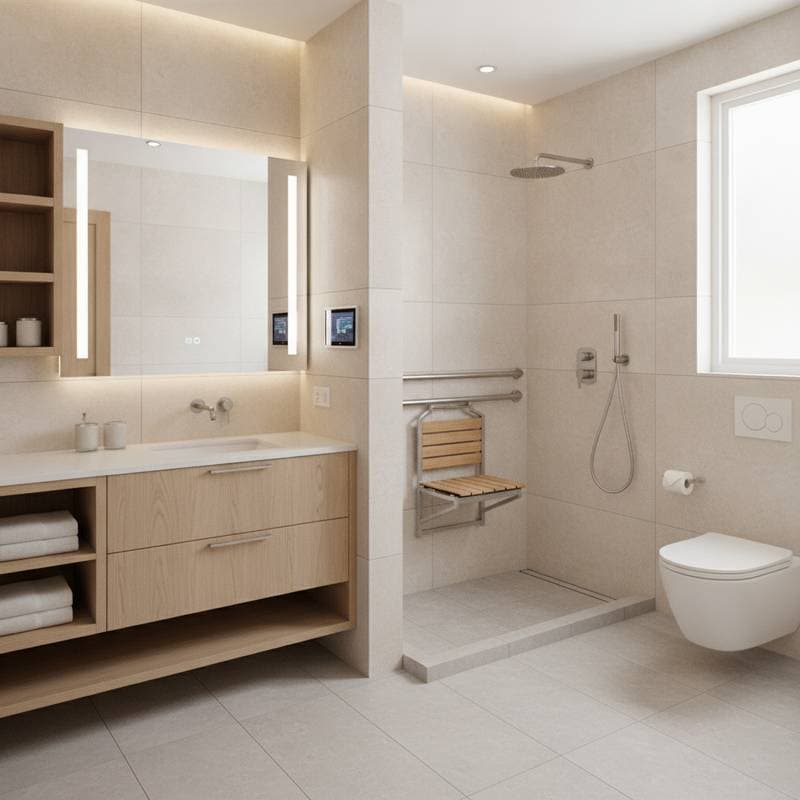
Essential elements include curbless showers with seamless tiled entries, grab bars integrated as decorative towel holders, and lever handles that enhance usability. These features blend into modern decor without drawing attention. For those committed to aging in place, the bathroom serves as the primary focus area, given its frequent use and inherent risks.
Strategic modifications mitigate slips, falls, and daily frustrations. For instance, installing a walk-in shower with a gentle slope eliminates barriers, while anti-scald valves on faucets prevent burns. Such changes foster confidence in movement and routine tasks.
Costs, Budget Levels, and Return on Investment
Universal design accommodates diverse financial plans. The outlined tiers provide guidance for decision-making.
Budget-Friendly Options ($500 to $3,000)
- Incorporate textured bath mats and adhesive-backed grab bars for immediate stability.
- Swap traditional knobs for lever-style handles on doors and cabinets to ease operation.
- Upgrade to energy-efficient LED bulbs with motion-activated sensors for better visibility.
- Apply non-slip treatments to current flooring surfaces to enhance traction.
These modifications introduce safety and ease without extensive renovations. They offer quick wins for households seeking affordability.
Mid-Range Remodel ($8,000 to $20,000)
- Transition to a curbless shower with a linear drain for barrier-free access.
- Install a comfort-height toilet at 17 to 19 inches for reduced strain during use.
- Select slip-resistant porcelain tiles with a coefficient of friction above 0.6.
- Enhance illumination with layered lighting and improved exhaust fans for humidity control.
- Secure permanent grab bars anchored to wall studs, paired with touchless faucets.
This investment level appeals to many, combining utility with design. It typically increases resale appeal by demonstrating thoughtful foresight.
Premium Remodel ($25,000 and Up)
- Reconfigure the layout to optimize circulation paths, such as widening doorways to 32 inches.
- Add radiant heated flooring with non-slip finishes for warmth and quick drying.
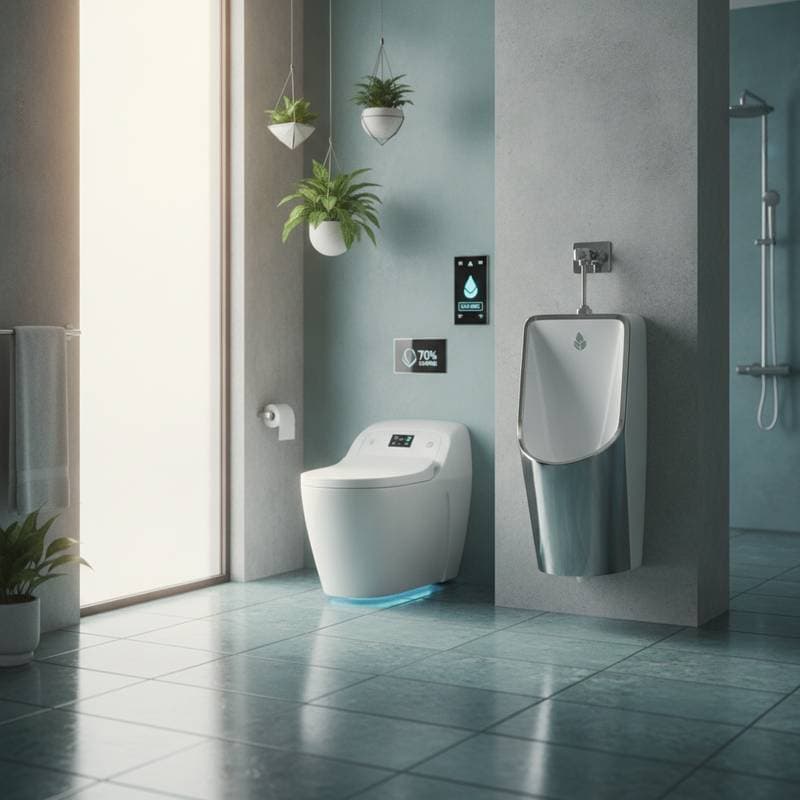
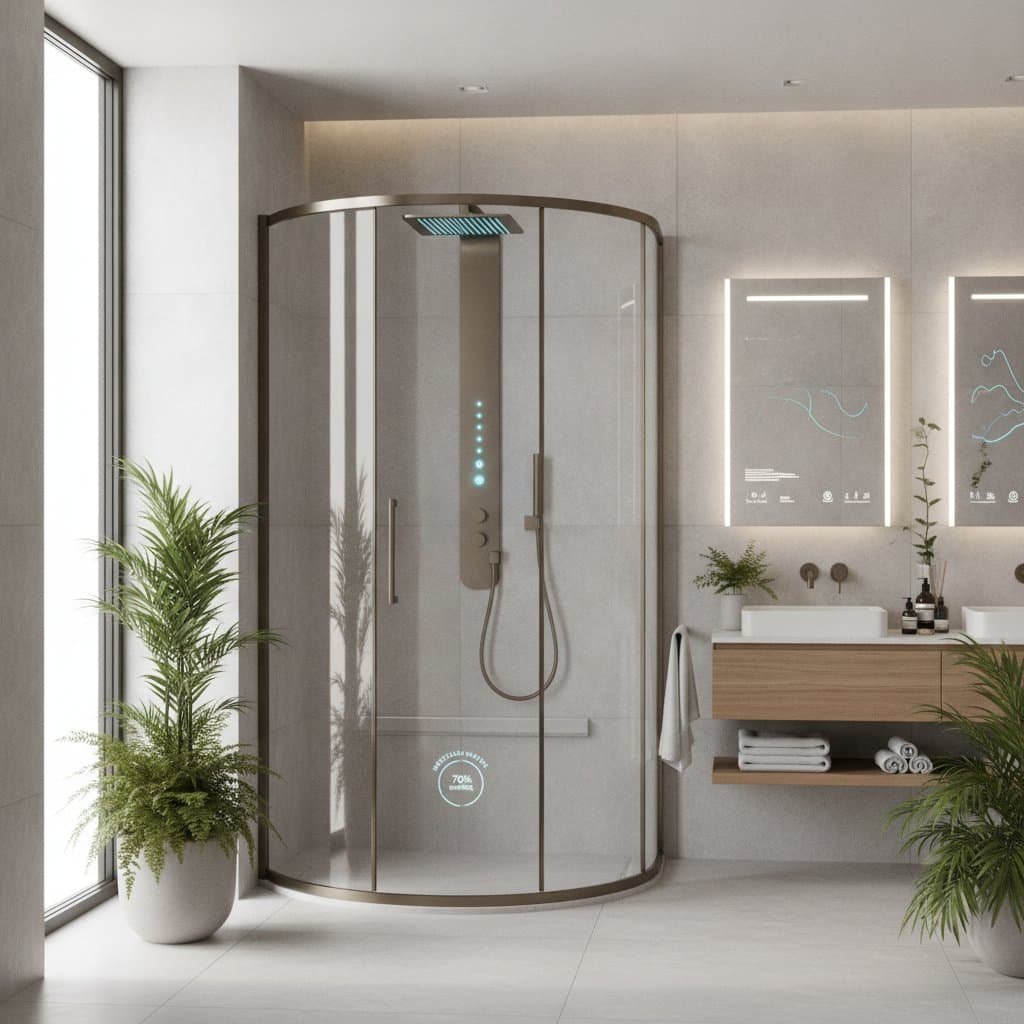
- Integrate smart fixtures featuring voice activation or sensor-based controls.
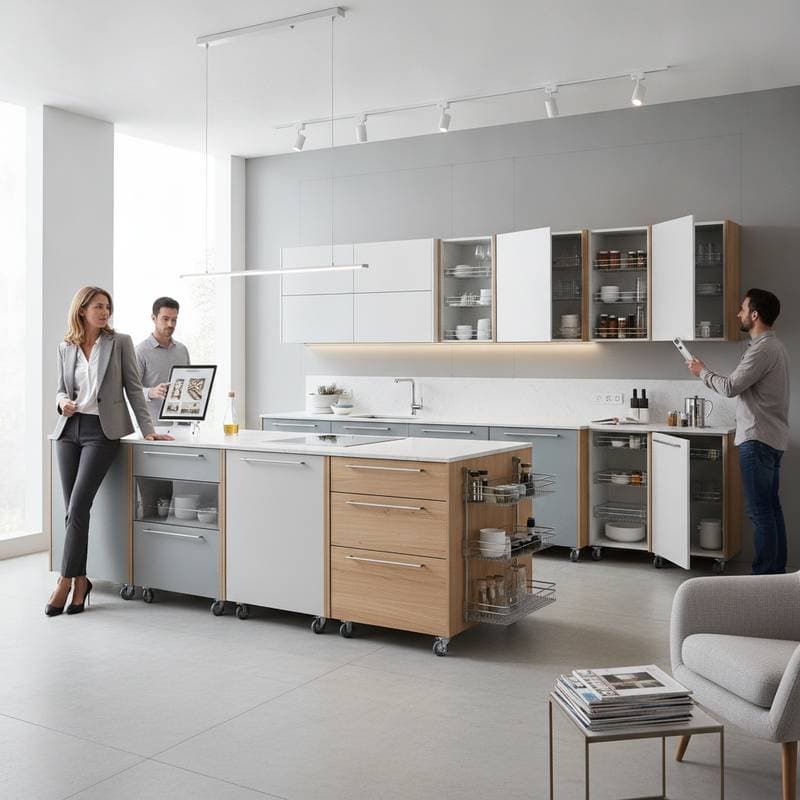
- Design custom vanities with adjustable heights and integrated storage solutions.
- Employ advanced waterproofing membranes and premium surface materials.
High-quality components ensure longevity and luxury. These projects suit permanent residences where durability matters most.
Return on Investment: Accessibility-oriented bathroom renovations recover approximately 60 to 70 percent of costs upon sale. Beyond financial returns, they minimize injury risks and extend independent living periods.
Regional Differences and Climate Considerations
Location influences selections for design and materials. Humid areas benefit from porcelain tiles or luxury vinyl plank flooring that resist mold and warping. Colder climates gain from underfloor heating systems that warm surfaces and accelerate drying times.
High-mineral water sources demand fixtures with built-in scale-resistant coatings to prolong performance and simplify upkeep. Local building codes differ as well; coastal regions may require corrosion-resistant hardware, while urban areas enforce specific ADA compliance for renovations.
In multi-family dwellings or senior-oriented communities, standards often exceed basic requirements. Consult municipal guidelines early to align projects with regulations and avoid delays.
The Emotional Aspects of Accessibility Planning
Contemplating aging prompts unease for numerous homeowners, evoking fears of lost autonomy. Universal design alleviates these by enabling seamless home evolution. A thoughtfully designed bathroom appears innovative and inclusive, not institutional.
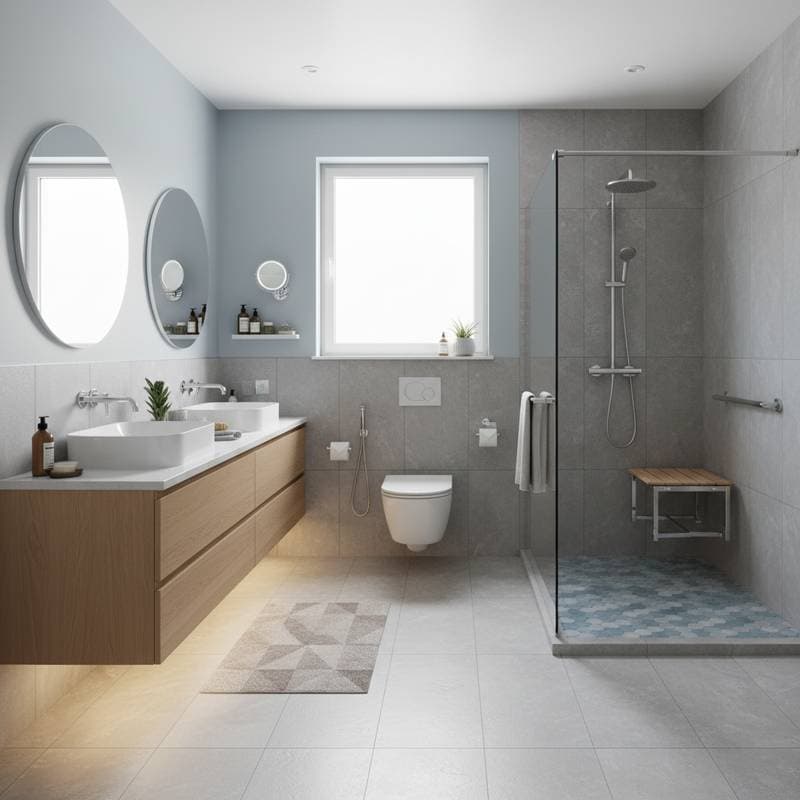
Visualize a space with soft LED under-cabinet lighting, neutral palettes, and organic textures that invite relaxation. This setup supports multigenerational households, simplifying use for children, visitors, and elders alike. It transforms potential vulnerability into empowered living.
Sustaining Your Bathroom Investment
Post-remodel care remains simple yet essential for longevity. Routine habits preserve functionality and safety.
- Examine grab bars quarterly to verify secure mounting and absence of rust.
- Review caulking and grout lines monthly for gaps that invite moisture intrusion.
- Verify lighting fixtures and electrical outlets operate correctly during seasonal checks.
- Clean traction surfaces with pH-neutral cleaners to maintain grip without residue buildup.
Prompt repairs for any detected issues, such as dripping faucets or shifting tiles, prevent escalation. Consistent attention maximizes the remodel's benefits and material lifespan.
Steps to Enhance Accessibility Now
Begin with accessible changes to build momentum. Consider installing a pull-out spray faucet for easier reach or adding nightlights that activate automatically. These adjustments immediately improve usability.
Engage a specialist contractor versed in universal design principles. Request portfolios of completed accessible projects and confirmation of code familiarity. Tailored recommendations will align enhancements with personal aesthetics and finances.
View the bathroom as a foundation for lifelong well-being. Universal design equips it to accommodate evolving needs, ensuring sustained comfort, security, and style throughout the years.