Why Wet Rooms Are Replacing Shower Stalls
Contemporary bathroom designs increasingly favor wet rooms over traditional shower stalls. These open, waterproof spaces eliminate barriers and integrate seamlessly with the surrounding area. Homeowners appreciate their practicality and aesthetic appeal, which suit renovations from compact updates to luxurious overhauls.
Defining a Wet Room
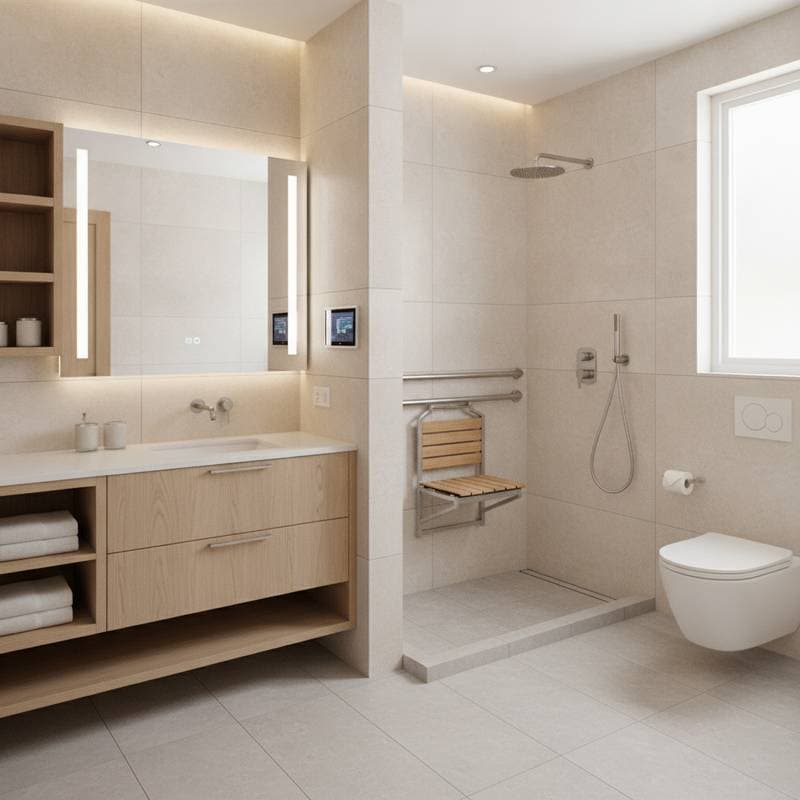
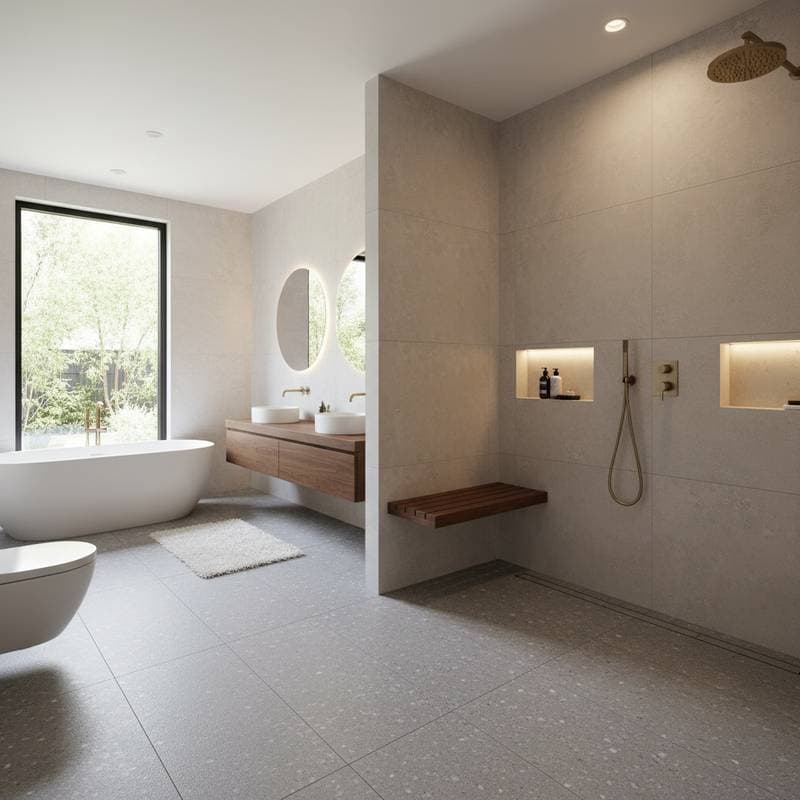
A wet room features a fully waterproofed floor and walls, with the shower area flush to the rest of the bathroom. Water flows across a gently sloped surface to a central or linear drain, avoiding raised thresholds or enclosed cubicles. This setup often includes walk-through access, allowing entry from multiple directions without doors.
The design accommodates various room sizes, from small apartments to expansive suites. Professionals install specialized membranes or tanking systems to ensure watertight integrity. Such flexibility positions wet rooms as a versatile alternative to conventional showers.
Key Advantages of Wet Rooms
Wet rooms address common homeowner priorities, combining form and function effectively. The following points highlight their primary benefits.
-
Enhanced Accessibility
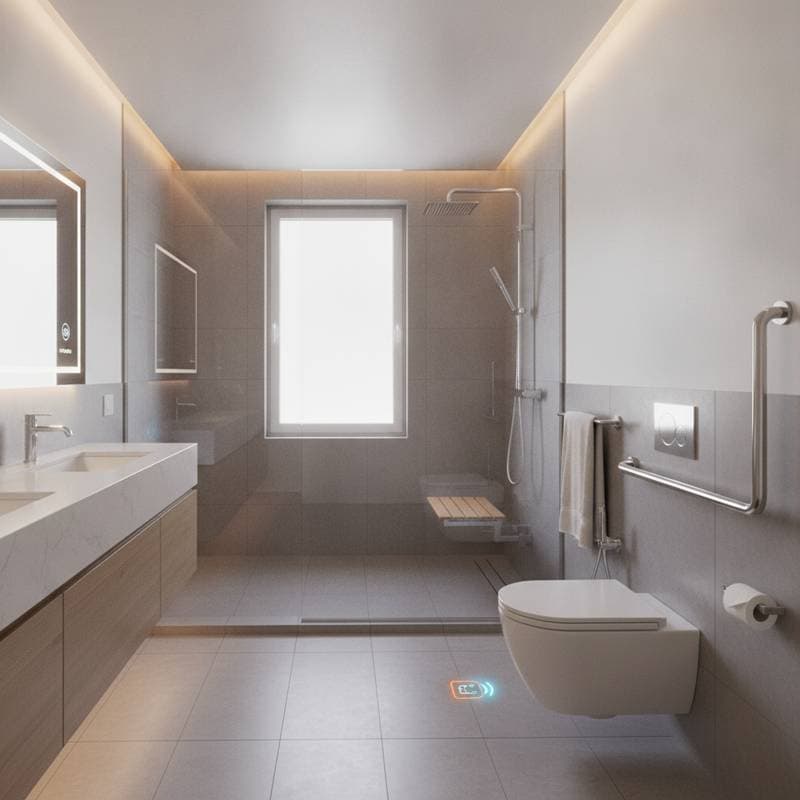
Wet rooms remove steps and curbs, facilitating movement for all users. This design supports wheelchair access and aids aging in place. Families with diverse needs find them particularly valuable. -
Increased Spatial Perception
Open layouts without partitions create an illusion of greater size. Continuous flooring promotes a fluid, uncluttered environment. Small bathrooms benefit most from this visual expansion. -
Simplified Maintenance
Smooth surfaces resist mold and require minimal effort to clean. Materials withstand constant moisture, reducing the need for scrubbing grout or doors. Routine care involves wiping with a soft cloth after use. -
Flexible Configurations
Unlike fixed shower units, wet rooms adapt to custom dimensions and shapes. Drains can relocate as needed, and tiling patterns vary widely. Glass elements, if used, integrate subtly. -
Property Value Boost
Modern buyers seek accessible, stylish features. A well-installed wet room signals quality and foresight. It enhances marketability without excessive costs.
Implementing Wet Rooms Across Budgets
Wet room installations scale with financial resources, from basic modifications to premium setups. Strategic selections ensure durability and elegance at every level. Consider these approaches based on investment.
Low-Budget Modifications
For minimal spending, adapt existing spaces without altering plumbing. Install low-profile bases and waterproof flooring like vinyl planks. Add a linear drain grate that coordinates with fixtures.
Apply moisture-resistant coatings to walls and seal joints with silicone. These changes mimic wet room aesthetics, improving flow and ease. Professional consultation confirms structural suitability.
Moderate-Budget Renovations
This range allows barrier removal and proper waterproofing. Contractors apply sloped subfloors and install linear drains. Select porcelain tiles for cost-effective, water-resistant coverage.
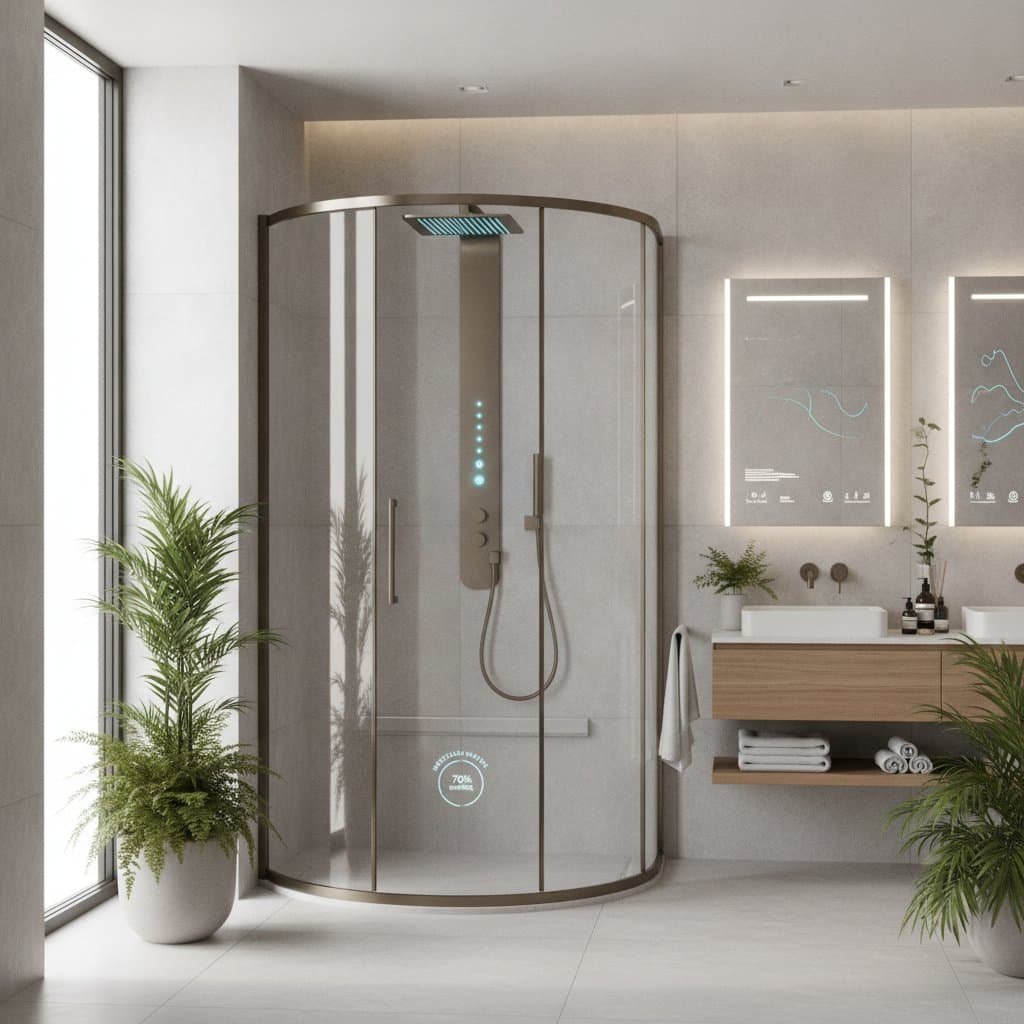
Incorporate a single tempered glass panel to delineate the shower area. Choose fixtures in durable finishes like brushed nickel. The result delivers professional results for daily use.
Premium Installations
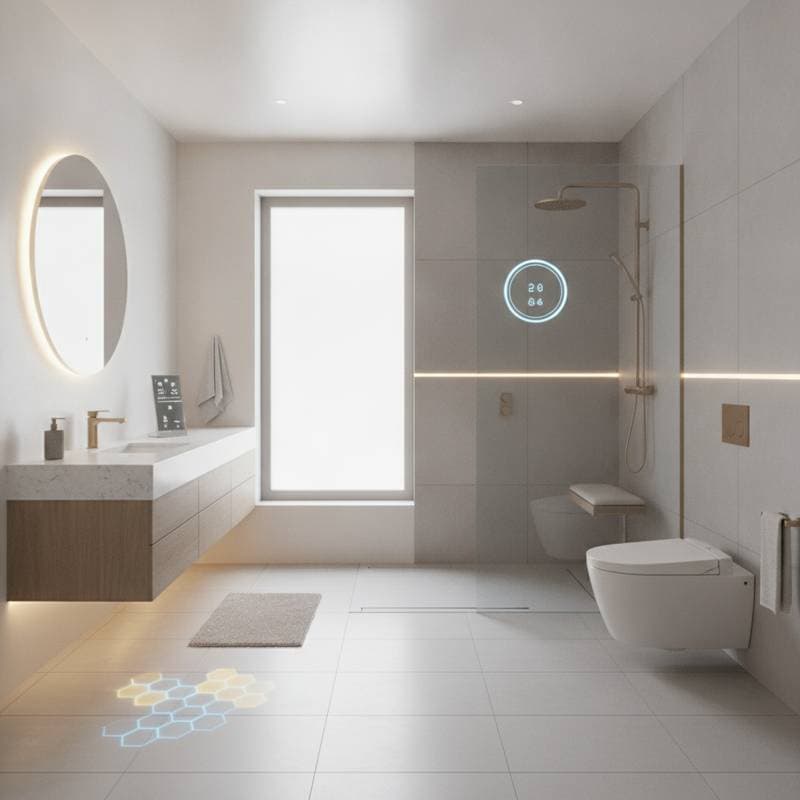
High budgets enable advanced features such as heated floors and custom stonework. Integrate rainfall heads, built-in seating, and ambient lighting. Concealed elements maintain a seamless appearance.
Materials like marble provide luxury while performing reliably. Steam compatibility adds therapeutic options. These designs create personal wellness spaces.
Essential Installation Considerations
Successful wet rooms demand meticulous preparation to avoid issues like leaks. Waterproofing forms the foundation, using certified systems that bond to substrates. Slope the floor at a quarter-inch per foot toward the drain for efficient runoff.
Ensure robust ventilation with exhaust fans rated for high humidity. Non-slip tiles with textured surfaces prevent accidents. Damp-rated LED lights illuminate safely and enhance ambiance.
Underfloor heating accelerates drying and improves comfort. Test all components post-installation to verify performance. These steps guarantee longevity and safety.
Styling Options for Wet Rooms
Wet rooms invite creative expression through material and theme choices. Adapt them to personal preferences while prioritizing functionality.
- Classic Elegance: Employ marble tiles and brass hardware for sophistication.
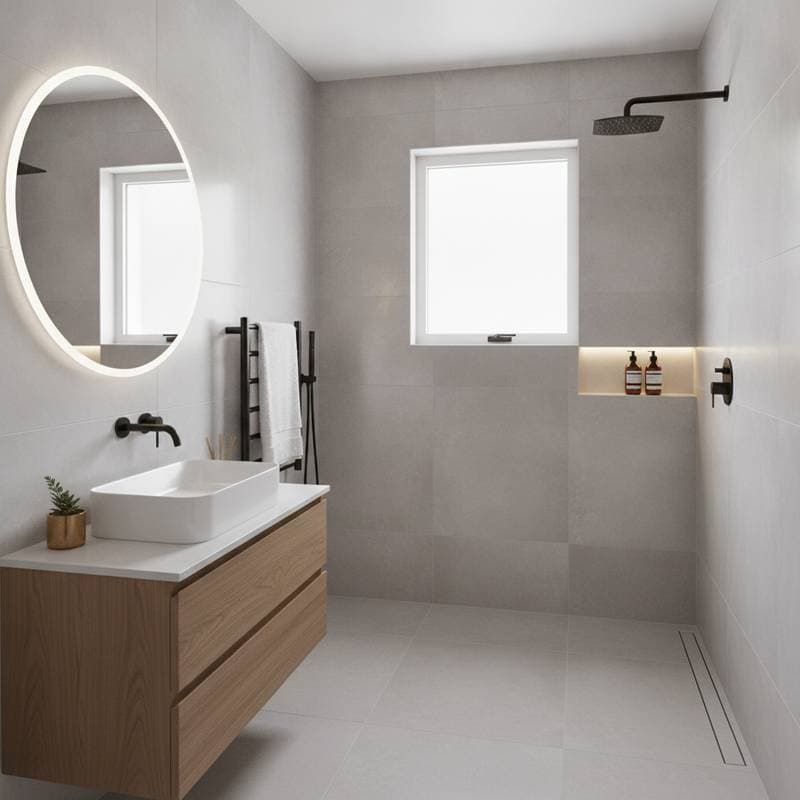
- Nordic Cleanliness: Opt for light grays, wood accents, and sparse glass.
- Urban Texture: Feature concrete-effect porcelain with dark metal details.
- Resort Ambiance: Include teak elements and natural motifs.
- Streamlined Modern: Use white palettes and integrated storage.
Each style maintains openness and waterproof integrity. Balance aesthetics with practical needs for optimal results.
Opportunities in Wet Room Design
The rising popularity of wet rooms spurs innovation in products and services. Manufacturers develop efficient drainage and modular kits for quicker setups. Designers craft integrated features like floating vanities.
Entrepreneurs can specialize in accessible conversions or custom finishes. Collaborations yield items such as illuminated niches. This sector offers growth for professionals addressing market demands.
Addressing Potential Drawbacks
Wet rooms present hurdles, but solutions exist for each. In confined areas, extend flooring patterns to amplify space. Direct showers away from entrances to control splatter.
Prioritize waterproofing over aesthetics initially; upgrades follow. Combat moisture with fans and sealants, plus post-use drying tools. For privacy, install textured screens or partial barriers.
These strategies resolve concerns while preserving design intent.
Daily Use and Long-Term Benefits
Maintenance proves straightforward with wet rooms. Rinse surfaces daily and clean drains weekly using gentle solutions. Ventilation clears steam promptly.
Users experience reduced stress from seamless routines. The space evolves into a serene haven. Upon resale, it attracts buyers valuing modernity and inclusivity.
Steps to Create Your Wet Room
Begin by assessing goals, such as accessibility or luxury. Evaluate space constraints and budget limits. Consult experts for waterproofing and layout plans.
Select materials that align with durability standards. Execute in phases if needed, starting with core infrastructure. The outcome transforms bathrooms into efficient, inviting areas that enhance daily life and home worth.