Future-Proofing Bathrooms: Universal Design Trends for Accessible and Adaptable Living
Consider entering a bathroom where the shower entrance poses no barrier and reaching fixtures requires minimal effort. During a remodel, wise investments ensure the space remains comfortable and secure across decades. Traditional bathrooms often prioritize immediate appeal over enduring functionality, yet universal design addresses this gap effectively.
Universal design develops environments usable by individuals of all ages, sizes, and abilities. In bathrooms, this approach yields renovations that maintain visual appeal while adapting to evolving needs, such as shifts in mobility or household dynamics. The focus avoids institutional aesthetics; instead, it emphasizes versatility, hazard reduction, and intuitive navigation alongside refined style.
This guide details strategies to future-proof bathrooms through current universal design elements. Readers gain insights into pivotal features, cost management, and methods to harmonize accessibility with sophisticated design.
Core Principles of Universal Bathroom Design
Universal design rests on foundational principles that inform each decision.
- Flexibility – Accommodate diverse users through adaptable elements without extensive modifications.
- Safety – Incorporate surfaces and fixtures that reduce slip hazards and physical strain.
- Simplicity – Design controls, hardware, and layouts for straightforward, effortless interaction.
- Comfort – Facilitate natural body positions and ease of movement.
- Aesthetic Integration – Fuse practical elements with elegant visuals seamlessly.
These guidelines promote subtle enhancements that streamline routines without evoking clinical environments.
Essential Universal Design Features for Enduring Bathrooms
Zero-Threshold Showers
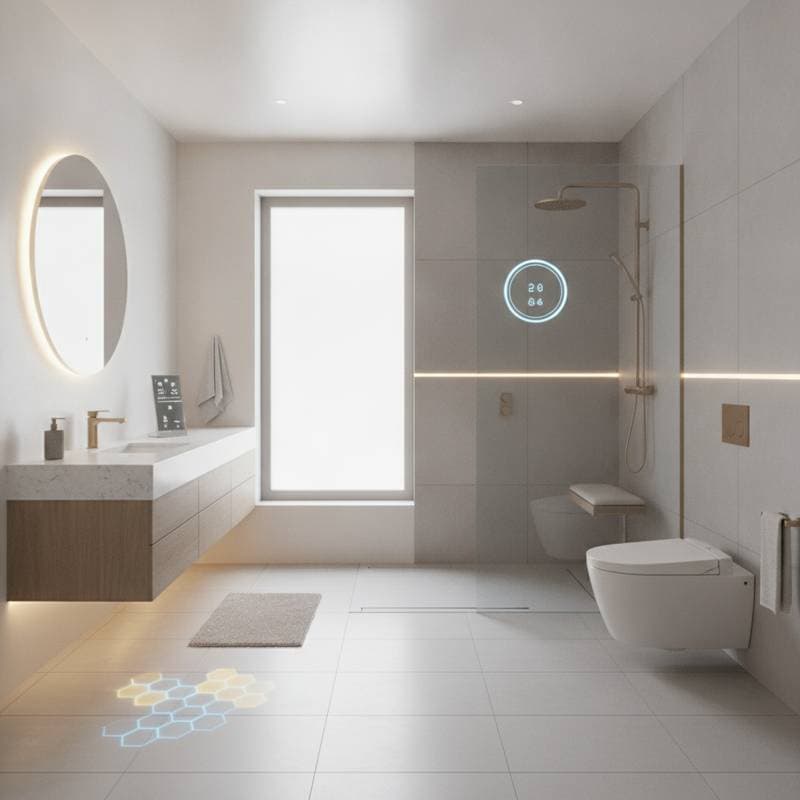
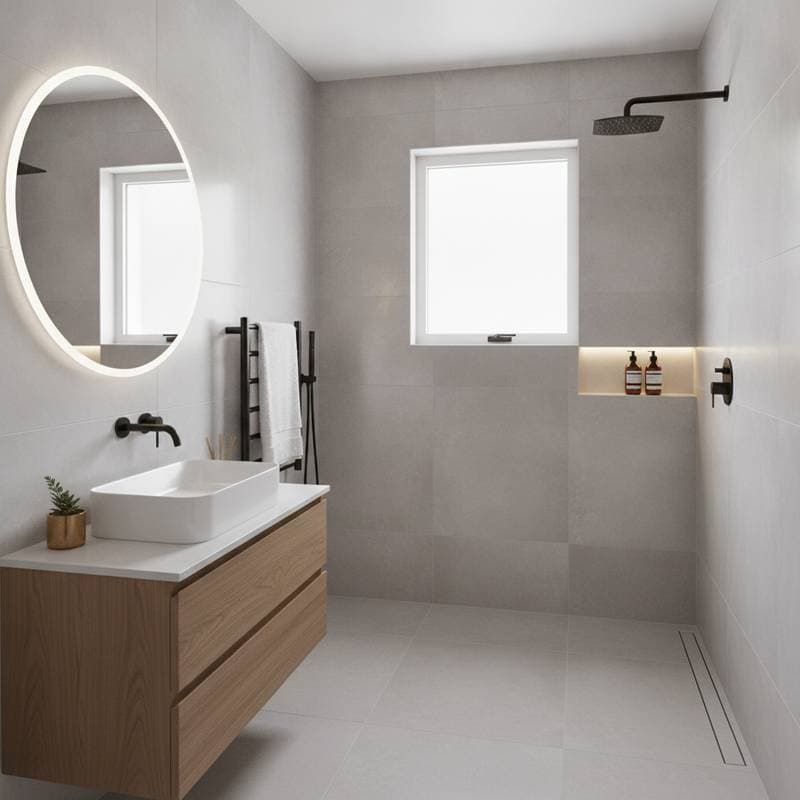
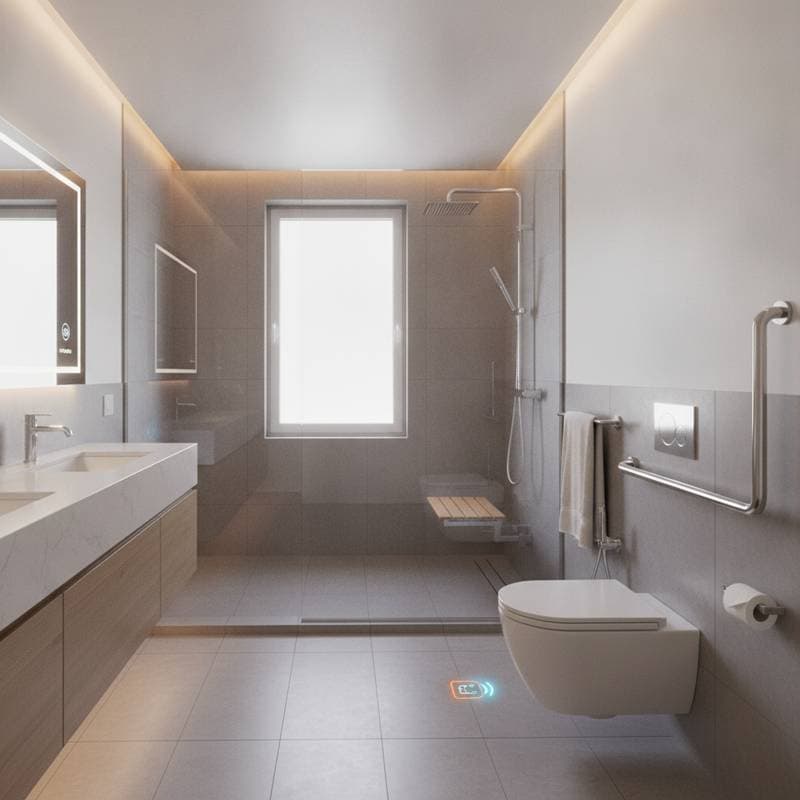
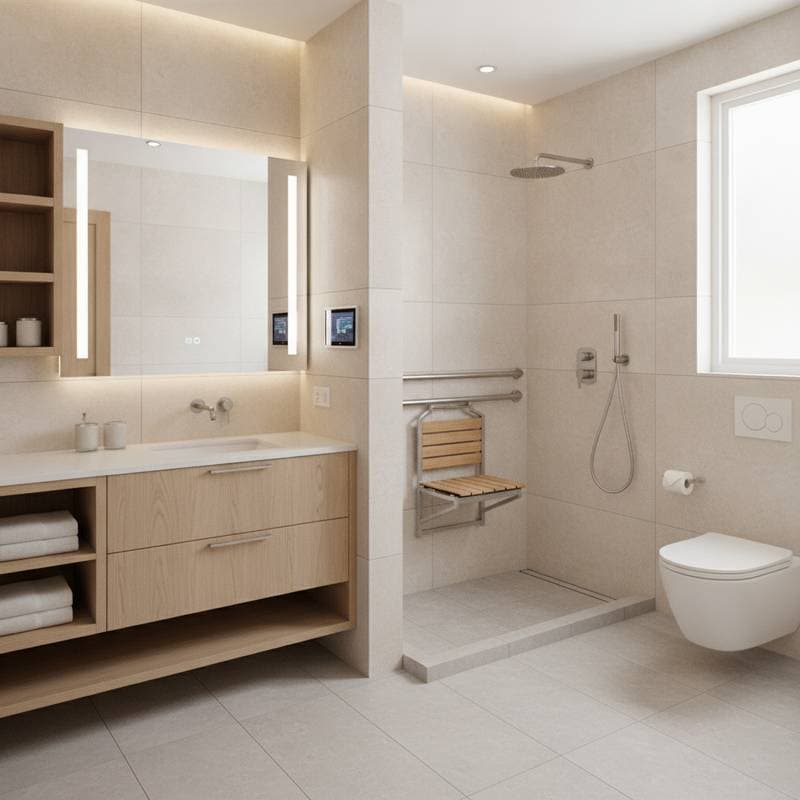
Opt for curbless showers in place of conventional tubs or raised enclosures to enhance entry and reduce fall risks. The shower base aligns flush with the adjacent floor, with drainage achieved via gentle inclines and linear drains.
- Cost range: $4,000 to $9,000, covering installation, tiling, and waterproofing.
- Complexity: Moderate to high; engage a certified contractor for optimal results.
- Advantages: Simplifies access, delivers a contemporary appearance, and suits users of varying ages.
Enhance stability by adding integrated seating or collapsible benches, alongside grab bars styled as modern towel holders.
Slip-Resistant Flooring
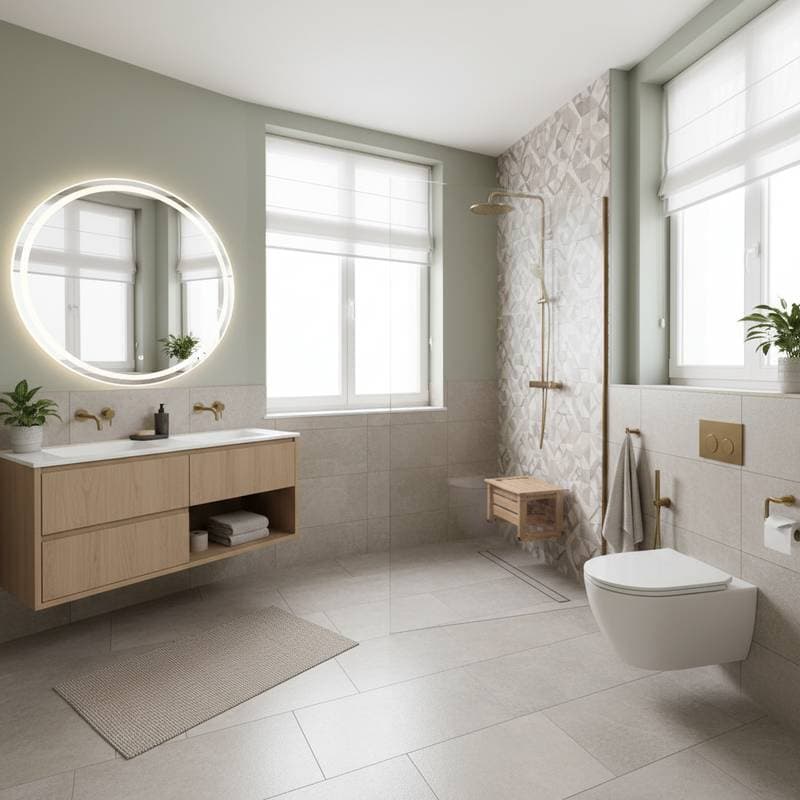
Select flooring materials engineered for traction in moist conditions, as this element often receives insufficient attention. Options include textured porcelain tiles, high-traction vinyl planks, or treated natural stone.
- DIY options: Vinyl plank or sheet installations for quicker projects.
- Professional needs: Tile setups with accurate sloping and sealed grout lines.
- Cost range: $3 to $15 per square foot, including labor.
Steer clear of glossy finishes prone to slickness when damp, particularly around showers and vanities.
Height-Adjustable Vanities and Sinks
Choose vanities that float or adjust in height to provide knee clearance for seated users and simplify maintenance. Mechanisms in select models allow customization for multiple household members.
- Cost range: $1,000 to $3,000 for vanities featuring storage solutions.
- Practical advice: Position plumbing and wiring to prevent obstructions below the basin.
Complement with lever-style or sensor-based faucets to minimize operational effort.
Intelligent Lighting and Sensor Systems
Effective illumination forms a cornerstone of universal design. Install motion-activated sensors for subtle nighttime illumination, paired with adjustable LEDs to avoid intense brightness.
- Installation cost: $200 to $800, encompassing sensors and energy-efficient bulbs.
- Safety advantages: Mitigates nocturnal stumbles and eases visual transitions.
- Styling suggestion: Layer general, focused, and ambient lights for comprehensive coverage.
Integration with voice-activated hubs supports hands-free control, ideal for long-term residency.
Comfort-Height Toilets
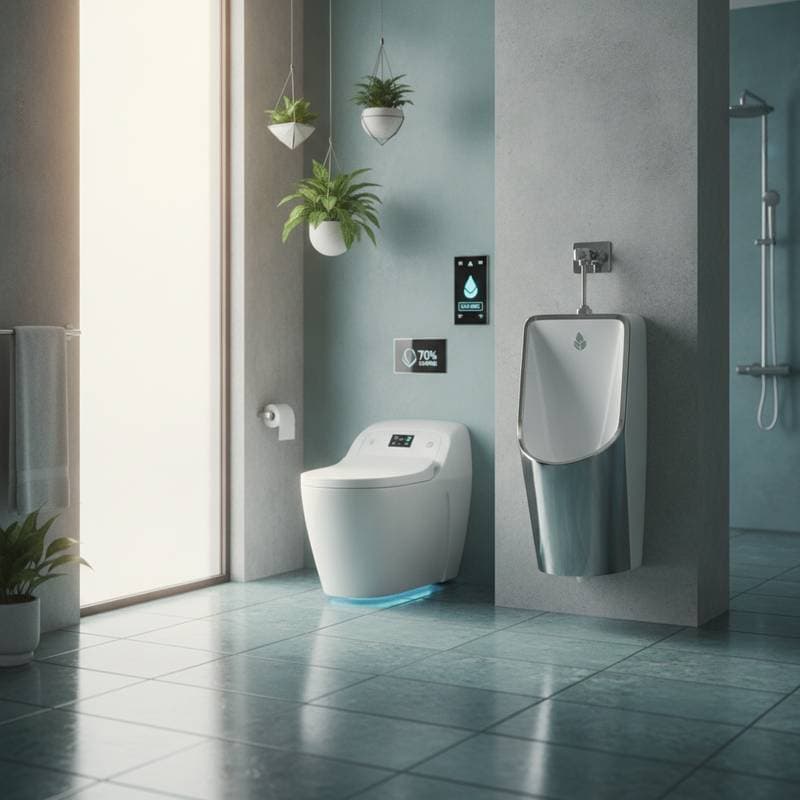
Install toilets elevated to 17-19 inches from the floor, compliant with accessibility standards, to assist taller users and those facing mobility limitations.
- Cost range: $200 to $800 for basic units; $1,000 or more for models with bidet functions.
- Installation duration: Approximately two hours by a qualified plumber.
- Enhancements: Incorporate decor-matched grab bars or supportive frames on either side.
Strategies for Budgeting a Universal Bathroom Remodel
Expenses vary based on bathroom dimensions and selected features.
- Basic updates (under $2,000): Incorporate grab bars, anti-slip rugs, extendable showerheads, and improved illumination through self-directed efforts.
- Moderate renovations ($10,000 to $25,000): Convert tubs to seamless showers, refresh flooring, and fit floating vanities with professional assistance.
- Luxury overhauls ($30,000+): Reconfigure layouts entirely, using bespoke materials, advanced tech, and rerouted utilities.
Allocate 10 to 15 percent of the budget as a buffer for unforeseen challenges, like subfloor repairs or pipe realignments. Structural alterations may require permits; verify compliance with local regulations prior to commencing work.
Navigating Safety Standards and Regulations
Local building codes govern bathroom modifications to uphold safety. Key stipulations typically encompass:
- Doorway dimensions: Minimum 32 inches wide to permit wheelchair passage.
- Maneuvering space: A 5-foot turning circle for unobstructed movement.
- Grab bar heights: Positioned 33 to 36 inches from the floor near toilets and showers.
- Electrical protections: GFCI receptacles in all moisture-exposed zones.
Adhering to these not only safeguards occupants but also boosts property appeal. Prospective buyers value designs that facilitate independent living as populations age.
Incorporating Technology for Sustained Usability
Home automation increasingly complements universal design principles. Elements such as voice-responsive lighting, radiant floor heating, and moisture detection devices elevate daily convenience and preempt issues.
- Voice-operated systems enable touchless management of illumination and ventilation.
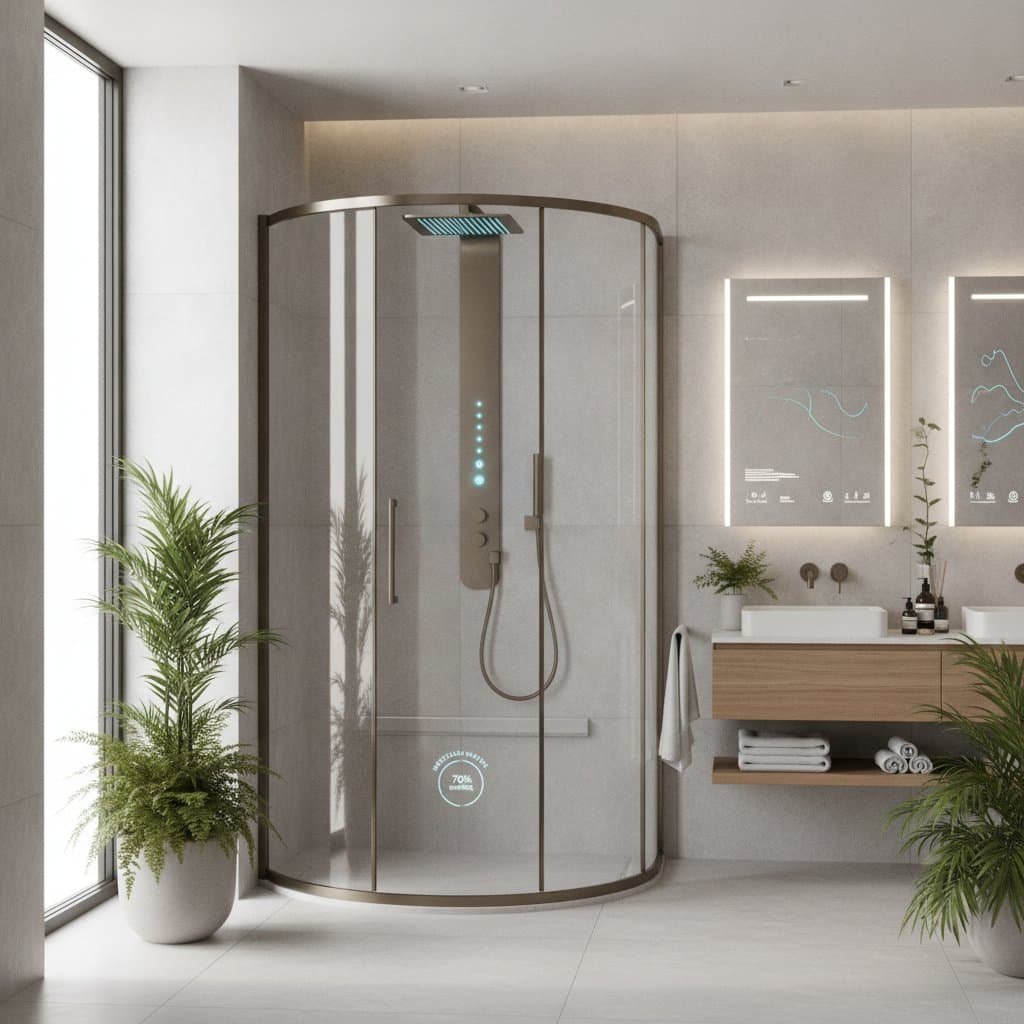
- Programmable shower panels maintain exact water temperatures and volumes.
- Alert-based sensors notify of potential leaks, averting extensive repairs.
Though initial costs rise, these innovations promote efficiency and diminish long-term expenses.
Steps to Implement Your Universal Design Vision
Universal design elevates bathrooms beyond mere updates into assets for security and autonomy.
Begin by pinpointing priorities, whether enhanced shower entry or refined lighting. Engage specialists versed in accessibility to refine plans.
Through deliberate choices and strategic execution, the resulting bathroom endures aesthetically and functionally, prepared for life's progression.