Why Induction Zones Beat Traditional Kitchen Layouts
Induction zones represent a significant advancement in kitchen technology. These systems utilize electromagnetic fields to heat cookware directly, offering superior flexibility compared to conventional gas or electric ranges. Homeowners and designers benefit from enhanced efficiency, safety, and aesthetic integration in various kitchen configurations.
Understanding Zone Flexibility
Conventional kitchen layouts center on fixed cooktops with burners arranged in a single, rigid formation. This setup limits movement and adaptability during meal preparation. Induction zones, by contrast, allow for the creation of multiple, independent cooking areas across countertops.
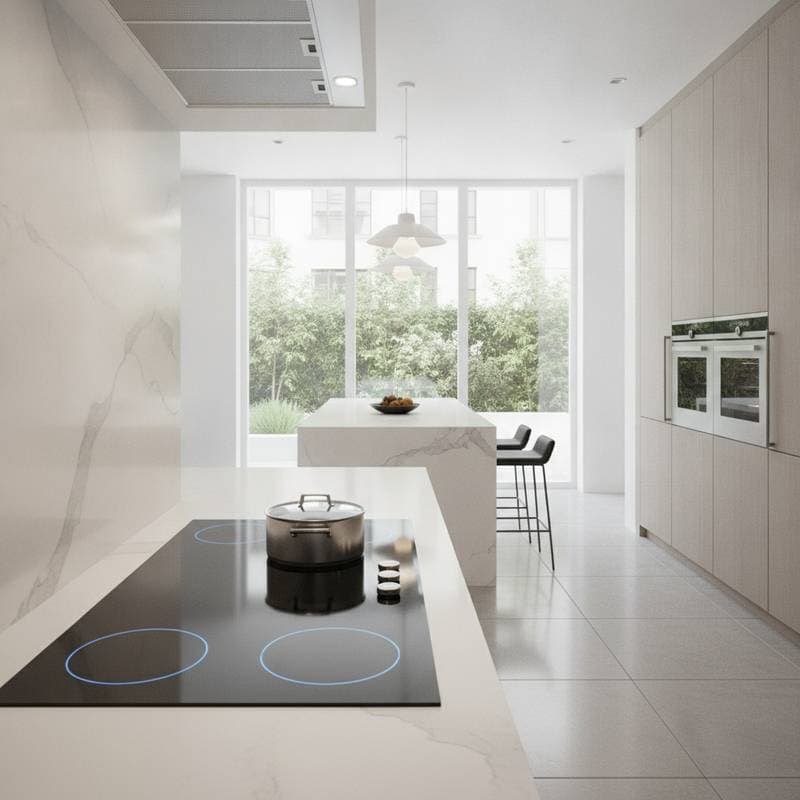
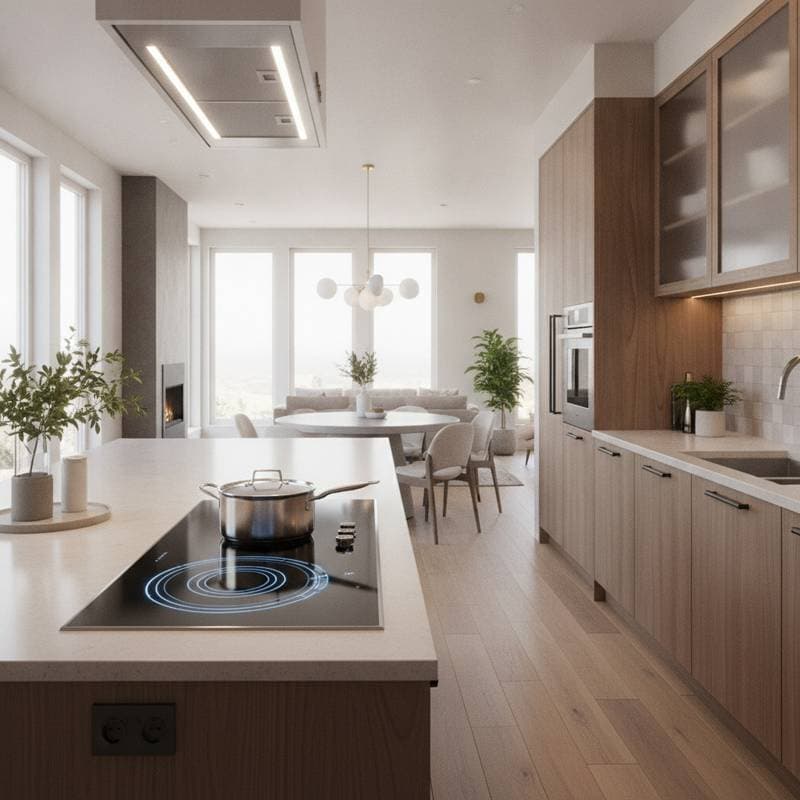
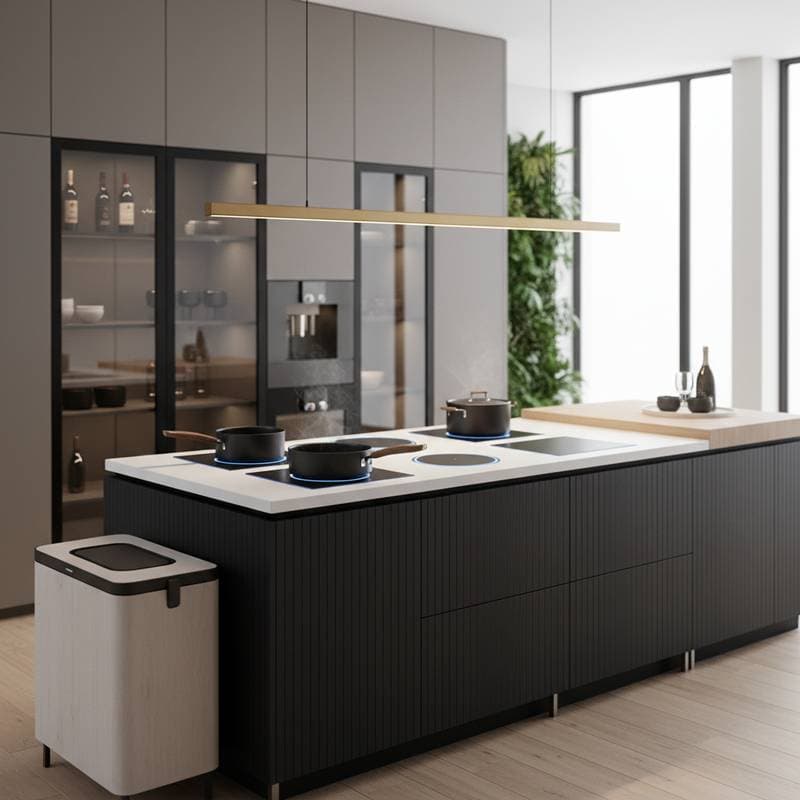
Each zone activates only when compatible cookware is placed on it, enabling customized workstations. For instance, one area can simmer sauces while another sears proteins, with ample space remaining for chopping or assembling dishes. This modular approach supports diverse cooking styles and integrates seamlessly into islands, peninsulas, or linear counters.
Achieving Precise and Rapid Cooking
Induction technology excels in providing immediate heat response. Surfaces reach high temperatures in moments, facilitating quick boils or precise simmers without preheating delays. Energy transfers efficiently to the cookware base, minimizing heat loss and ensuring even cooking.
Fine temperature adjustments prevent common issues such as overboiling or scorching. Users can shift from high heat to low in seconds, ideal for delicate tasks like melting butter or reducing sauces. Such control rivals professional equipment and suits both novice and experienced cooks.
Adapting to Varied Kitchen Spaces
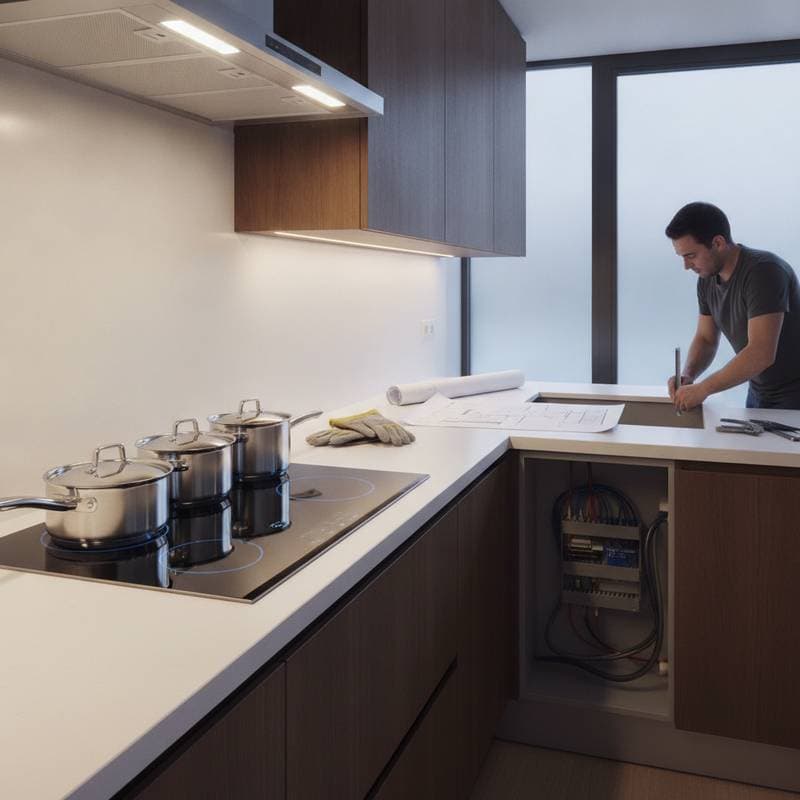
Induction zones enhance modern modular designs by conforming to specific spatial needs. In compact apartments, a single-zone unit embeds into a countertop extension, maximizing limited surfaces. Larger kitchens accommodate multiple zones along expansive islands, fostering collaborative cooking during gatherings.
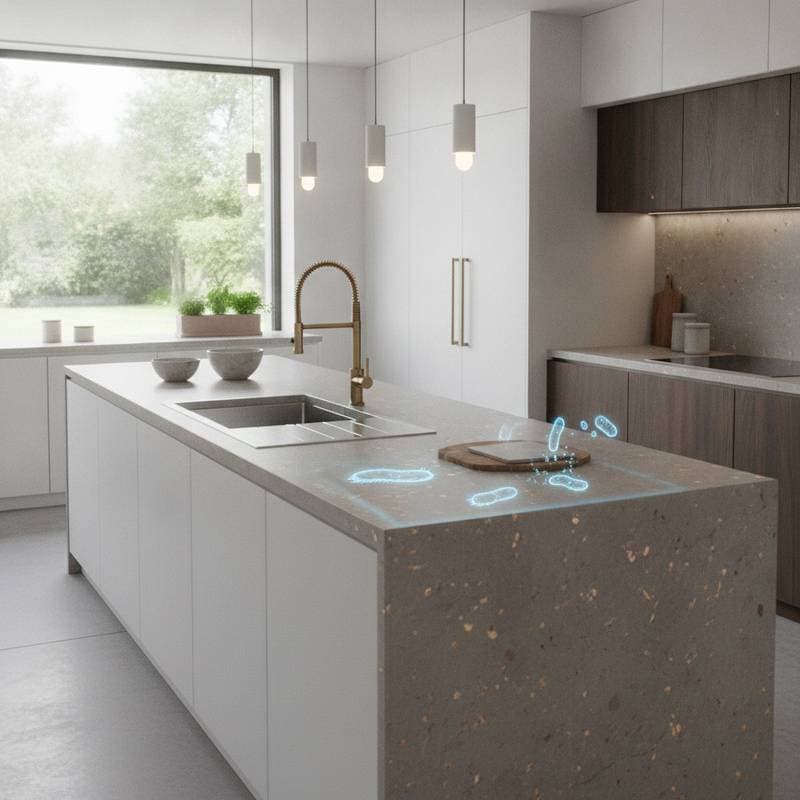
The cool-to-touch surface permits installation beneath durable materials like quartz or granite, provided adequate ventilation exists. Inactive zones blend into the countertop, maintaining a minimalist appearance. This versatility eliminates the constraints of traditional fixed appliances.
Prioritizing Safety and Efficiency
Induction systems reduce risks associated with open flames or residual heat. The surface remains at room temperature unless ferromagnetic cookware is detected, automatically deactivating unused zones. These features lower the incidence of burns, particularly in households with children or elderly members.
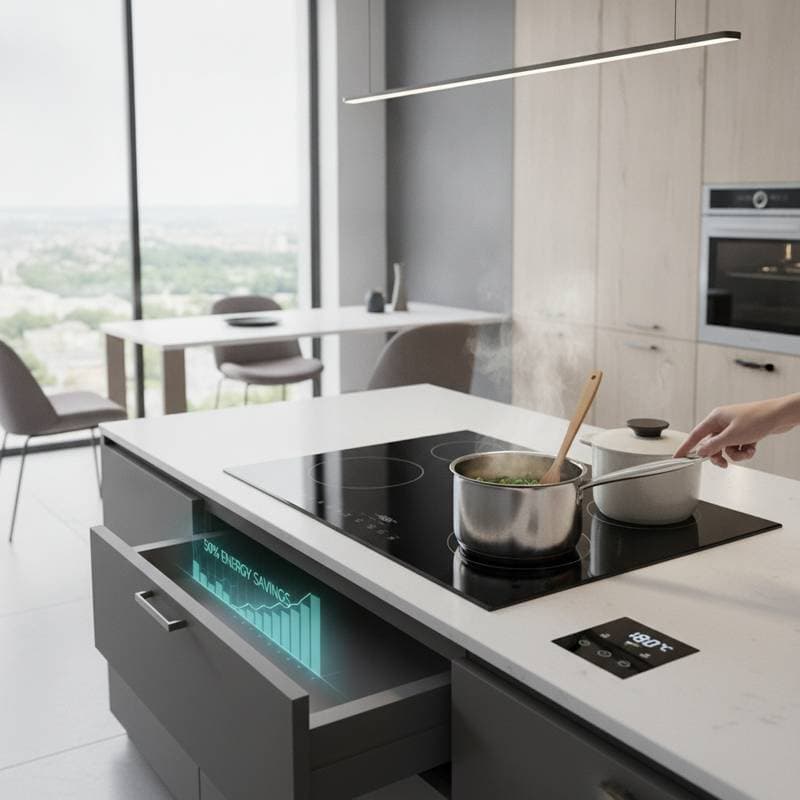
Energy efficiency stems from direct heating, which cuts utility consumption by up to 30 percent compared to gas alternatives. Less ambient heat enters the kitchen, improving comfort during extended use. Environmentally, induction avoids combustion emissions, supporting sustainable practices.
Exploring Accessible Options
Induction solutions span a range of price points to accommodate different needs. Portable single-burner units, priced under $100, connect to standard outlets and suit temporary setups or rentals. Mid-tier modular systems, costing $300 to $800, install into existing counters for gradual upgrades.
Full renovations feature integrated surfaces with advanced controls, starting at $1,000. Compatibility requires cookware with flat, magnetic bases; test pots with a magnet for suitability. Professional installation ensures compliance with electrical standards, though basic models support user-friendly setups.
Integrating for Practical Use
To incorporate induction zones, evaluate daily routines first. Identify frequent tasks, such as batch cooking or quick meals, to determine zone quantity and placement. Position stations near essential areas: a boiling zone by the sink or a grilling spot adjacent to the refrigerator.
Compatible appliances from brands like Bosch or Miele offer reliable performance. For budget considerations, explore options from IKEA. Ventilation planning prevents moisture buildup, while proper wiring supports power demands.
Optimizing Kitchen Workflow
Induction zones streamline operations by distributing tasks across surfaces. Cleanup proves simple, as spills do not bake onto cool areas; a damp cloth suffices for most residues. This efficiency saves time and preserves countertop integrity over years of use.
As lifestyles change, zones expand or reconfigure easily. Families benefit from shared cooking spaces that encourage interaction without congestion. The result is a functional, inviting kitchen that adapts to evolving needs.