Invisible Induction Zones Built Into Countertops
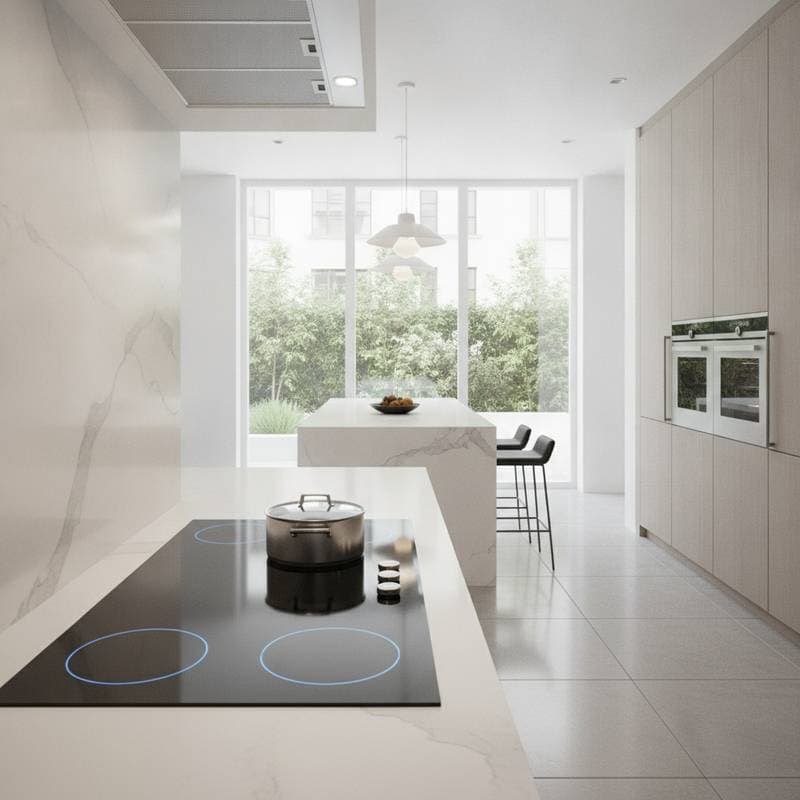
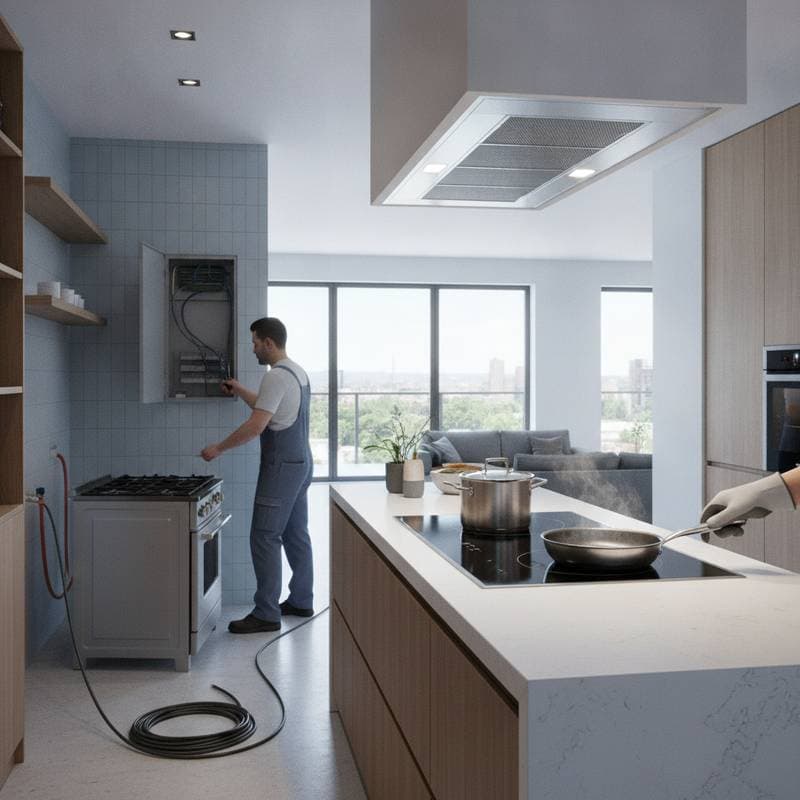
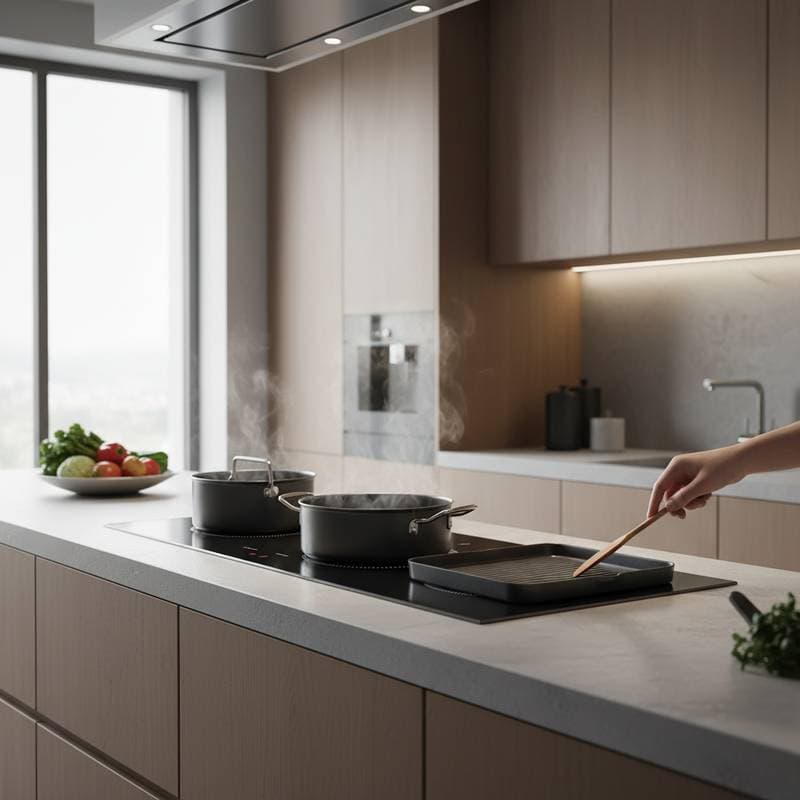
Imagine a kitchen countertop that forms one unbroken, polished expanse without any visible cooking appliances. You position a pot on the surface, activate a discreet control, and the area heats the cookware rapidly. Remove the pot, and the zone cools immediately, restoring a flawless slab of material. This innovation exists today through invisible induction technology integrated directly into countertops.
For those undertaking a kitchen renovation or updating outdated equipment, this approach combines streamlined aesthetics, enhanced safety, and superior functionality. It prompts considerations of expense, longevity, and everyday usability. The following sections explain the mechanics, pricing, and decision-making process for incorporating this feature into your space.
Understanding Invisible Induction Technology
Standard induction cooktops employ electromagnetic coils under a glass layer to deliver heat straight to compatible pots and pans. Invisible versions apply identical technology, positioning the coils beneath materials like porcelain, sintered stone, or engineered quartz. The heating components stay concealed, yet they produce the magnetic field necessary to warm ferrous cookware effectively.
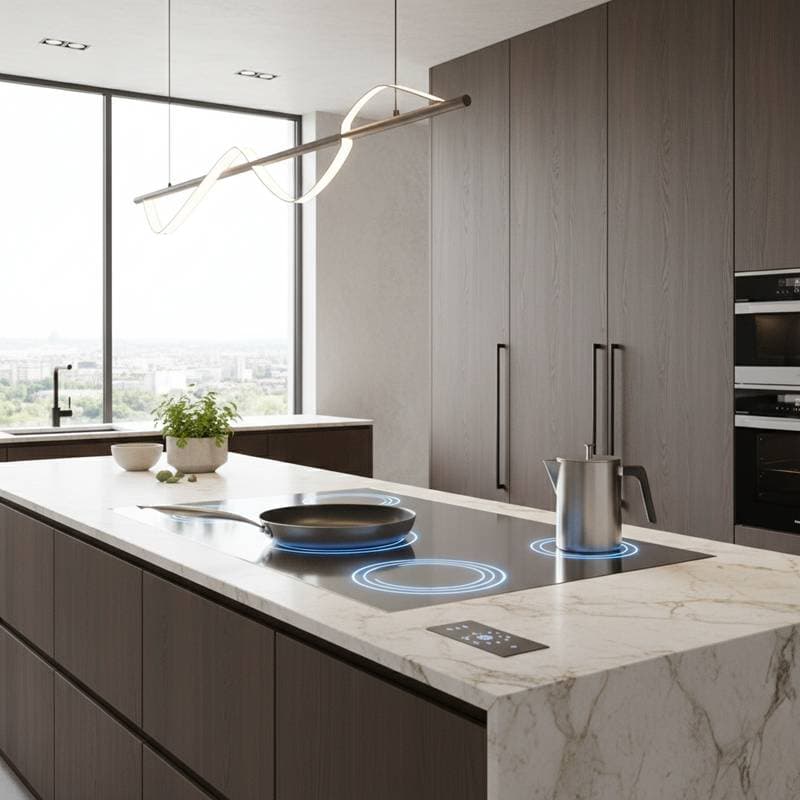
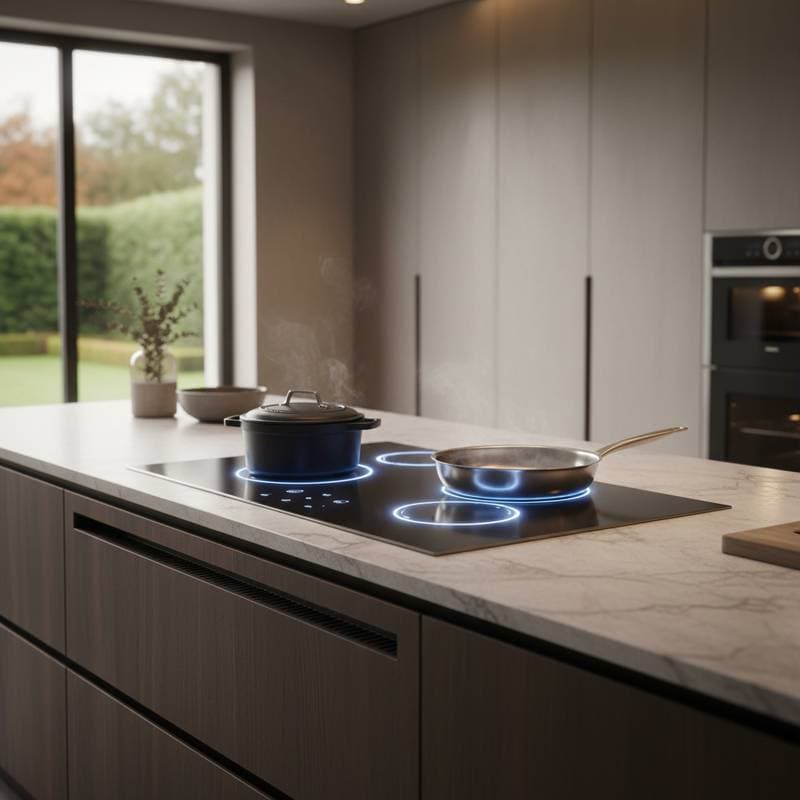
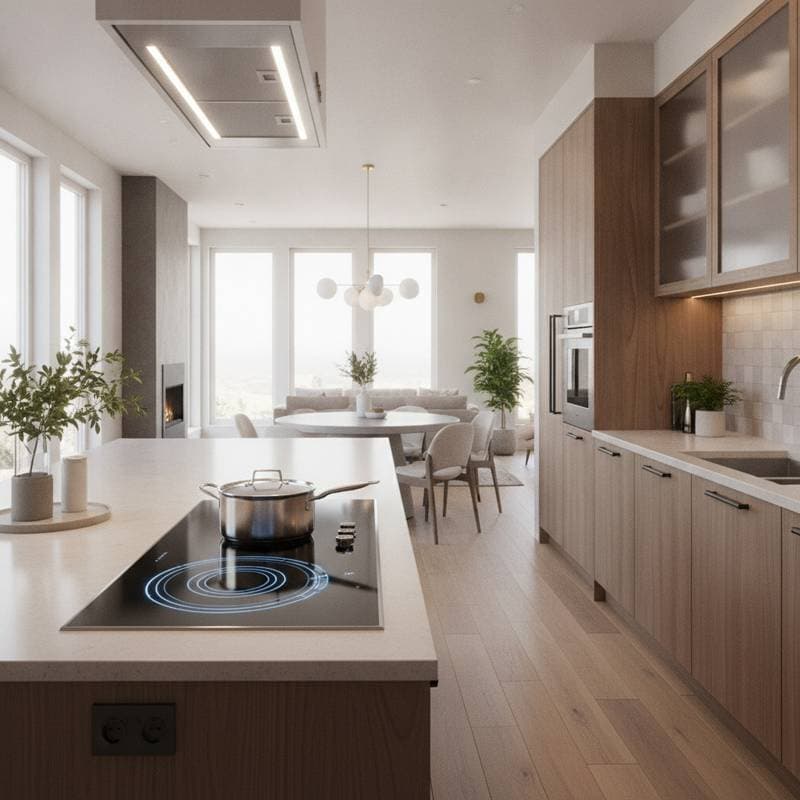
This setup yields a unified surface that functions as additional workspace when not in use for cooking. Certain models incorporate faint LED markers or subtle engravings to indicate active areas, while others depend on separate control panels or mobile applications.
Key to this system is that the countertop material itself avoids significant heating. The process targets the cookware alone, keeping adjacent areas touch-safe with only slight residual temperature.
Reasons Homeowners Choose This Option
Individuals who prioritize uncluttered, cohesive kitchen layouts find invisible induction zones particularly attractive. The cooking sections merge seamlessly with the surrounding counter, removing prominent glass or metal frames. This design shines in open-plan spaces or contemporary settings where minimizing visual distractions matters.
Practical advantages extend beyond appearance:
- Versatile space use: The surface switches effortlessly between food preparation, casual dining, and cooking tasks.
- Simplified maintenance: Absence of crevices, dials, or joints allows quick wiping of messes.
- Enhanced security: Activation requires magnetic vessels, and rapid cooldown prevents burns.
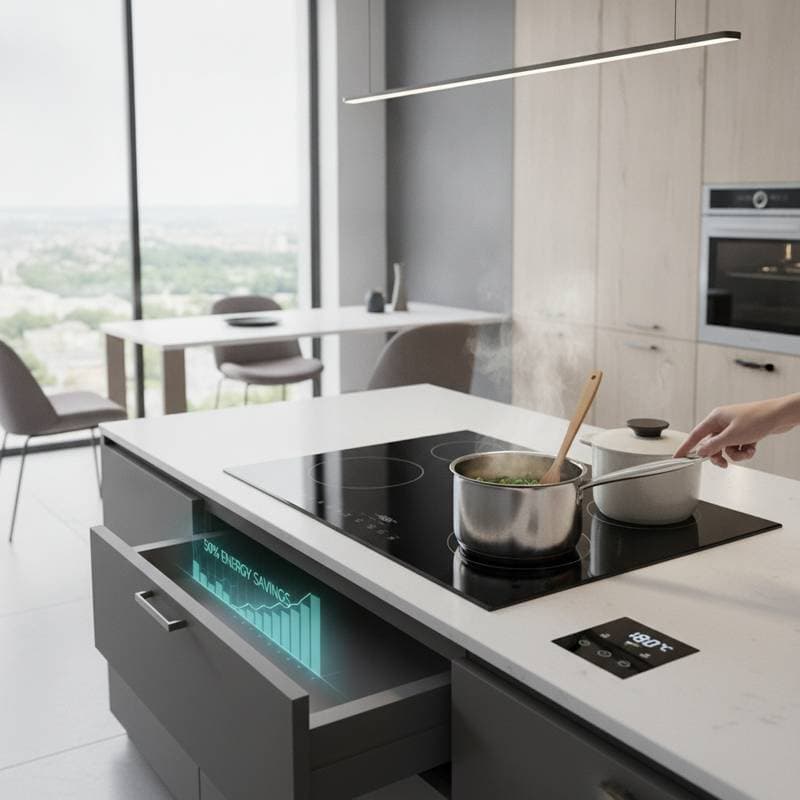
- Improved efficiency: This method consumes less energy than gas or conventional electric alternatives.
That said, these systems represent an emerging field, demanding more rigorous setup than conventional units.
Suitable Countertop Materials
Compatibility limits material choices for invisible induction. The substance needs to permit unimpeded passage of the magnetic field while resisting thermal stress to avoid damage. Leading options encompass:
- Sintered stone: Known for its solidity and resilience, varieties like Dekton or Neolith frequently support this application.
- Porcelain slabs: They provide robust thermal tolerance across diverse textures and colors.
- Engineered quartz: Select manufacturers now offer versions engineered for induction compatibility.
- Glass composites: These facilitate effective energy transmission but necessitate precise fitting.
Options such as natural granite or marble generally prove inadequate, as they risk fracturing from heat shifts or fail to conduct the field optimally.
Installation Process
Integrating an invisible induction system surpasses the simplicity of installing a typical cooktop. Typical steps include:
- Choosing an appropriate material verified for induction suitability.
- Procuring the induction unit from a vendor focused on subsurface installations, often featuring one to three heating areas.
- Custom fabricating the countertop with exact dimensions and depths in the designated zones for optimal field penetration.
- Handling electrical and air circulation needs. A specialized circuit powers the unit, and adequate ventilation supports the enclosed components.
- Conducting tests and adjustments. Professionals ensure uniform heating and proper operation of protective features.
Coordination among fabricators, electricians, and suppliers proves essential. Retrofitting into an existing surface seldom works without prior material alignment.
Pricing Details
This specialized technology commands a premium over visible induction counterparts, driven by custom work and material constraints.
- Induction unit: Ranges from $2,000 to $4,000 for configurations with one or two zones.
- Countertop customization: Falls between $3,000 and $6,000, influenced by selection, size, and workmanship.
- Wiring and interface additions: $500 to $1,500 based on project scope.
- Expert fitting: $1,000 to $2,500, covering alignment and verification.
A complete two-zone installation typically totals $6,500 to $12,000. Expansive setups surpass this figure. In contrast, a premium exposed induction unit, with setup, costs $2,000 to $4,000.
Everyday Operation and Care
Using an invisible induction surface mirrors experiences with standard models. Ferrous items like cast iron or magnet-responsive stainless steel work best; non-magnetic materials such as aluminum or glass require induction-compatible bases.
Controls vary: some embed responsive touch areas in the counter, others use compact tethered or remote devices. Activation delivers immediate, consistent temperatures for precise cooking.
Maintenance proves straightforward. Allow the zone to deactivate fully, then clean with a gentle cloth and neutral solution. The flat design confines liquids and preserves smoothness.
Key Limitations to Consider
The striking appearance of invisible induction does not eliminate all challenges. Weigh these aspects prior to commitment:
- Elevated expense: Premium components and processes drive up the price tag.
- Challenging repairs: Component failure demands partial countertop disassembly.
- Adjustment period: Lacking clear boundaries, users may initially struggle with pot placement.
- Design constraints: Material selectivity narrows aesthetic choices.
- Performance boundaries: Intense techniques, such as stir-frying, may lag behind gas capabilities.
Enthusiasts of flame visibility or multi-vessel preparations might opt for combined systems, pairing traditional elements with select hidden zones.
Ensuring Safety and Standards
Induction ranks highly for safety, avoiding flames and excess warmth. Invisible formats bolster this by maintaining cool exteriors beyond the cookware footprint. Compliance with certifications and codes remains critical.
Engage certified electricians for connections and adhere to producer specifications on dimensions and clearances. Local regulations may mandate approvals for such installations. Noncompliance risks warranty invalidation or liability issues.
Assessing Value Over Time
The upfront investment in invisible induction yields lasting returns. The integrated design elevates property appeal in upscale or contemporary markets. Lower energy use translates to ongoing savings versus older methods.
By maximizing surface utility, this setup frees area previously dedicated to appliances. In compact layouts, it streamlines tasks and optimizes organization.
Steps to Implement Your System
Budget comprehensively, factoring in power enhancements. Collaborate with qualified professionals to select materials and execute the build. The result delivers a sophisticated, efficient focal point that harmonizes form and utility uniquely.