Induction Zones: Invisible Cooktops Redefine 2026 Kitchens
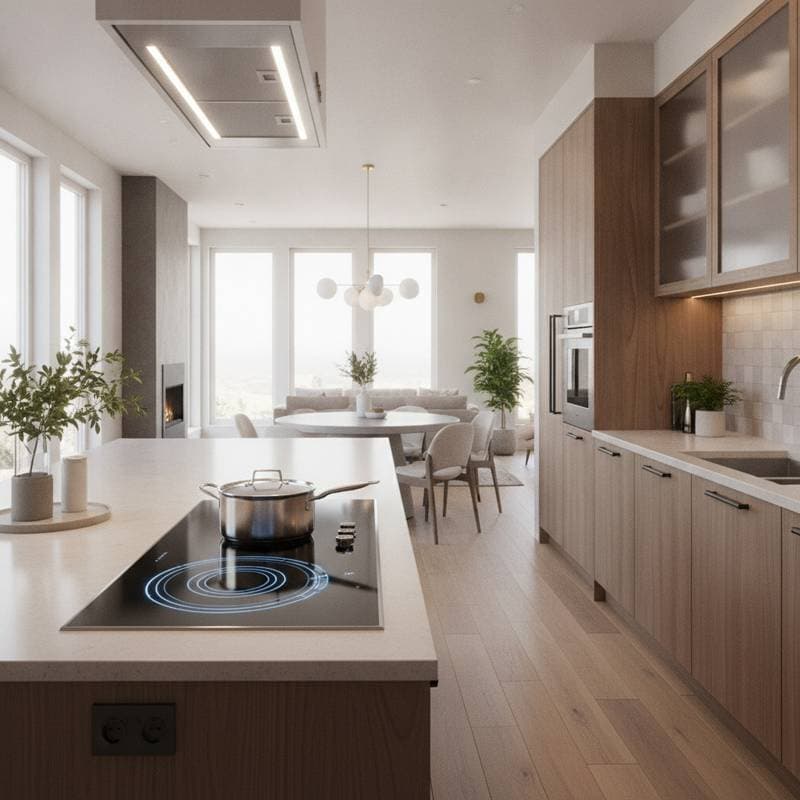
Kitchens once centered on visible gas flames or electric coils. Today, invisible induction cooktops mark a shift toward hidden innovation. These systems embed heating technology beneath continuous countertops made of stone, porcelain, or composites, creating uninterrupted surfaces that enhance both function and aesthetics.
Invisible induction cooktops extend beyond appliances to influence overall kitchen design. They promote minimalism by eliminating bulky elements, allowing the space to feel more open and integrated. Homeowners gain flexibility in layout while enjoying precise cooking control.
The Appeal of Seamless Surfaces
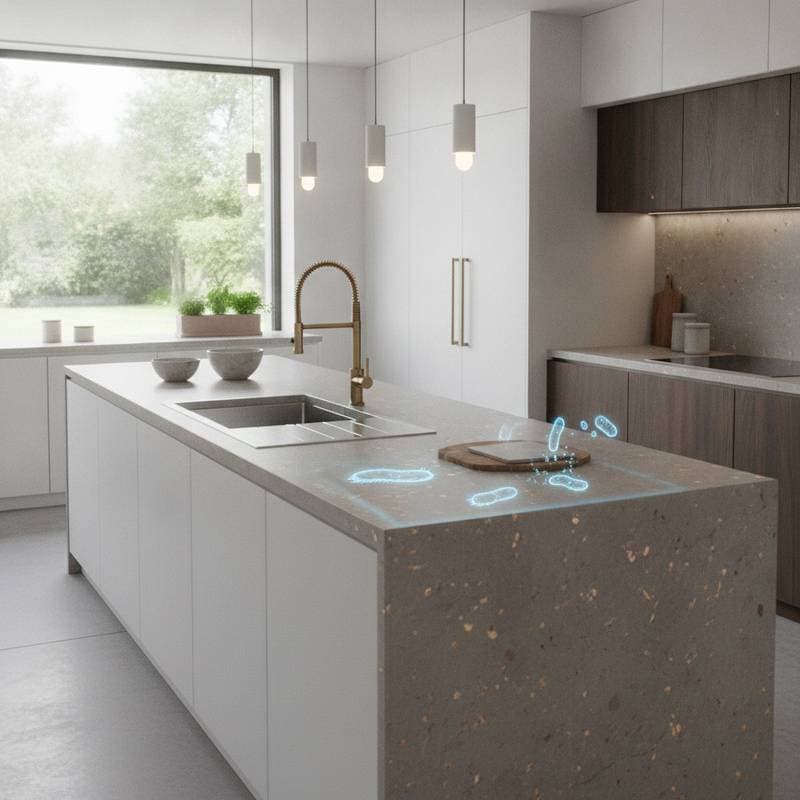
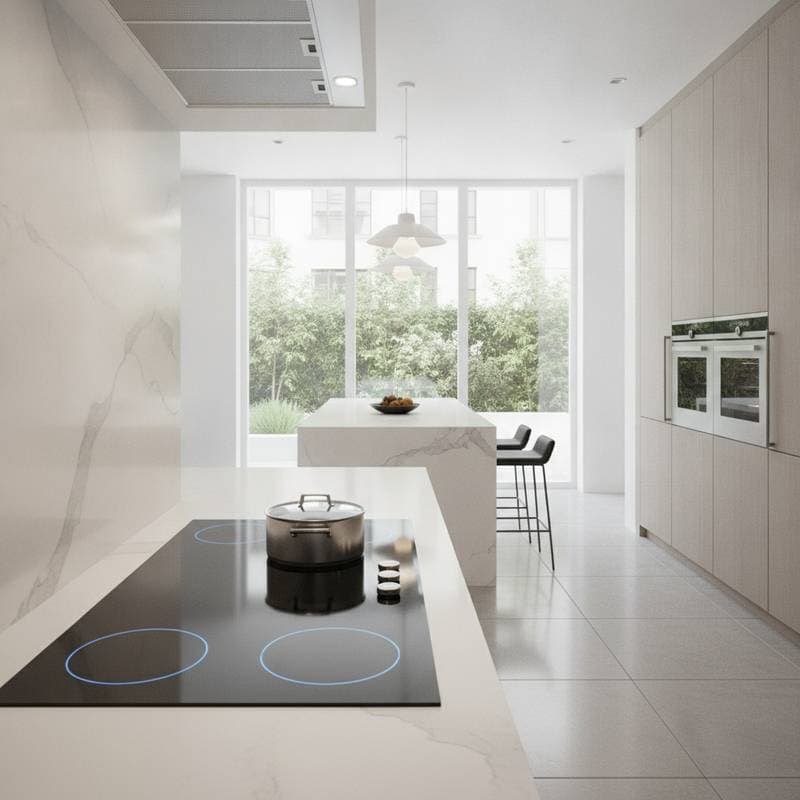
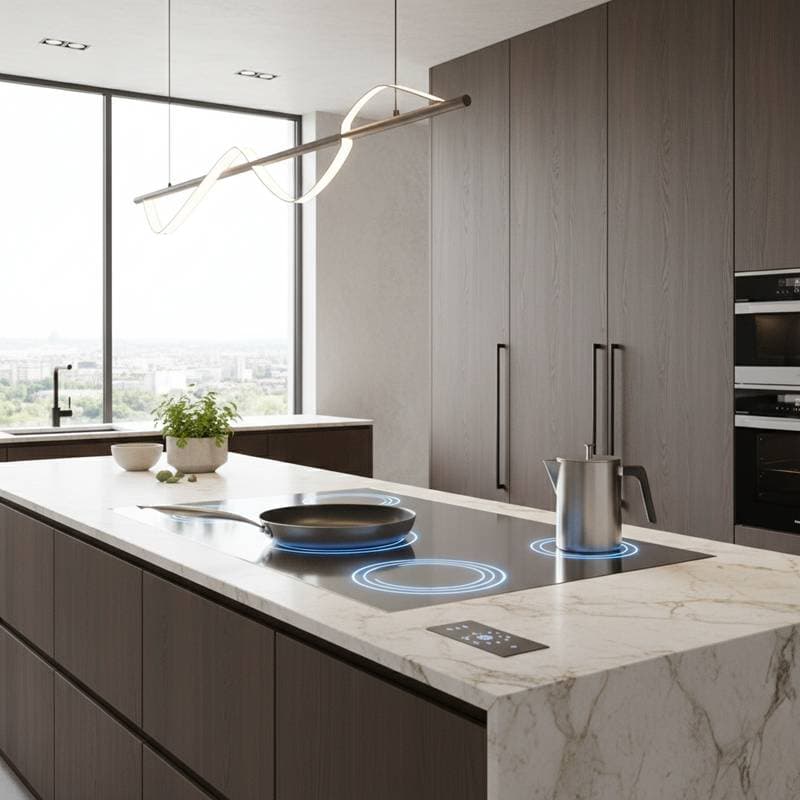
Seamless countertops eliminate the visual breaks caused by traditional cooktops. Picture a single slab of honed marble where preparation, cooking, and serving occur without transitions. This design turns the kitchen into a cohesive workspace and gathering spot.
Brands like Lapitec produce sintered stone slabs specifically for induction embedding. Heating zones integrate directly under the material, avoiding cutouts that disrupt the surface. Designers such as Patricia Urquiola and Claudio Bellini use these to achieve fluid spatial flow, blending form and utility seamlessly.
To implement this, select slabs at least 12 millimeters thick for stability. Ensure installers verify compatibility during fabrication to maintain the surface's integrity.
Technology Under the Surface
Induction heating uses electromagnetic fields to warm cookware directly, keeping the countertop cool. In invisible models, this occurs beneath porcelain, quartz, or sintered materials. Systems from TPB Tech, Invisacook, and Gaggenau feature sensors that activate zones only upon contact with compatible pans.
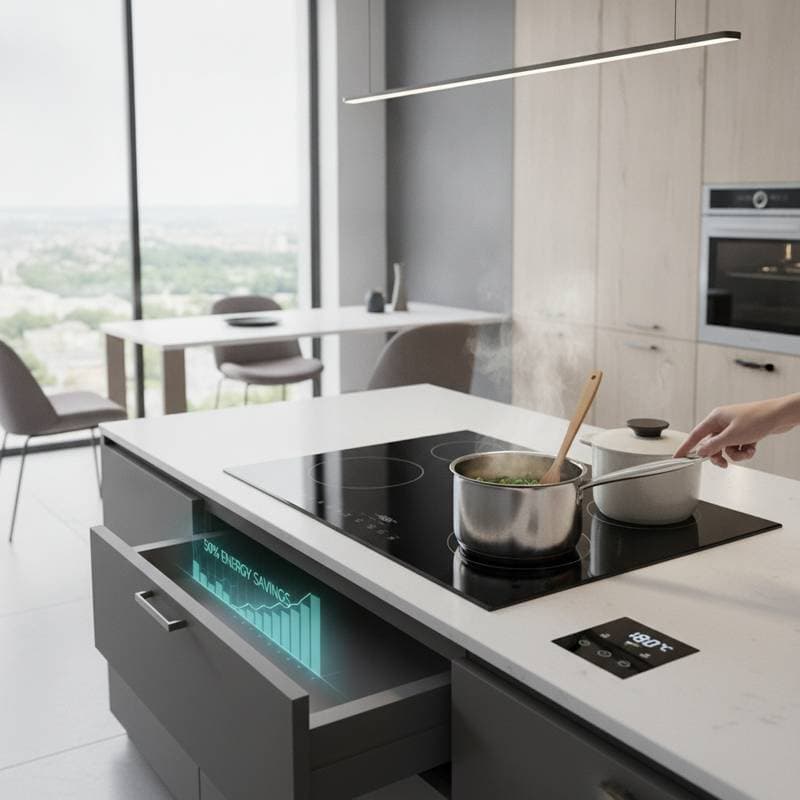
Temperature adjusts instantly for even cooking, with safety shutoffs when items lift. Materials undergo rigorous testing for heat transfer and durability. Users experience responsive performance without the surface heating up, reducing energy use by up to 90 percent compared to gas.
For best results, pair with ferromagnetic cookware like cast iron or stainless steel. Avoid glass or aluminum unless they have induction bases.
Shifting the Kitchen Layout
Traditional cooktops anchored kitchen designs, dictating hoods and cabinets. Invisible zones free the layout, making the countertop the focal point. Architect Michael Gabellini calls this a liberation, enabling islands to double as dining or work areas.
This flexibility suits modern lifestyles where cooking overlaps with socializing. Ambient lighting replaces task-focused setups, and cabinets integrate more fluidly. Plan layouts with at least 24 inches of clearance around zones for safe movement.
Selecting Materials for Harmony
Choose materials that balance aesthetics and performance. Dekton Laurent from Cosentino offers a bronze-veined charcoal base that conceals induction subtly, with faint markings for zones. Lighter options like Neolith Estatuario suit minimalist styles, maintaining a calm atmosphere.
LED indicators provide discreet guidance without clashing with the stone. Test samples for heat resistance before final selection. Matte or honed finishes minimize glare and fingerprints, enhancing daily usability.
Intuitive Controls and Interfaces
Controls must blend seamlessly with the surface. Touch-sensitive panels activate on demand, projecting light halos around zones as in Invisacook models. Gesture or voice options emerge, but tactile feedback remains preferred for accuracy.
This setup fosters direct engagement with cooking tasks. Integrate with smart home systems for remote monitoring. Calibrate interfaces during installation to match user preferences, ensuring reliable operation.
Boosting Efficiency in Cooking
Invisible induction maintains induction's core benefits: rapid heating and precise control. Sensors adapt to cookware size, minimizing energy waste. Connection to home networks optimizes usage during off-peak hours.
Chef Elena Arzak praises the control for consistent results in professional settings. Home cooks benefit similarly, with faster boil times and even simmering. Track energy savings by monitoring usage patterns post-installation.
Enhancing Safety and Ease of Maintenance
The cool surface prevents burns, ideal for households with children. Spills wipe clean without baking on, and smooth designs reduce debris traps. Use a damp cloth with mild soap for routine care.
Installation fits standard 12- to 20-millimeter thicknesses and wiring. Train fabricators on precise routing for modules. Regular checks ensure long-term reliability.
Embracing Minimalist Aesthetics
This technology aligns with trends toward sensory simplicity, akin to hidden audio systems. Architectural historian Anya Reeve terms it the aesthetic of disappearance, prioritizing light and texture over mechanics. Kitchens evolve into adaptable spaces for daily life.
Incorporate it to create fluid transitions between zones. The result fosters calm, inviting environments.
Incorporating Light and Dynamics
Subtle lighting accentuates the design. Embed LED strips under edges for texture highlights, with zone illumination signaling activity. Brands like Bulthaup synchronize lights with temperature for evolving atmospheres.
This adds subtle drama to routines. Position lights to avoid shadows during prep, enhancing visibility without overpowering the minimalism.
Envisioning Advanced Culinary Integration
By 2026, expect expansions like embedded scales or cooling areas, all hidden until needed. Countertops could guide recipes via integrated displays. These enhancements support intuitive cooking without overwhelming the space.
Focus remains on the user, with technology as a subtle aid. Prototype testing will refine these features for broader adoption.
Daily Life with Invisible Induction
These cooktops expand perceived space, resembling a design studio. Pair with matte Fenix NTM surfaces or brushed wood for balance. Maintenance involves quick wipes, preserving the clean look.
Add personal elements like custom etchings for zones. Studios such as Boffi offer tailored services to match patterns precisely.
Planning for Long-Term Adaptation
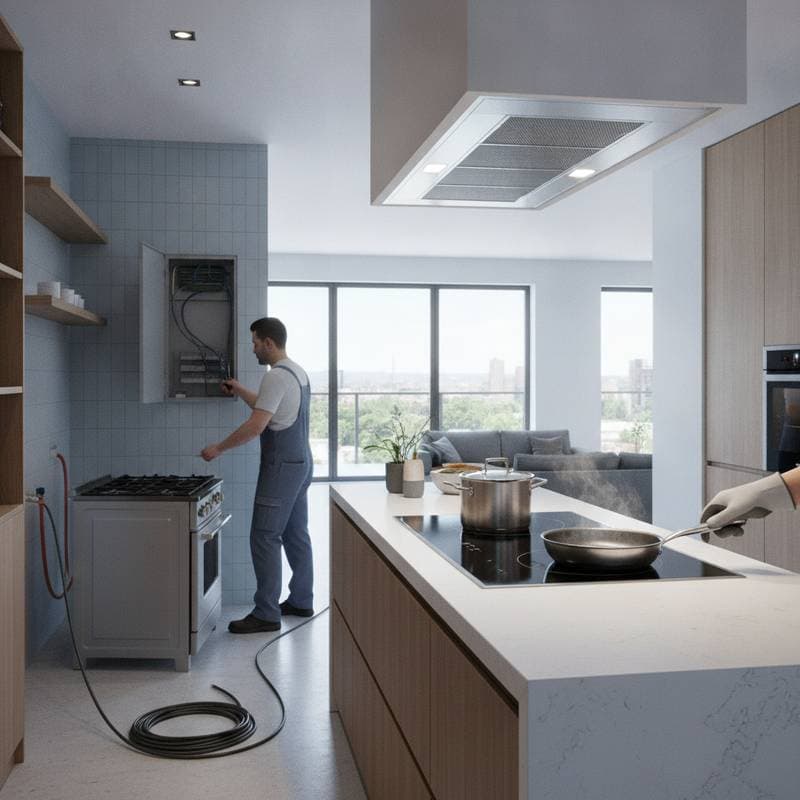
As adoption grows, integrate with living areas or outdoors using durable porcelain. For renovations, ensure ventilation and compatible wiring. Work with certified experts to align aesthetics and function.
Realizing Kitchen Potential
Invisible induction elevates kitchens to expressive realms. It delivers efficiency, safety, and elegance, transforming routines into harmonious experiences. Adopt this for a space that prioritizes connection and innovation.