Why Induction Beats Gas in Your Next Kitchen Remodel
Planning a kitchen remodel presents an opportunity to embrace innovative cooking solutions. Induction cooktops represent a significant advancement over traditional gas stoves, offering enhanced performance, safety, and design integration. These appliances utilize electromagnetic fields to heat cookware directly, resulting in efficient and responsive cooking experiences. Professional remodelers frequently recommend induction for its ability to modernize kitchens while addressing practical concerns.
Speed and Precision for Efficient Cooking
Induction cooktops excel in heating speed and temperature control. The technology generates heat through magnetic induction within compatible cookware, bypassing the need to warm the surrounding air or surface. This process allows water to reach a boil in as little as 90 seconds on high settings, compared to several minutes on gas. Adjustments to heat levels occur almost instantaneously, enabling precise simmering or rapid searing without residual heat affecting outcomes.
Such responsiveness rivals professional gas ranges while incorporating electrical efficiency. Cooks can maintain delicate temperatures for sauces on one burner and achieve high-heat stir-frying on another, minimizing the risk of overcooking. This level of control supports diverse culinary techniques, from baking preparations to everyday meal assembly.
Enhanced Safety Features for Family Environments
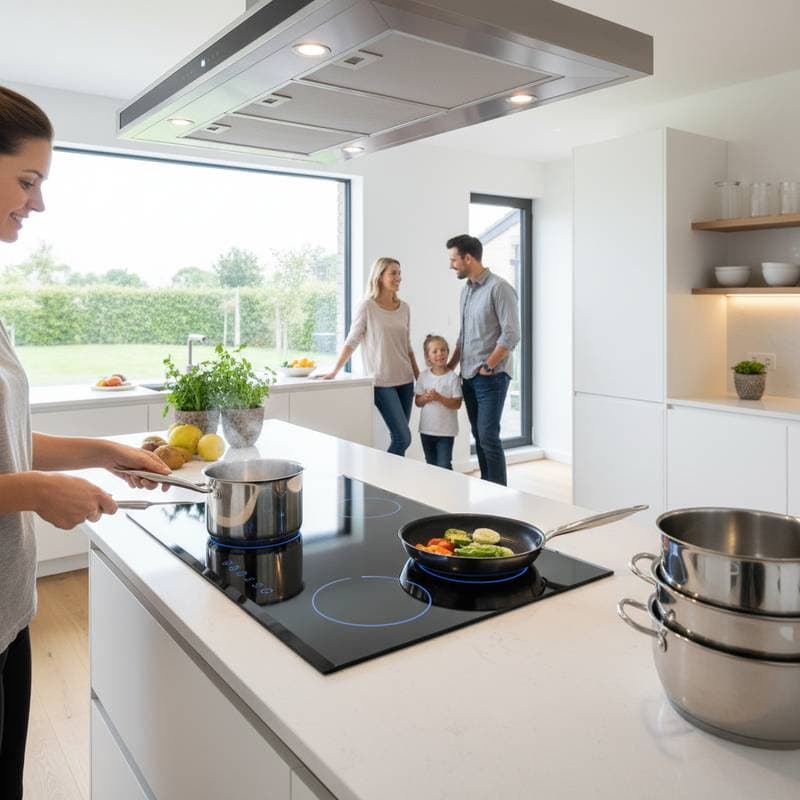
Safety remains a primary consideration in kitchen design, particularly in households with children or pets. Unlike gas stoves, which involve open flames and radiant surface heat, induction cooktops remain cool to the touch outside the cookware. The cooking surface heats only when ferromagnetic pots or pans are detected, reducing burn risks significantly.
Advanced models incorporate multiple safeguards, including automatic shut-off after inactivity, child-proof locks, and overheat protection. If a pan is removed, the zone deactivates immediately. These features contribute to a secure cooking environment, aligning with standards for modern home appliances.
Improved Indoor Air Quality and Maintenance
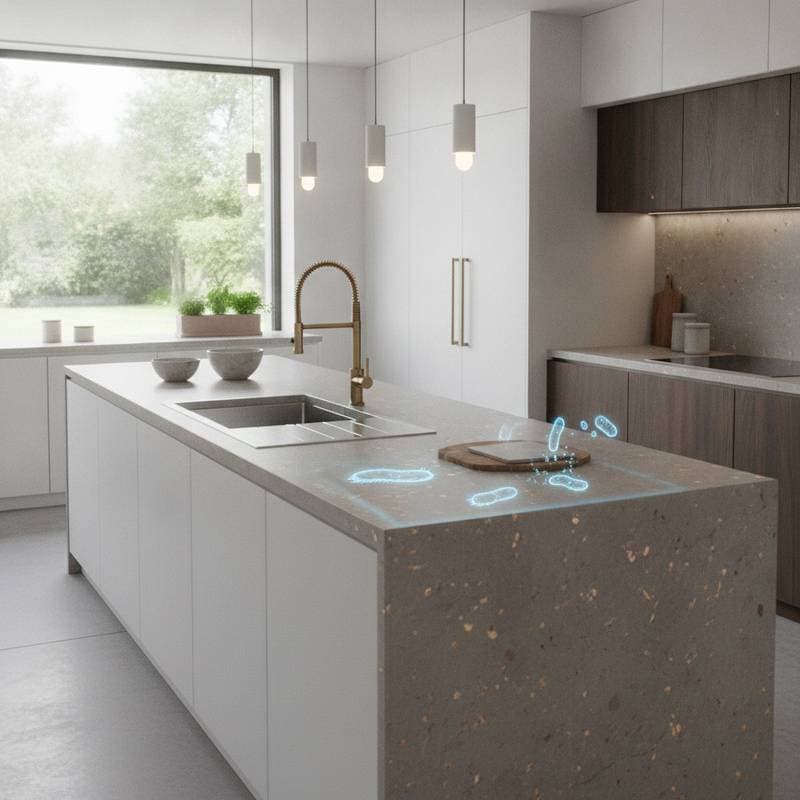
Gas combustion releases pollutants such as nitrogen dioxide and particulate matter, which can compromise indoor air quality over time. Induction cooking operates on electricity, producing no emissions at the point of use. This results in fresher kitchen air and eliminates the buildup of greasy residues on nearby surfaces.
Homeowners report noticeable improvements in ventilation needs and cleaning routines. A simple wipe with a damp cloth suffices to maintain the smooth glass surface, free from grates or crevices that trap spills. In enclosed or older kitchens, this shift supports healthier living spaces without additional air purification measures.
Design Integration for Modern Aesthetics
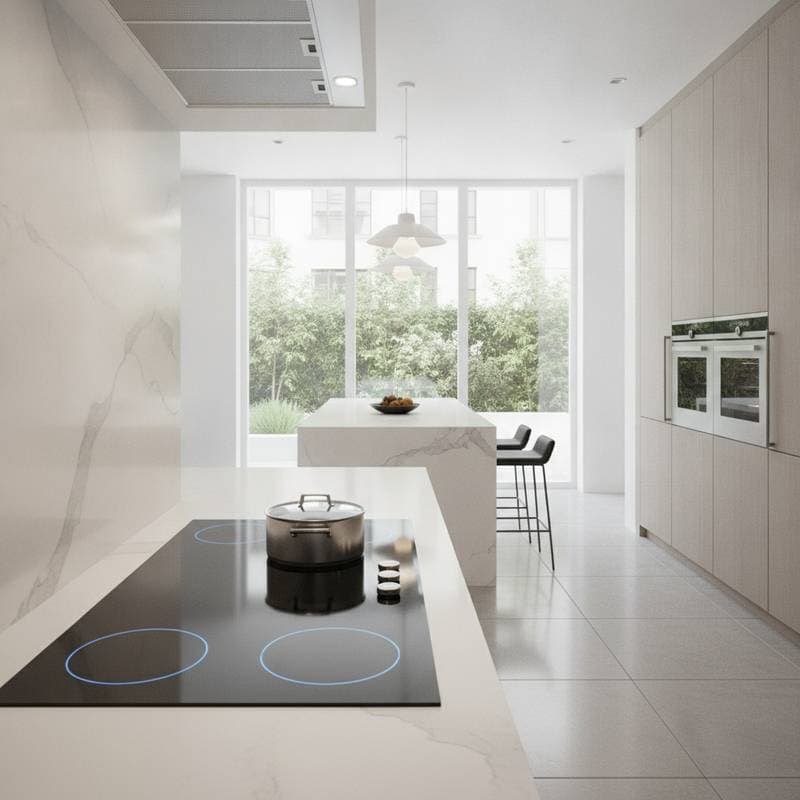
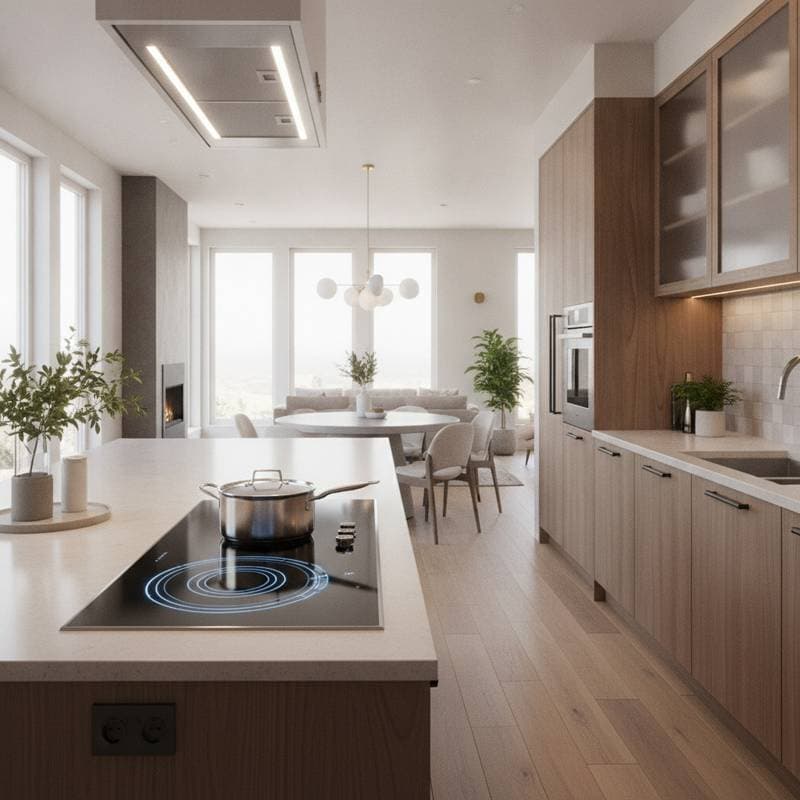
Induction cooktops enhance kitchen aesthetics through their seamless installation. Flush-mounted designs create uninterrupted countertop surfaces, promoting a clean, contemporary appearance. Available in materials like black or white ceramic glass, they blend with various cabinetry styles and allow for creative layouts.
In compact spaces, the technology maximizes usability. Users can place cutting boards directly over inactive zones to expand prep areas or incorporate portable units for flexible cooking stations. This adaptability suits urban apartments or open-plan designs, where form and function must coexist harmoniously.
Energy Savings and Cost Considerations
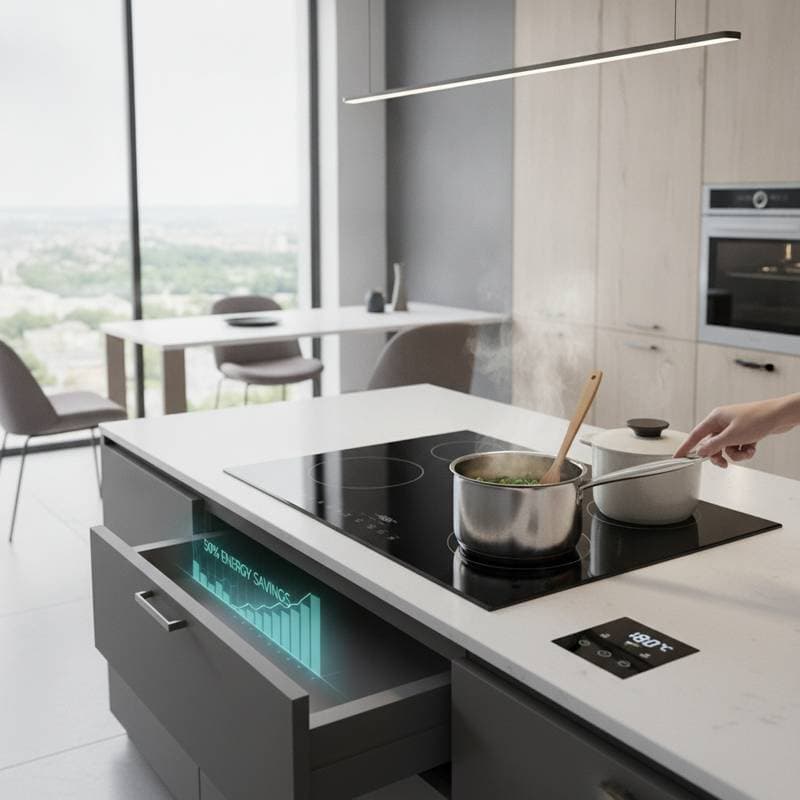
Energy efficiency distinguishes induction as a financially sound choice for long-term use. Approximately 84 percent of the energy transfers directly to the cookware, far surpassing gas stoves at 40 percent efficiency. This direct heating reduces electricity consumption, leading to measurable reductions in utility bills, often 10 to 20 percent for frequent cooks.
Initial costs vary by model: portable single-burner units start at around $50, while full-size built-ins range from $500 to over $2,000. Higher-end options include features like bridge zones for large cookware. Over time, these investments yield returns through lower operating expenses and potential rebates from energy providers.
Advanced Controls for Intuitive Operation
Contemporary induction models feature user-friendly interfaces that elevate the cooking process. Touch-sensitive panels and digital displays allow precise temperature settings, often in increments of 5 degrees Fahrenheit. Integrated timers and boost functions provide automated assistance for tasks like boiling or frying.
Connectivity options enable integration with smart home systems, such as automatic hood activation based on cooking intensity. Cleaning requires minimal effort; the flat surface resists staining and wipes clean in seconds. These elements combine to deliver a streamlined experience that feels both innovative and accessible.
Health Benefits Through Cleaner Cooking
Induction supports healthier meal preparation by avoiding combustion byproducts. Even cooking distribution prevents hot spots that lead to nutrient degradation or charring. This method preserves flavors and nutritional value, particularly in vegetables and proteins.
Individuals with respiratory sensitivities benefit from the absence of gas fumes. Families transitioning to induction often note reduced reliance on exhaust fans, fostering a more comfortable cooking atmosphere. Overall, the technology aligns with wellness-focused home designs.
Practical Steps for a Smooth Transition
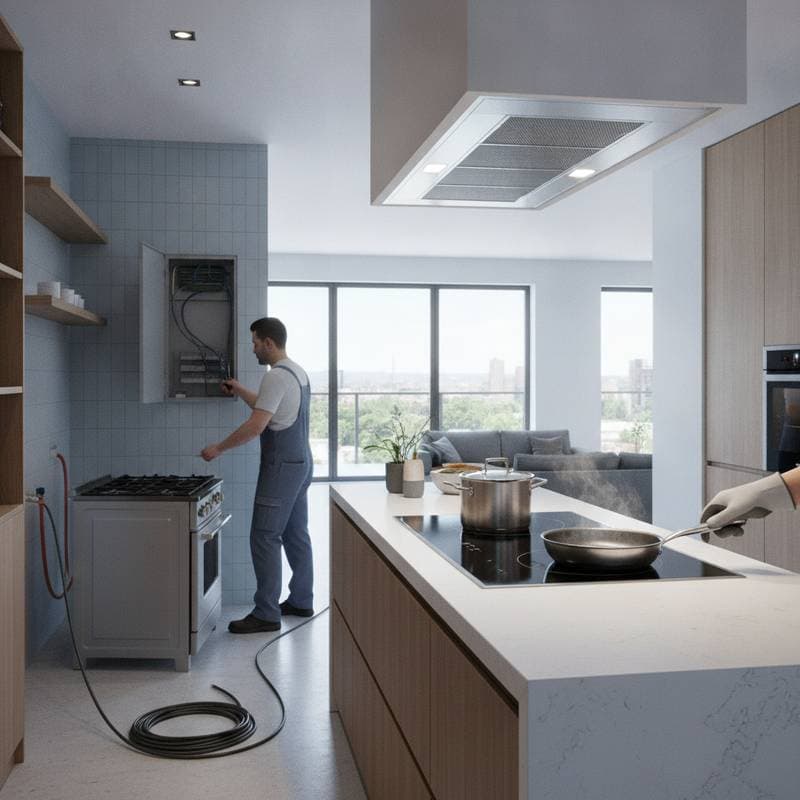
Transitioning to induction requires thoughtful preparation to ensure compatibility and affordability. Begin by assessing electrical infrastructure; most units demand a 240-volt dedicated circuit, which a licensed electrician can verify or install for $200 to $500.
Consider starting with portable models that connect to standard 120-volt outlets, allowing experimentation without major renovations. Utility companies frequently provide rebates up to $600 for energy-efficient appliances. For hybrid setups, retain a single gas burner for specific needs like wok cooking while prioritizing induction for routine use.
- Consult an electrician for power requirements.
- Select cookware with flat, magnetic bases for optimal performance.
- Research local incentives to offset upfront costs.
- Test portable units to confirm suitability before committing to built-ins.
Embracing Induction for Everyday Excellence
Adopting induction cooktops transforms daily routines into efficient, enjoyable activities. The synergy of performance, safety, and style creates kitchens that adapt to modern lifestyles. Homeowners gain not only practical advantages but also a sense of empowerment in their culinary spaces.
This upgrade extends beyond functionality to foster creativity and well-being. Whether outfitting a spacious family hub or a streamlined urban kitchen, induction delivers reliable innovation that enhances every meal prepared.