Induction Zones: Revolutionizing Kitchens by 2026
The kitchen has long served as a mirror to changes in daily life, evolving from open flames to controlled electric and gas systems. Induction zones represent the latest advancement in this progression. These innovative cooktops employ electromagnetic fields to heat pots and pans directly, providing precise control and efficiency that professional kitchens have long utilized.
Home cooks benefit from this technology through faster cooking times and reduced energy use. Manufacturers continue to innovate, integrating sensors that adjust power based on cookware size. By 2026, induction zones will dominate kitchen designs, offering a blend of performance and style that elevates routine meal preparation.
The Science Behind the Surface
Induction zones operate through electromagnetic induction, where an alternating current generates a magnetic field beneath the cooktop surface. This field induces heat within compatible cookware, bypassing the need to warm the surrounding material. As a result, the glass remains safe to touch even during intense cooking sessions.
This direct heating method achieves boiling water in under two minutes and supports instant adjustments from low simmer to high sear. Leading brands like Miele, Bosch, and Fisher & Paykel incorporate automatic pan detection in their models. These features ensure that power focuses only on the cookware base, minimizing energy loss and allowing for customizable zone configurations.
Users can experiment with various pot sizes without repositioning, as the system adapts in real time. Safety protocols shut off unused zones after a set period, preventing accidents. Overall, this technology delivers a cooking environment that prioritizes precision and conservation.
Aesthetics of Minimalism
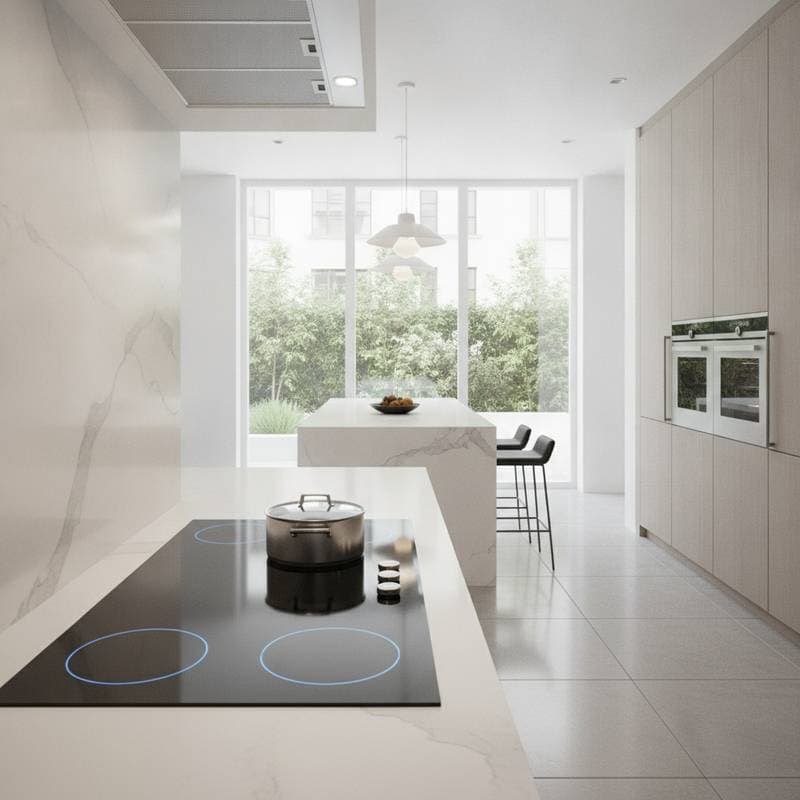
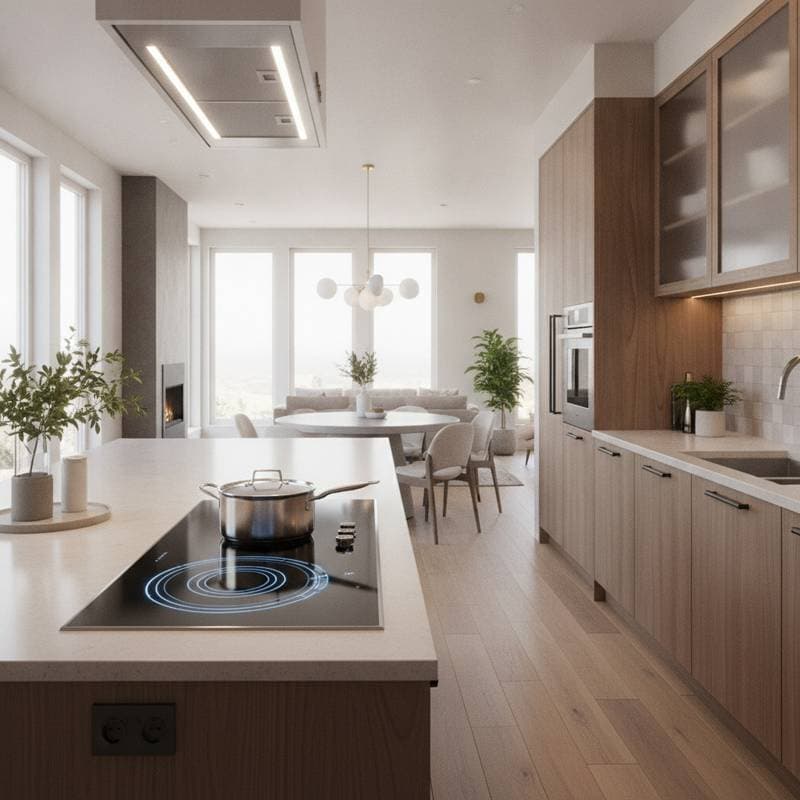
Induction zones align seamlessly with contemporary design principles, featuring smooth black ceramic glass that creates uninterrupted counter surfaces. Subtle finishes in graphite or slate enhance the visual appeal without drawing attention away from the kitchen's overall layout. This minimalist approach supports open-concept spaces where functionality meets elegance.
Integrated systems, such as the Bora Professional 3.0 downdraft ventilation, extract fumes directly from the cooking area. This setup eliminates the need for overhead hoods, preserving sightlines and architectural flow. Architects like Elena Navarro of Studio Nara highlight induction zones as embodiments of functional minimalism, ideal for monolithic kitchen islands that serve multiple purposes.
In practice, these cooktops encourage the use of bold countertop materials, from polished marble to textured laminates. The result is a cohesive space that feels both modern and inviting. Homeowners achieve a polished look with minimal visual clutter, fostering an environment conducive to social gatherings.
Freedom in Zoning
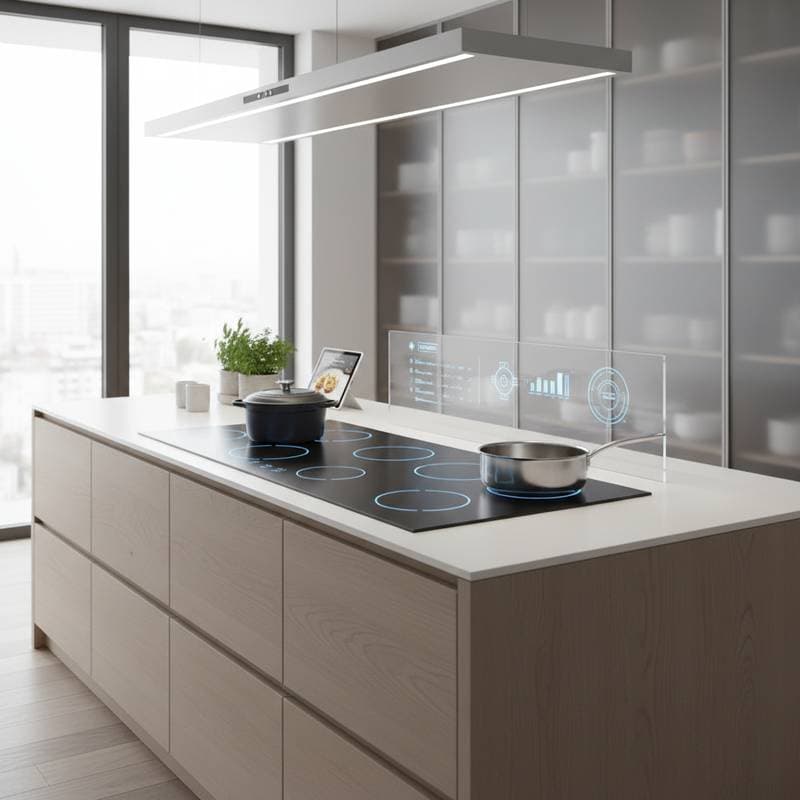
Flexible zoning sets induction zones apart from traditional fixed-burner setups. Advanced models detect cookware placement across the entire surface, activating heat precisely where needed. This adaptability accommodates everything from a single large stockpot to several smaller saucepans simultaneously.
The Gaggenau Flex Induction Series demonstrates this capability through bridge modes that combine multiple zones into one expansive area. Cooks gain the liberty to arrange utensils intuitively, mirroring the spontaneity of real meal preparation. Such designs prove especially valuable in open-plan kitchens, where cooking integrates with living areas.
To maximize this feature, select cookware with flat, magnetic bases for optimal contact. Experiment with layouts during installation to match household cooking habits. This modular flexibility transforms the cooktop into a versatile tool that evolves with user needs.
Material Integrity and Maintenance
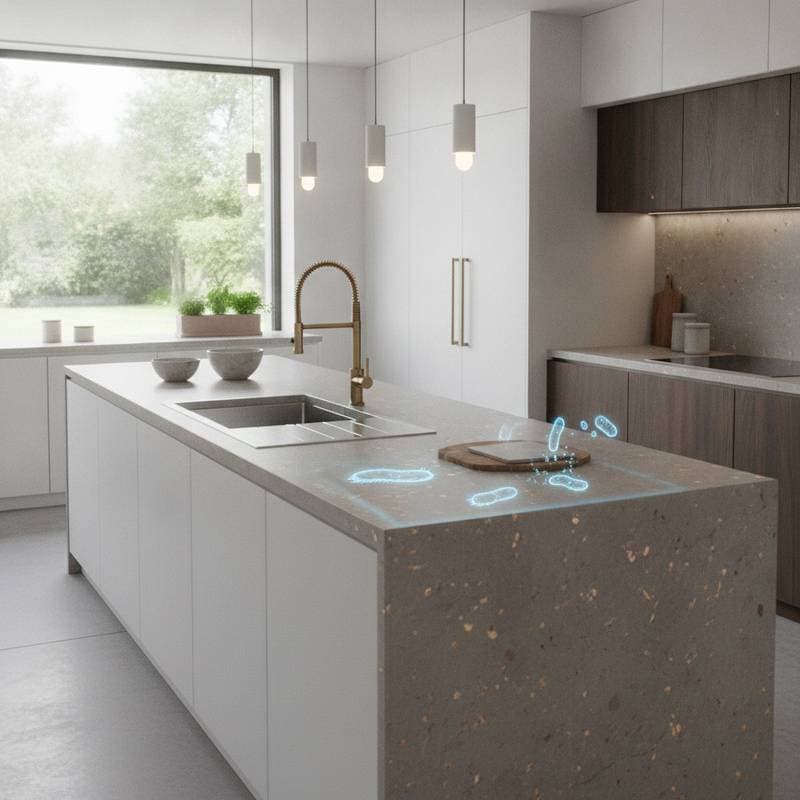
Induction technology preserves the durability of adjacent surfaces by limiting heat exposure to the cookware alone. Countertops crafted from natural stone, quartz composites, or sintered porcelain withstand daily use without cracking from thermal expansion. This compatibility extends the lifespan of high-end kitchen investments.
Maintenance requires minimal effort; spills wipe away easily since they do not adhere to a hot surface. Use a soft cloth with a non-abrasive cleaner to maintain the glass's pristine condition. Pairing induction zones with matte options like Dekton Kelya or Caesarstone Rugged Concrete introduces textural variety that complements the glossy cooktop.
Regular care involves checking seals around edges for any residue buildup. Avoid harsh chemicals that could etch the surface over time. These practices ensure the kitchen retains its aesthetic and functional integrity for years.
Intelligent Control and Connectivity
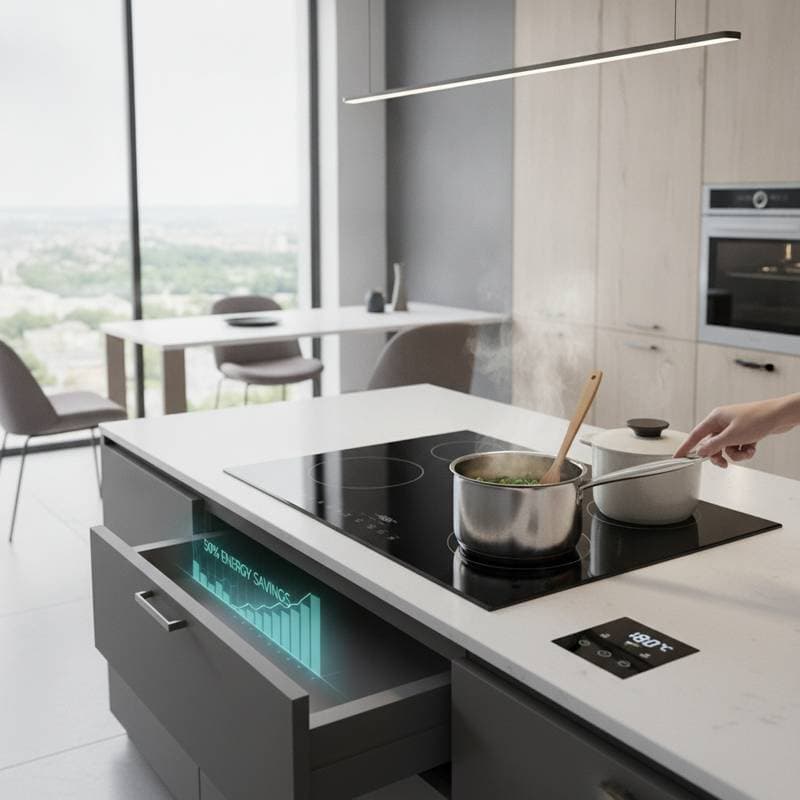
Modern induction systems feature intuitive digital controls that display temperatures with one-degree accuracy. Touch-sensitive interfaces respond to gestures, allowing seamless adjustments without interrupting the cooking process. Connectivity options link these appliances to smartphones for remote monitoring and recipe guidance.
Chef Marcus Leung of Maison Atelier Kitchens notes the precision: Induction gives us control at the molecular level. It is the difference between heat as an element and heat as a tool. Home users access similar benefits through app integrations that suggest power levels for specific dishes.
Voice-activated commands further streamline operations, compatible with popular smart home ecosystems. Security features protect against unauthorized access, ensuring family safety. This level of integration positions induction zones as central hubs in connected kitchens.
Integrating Induction into Daily Life
Adopting induction zones reshapes kitchen routines by promoting efficiency and creativity. Quieter operation and flame-free design reduce distractions, allowing focus on flavors and techniques. Pair these cooktops with compatible utensils and ambient lighting to fully realize their potential.
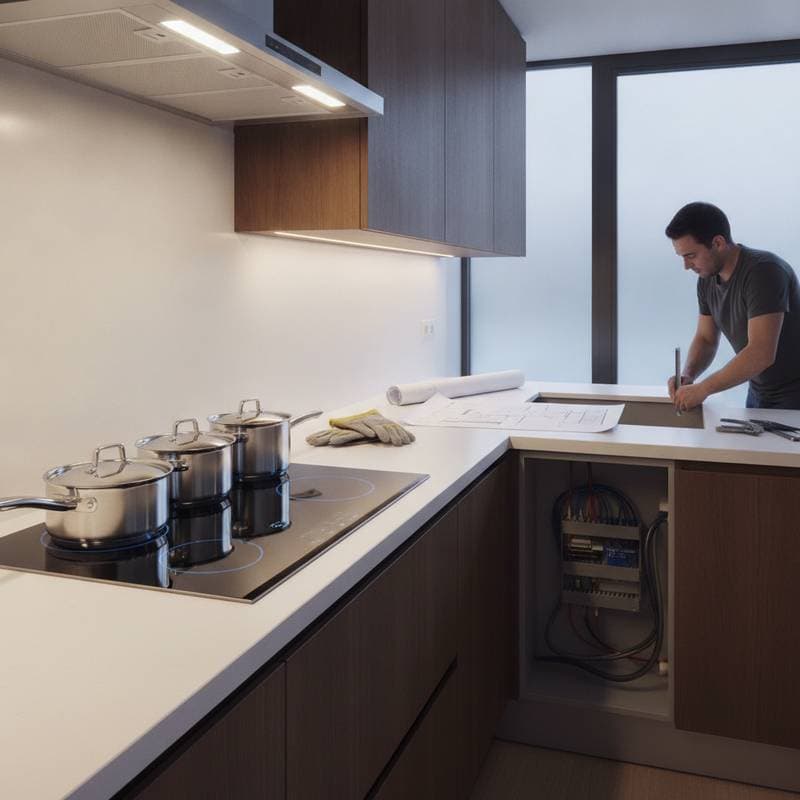
For those upgrading, consult professionals to assess electrical requirements and layout compatibility. Invest in quality ferromagnetic cookware to unlock full performance. By 2026, these elements will define kitchens that balance innovation with everyday practicality, turning meal times into moments of genuine enjoyment.