The Rise of All-Electric Kitchens in 2026
Kitchens have transformed across eras, shifting from basic utility spaces to vibrant centers of family life and creativity. The latest evolution centers on induction cooktops, which deliver precise heat through sleek glass surfaces. This technology anchors the all-electric kitchen, promoting cleaner air, greater efficiency, and refined aesthetics that align with modern values of sustainability and comfort.
Designers now approach kitchens holistically, integrating appliances with cabinetry, lighting, and ventilation systems. Traditional gas-focused layouts give way to fluid, integrated designs. The outcome creates serene environments where form and function harmonize seamlessly.
The Cultural Significance of All-Electric Design
Adopting all-electric kitchens signals a deeper commitment to environmental responsibility and improved indoor living. Homeowners and builders prioritize reduced emissions, enhanced air quality, and simplified infrastructure. Architect Leona Kim of Kim Atelier describes this as a return to essential purity in design and intent.
Gas lines disappear, freeing walls for storage solutions or artistic displays. Construction processes streamline, cutting costs and timelines. These kitchens embody wellness through cooler surfaces, minimal noise, and pure atmospheres that support focused daily routines.
Design Ripples Across Spaces
The all-electric trend extends beyond homes to commercial venues like boutique hotels, culinary institutes, and luxury yachts. Induction offers unmatched safety, energy savings, and adaptable layouts in these settings. Designers rethink furniture, lighting, and storage to complement cooking zones.
Dining and preparation areas merge without harsh material barriers. Stable temperatures from induction permit textiles such as wool or linen near cooking surfaces. Large-format porcelain or terrazzo flooring creates continuous, cohesive flows that enhance openness and social interaction.
Seamless Integration of Smart Technology
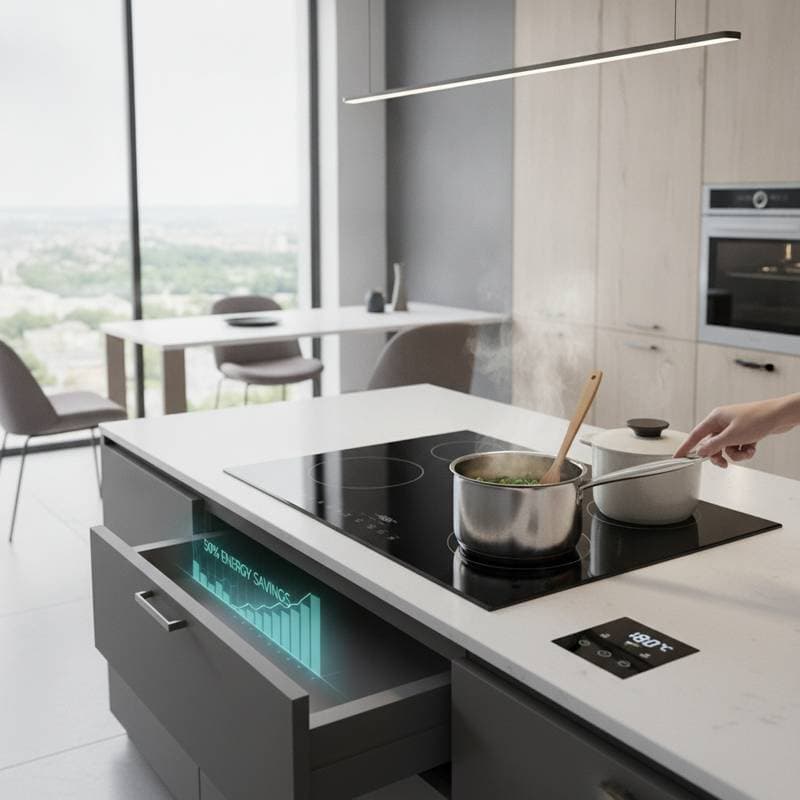
Induction cooktops form the backbone of intelligent all-electric systems. These units connect with ventilation to modulate airflow based on cooking activity. Advanced models link to smart scales or recipe apps, fine-tuning temperatures for optimal results.
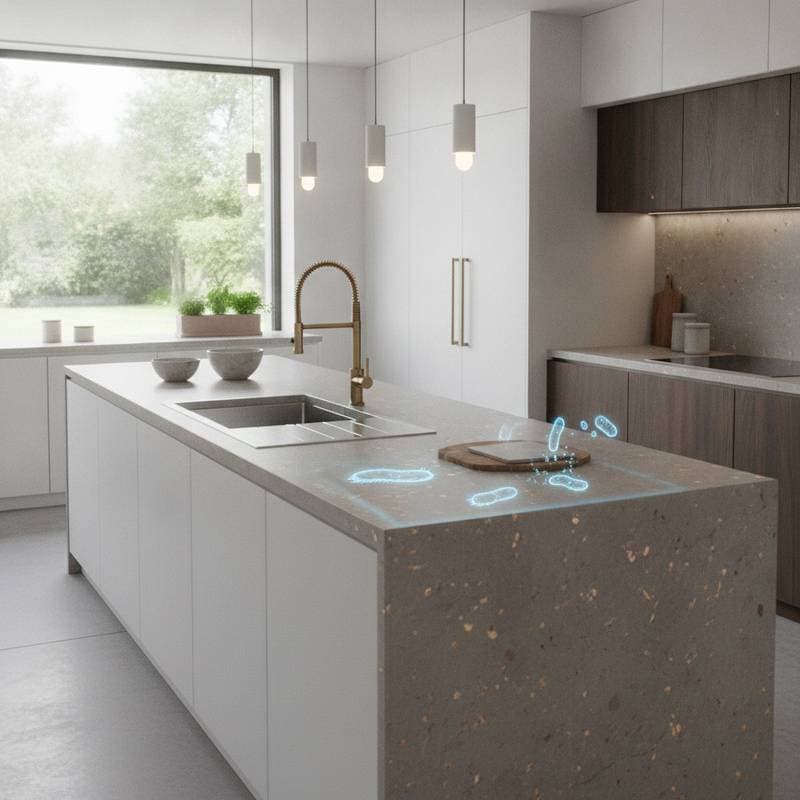
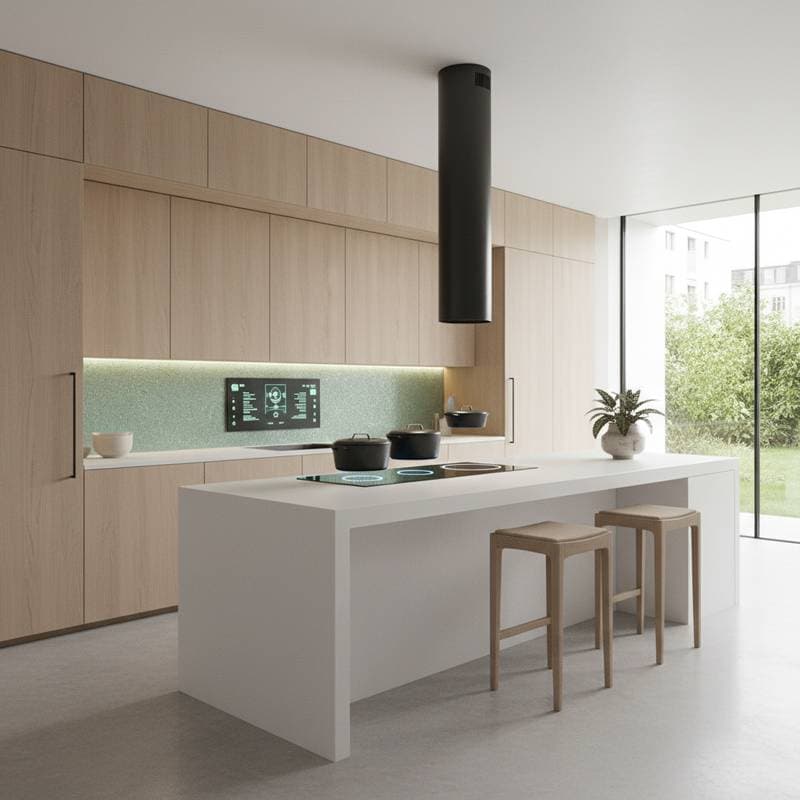
Studio Formicola specializes in concealing tech within reconstituted stone surfaces. Touch-activated digital controls glow only during use, preserving a clean aesthetic. This approach ensures technology enhances usability without dominating the visual narrative.
The Sensory Experience of Induction Cooking
Induction alters the cooking process fundamentally, replacing flame visuals with subtle audio and visual cues. A soft hum accompanies instant pan heating, fostering a composed atmosphere. Chef Luca Ferretti of Atelier Ferretti calls it a dialogue between intent and ingredients, emphasizing control and immediacy.
Home cooks discover a meditative quality in this method, promoting mindfulness over frenzy. Designers enhance the mood with layered lighting, including cove fixtures or under-shelf LEDs. These elements highlight the glass surface's reflections, creating an inviting, film-like ambiance.
Advancements in Kitchen Materials
Induction compatibility drives innovation in cookware and surrounding elements. Ferrous materials like carbon steel, enameled cast iron, and multi-layer stainless steel gain prominence for their performance and elegance. These items double as functional art pieces.
Cabinetry benefits from reduced heat exposure, allowing delicate finishes such as matte lacquer, smoked oak, or shagreen. Countertops in Caesarstone Organic White or Neolith Basalt Black withstand daily use while retaining vibrancy. Without combustion residues, colors remain true, and surfaces age with enduring appeal.
The Kitchen Island as Central Hub
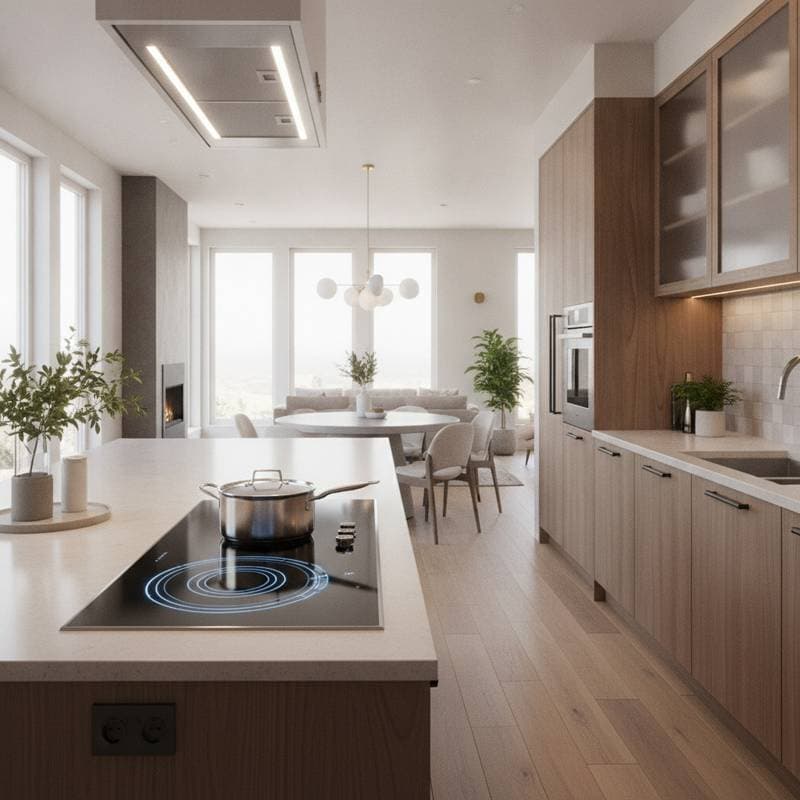
Induction simplifies surfaces, elevating the island to a versatile command center. This zone supports preparation, dining, and gatherings with enhanced safety and accessibility. Designers like Marta Delgado of Studio M Interiors embed cooktops flush into quartzite or Dekton Aura slabs.
Inactive zones blend into the stone expanse, smoothing transitions between activities. Freed from gas and overhead vents, islands gain ergonomic flexibility in height and features. Integrated LED lighting, pull-out drawers, and hidden outlets deliver intuitive support.
Redefining Ventilation Strategies
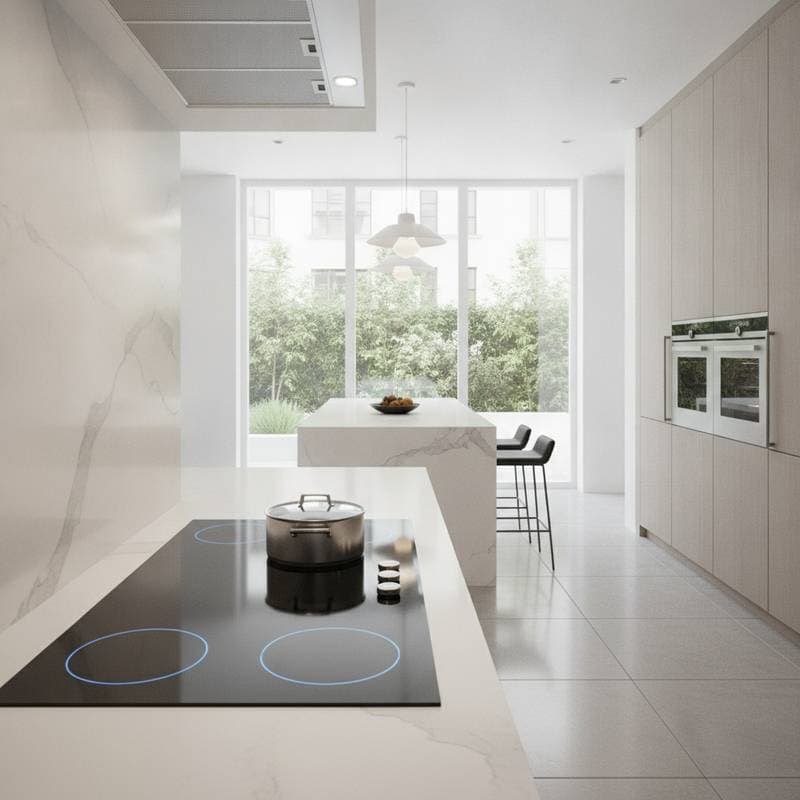
Induction reduces grease and smoke production, transforming ventilation design. Traditional overhead hoods become obsolete as downdraft systems from Bora or Elica pull air directly downward. This approach opens walls for artwork, open shelving, or expansive tile patterns.
Ceilings gain creative freedom with options like sculpted plaster or wood slats that span into adjacent rooms. The space feels airy and structured, prioritizing intentional elements. Ventilation now integrates as a subtle enhancer rather than a dominant fixture.
Harmonizing Aesthetics and Materials
Induction cooktops embody minimalism with their smooth glass planes in black or graphite tones. Brands such as Gaggenau, Miele, and Fisher & Paykel embed controls below the surface, using brushed aluminum edges for a flush fit. This design eliminates distractions and promotes geometric serenity.
Pair these with natural textures like honed marble, rift-cut white oak, or brushed brass to balance tech and organic elements. Benjamin Moore Chantilly Lace cabinetry contrasts the glass's depth with soft brightness. Light flows freely over unobstructed surfaces, fostering spaciousness and proportion.
Practical Steps for Transitioning to All-Electric
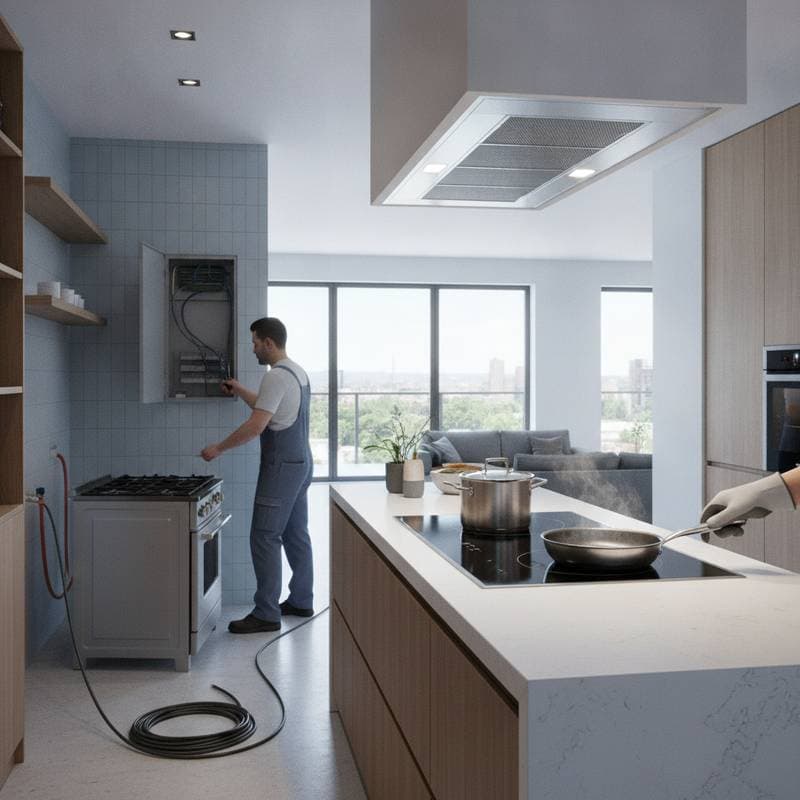
Planning an all-electric kitchen starts with layout assessment, as induction offers placement versatility. Verify electrical capacity early, particularly in legacy homes, to avoid disruptions. Combine with efficient ovens, dishwashers, and refrigerators for system synergy.
Select compatible cookware and finishes that align with your vision. Consult professionals to optimize power distribution and ergonomics. This investment yields a space of precision, sustainability, and enduring style that enriches everyday life.