Induction Cooking: A Superior Alternative to Gas by 2026
Induction cooking represents a significant advancement in kitchen technology, offering speed, precision, and sustainability. This method heats cookware directly through electromagnetic fields, eliminating the inefficiencies of gas flames. As regulations phase out new gas installations in many regions by 2026, homeowners benefit from cleaner, safer cooking options that align with modern design and environmental goals.
Professionals in kitchen design recognize induction as a transformative element. It enhances functionality without compromising aesthetics, making it suitable for various budgets and spaces. The following sections explore the advantages of induction over gas, from health benefits to practical implementation strategies.
Addressing Indoor Air Quality Concerns
Gas stoves contribute to indoor air pollution by emitting nitrogen dioxide, carbon monoxide, and particulate matter during combustion. These pollutants can irritate respiratory systems and exacerbate conditions like asthma, particularly in homes without adequate ventilation. Research from environmental health organizations highlights the need for alternatives to mitigate these risks.
Switching to induction eliminates combustion entirely, resulting in fresher air and reduced health hazards. Homeowners report noticeable improvements in air quality after installation, especially in compact kitchens. To transition effectively, consult local building codes to confirm compatibility with existing electrical systems.
Enhancing Kitchen Design Flexibility
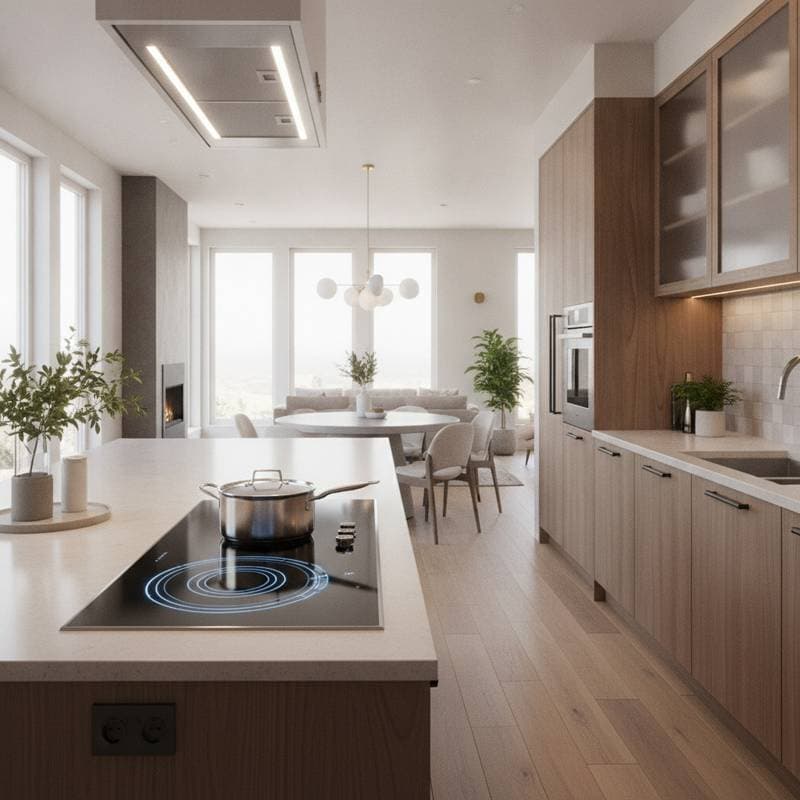
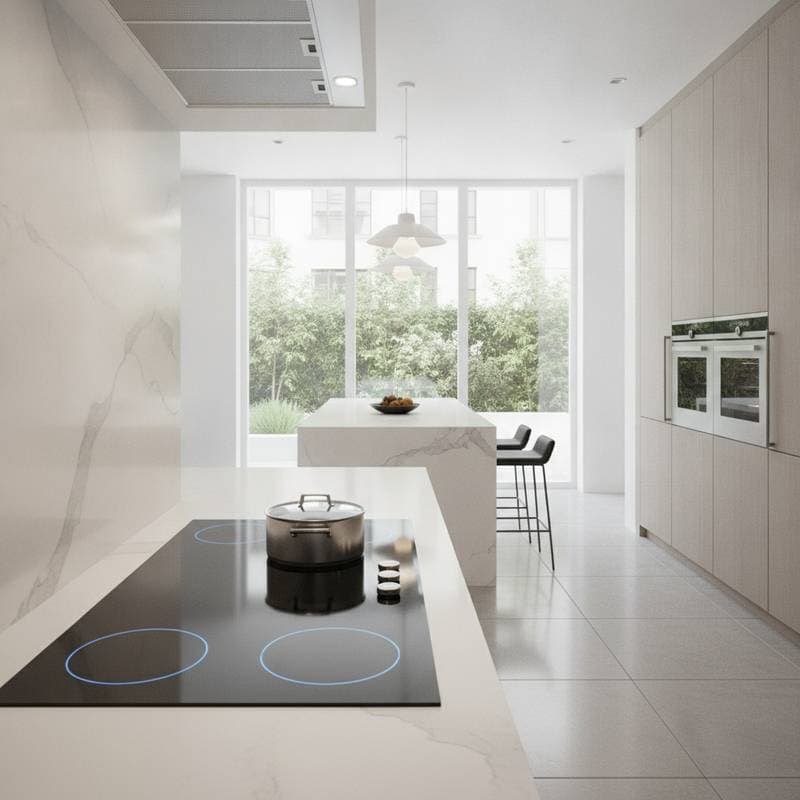
Induction cooktops integrate seamlessly into diverse kitchen layouts, freeing designers from the constraints of gas lines and extensive venting. This allows for open sightlines, additional storage, and innovative island configurations that prioritize both form and function. In professional settings, such as television productions, induction units provide a clean, unobtrusive surface that supports creative staging.
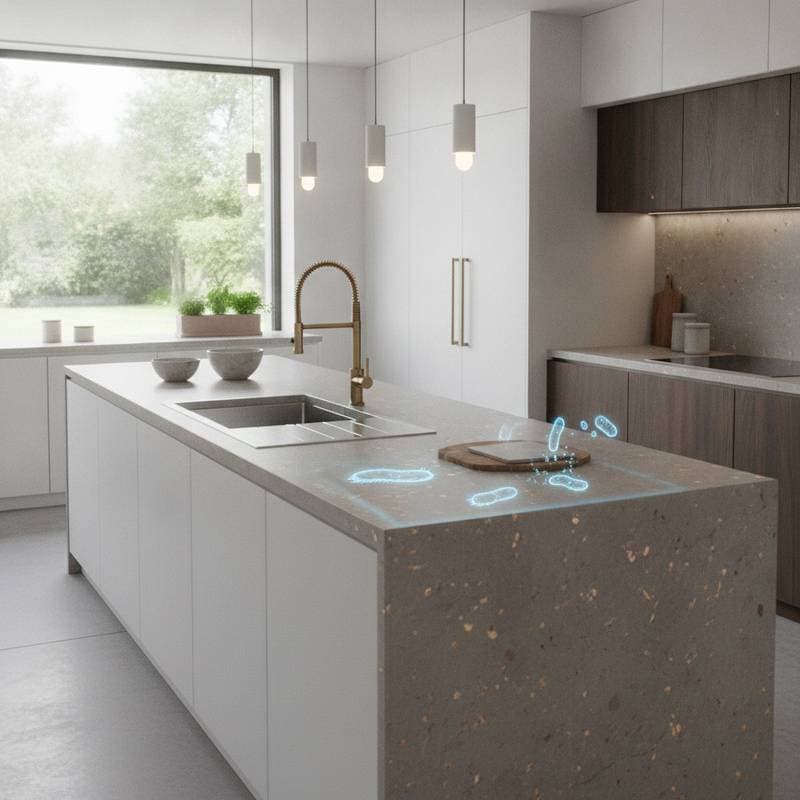
Pair induction with durable countertop materials like quartz or recycled composites, as the surface remains cool outside the cookware area, minimizing heat damage risks. For a concealed design, embed the cooktop flush with the counter; when powered off, it blends invisibly with surrounding surfaces. Consider downdraft ventilation options to maintain airflow without overhead hoods, preserving architectural openness.
Performance Advantages Over Gas
Professional chefs increasingly adopt induction for its rapid heat response and precise temperature control, surpassing gas in consistency for tasks like simmering sauces or searing proteins. Unlike gas, which loses heat to the surrounding air, induction transfers energy directly to the pan, boiling water in half the time and reducing overall cooking duration.
To experience these benefits, select cookware with a flat, ferromagnetic base, such as cast iron or stainless steel, for optimal efficiency. Induction ranges offer multiple zones with independent controls, allowing simultaneous preparation of dishes at varied temperatures. After a brief adjustment period, users appreciate the enhanced control and energy savings compared to traditional gas methods.
Promoting Healthier Living Environments
By avoiding open flames and exhaust gases, induction cooktops create safer cooking spaces, particularly for households with children or individuals sensitive to allergens. The absence of combustion byproducts maintains cooler ambient temperatures, reducing the need for constant ventilation and improving comfort during meal preparation.
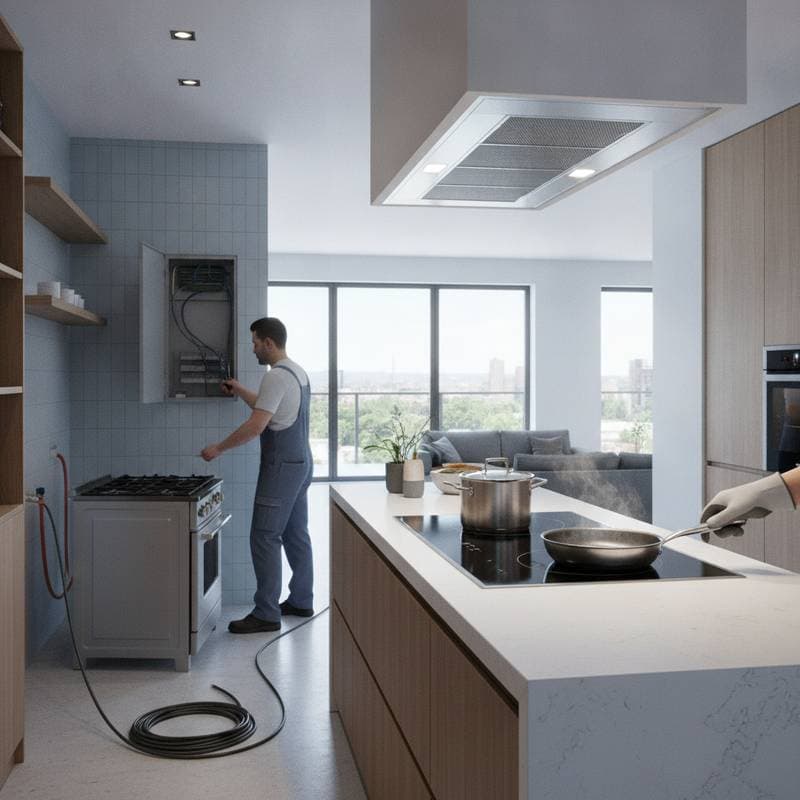
In one documented apartment renovation, installing an induction range transformed a poorly ventilated kitchen into a more livable area. Cooking times shortened, and residents noted sustained clarity in the air. Prioritize models with built-in safety features, such as automatic shut-off, to further protect family members.
Advancing Sustainable Kitchen Practices
Induction cooking aligns with global sustainability efforts by utilizing electricity more efficiently than gas, potentially lowering household carbon emissions when powered by renewable sources. Paired with solar panels or grid improvements, it positions the kitchen as a hub for eco-friendly operations, extending the lifespan of appliances through durable construction.
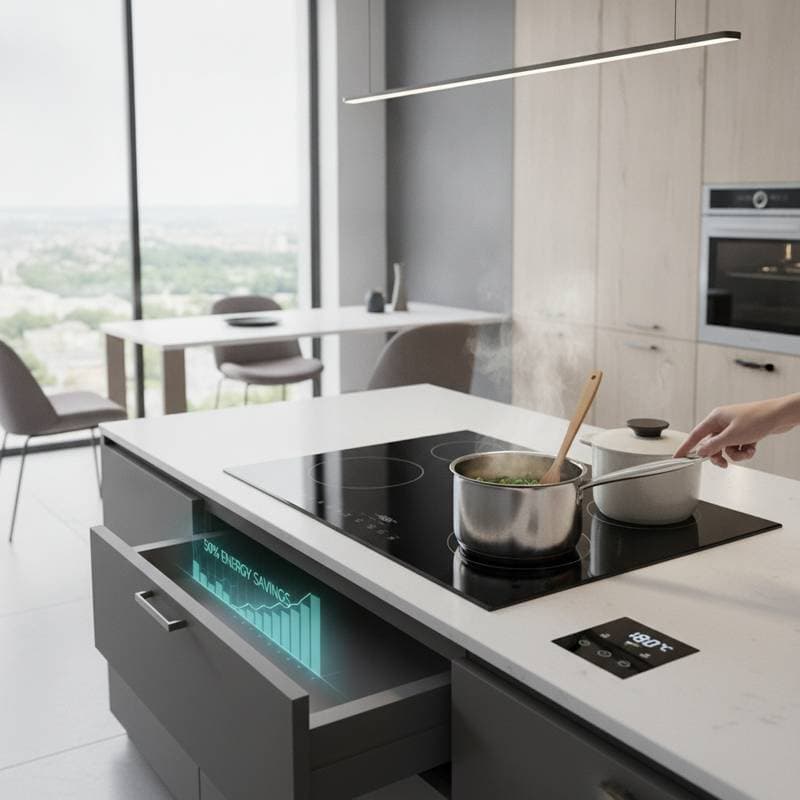
Small-scale adoption yields meaningful impacts; for instance, a single induction unit can reduce energy consumption by up to 10 percent compared to gas equivalents. Invest in energy-efficient models certified for low standby power to maximize long-term environmental benefits. This approach integrates seamlessly with broader home sustainability initiatives.
Integrating Induction into Daily Routines
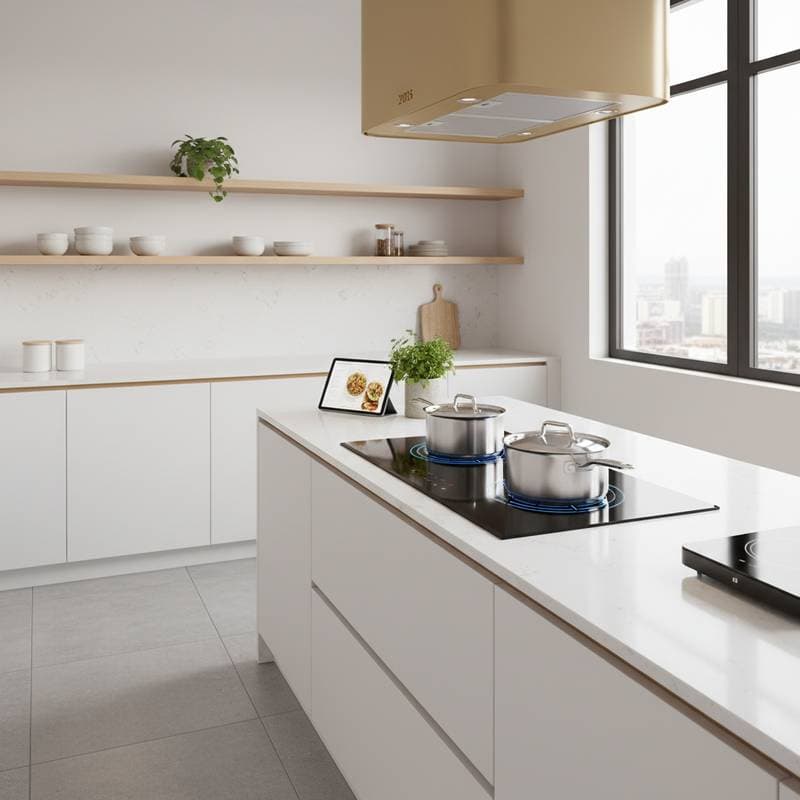
Adapting to induction enhances everyday cooking with intuitive controls and easy maintenance. Wipe the surface clean after use, as it cools quickly and resists staining. The low-profile design maximizes counter space, ideal for prep work or serving directly from the cooktop.
For renovations, position the unit to facilitate workflow, such as centering it on an island for collaborative cooking. Experiment with ambient lighting to highlight the sleek surface, and select accessories like compatible lids to retain heat during resting periods. These adjustments elevate the kitchen's role as a central, efficient space.
Steps to Transition to Induction Cooking
Begin by assessing your kitchen's electrical capacity; most homes require a 240-volt outlet, which an electrician can install for under $500 in many cases. Choose between portable burners for testing or full built-in ranges for permanent setups, starting at $300 for basic models.
Measure your space to ensure fit, and verify cookware compatibility by testing with a magnet. Consult certified installers to handle wiring and compliance with 2026 gas phase-out regulations. Track energy savings post-installation to quantify the investment's value, typically recouped through reduced utility bills within two years.
Embracing induction not only meets impending standards but also delivers immediate improvements in efficiency, safety, and design. This shift empowers homeowners to create kitchens that support healthier, more sustainable lifestyles.