Why Induction Cooktops Outperform Gas Stoves in 2026 Kitchens
Modern kitchens evolve rapidly, with induction cooking emerging as a superior alternative to gas stoves. Homeowners, professional chefs, and designers increasingly favor induction for its efficiency, precision, and safety. This technology integrates seamlessly into new builds or renovations, offering a path to cleaner, more effective cooking spaces. The following sections explore the key advantages that position induction as the leading choice for 2026.
How Induction Technology Works
Induction cooktops employ electromagnetic fields to heat cookware directly, bypassing the need to warm the cooking surface. This direct heating method accelerates the process and minimizes energy loss. For instance, water reaches a boil in under two minutes on most models, compared to longer times on gas.
Key features include:
- Precise temperature adjustments that respond immediately to changes.
- Uniform heat across the pan base, eliminating uneven cooking.
- A surface that remains cool to the touch, enhancing comfort during extended use.
These elements combine to deliver reliable performance suitable for both everyday meals and complex recipes.
Improving Indoor Air Quality
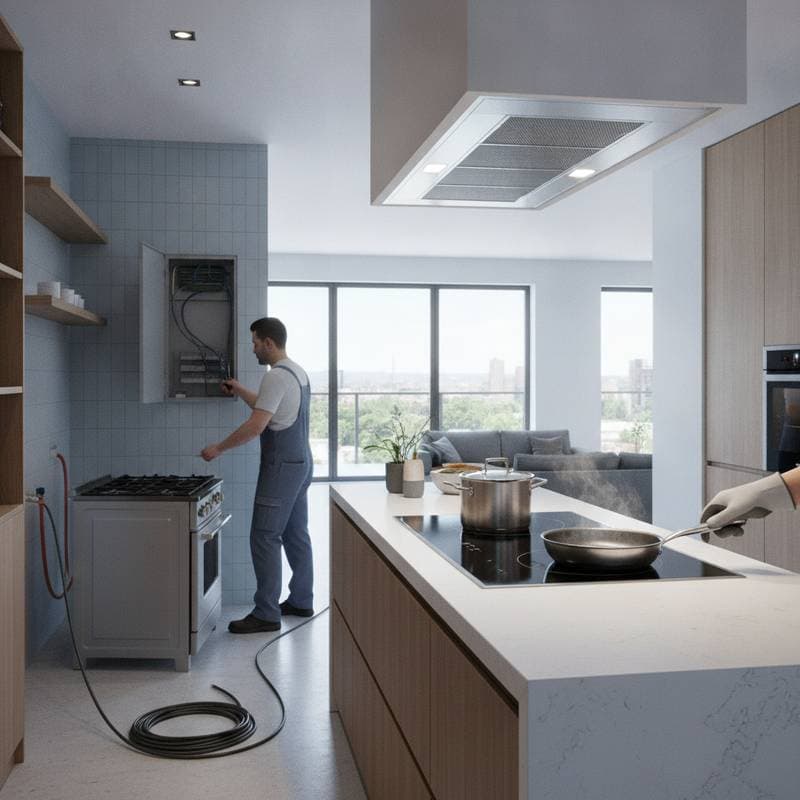
Gas stoves emit nitrogen dioxide and other pollutants, which can compromise household health over time. Induction eliminates these emissions entirely, promoting fresher air. Families with respiratory concerns or young children benefit most from this shift.
In one renovation project, a household with an asthmatic child reported noticeable improvements in air freshness and reduced irritation after installing induction. Odors dissipate quickly, and no combustion byproducts linger. This focus on health aligns with broader trends in sustainable home design.
Enhanced Speed and Control
Induction provides rapid heating and responsive adjustments, ideal for dynamic cooking tasks. A steak sears in moments, and temperatures drop instantly for simmering sauces. This control surpasses gas, where flames require manual tweaking.
Performance highlights encompass:
- Boiling water in approximately half the time of gas equivalents.
- Immediate response to dial changes, reducing wait periods.
- Steady low-heat maintenance for delicate preparations.
Professional kitchens adopt induction for these reasons, as it supports multitasking and consistent results.
Superior Energy Efficiency
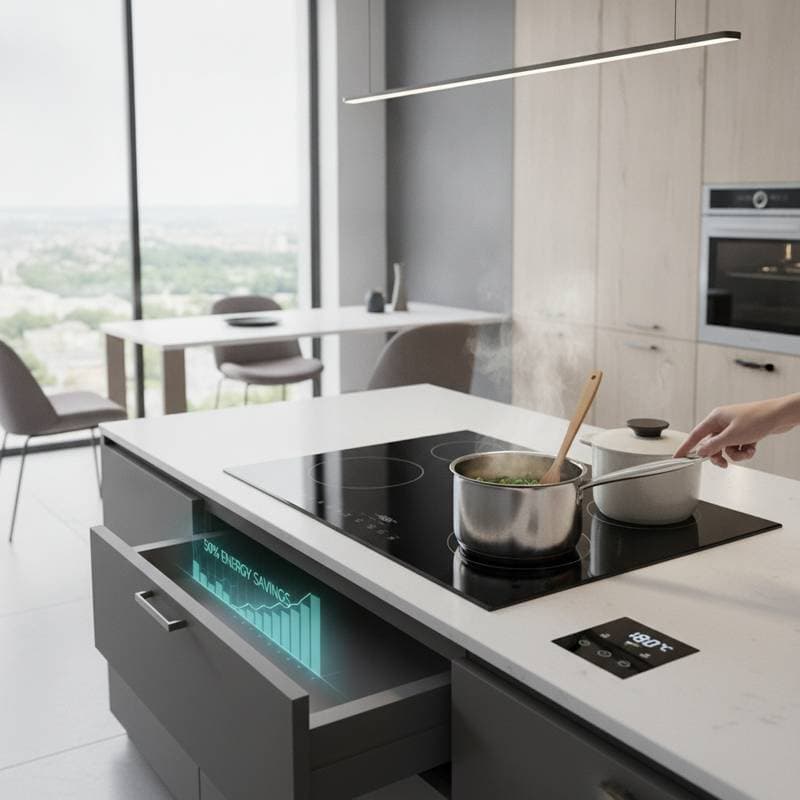
Induction transfers up to 90 percent of energy to the food, far exceeding gas's 40 to 55 percent efficiency. Lower energy use translates to reduced utility costs over time. Homeowners achieve these savings without compromising cooking quality.
Affordable options span budgets:
- Basic models priced from $300 to $500 suit compact spaces.
- Mid-tier units at $700 to $1,200 include intuitive controls.
- Premium ranges above $2,000 feature advanced connectivity.
Selecting the right model ensures long-term value through decreased operational expenses.
Aesthetic and Practical Design Integration
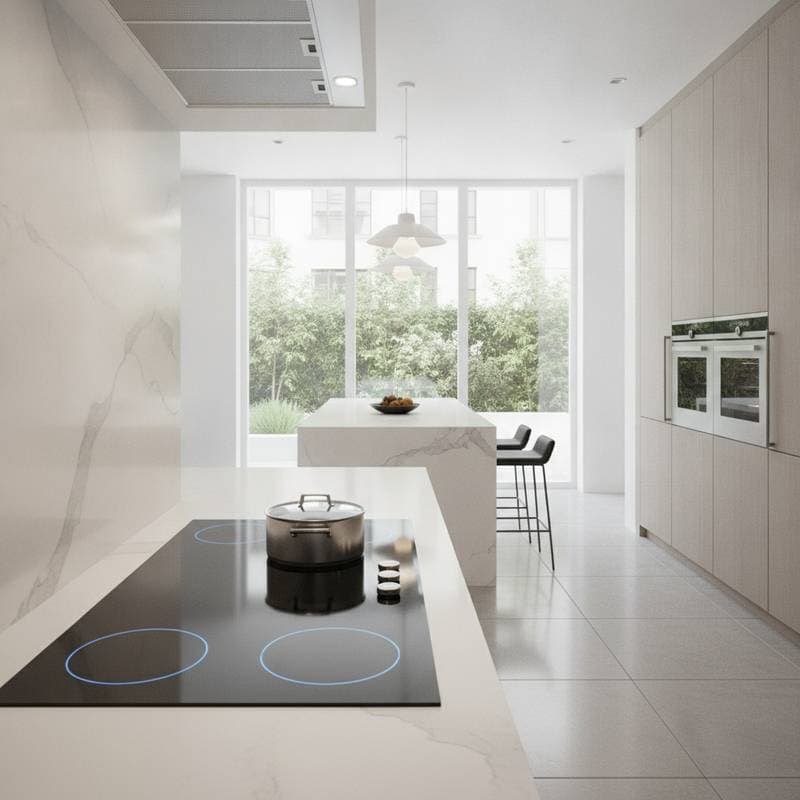
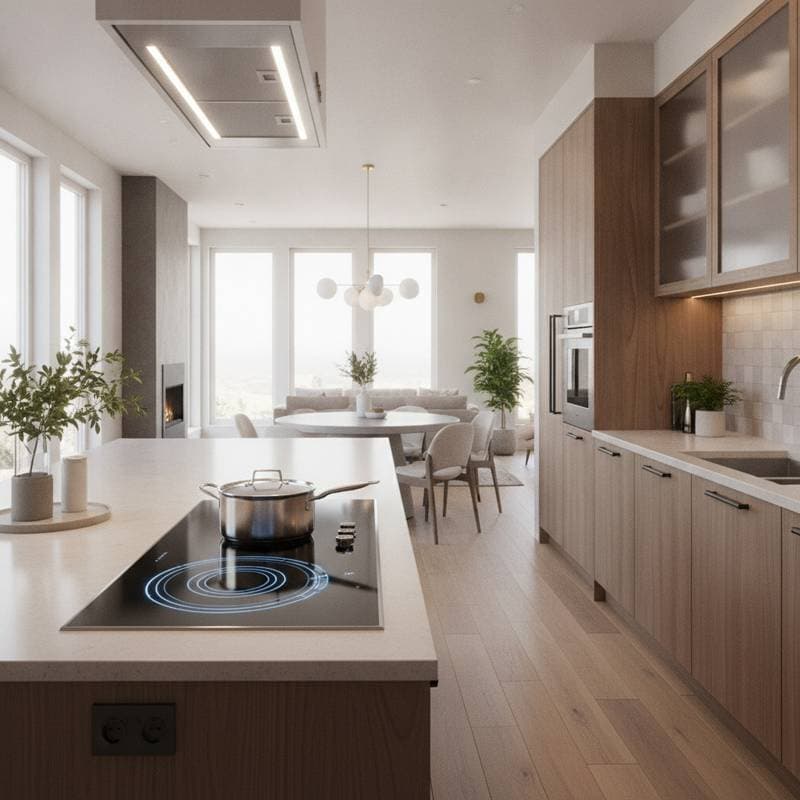
Induction cooktops feature smooth glass surfaces that enhance kitchen aesthetics. They blend into countertops, creating a streamlined appearance across styles from minimalist to rustic. Installation options range from drop-in units to full ranges.
Maintenance proves straightforward, as the cool surface prevents baked-on residues. A simple wipe with a damp cloth suffices for cleanup. This durability maintains the cooktop's polished look for years.
Prioritizing Safety Features
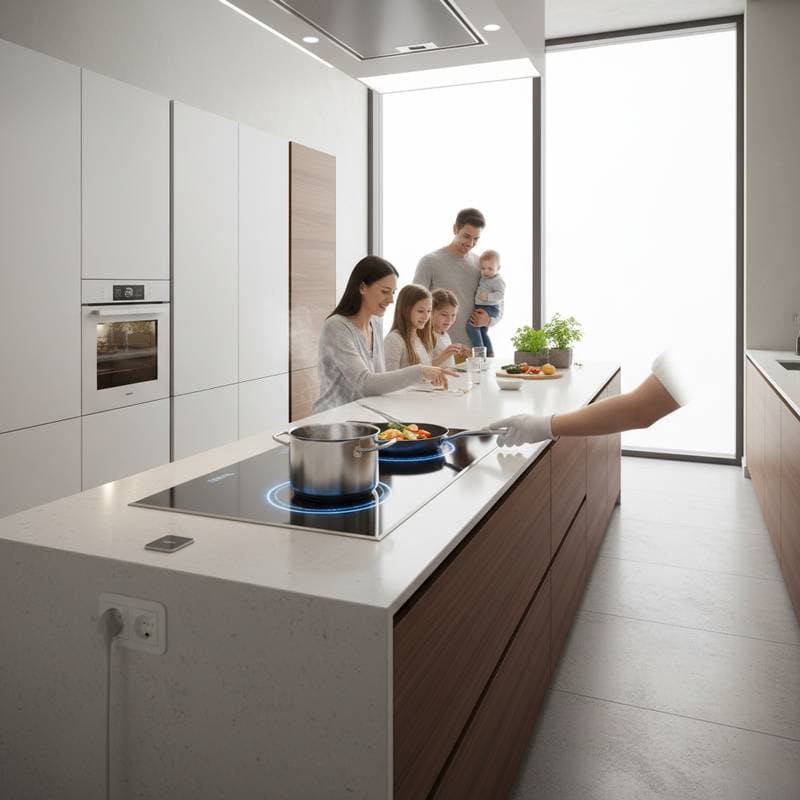
Induction heats only the cookware, leaving surrounding areas safe. Without open flames, risks of burns or fires decrease significantly. Removing the pan halts heating within seconds.
Built-in safeguards include automatic shutoffs and child locks. In demonstrations, these features have prevented accidents involving curious children. Such reliability makes induction essential for family-oriented homes.
Integrating Smart Capabilities
Contemporary induction models incorporate app connectivity for remote monitoring and adjustments. Voice assistants enable hands-free operation, streamlining routines. Recipe integration automates temperature settings for precise outcomes.
These tools reduce errors and energy use while enhancing convenience. Tech enthusiasts find value in seamless smart home ecosystems. Even basic users appreciate the added reliability.
Accessible Options Across Budgets
Induction adapts to various living situations without requiring major overhauls. Portable single-burner units start under $100, ideal for rentals or supplemental use.
Upgrade paths include:
- Replacing a cooktop with a four-burner model for moderate investments.
- Installing full ranges for comprehensive kitchen updates.
Creative applications, such as countertop placements, extend accessibility to diverse households.
Supporting Sustainable Practices
Induction aligns with environmental goals by lowering emissions and energy demands. When powered by renewables, it contributes to greener homes. Manufacturers prioritize recyclable materials in production.
Urban policies increasingly incentivize electric cooking, positioning induction as a forward-thinking choice. This technology supports broader efforts in responsible design and resource conservation.
Case Studies from Real Installations
In a compact apartment renovation, a 30-inch induction cooktop expanded perceived space and improved air quality. The homeowner praised even cooking results during daily use.
A restaurant installation highlighted precision benefits, allowing direct pan melting without additional equipment. Chefs noted enhanced workflow and flavor control. These examples demonstrate induction's versatility across residential and commercial settings.
Ensuring Durability and Ease of Care
Fewer moving parts reduce the need for repairs compared to gas systems. Scratch-resistant glass withstands daily wear. Routine cleaning preserves the surface's integrity.
Long-term ownership yields consistent performance with minimal upkeep. This reliability appeals to those seeking practical, lasting kitchen solutions.
Embracing Induction for Everyday Benefits
Adopting induction transforms routine cooking into an efficient, secure process. Precise control fosters confidence, while energy savings accumulate steadily. Tailor the choice to your habits for optimal results.
Consider induction for its alignment with modern needs: safety, style, and sustainability. This upgrade elevates kitchen functionality and enhances overall living quality.