Scullery Kitchens: Elevate Your Home's Luxury Edge
Every home conveys a narrative through its design, and the kitchen frequently anchors the most compelling elements. Kitchens have progressed from mere utility areas to dynamic hubs where artistry, innovation, and daily routines intersect. At the core of this evolution stands the scullery kitchen, a concealed yet vital extension that embodies refined luxury. This secondary area preserves the primary kitchen as a showcase for aesthetics and social interaction, managing practical demands in the background.
The scullery kitchen embodies deliberate organization, accuracy, and sophisticated living. It prioritizes purpose over extravagance, establishing a balance that enhances a home's appearance, atmosphere, and utility.
Hidden Function Meets Visible Beauty
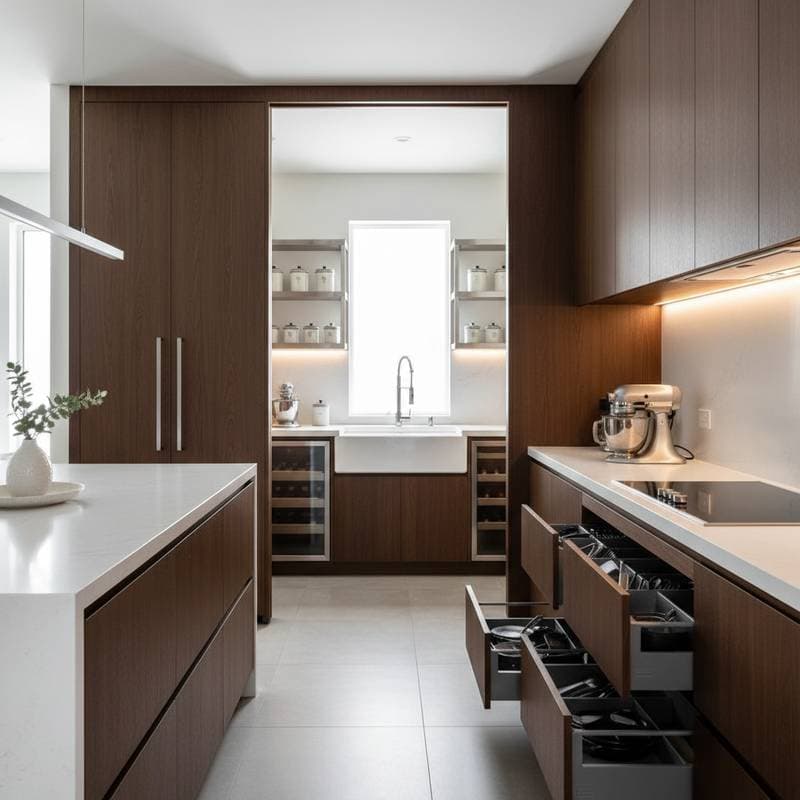
The scullery's appeal stems from its seamless integration. Architects employ sliding pocket doors, hinged panels, or textured glass dividers to screen the area while preserving overall harmony. When accessible, the scullery extends the main kitchen naturally, avoiding any sense of disconnection.
Professionals frequently match cabinetry styles across spaces but vary finishes for distinction. Consider a primary kitchen finished in Farrow & Ball Cornforth White shifting to Benjamin Moore Chelsea Gray in the scullery; this tonal change adds depth and intent without disrupting unity. Consistent detailing ensures the transition feels intentional.
Strategic lighting enhances usability. Install recessed LED strips beneath shelves or focused task lights above preparation surfaces to provide illumination without overwhelming brightness. Such setups promote fluid activity in a compact environment.
Materiality and Texture in the Scullery
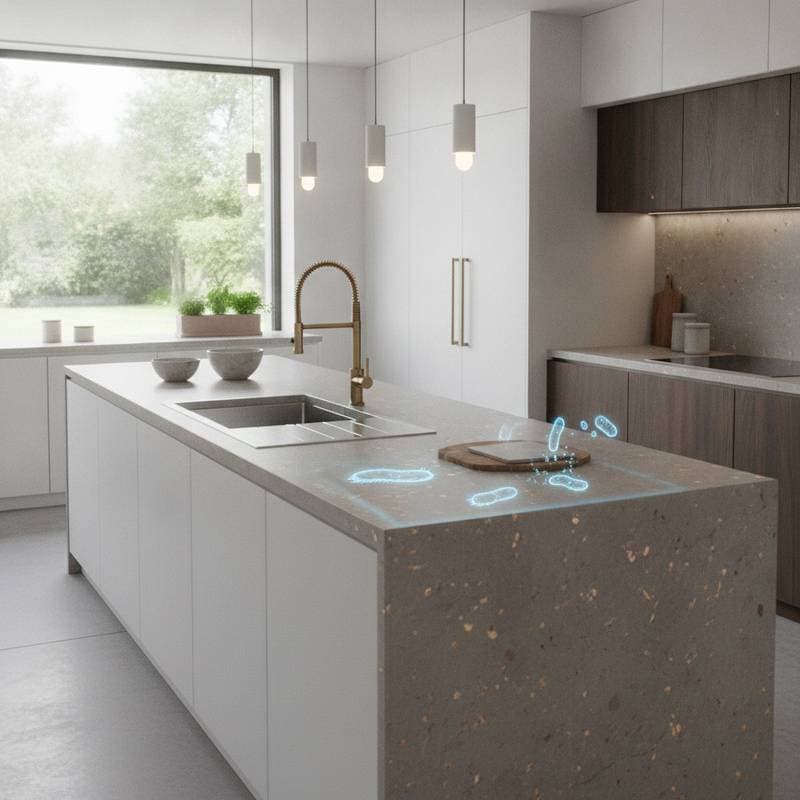
Scullery materials must withstand rigorous use, including exposure to moisture, heat, and frequent handling, while upholding aesthetic standards. Durability pairs with visual appeal through selections like wire-brushed European oak cabinetry, polished granite countertops, or stain-resistant quartz composites.
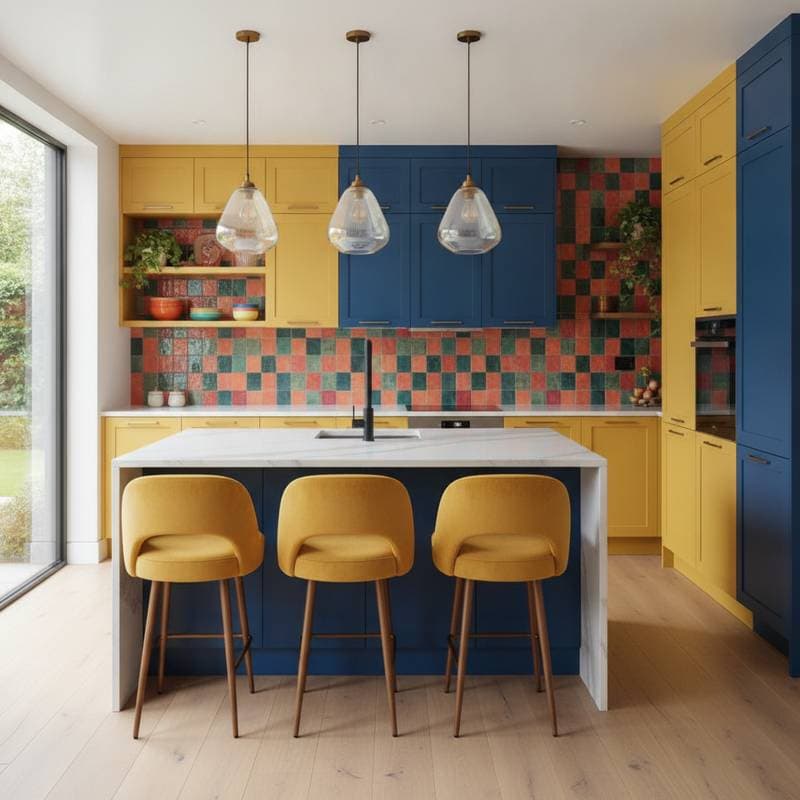
Incorporate artisanal elements such as handcrafted ceramic tiles or Zellige-patterned backsplashes to add organic texture and reflective qualities. These subtle variations infuse character into an otherwise utilitarian zone.
Opt for understated hardware, such as brushed nickel or antique brass pulls from brands like Armac Martin or Buster + Punch. This approach yields a space that projects enduring poise and subtle elegance.
The Entertainer's Secret Weapon
Hosts benefit immensely from a scullery's discreet operations. It enables continuous guest engagement and a pristine main kitchen appearance, as prep work and cleanup occur out of sight. Stack serving ware, rinse utensils, and store devices without interrupting the gathering.
Architect Thomas Bell of Bell Studio Design views the scullery as the vital pulse of entertaining spaces. His designs incorporate dual sinks, built-in ice dispensers, and auxiliary ovens concealed from view. As Bell notes, "When guests arrive, the main kitchen feels effortless. That effortlessness is only possible because of what happens behind the partition."
Relocate specialized appliances, such as custom wine coolers or built-in espresso makers, to this area. This arrangement liberates the primary kitchen for ambiance and presentation.
Technology and the Modern Scullery
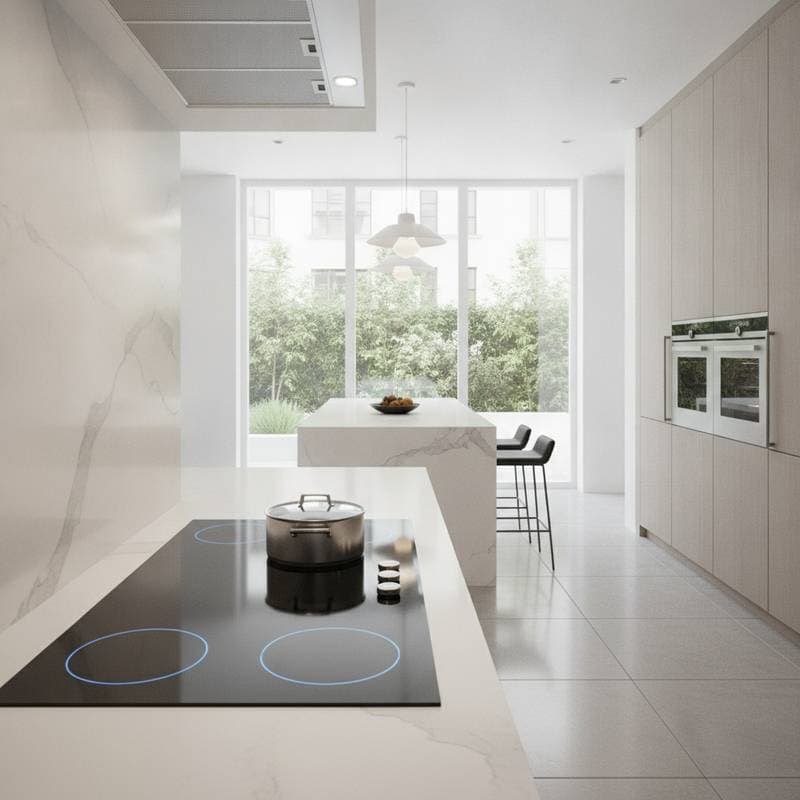
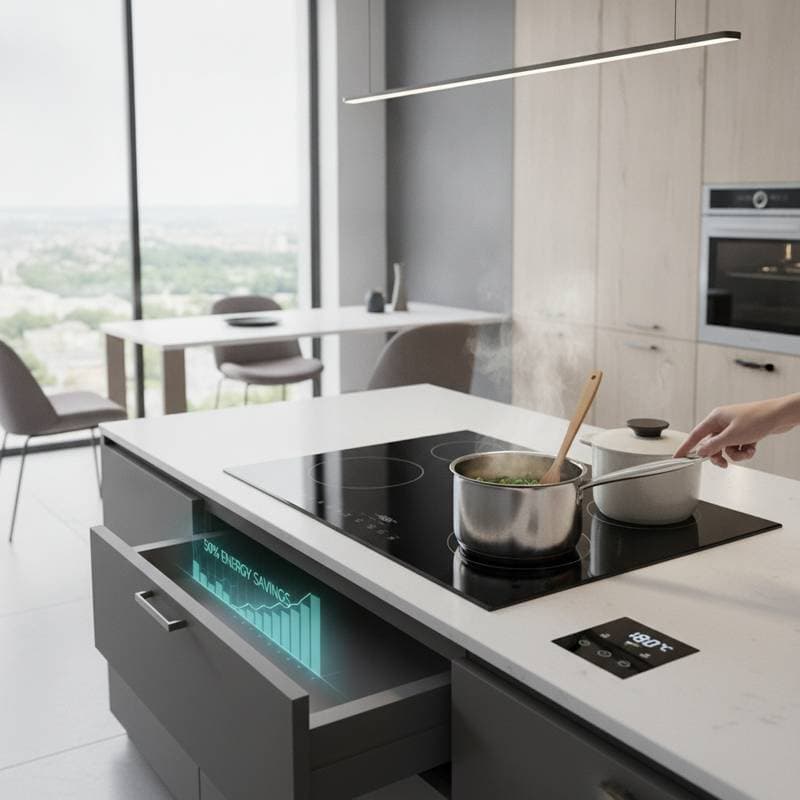
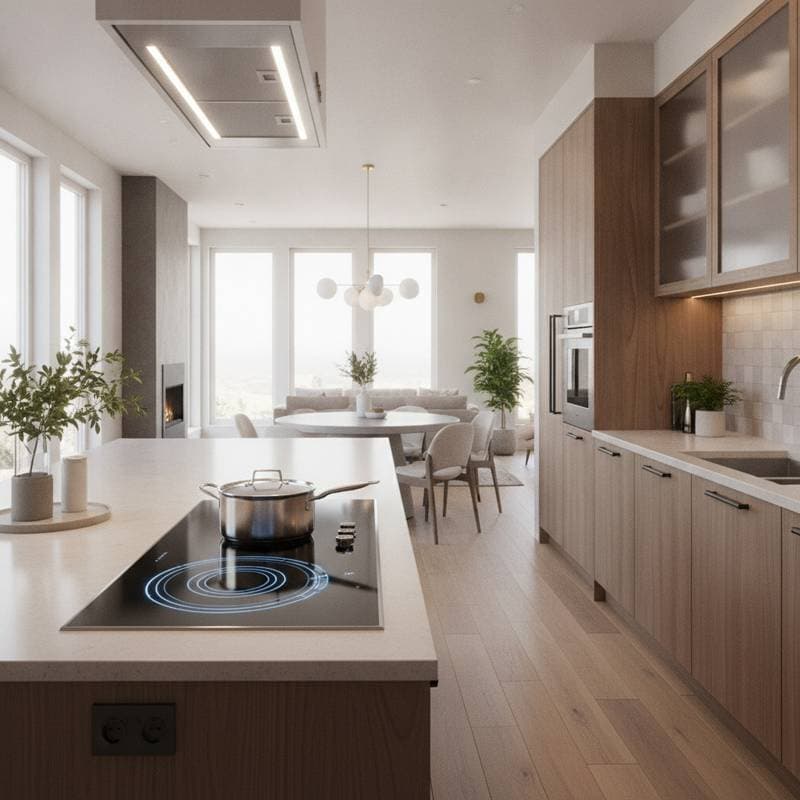
Contemporary sculleries incorporate technology subtly to support daily needs. Embed induction ranges, concealed dishwashers, and connected ovens to minimize visual intrusion. Select low-noise models to preserve tranquility in nearby rooms.
Install sensor-activated faucets for enhanced sanitation and ease. Drawer-style refrigerators from Sub-Zero or Fisher & Paykel offer convenient access under counters. Conceal exhaust systems within cabinets or overhead panels for unobtrusive performance.
This fusion of advancements with classic elements underscores the scullery's role as a harmonious blend of progress and heritage. Each feature prioritizes both efficiency and grace.
Design Continuity and Visual Harmony
An effective scullery integrates invisibly yet functions robustly. It extends the main kitchen's aesthetic language through aligned colors, scales, and motifs, adapted for its specific role.
Introduce gentle variations to denote purpose, such as transitioning from white lacquered cabinets to richer smoked oak. Shift countertops from delicate marble to resilient quartz for practicality without sacrificing style.
Maintain flooring consistency with wide-plank oak or limestone tiles to foster seamless movement. An open door reveals a fluid connection, enhancing the home's cohesive feel.
The Psychology of Hidden Luxury
Authentic luxury thrives in subtlety. The scullery exemplifies this by shielding the primary kitchen's poise from routine disruptions, absorbing the demands of everyday life.
Designer Helena Carver of Carver Studio regards the scullery as a sanctuary of discretion. Her projects emphasize its emotional benefits. As Carver explains, "It is not just about storage or prep. It is about the feeling of serenity that comes when everything has its place."
Ultimately, the scullery reframes luxury as experiential depth rather than overt showmanship, prioritizing substance and calm.
Living with a Scullery Kitchen
A scullery transforms home dynamics by instilling structure and tranquility. It converts chores into streamlined processes, tucking disarray away to sustain order.
During renovations, assess your lifestyle and hosting patterns. If the kitchen serves multiple roles as office, eatery, and lounge, a scullery restores equilibrium. Collaborate with specialists versed in layout efficiency, systems integration, and stylistic unity. Ideal designs appear intrinsic to the home's framework.
Select materials that endure and evolve, such as grained woods, veined stones, and patina-forming metals. These choices reflect authentic use over time.
Dedicate attention to lighting: dimmable work lights, diffused wall fixtures, or a modest fixture over the auxiliary sink shape the ambiance, underscoring the space's purposeful serenity.
Personal Touches and Everyday Grace
Beyond utility, sculleries accommodate individuality. Place fresh blooms in a vessel, hang a cherished artwork, or arrange artisanal dishware to infuse warmth.
Use open shelves to showcase items like aged copper cookware or family heirlooms, merging practicality with charm. Avoid clinical sterility; cultivate a lived-in essence.
Address acoustics thoughtfully. Integrate sound-absorbing panels or cushioned elements to dampen appliance whirs or utensil sounds, safeguarding peace in surrounding areas.
Steps to Integrate a Scullery for Gracious Living
Developing a scullery focuses on intelligent, elegant adaptations rather than imitation opulence. Whether building a complete adjunct kitchen or a concealed prep nook, emphasize harmony between form and function.
Start by mapping your needs: identify high-traffic tasks and storage gaps. Sketch layouts that align with existing architecture, ensuring ample ventilation, power outlets, and plumbing.
Consult professionals early to balance budget and vision. The result: a home where luxury manifests in effortless flow and enduring comfort.