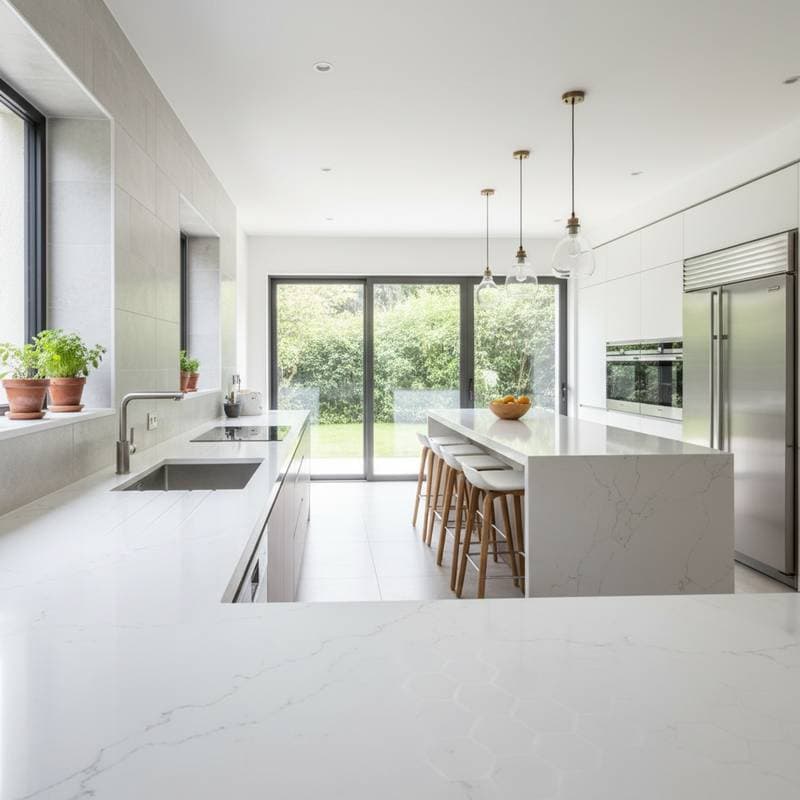
Antimicrobial Surfaces: Building Lasting Hygiene into Kitchen Design
Homeowners have gained a deeper appreciation for cleanliness in recent years. The kitchen has evolved from a simple space for cooking and family gatherings into a critical area for health and safety. While cleaning sprays and wipes served as temporary solutions, sustainable protection comes from materials that inherently resist microbial growth. Antimicrobial surfaces address this need effectively. As a remodeling contractor with extensive experience, I observe how these materials influence kitchen design, construction, and upkeep.
These surfaces mark a fundamental change in approaches to kitchen health, durability, and investment value. Proper installation and care ensure they minimize bacterial buildup, resist stains, and eliminate odors right from the outset.
Understanding Antimicrobial Properties in Surfaces
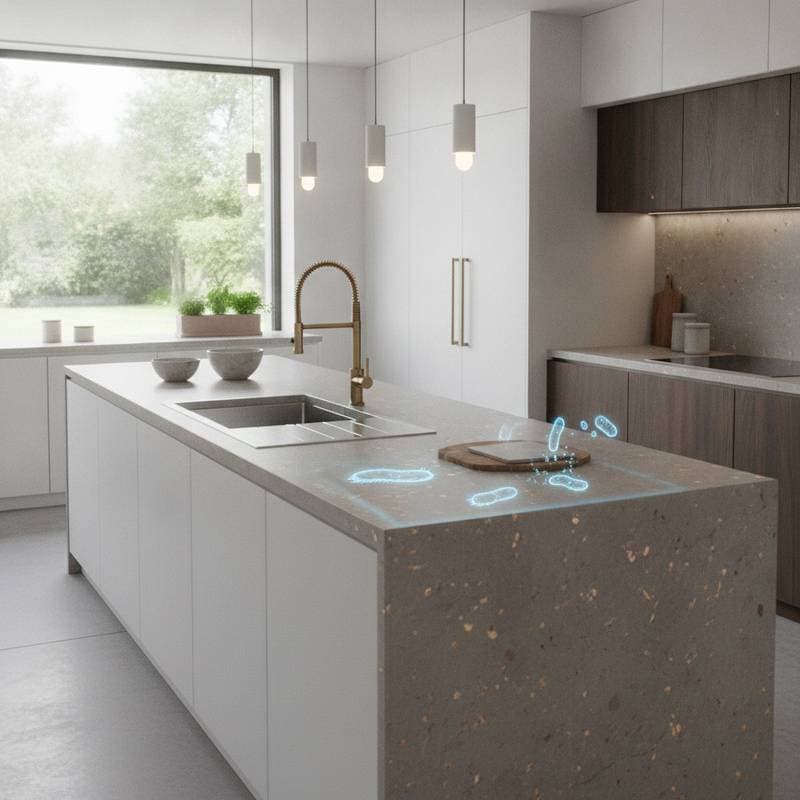
An antimicrobial surface incorporates elements that prevent the proliferation of microorganisms such as bacteria and fungi. These elements integrate into the material's core or form a protective layer. Based on practical applications in the field, surfaces with embedded antimicrobial features outperform those relying on surface treatments. Coatings degrade over time with use and cleaning, whereas inherent properties endure throughout the material's life.
Key mechanisms enable this protection:
-
Metal Ion Integration
Copper, silver, and zinc ions interfere with bacterial cellular processes, halting reproduction. When embedded in solid surfaces, laminates, or countertops, these ions maintain an inhospitable environment for microbes without altering the material's appearance or functionality. -
Non-Porous Structures
Materials like engineered quartz, solid surface composites, and properly sealed stainless steel prevent liquid penetration. This design leaves no microscopic crevices for bacteria to colonize, simplifying daily sanitation. -
Light-Activated Technologies
Certain advanced surfaces employ photocatalytic agents that activate under ultraviolet light to break down microbial cells. Though more common in commercial settings, these options suit residential kitchens with ample natural or artificial lighting. -
Silane-Based Treatments
Quaternary ammonium compounds, often bound to silane molecules, create a positively charged layer that ruptures bacterial membranes on contact. These treatments prove effective on glass, tile, and polymer surfaces.
To choose wisely, verify if the antimicrobial action permeates the full material or limits to a top layer. Certifications from independent labs, such as those testing against standards like ISO 22196, confirm reliability and guide informed decisions for enduring performance.
Common Pitfalls That Compromise Antimicrobial Effectiveness
Superior materials underperform without correct handling during installation and routine care. Many homeowners believe selecting an antimicrobial surface eliminates ongoing maintenance efforts. This misconception leads to premature wear and diminished protective capabilities.
Frequent errors observed in projects include:
-
Inadequate Sealing of Joints and Edges
Even robust materials benefit from sealed connections to block moisture entry. Unsealed gaps around sinks or backsplashes allow contaminants to seep in, fostering hidden growth. -
Use of Aggressive Cleaning Agents
Products containing bleach, ammonia, or abrasives erode protective elements and cause surface etching. Opt for mild, pH-neutral soaps recommended by the manufacturer to preserve integrity. -
Neglecting Hidden Areas
Undersides of countertops near appliances trap condensation, promoting mold. Install drip trays or ensure airflow to mitigate this risk. -
Amateur Installation Practices
Precise alignment and adhesion are crucial for seamless protection. Gaps from inexact measurements invite bacterial harbors, so engage certified professionals familiar with antimicrobial specifics. -
Overlooking Complementary Fixtures
Pairing antimicrobial counters with non-treated handles or cutting boards reduces overall efficacy. Select coordinated elements to maintain comprehensive hygiene.
Addressing these issues extends the surface's lifespan and maximizes health benefits.
Implementing Antimicrobial Surfaces in Your Kitchen Renovation
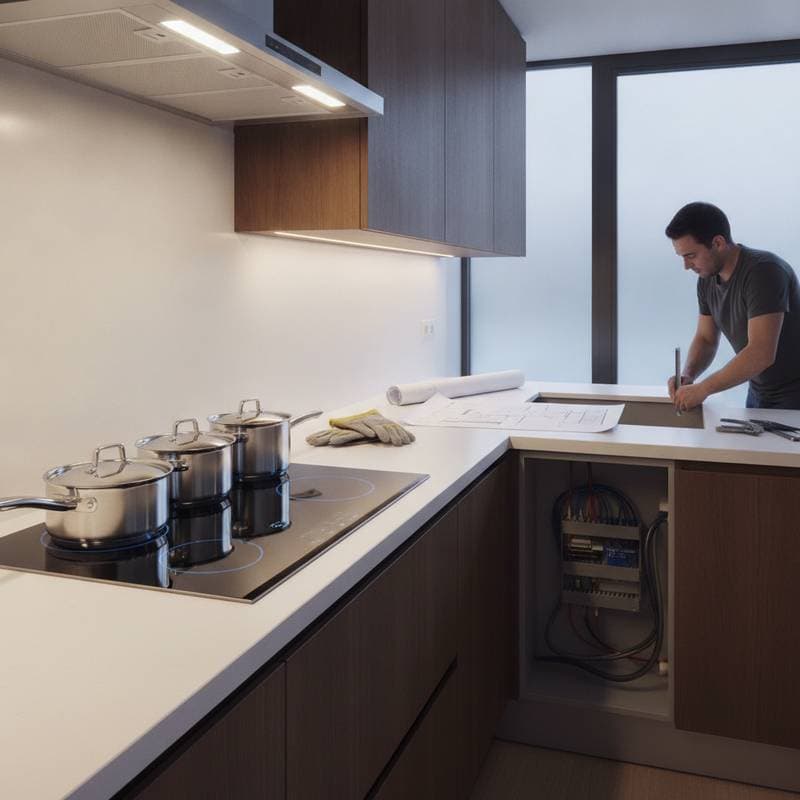
For those considering a kitchen update, integrate antimicrobial options from the initial planning stages. Collaborate with a contractor experienced in hygienic materials to align choices with your lifestyle.
Follow this structured approach:
-
Evaluate Usage Patterns
Consider daily activities such as intensive meal preparation, baking with raw doughs, or hosting gatherings. High-exposure scenarios demand materials with proven broad-spectrum antimicrobial action. -
Investigate Certified Options
Prioritize products backed by lab validations, including efficacy against common kitchen pathogens like E. coli and Salmonella. Review warranties that cover antimicrobial performance over years. -
Compare Material Types
Quartz offers seamless, non-porous elegance ideal for countertops. Stainless steel suits appliances and sinks for its natural resistance and ease of sterilization. Laminates with embedded ions provide budget-friendly versatility for cabinets and backsplashes. -
Plan for Integration
Ensure design elements like hardware and flooring complement the surfaces. Budget for professional fabrication to achieve custom fits that enhance both aesthetics and functionality. -
Schedule Professional Assessment
A site visit allows experts to recommend layouts that optimize hygiene, such as overhangs that prevent spills from reaching vulnerable areas.
This methodical process yields a kitchen that supports wellness without sacrificing style.
Sustaining Antimicrobial Performance Over Time
Antimicrobial surfaces form a robust foundation for kitchen cleanliness, yet they complement rather than replace standard practices. Regular wiping with approved cleaners reinforces their built-in defenses, reducing the frequency of deep sanitizing.
Monitor for signs of wear, such as subtle discoloration, and address them promptly through resealing if required. Annual inspections by a professional ensure joints remain secure and performance stays optimal.
In practice, these surfaces elevate user experience by minimizing effort in upkeep. Homeowners report greater peace of mind, knowing their space resists everyday contaminants. The result is a kitchen that endures, promotes health, and retains value through intelligent material choices.