Why Induction Outpaces Gas in Today's Kitchens
The modern kitchen serves as more than a meal preparation area. It represents the intersection of technology, sustainability, and design. Induction cooking introduces electromagnetic efficiency that supplants traditional gas methods. This shift emphasizes responsive performance and refined aesthetics in culinary spaces.
Induction technology heats cookware directly via magnetic fields. This approach provides rapid temperature changes and precise adjustments. Professional chefs value this control for consistent results in diverse recipes.
Precision Through Direct Heating
Induction cooktops generate heat within compatible pots and pans using electromagnetic currents. The cooktop surface stays cool, minimizing burn risks and simplifying cleanup. Water boils in under two minutes on high settings, while low simmer maintains delicate sauces without scorching.
Brands such as Miele, Bosch, and Gaggenau integrate advanced sensors for automatic power modulation. These features prevent boil-overs and ensure even heating across large surfaces. In urban apartments with limited space, this technology enhances safety and reduces ambient heat during extended cooking sessions.
Flexible Design Integration
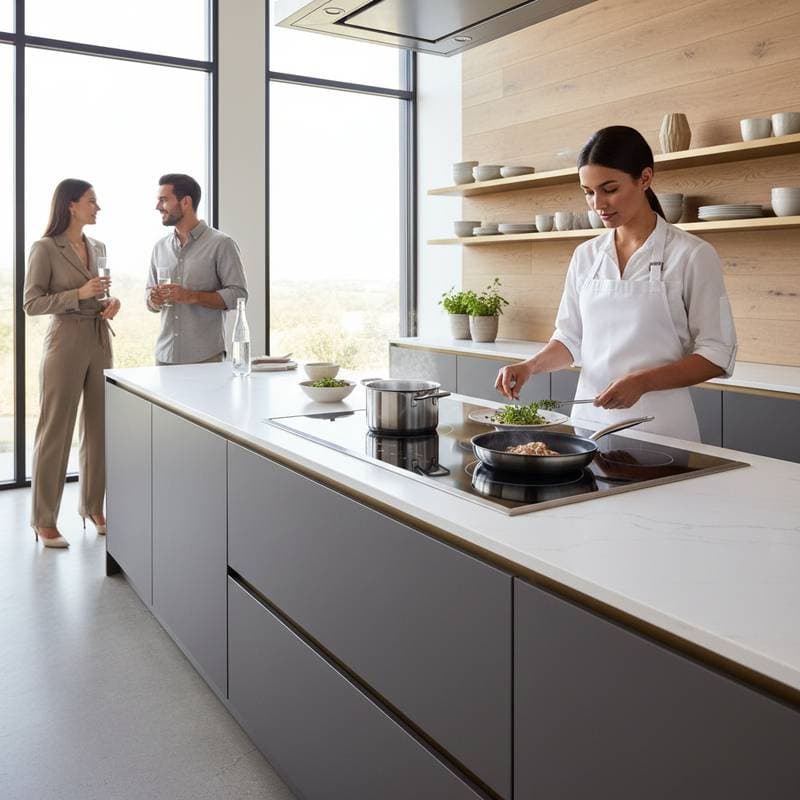
Induction eliminates the need for gas infrastructure and heavy ventilation. Designers gain liberty to create fluid layouts without fixed appliance constraints. Studio McGee incorporates flush-mounted induction units into quartz countertops for seamless visual flow.
Amber Interiors pairs these cooktops with open shelving and linear lighting to emphasize minimalism. In projects by Roman and Williams, induction surfaces embed into custom stone slabs, forming integrated workstations. This approach suits open-plan residences where kitchens merge with living areas.
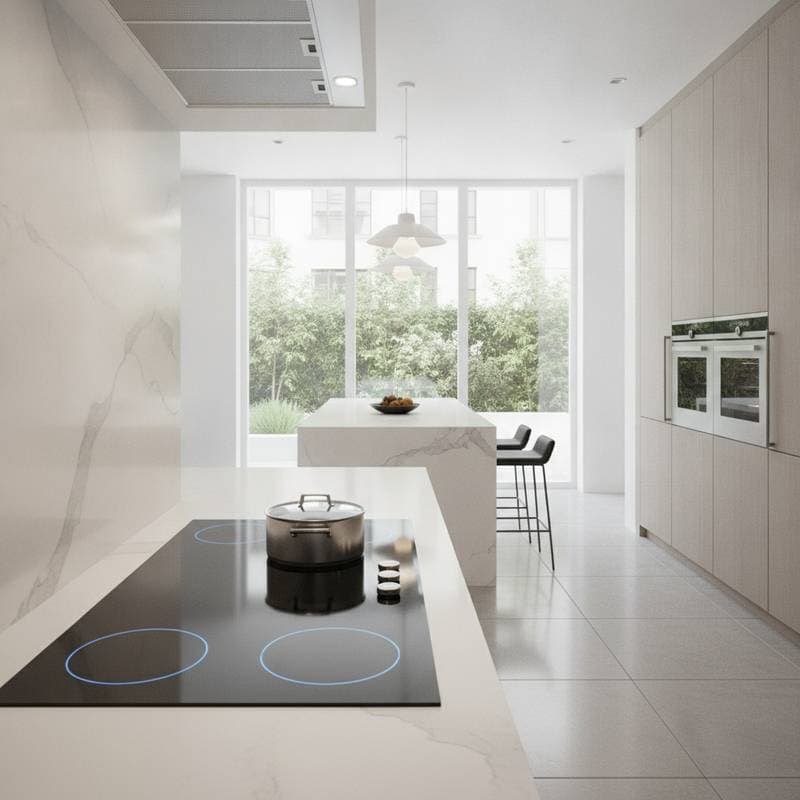
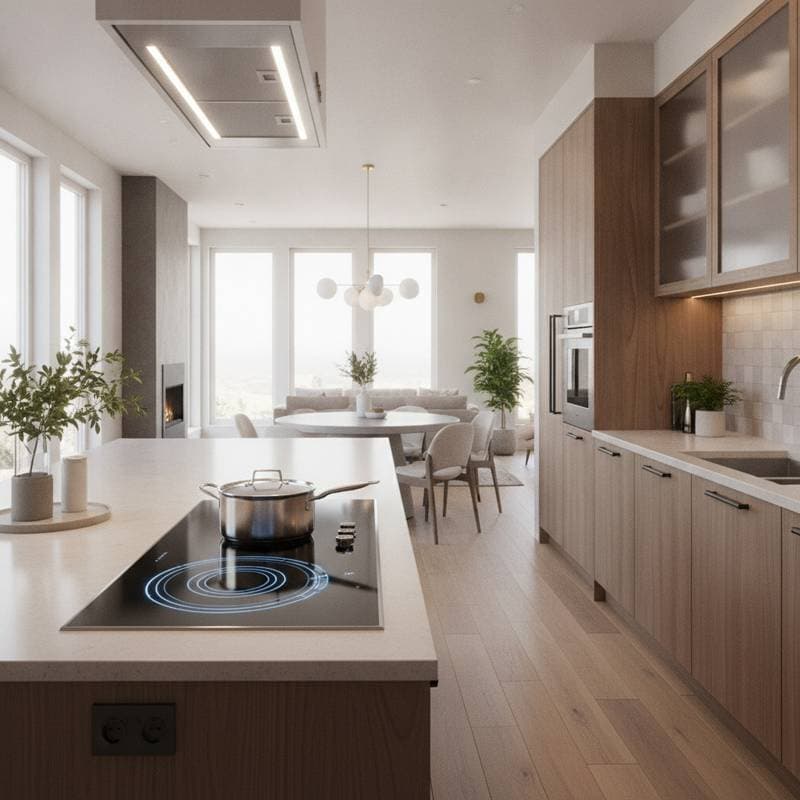
Glass-ceramic tops harmonize with materials like polished concrete, walnut cabinetry, and matte black accents. The flat profile avoids bulky grates, allowing uninterrupted counter space for food prep and serving.
Sustainability and Indoor Air Benefits
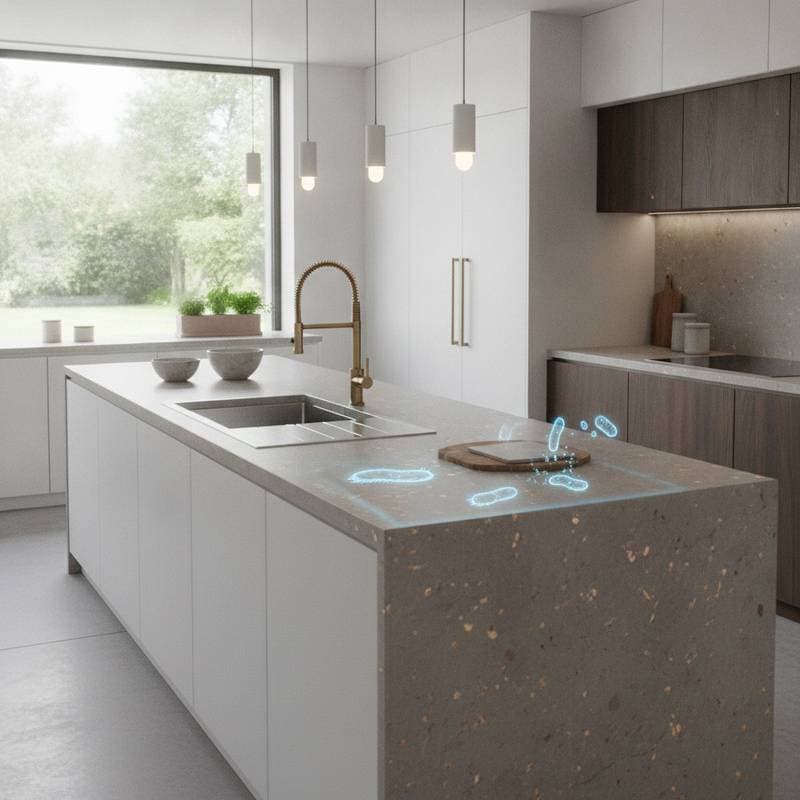
Gas cooking releases combustion byproducts that affect air quality. Induction operates on electricity, producing no direct emissions at the point of use. This aligns with standards for low-carbon homes and reduces reliance on fossil fuels.
Lake|Flato Architects specifies induction in eco-friendly builds to lower operational energy demands. Olson Kundig designs incorporate these systems alongside solar panels for net-zero performance. Homeowners experience fresher air, especially beneficial in airtight modern constructions.
The environmental impact extends to manufacturing. Many induction models use recyclable components and energy-efficient production methods. Selecting such appliances supports broader goals of ethical design and resource conservation.
Enhanced Cooking Sensory Dynamics
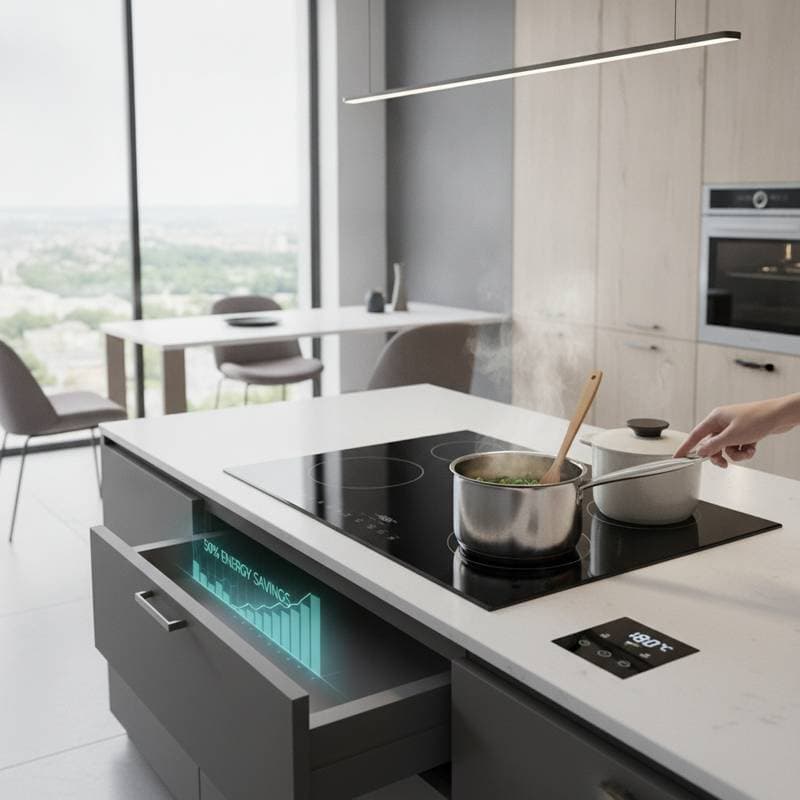
Induction creates a focused cooking environment without flame distractions. The glossy surface captures light reflections, highlighting ingredient colors and textures. Precise heat delivery enables perfect sears on proteins or gentle melts for custards.
This setup shifts attention to ambient elements like cabinet finishes in Benjamin Moore Revere Pewter. Paired with graphite hardware, it fosters a serene atmosphere. A pendant light from Allied Maker adds warmth, elevating the space to a contemporary gathering spot.
The lack of noise from gas jets promotes mindful preparation. Cooks concentrate on flavors and techniques, turning routine tasks into engaging experiences.
Professional-Grade Performance Features
Chefs once favored gas for its responsive flame. Induction matches this with instantaneous power shifts and stable temperatures. Micro-level controls excel in tasks like reducing sauces or proofing dough.
Wolf offers induction ranges with bridge zones that span multiple burners for griddles. Thermador models include power boost functions for rapid heating. Fisher & Paykel provides downdraft ventilation integrated directly into the cooktop.
Hybrid setups combine induction with convection ovens for versatile meal preparation. Home cooks achieve restaurant-quality outcomes, from stir-fries to slow braises, with minimal adjustments.
Aesthetic Harmony Across Styles
Induction cooktops adapt to varied interiors with their unobtrusive profiles. Norm Architects installs them beneath ash wood surfaces in Nordic-inspired spaces, maintaining clean lines. Kelly Wearstler contrasts them against dramatic marble veining and metallic edges for bold statements.
This versatility reflects trends toward concealed utilities and material focus. The technology supports tactile explorations, such as handcrafted tiles or reclaimed wood accents. Kitchens evolve into expressive environments that balance form and function.
Practical Steps for Induction Adoption
Switching to induction requires compatible magnetic cookware, including enameled cast iron or stainless steel bases. Test items with a magnet; if it adheres, the piece works. Start with essential pans like skillets and stockpots from brands such as All-Clad.
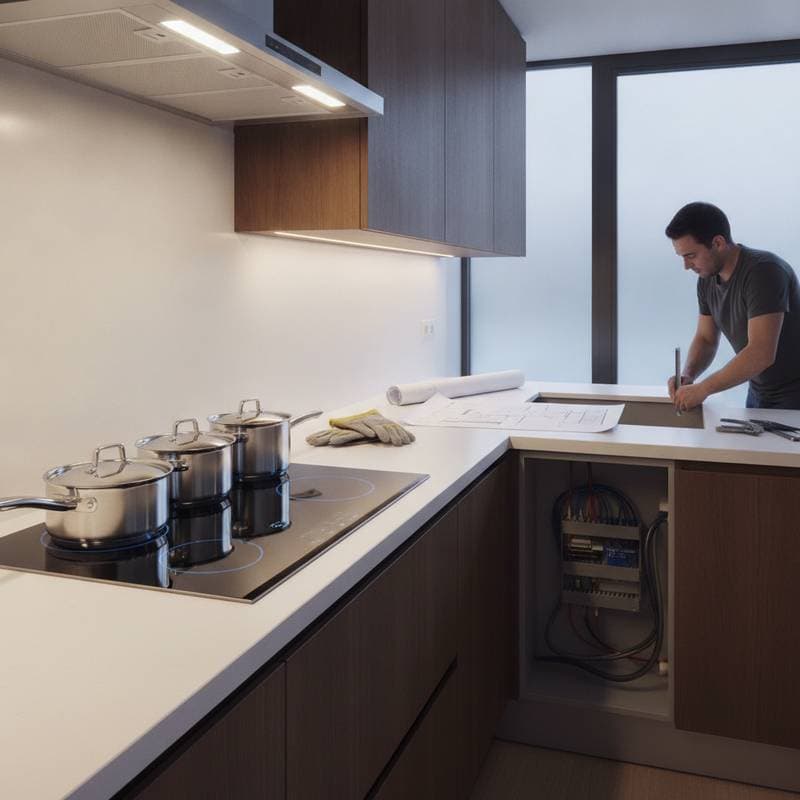
Assess your electrical panel for sufficient amperage, typically 40 amps for a four-burner unit. Consult a licensed electrician to install dedicated circuits. Measure counter space to select sizes from 30-inch portables to 48-inch full ranges.
Maintenance involves wiping the surface with a soft cloth and mild cleaner after cooling. Avoid impacts to prevent cracks in the ceramic layer. With proper setup, induction delivers reliable daily use and long-term value.
Balancing Innovation and Everyday Ritual
Induction redefines kitchen dynamics through efficient, safe operation. It empowers designs that prioritize wellness and style. As adoption grows, this technology enriches home cooking with tools that inspire creativity and confidence.