Functional Backyard ADU Interior Layouts That Work
Every effective backyard accessory dwelling unit starts with a deliberate interior plan. These small homes offer substantial potential when each square foot receives intentional consideration. Whether intended as rental units, guest accommodations, or private studios, ADU interiors embody the principle of efficiency. The most successful layouts integrate comfort, intelligent spatial arrangements, and sophisticated design elements. The following presents a selection of ten functional ADU layouts that render small-scale living both refined and utilitarian.
10. The Urban Retreat
Architect Elena Vasquez of Urban Nest Designs created a 400-square-foot ADU tailored for city dwellers seeking tranquility. The layout centers on a multifunctional core that combines kitchen and lounge areas, with modular furniture that shifts from seating to sleeping configurations. Large fixed windows frame views of the backyard, while built-in shelves in matte black steel provide ample storage without encroaching on floor space.
The bathroom tucks into a corner alcove, featuring compact fixtures from Kohler in a neutral palette of subway tiles and quartz surfaces. Natural light floods the space through a skylight above the core, enhancing the sense of openness. This design prioritizes versatility, allowing the unit to adapt to solo living or occasional guests with minimal reconfiguration.
9. The Courtyard Connector
Architect Luis Mendoza of Forma Studio crafted an ADU that envelops a modest private courtyard. The interior employs large sliding doors from Western Window Systems to blend the living area with the exterior. The L-shaped configuration permits natural light to penetrate from various directions, illuminating polished concrete floors and subtle linen draperies.
The living and kitchen zones align along one side, with a slim hallway hiding a complete bathroom and sleeping alcove. The courtyard link serves as the emotional center of the design. Each area expands in perception because the garden integrates fully into the indoor environment.
8. The Eco-Modular Haven
GreenBuild Architects developed a 500-square-foot ADU emphasizing sustainability and modularity. The layout features prefabricated panels that allow wall reconfiguration for different uses, such as expanding the kitchen into a dining zone. Recycled wood cabinetry in a light ash finish pairs with energy-efficient LED lighting embedded in ceilings.
A compact bedroom loft overlooks the main floor, accessed via a gentle spiral staircase. The bathroom incorporates low-flow fixtures and bamboo flooring for an earthy feel. Solar shades on south-facing windows control heat gain, ensuring the space remains cool and inviting year-round.
7. The Compact Entertainer
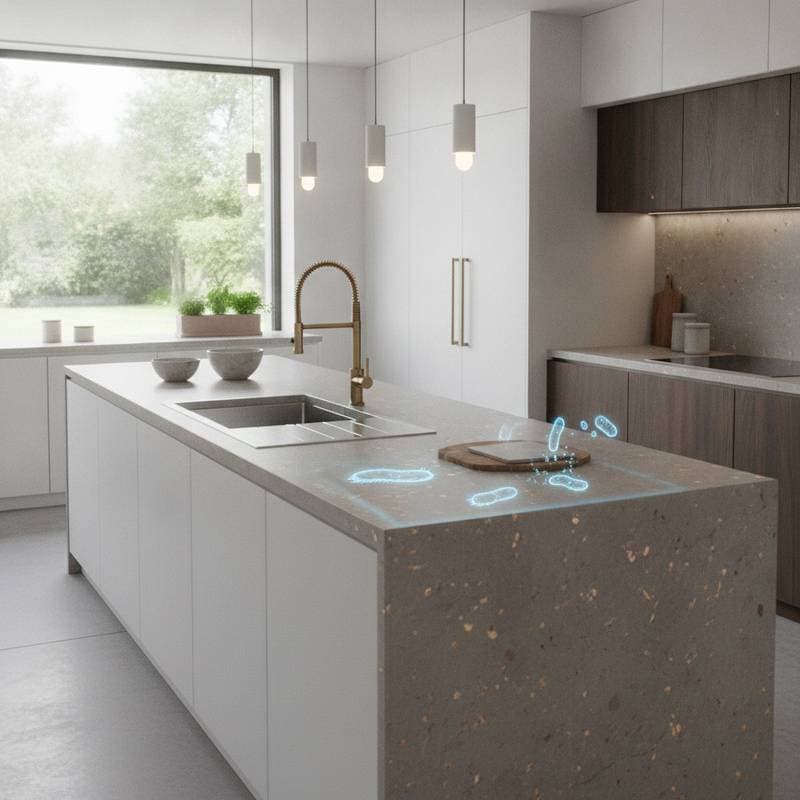
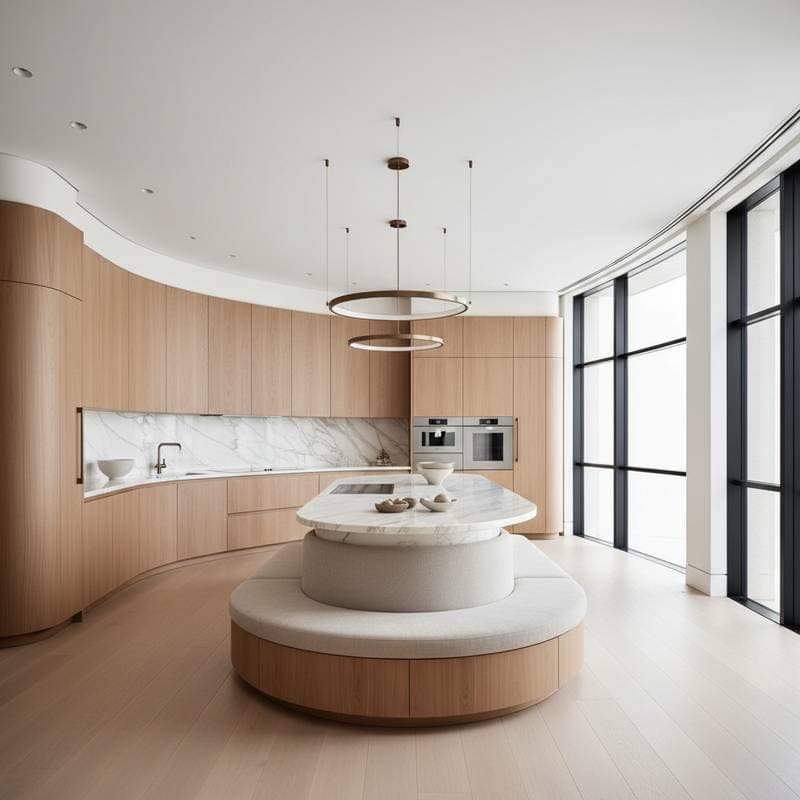
For those who enjoy hosting gatherings, Riley + Co. Interiors devised a 480-square-foot ADU focused on social engagement. The kitchen forms the central hub, equipped with a quartz island that functions as a dining surface. Enclosing cabinets, finished in Farrow & Ball's Railings, anchor the color scheme, while open shelves maintain an airy quality.
A custom banquette, covered in moss green velvet, runs along one wall and includes concealed storage compartments. The nearby living area accommodates a sectional sofa proportioned to the room's dimensions. A pocket door conceals a modest yet complete bathroom clad in handmade ceramic tiles from Fireclay Tile. The arrangement facilitates interaction and community.
6. The Wellness Studio
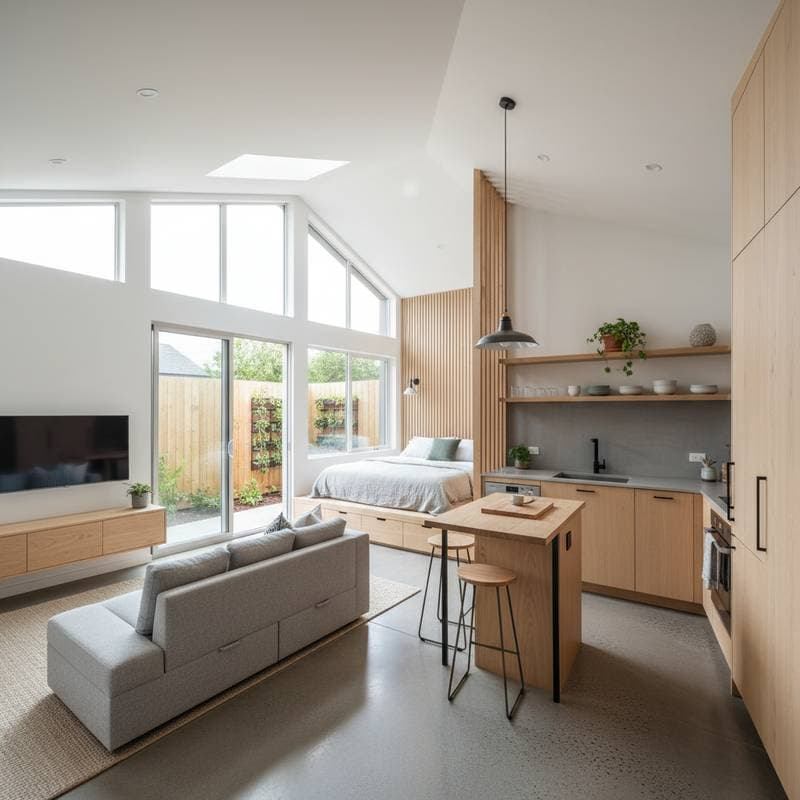
Harmony Design Group planned a 420-square-foot ADU dedicated to relaxation and fitness. The open floor plan dedicates one end to a yoga or exercise zone with cushioned flooring and wall-mounted storage for mats and equipment. The kitchenette integrates slim appliances along an adjacent wall, using white laminate counters for a clean appearance.
A partition screen divides the sleeping area, which includes a platform bed with under-storage drawers. The bathroom features a rain showerhead and teak accents for a spa-like atmosphere. Diffused lighting from recessed fixtures promotes a serene mood throughout the day.
5. The Writer’s Cottage
Intended for a novelist desiring seclusion, this 460-square-foot ADU by Haven Workshop Design merges workspace and living quarters fluidly. The primary living space serves also as a writing studio, equipped with a custom desk integrated into the window bay. The desk surface, made from reclaimed walnut, captures daylight passing through sheer flax curtains.
A sleeping loft, reached by a sculptural steel ladder, provides a secluded yet accessible retreat. Beneath it lies a concise kitchen with honed soapstone counters and brushed nickel hardware, lending understated elegance. The configuration fosters creative concentration, balancing expansiveness with sanctuary in a confined structure.
4. The Artist’s Atelier
Creative Spaces Studio designed a 550-square-foot ADU for artistic pursuits. The layout allocates a dedicated studio area with north-facing windows for consistent light, including adjustable easel mounts and pegboard walls for tool organization. The kitchen occupies a galley-style nook with stainless steel surfaces that resist spills and stains.
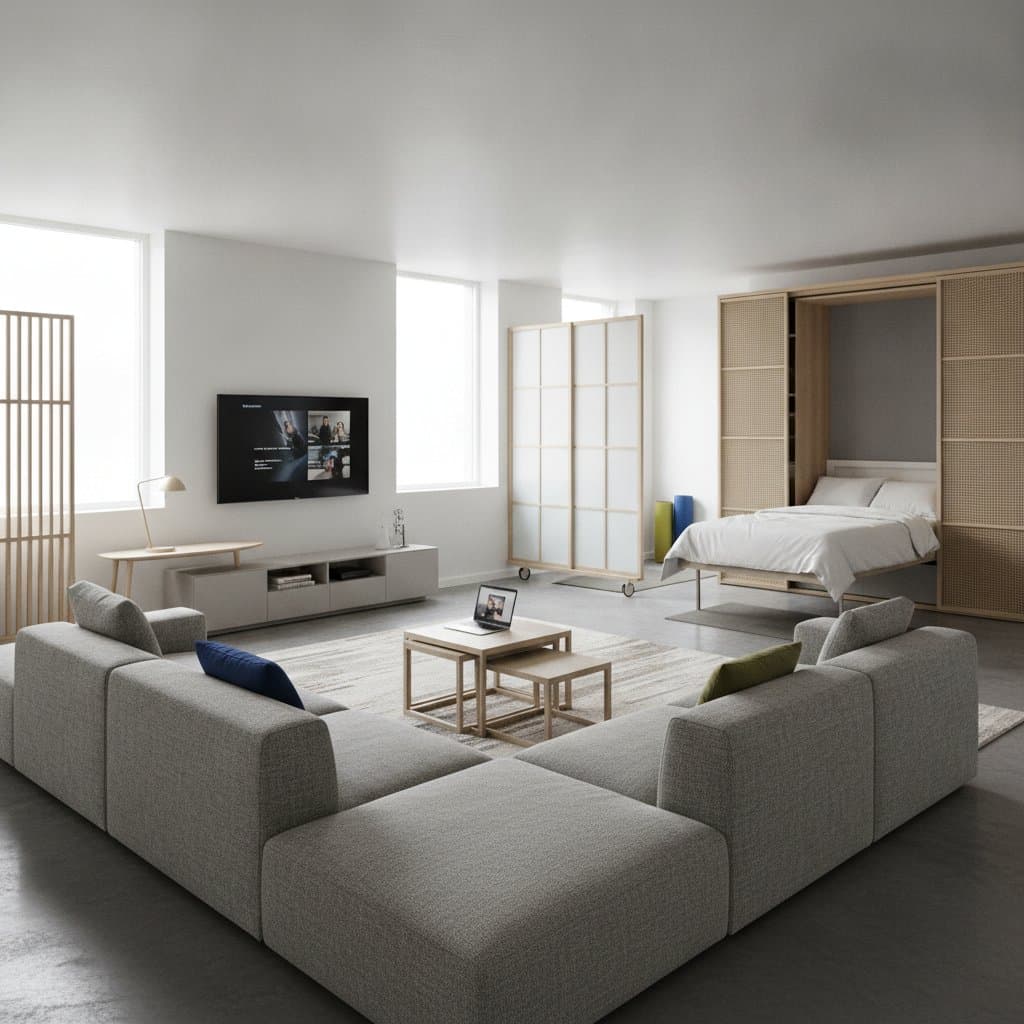
The bedroom features a Murphy bed that folds away to reveal additional workspace. The bathroom includes a vessel sink and mirrored cabinetry for multifunctional use. Exposed brick accents and cork flooring add texture and warmth to the creative environment.
3. The Lightwell Cottage
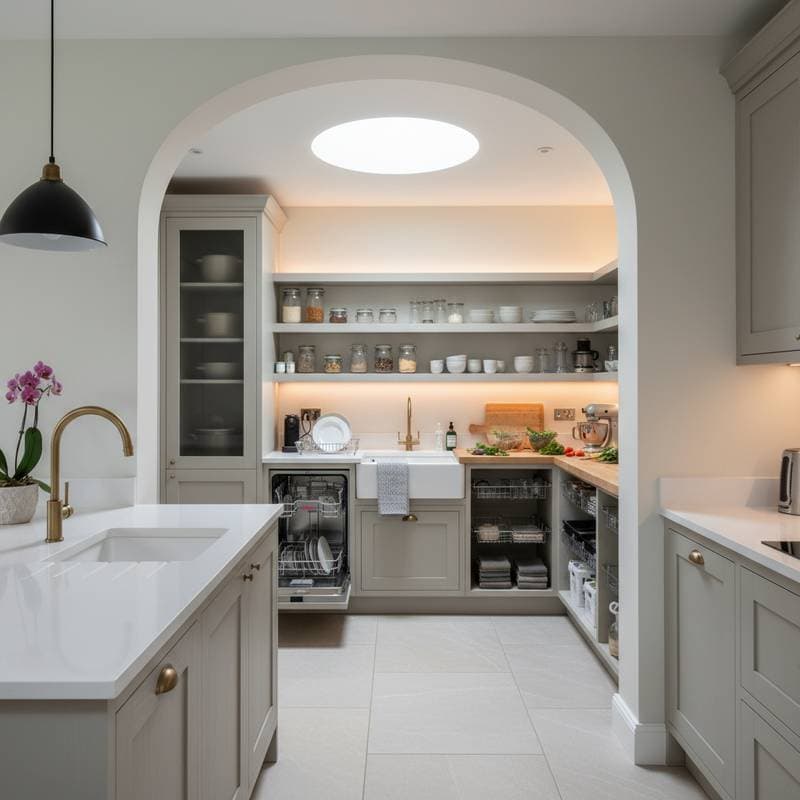
Architect Nina Carr of Carr Studio integrated daylight deeply into her ADU design. The small footprint encircles a vertical lightwell clad in frosted glass. This core feature converts a potentially dark interior into a bright haven.
Both the kitchen and bathroom draw illumination from this element, fostering uniform luminosity. Interior finishes combine microcement floors, natural oak cabinets, and plaster walls in a gentle warm gray tone. The arrangement achieves equilibrium, with every zone accessing light despite proximity to property boundaries.
2. The Family Companion
Suited for multigenerational homes, Whitney Cole Interiors formulated an ADU layout that accommodates extended family dynamics. The 600-square-foot design incorporates two sleeping areas divided by a central living zone. The kitchen aligns along the rear wall with standard appliances, and pocket doors provide seclusion as required.
The color scheme employs natural hues, with cabinets in Dunn-Edwards Spice Cookie and engineered European oak flooring. A integrated dining bench seats four comfortably. The plan conveys spaciousness without surplus, promoting autonomy alongside familial bonds.
1. The Minimalist Haven
Ranking highest, the design from Studio Arlo illustrates the power of simplicity. This 370-square-foot ADU adopts a minimalist strategy that emphasizes proportion, illumination, and texture. The floor plan positions the kitchen, bathroom, and storage along one wall, freeing the rest for adaptable living.
The interior scheme remains elegant and sensory. Limewashed walls in Portola Paints Half Moon offer subtle contrast to pale terrazzo floors and walnut cabinets. A built-in window seat spans the primary facade, providing seating plus concealed drawers below. Tranquility arises from purposeful elements. No component appears superfluous, and each choice enhances simplicity and convenience.
Applying ADU Design Principles
An effective ADU interior extends beyond merely arranging furniture in limited space. It demands an approach that appreciates deliberate scaling, authentic materials, and flexibility. Superior layouts welcome natural light, incorporate intelligent storage, and define zones without excess partitions.
To apply these concepts to your project, first determine the primary function the ADU must fulfill. Consider whether it serves as a quiet escape, guest quarters, or adaptable office. Scale zones based on routine activities. Select materials that convey warmth without bulk, including white oak, plaster, or soft linen. Maintain uniform finishes to preserve visual harmony.
Collaborate with a qualified designer or architect versed in compact layouts and ADU regulations. Seek professionals skilled in modular constructions, which deliver tailored plans blending practicality and aesthetics.
A well-executed ADU layout adapts seamlessly to changing needs. It may welcome visitors in one phase, function as a creative space in another, or provide enduring residence for family members over time.