The Rise of Electric Kitchens: Embracing Induction by 2026
Homeowners increasingly observe neighbors and friends transitioning from gas stoves to electric alternatives. This movement prompts questions about feasibility and benefits for individual kitchens. The transition accelerates rapidly, establishing electric and induction systems as the preferred choice for enhanced efficiency, safety, and overall comfort.
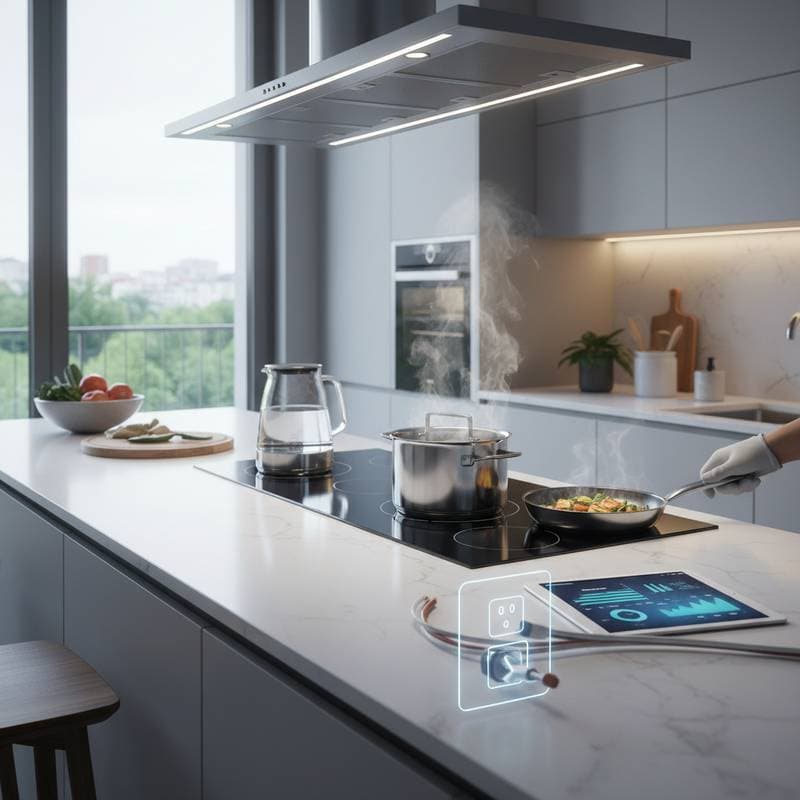
Electric cooking gains prominence through practical advantages and evolving standards. Gas appliances once symbolized professional culinary prowess, yet evidence from studies and user reports highlights superior performance in electric and induction options across multiple dimensions. Induction technology employs electromagnetic fields to heat cookware directly, delivering rapid and accurate results without flames or exhaust.
This approach maintains cooler kitchen environments and minimizes residue from burning fuels. Homeowners benefit from these features in daily use, prompting widespread adoption.
Key Advantages of Induction Over Gas
Induction cooking excels in several critical aspects that address common concerns with gas systems.
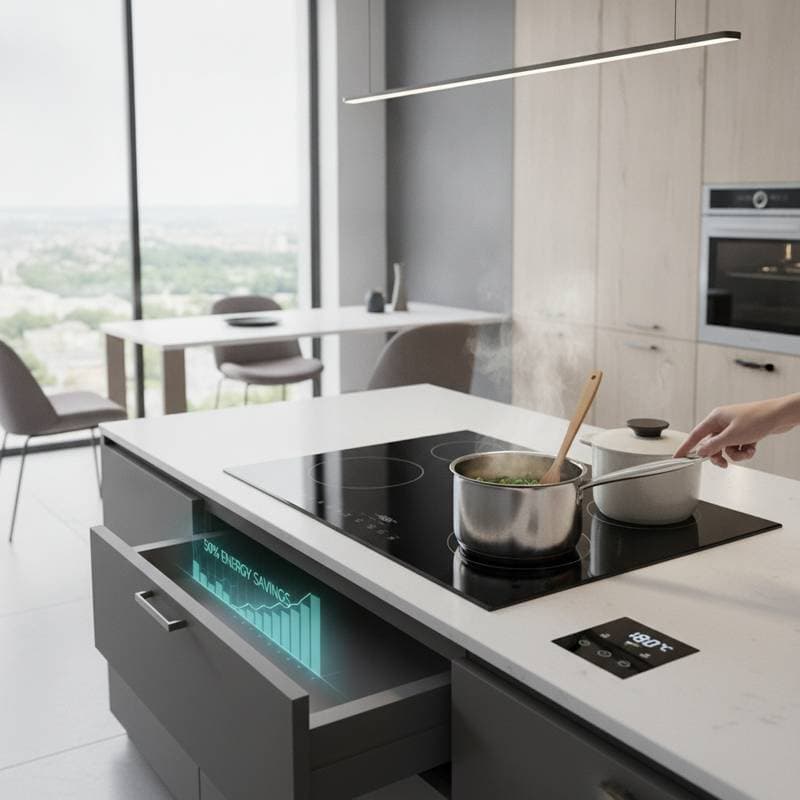
Efficiency stands out prominently. Induction models convert 85 to 90 percent of energy into cooking heat, far exceeding the 40 to 50 percent efficiency of gas stoves. This high transfer rate reduces wasted energy and lowers utility costs over time.
Safety represents another compelling factor. Without open flames, risks of gas leaks, burns, or carbon monoxide accumulation diminish significantly. Families with children or elderly members find this feature particularly reassuring.
Cleanliness simplifies maintenance routines. The smooth glass surface of induction cooktops cleans effortlessly with a damp cloth, eliminating the need to scrub grates or caps common in gas units.
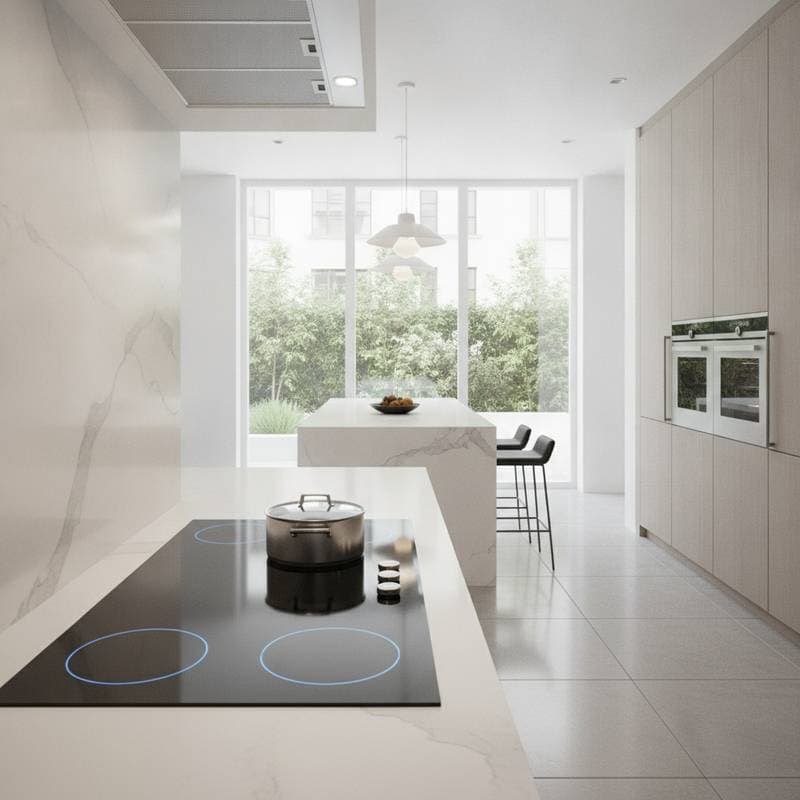
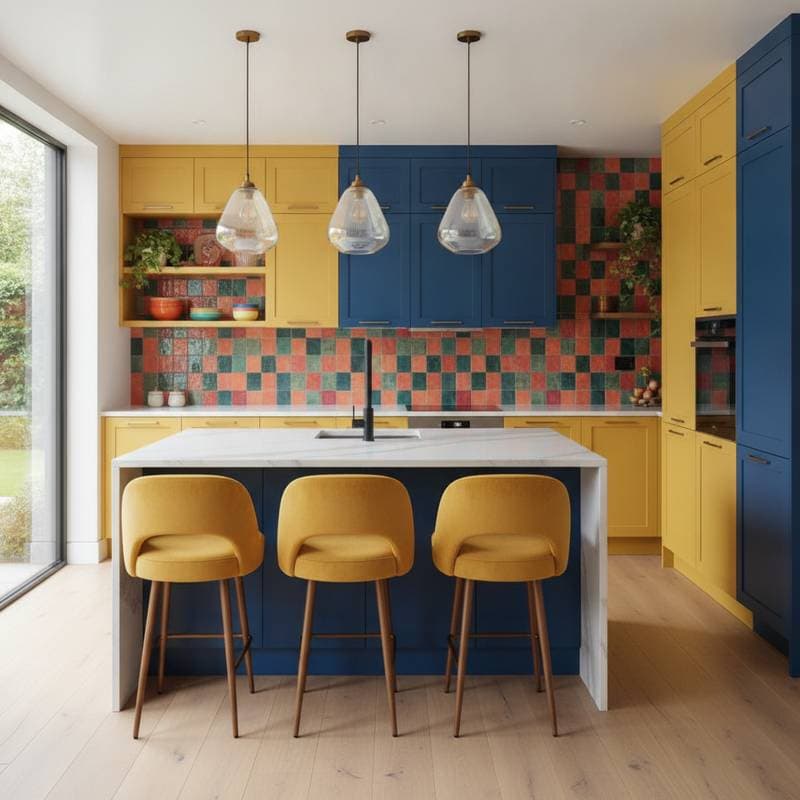
Design versatility enhances aesthetic appeal. Installers position induction cooktops flush with countertops, integrating seamlessly with under-cabinet ovens and minimalist cabinetry for contemporary kitchen layouts.
Precision control further elevates the experience. Users adjust heat levels instantly, simmering sauces without scorching or boiling water in half the time of gas methods.
Assessing Your Home's Electrical Needs
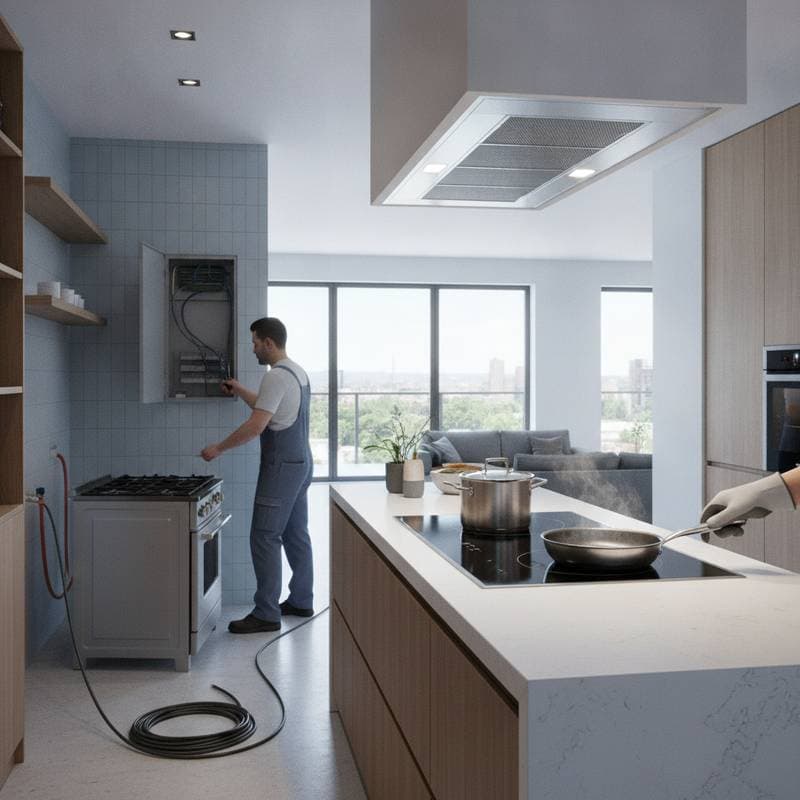
Compatibility checks form the essential first step before installation. Induction appliances typically demand a 240-volt dedicated circuit to operate at full capacity. Homes constructed before 1980 often feature outdated panels that require professional evaluation.
Electricians assess amperage and wiring integrity during inspections. Upgrades to service panels range from $800 to $2,000, influenced by local labor rates and the extent of modifications needed.
Ventilation planning remains crucial, even without gas emissions. Cooking generates steam and odors that benefit from range hoods rated at 400 cubic feet per minute or higher. Position hoods 24 to 30 inches above cooktops to capture vapors effectively while preserving headroom.
Consult utility providers for load calculations to avoid overloading circuits shared with other appliances like dryers or air conditioners.
Budgeting for Your Induction Upgrade
Various investment levels accommodate different financial situations and project scopes.
Entry-level options suit cautious beginners. Portable induction burners, priced from $100 to $500, plug into standard outlets and allow experimentation without permanent changes. These units heat single pots efficiently, ideal for apartments or temporary setups.
Mid-tier projects deliver comprehensive improvements. Full induction ranges cost $2,000 to $6,000, including compatible cookware made of ferrous materials like cast iron or stainless steel. Budget additional $500 to $1,000 for circuit installations if your home lacks them.
High-end transformations redefine kitchen functionality. Expenditures exceeding $8,000 cover custom layouts with multiple induction zones, integrated appliances, and upgraded ventilation systems. Incorporate smart features like Wi-Fi connectivity for remote monitoring and recipe guidance.
Long-term savings offset initial outlays. Induction's durability reduces repair frequency, as components face less wear than gas igniters or valves. Energy-efficient operation cuts monthly bills by 20 to 30 percent in average households.
Navigating Permits and Local Regulations
Regulatory compliance ensures safe and legal installations. Most jurisdictions mandate permits for gas line capping or electrical service expansions. Contact your local building authority early to review requirements and schedule inspections.
Regional variations affect processes. Coastal areas with strict energy codes may provide incentives, such as rebates up to $1,000 for all-electric conversions. Inland communities focus on seismic safety, requiring anchored appliances.
Hire certified professionals for gas disconnections to prevent hazards. Document all work for insurance purposes and future home sales.
Steps to Transition Successfully
Embark on your upgrade with structured preparation. Begin by inventorying your current electrical setup through a professional audit. Research models from reputable brands, prioritizing those with responsive touch controls and residual heat indicators.
Select cookware that responds to magnetic fields; test existing pots with a magnet for compatibility. Plan installation during off-peak seasons to minimize disruption.
Post-installation, enjoy immediate enhancements in cooking performance. Faster boiling times streamline meal preparation, while precise simmering perfects delicate dishes. The absence of ambient heat keeps living spaces comfortable year-round.
This shift not only modernizes your kitchen but also aligns with sustainable practices, reducing household carbon footprints through cleaner energy sources.