Upgrade to Induction Without Kitchen Rewiring
Switching from traditional electric or gas cooking to induction represents one of the most beneficial decisions for your kitchen. The performance improvements become evident right away, yet many homeowners delay the change due to the belief that a complete electrical overhaul is necessary. As a contractor experienced with dozens of induction installations, the author confirms that such upgrades often proceed without rewiring. Success depends on evaluating the current electrical configuration, selecting appropriate equipment, and executing meticulous planning.
Why Induction Justifies the Investment
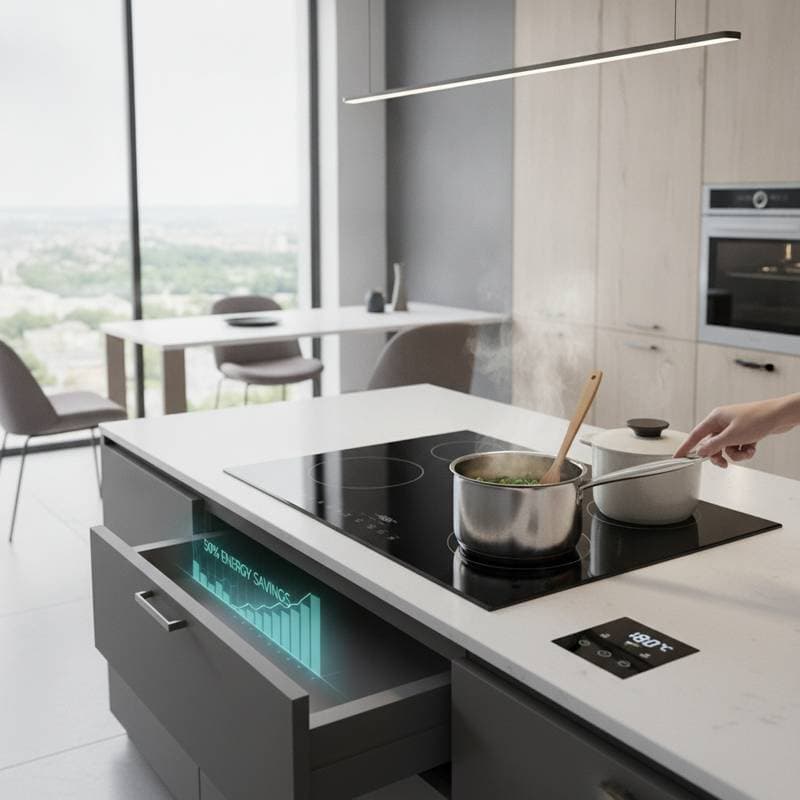
Induction cooking outperforms standard electric or gas methods in speed, cleanliness, and efficiency. Heat generates directly within the cookware, resulting in quicker boiling and exact temperature regulation. This approach produces minimal surrounding heat, which enhances kitchen comfort. Homeowners typically observe reduced utility costs and superior cooking results from the outset.
Power requirements often cause reluctance. Full-size induction ranges demand a 240-volt circuit, an element that may seem daunting for kitchens equipped with 120-volt outlets. However, various strategies exist to achieve the upgrade without disrupting walls or installing new wiring lines, based on the specific setup.
Step 1: Evaluate Your Existing Power Source
Begin by determining the electrical service type for your current cooking appliance. An existing electric range suggests a 240-volt circuit is already present, allowing a straightforward replacement with an induction model. Difficulties arise with gas stoves or older kitchens limited to standard outlets.
To confirm, examine the breaker dedicated to the cooktop. A double-pole breaker signifies 240 volts, while a single-pole breaker indicates 120 volts. This information guides subsequent decisions.
Step 2: Consider Plug-In Induction Units
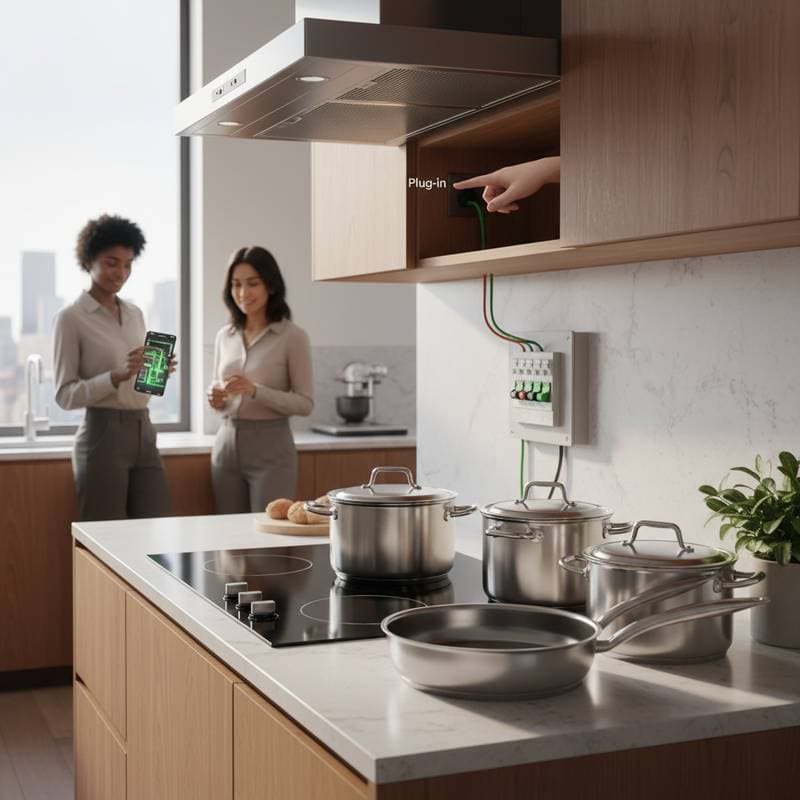
Kitchens with 120-volt service benefit from plug-in induction cooktops as a practical choice. These units fit on countertops or integrate into limited surfaces and connect to ordinary outlets while providing core induction advantages. Although less powerful than full ranges, they suit small households, apartments, or auxiliary cooking areas.
One effective arrangement involves placing two single-burner induction units adjacent to each other. This configuration provides versatility, backup functionality, and simple maintenance if a unit requires replacement. It eliminates the necessity for any circuit modifications.
Step 3: Explore 240-Volt Conversion Options
For those seeking a complete induction range from a gas setup, assess the feasibility of adding a 240-volt line without extensive rewiring. Older homes frequently possess electrical panels with spare capacity for an extra 240-volt breaker. If space and load limits permit, an electrician can install a dedicated circuit through pre-existing routes, such as basement ceilings or crawl spaces, thereby minimizing wall alterations.
The author prioritizes obtaining permits and adhering to local codes during these projects. Compliance ensures safety and preserves property value for resale. New circuits receive clear labeling, utilize correct wire gauge, and connect to isolated breakers.
Step 4: Check Load Capacity and Panel Limits
Prior to selecting a new induction appliance, request a load calculation from an electrician. This evaluation verifies that the primary service accommodates the increased demand. Contemporary induction ranges operate efficiently, yet they draw substantial current when multiple burners and the oven function simultaneously. Systems approaching full capacity risk breaker trips or voltage fluctuations.
Minor modifications often resolve issues. Electricians may redistribute high-draw appliances across circuits to balance the load. A full service upgrade serves as the final option after exhausting less invasive approaches.
Step 5: Choose the Right Induction Equipment
Induction appliances differ in power consumption. Portable models, plug-in cooktops, and compact built-ins exhibit varied wattage levels. Review manufacturer details prior to purchase to match specifications with your needs.
Seek units designated as plug-in compatible or free from hardwiring needs. These incorporate power regulators that adjust to standard outlets. Benefits include accurate temperature management and safety elements such as automatic shutdown and cookware recognition.
Step 6: Verify Cookware Compatibility
Induction requires cookware with magnetic properties. Test existing pots and pans using a refrigerator magnet against the base. A strong adherence confirms suitability. Cast iron and certain stainless steel varieties perform well, whereas pure aluminum or copper demands a magnetic underlayer for functionality.
Acquiring compatible items represents a modest expense relative to the enhanced performance. Start with essentials like a skillet and saucepan to experience the difference before expanding the collection.
Step 7: Plan for Ventilation and Surface Adjustments
Induction alters kitchen heat patterns, as surfaces remain cooler during use. Existing ventilation systems may operate more effectively as a result. Nevertheless, measure clearances to comply with requirements and position the range hood directly above the cooktop.
If replacing a thicker appliance, adjust the countertop cutout precisely. Professional templating prevents gaps or instability that could compromise the installation.
Step 8: Protect the Investment with Proper Installation
Proper installation remains essential even without rewiring. Adhere to manufacturer guidelines for spacing and avoid obstructing air vents. Secure the cooktop firmly and ensure it sits level.
Improper fitting has led to damage in cases where units force into spaces designed for bulkier predecessors. Schedule a professional review post-installation to confirm all connections and operations meet standards.
Implement Your Induction Upgrade Effectively
Transitioning to induction without rewiring proves achievable through informed preparation. Evaluate power availability first and select equipment aligned with your infrastructure. Plug-in or portable options idealize solutions for compact spaces or temporary setups, enabling immediate access to induction's advantages without long-term commitments.