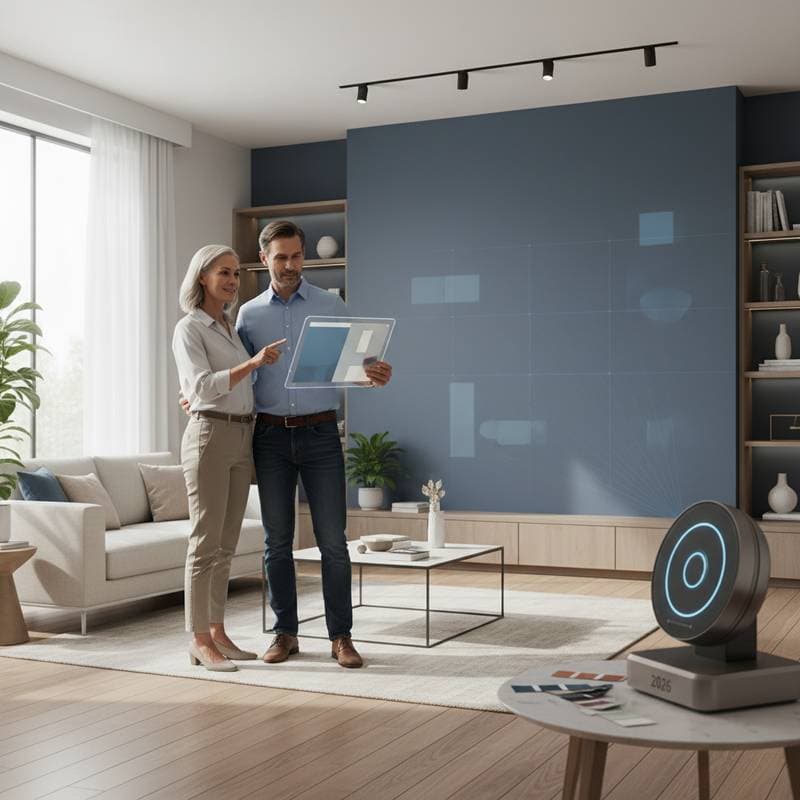
Introduction to AI in Paint Selection
Selecting the right paint color has long challenged homeowners and professionals alike. Traditional methods rely on small swatches that fail to capture how colors appear in actual spaces under varying light. AI changes this dynamic by offering precise simulations based on real-world conditions.
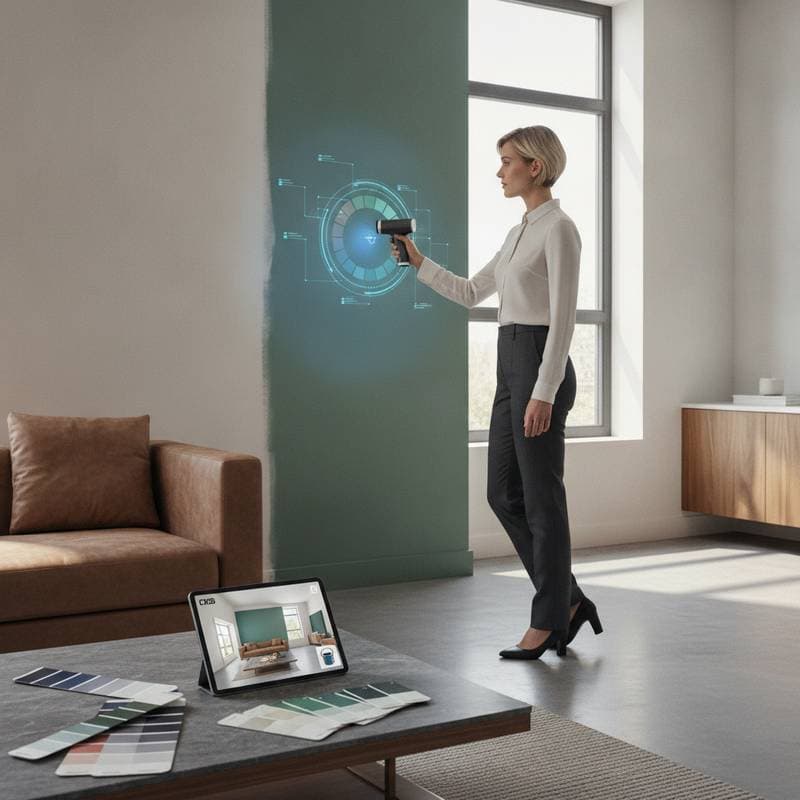
These advanced tools process images of rooms and suggest colors that align with surroundings. Users upload photos or use camera features to see instant results. This approach saves time and builds trust in the final outcome.
How AI Analyzes and Simulates Colors
AI systems begin by examining key environmental factors. Lighting plays a central role, as natural and artificial sources alter color perception dramatically. The technology accounts for time of day, bulb types, and window orientations to predict true appearances.
Material surfaces receive similar scrutiny. Walls with textures or existing finishes reflect paint differently than smooth ones. AI models these interactions using data from vast libraries of pigments and surfaces.
Real-world pigment data forms the foundation. Databases include thousands of paint formulas from leading brands. Algorithms cross-reference these with user inputs to generate matches that avoid surprises upon application.
Key Technologies Behind the Tools
Computer vision powers the core functionality. Cameras or uploaded images feed into neural networks trained on millions of interior photos. These networks identify elements like furniture and architecture to suggest harmonious palettes.
Machine learning refines suggestions over time. As users provide feedback on previews, the system improves accuracy for future sessions. This iterative process ensures evolving precision tailored to individual preferences.
Integration with augmented reality enhances visualization. Some apps overlay digital paint layers onto live views through smartphones. This real-time feature allows adjustments on the spot, bridging the gap between idea and reality.
Benefits for Homeowners and Contractors
Homeowners gain immediate value from reduced trial and error. Instead of purchasing numerous samples, they test dozens of shades virtually. This method cuts costs and minimizes waste, aligning with sustainable practices.
Decision-making accelerates significantly. What once took weeks of deliberation now resolves in minutes. Families can involve everyone in the process, fostering agreement on final choices.
Contractors appreciate the efficiency gains. Clear visualizations prevent costly repaints due to mismatched expectations. Projects stay on schedule, and client satisfaction rises with transparent previews.
Practical Examples in Action
Consider a living room with north-facing windows. AI detects cooler light tones and recommends warmer hues to balance the atmosphere. A user sees the shift from stark blue to inviting beige without lifting a brush.
In kitchens, where cabinets and countertops dominate, the tool suggests accents that complement stainless steel or wood grains. Professionals use these insights to propose cohesive designs that enhance functionality and appeal.
For renovations, AI handles complex scenarios like open-concept layouts. It simulates how colors flow between rooms, ensuring unity without overwhelming any single area.
Steps to Use AI Paint Tools Effectively
Start by selecting a reliable app or platform. Many offer free basic versions with premium upgrades for advanced features. Download and grant camera access for optimal results.
-
Capture your space clearly. Take well-lit photos from multiple angles, focusing on the areas for painting. Avoid cluttered scenes to aid accurate analysis.
-
Input preferences. Specify mood, style, or brand constraints. Some tools allow uploading inspiration images for palette generation.
-
Review simulations. Examine previews under different lighting conditions. Zoom in to check details on edges and corners.
-
Refine and compare. Adjust shades or test alternatives side by side. Save favorites for later reference or sharing with designers.
-
Verify with samples if needed. While AI minimizes this step, a single physical sample confirms the digital match in your environment.
Follow these steps to integrate AI seamlessly into your project workflow. Consistency in application yields the best outcomes.
Achieving Confident Transformations
AI empowers users to approach paint selection with precision and ease. Spaces evolve from bland to vibrant through informed choices that reflect personal vision. Homeowners discover joy in the process, while professionals deliver results that exceed expectations.
As technology advances, expect even deeper integrations, such as voice-activated adjustments or 3D modeling. These developments promise to further simplify home improvement endeavors. Embrace AI today to unlock the full potential of your living environments.