AI Color Matching Delivers Perfect Paint Every Time
Color remains central to every design decision. It conveys emotion through walls and turns ordinary rooms into memorable spaces. For years, selecting an exact shade presented persistent challenges because lighting conditions shift, sample cards prove unreliable, and colors appear different once applied at home. AI color matching now resolves these issues by delivering precise, true-to-life results on every project.
Limitations of Traditional Color Selection
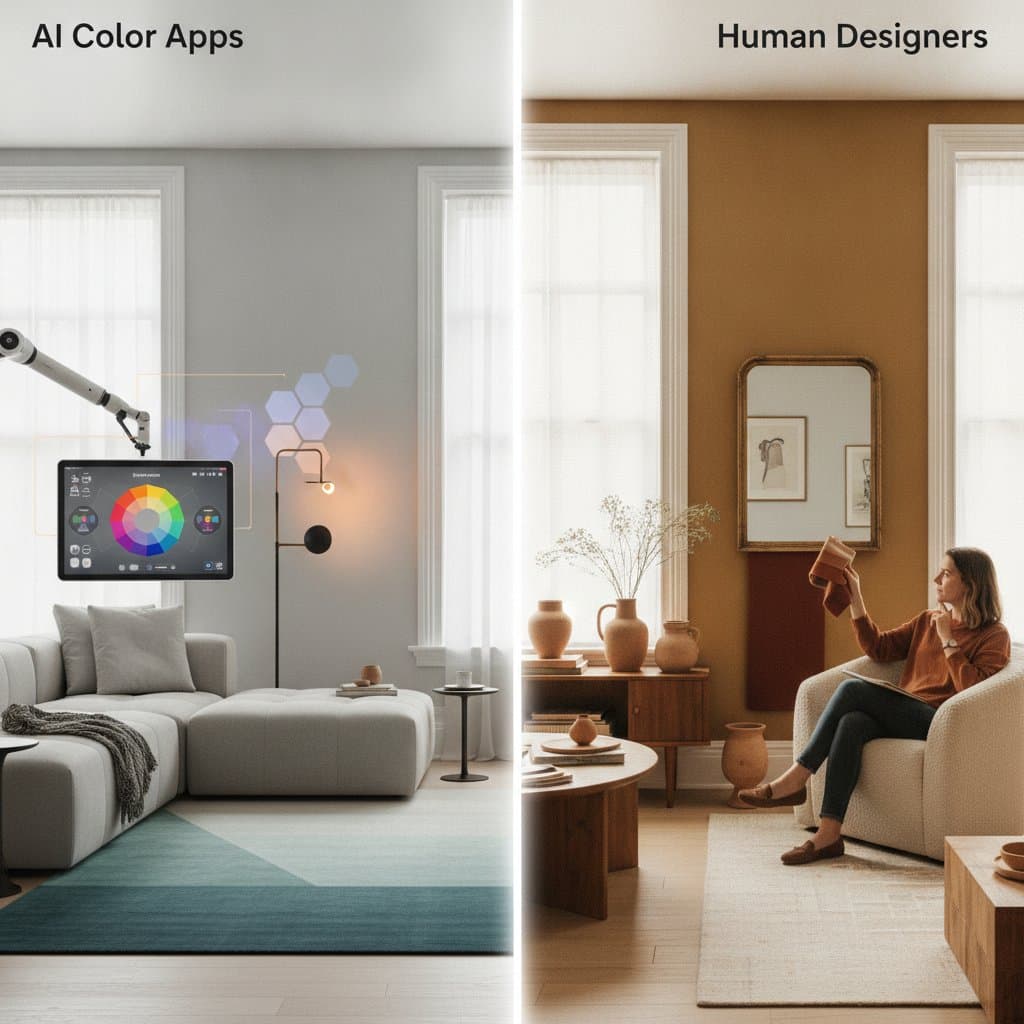
Many people face overwhelming choices when standing before extensive displays of paint samples. Even experienced designers recognize that colors change once applied to large surfaces. Factors such as undertones, lighting temperature, and wall texture affect final appearance. Conventional color wheels and fan decks lack the capacity to adjust for these variables.
AI technology introduces a higher degree of precision. It accounts for real-world conditions that older methods overlook.
Mechanics of AI Color Matching
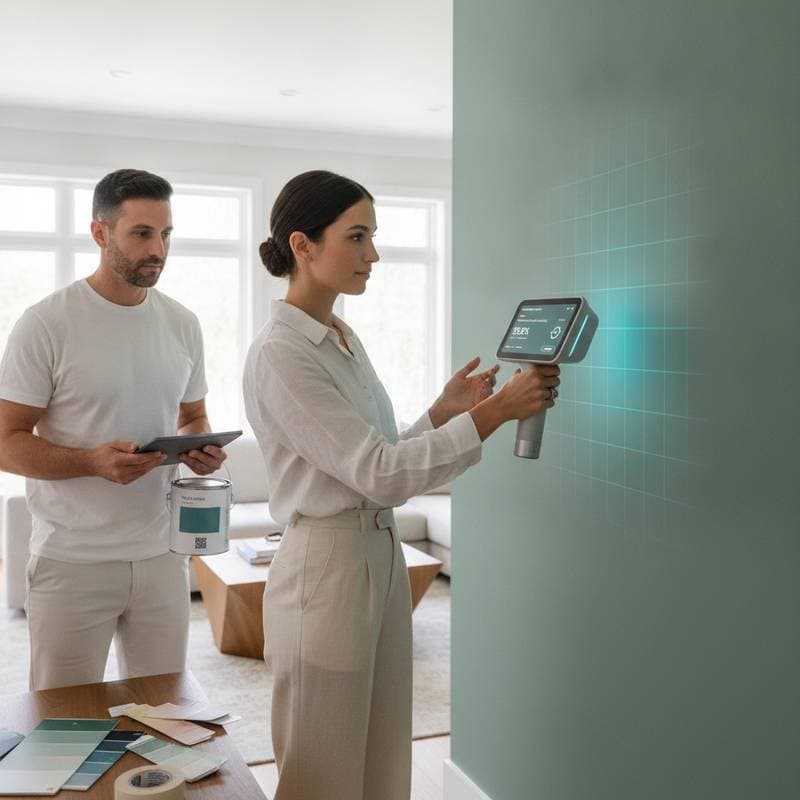
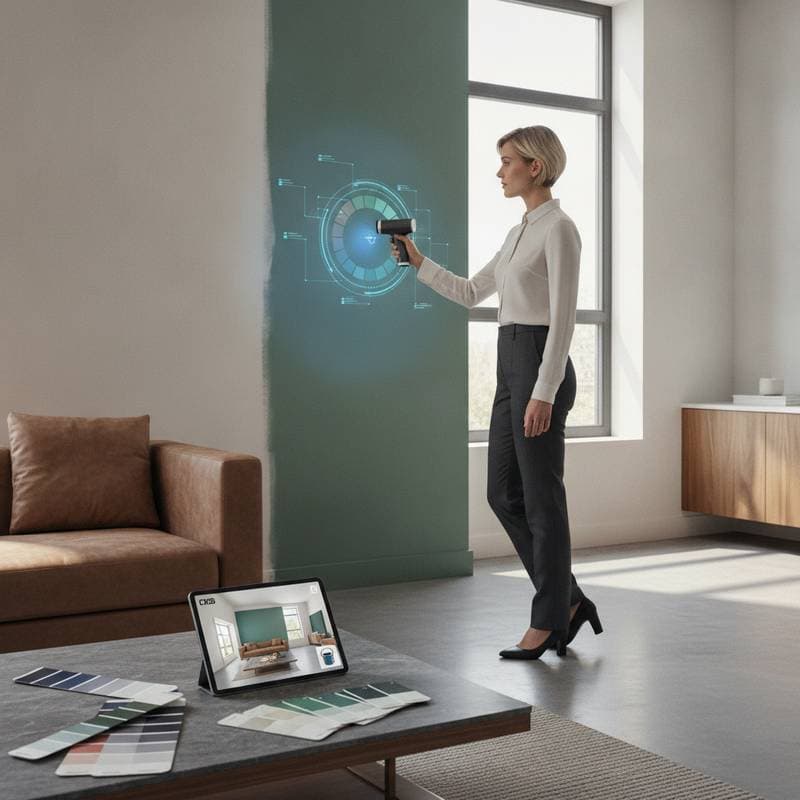
AI color matching systems analyze source materials such as fabric swatches, photographs, or existing walls through advanced imaging. The software processes millions of data points and matches them against comprehensive digital paint libraries. Users operate many of these tools through mobile applications that connect to brand scanners.
The process allows immediate identification of matching colors. Certain applications also simulate appearance under varied lighting conditions. This capability prevents mismatches that occur after purchase.
Accessibility Across Budget Levels
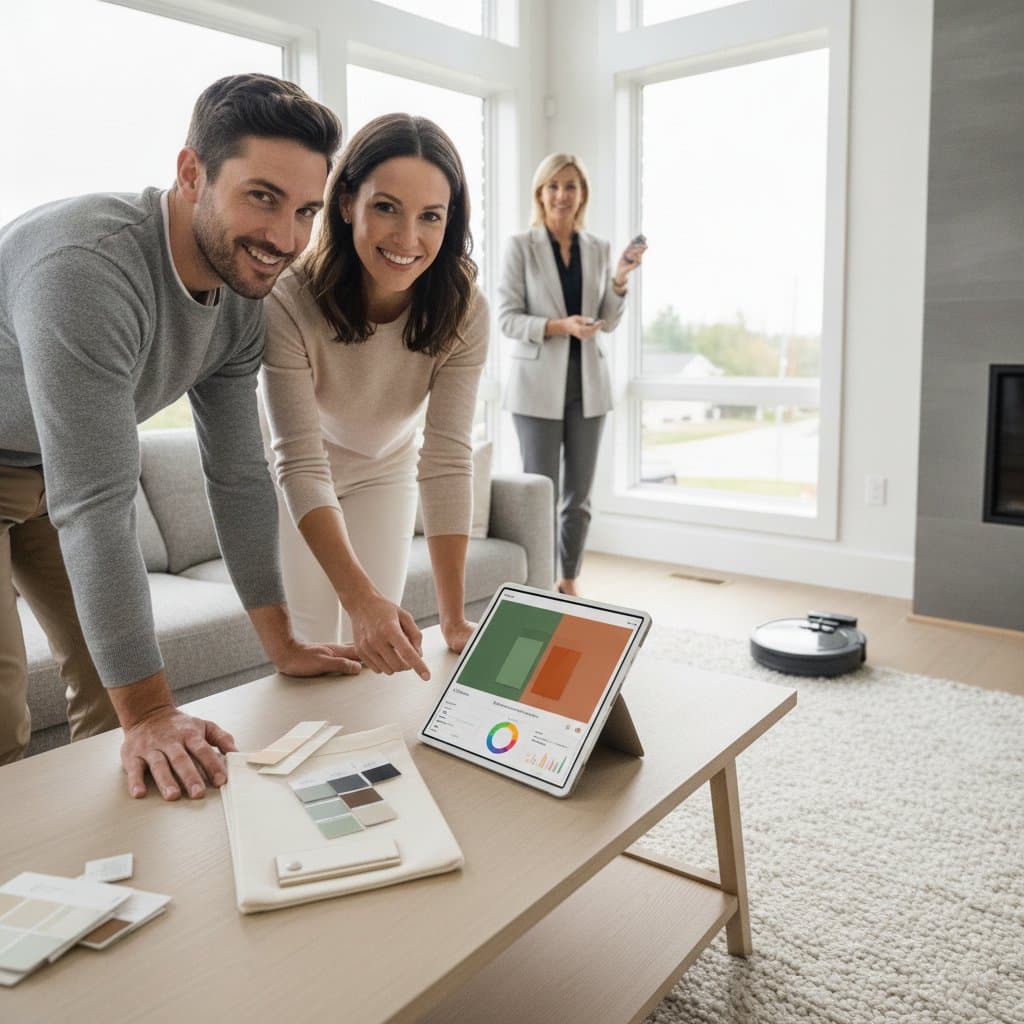
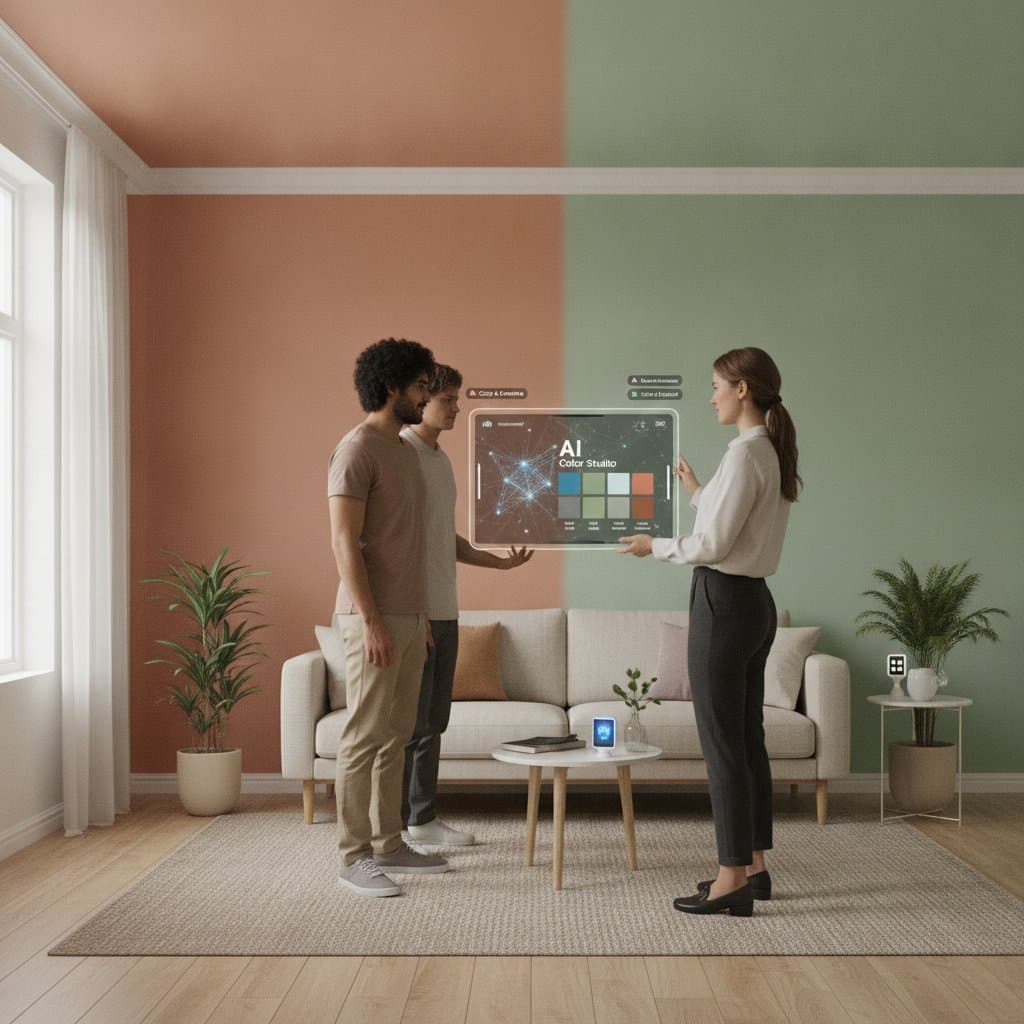
AI color matching serves projects of every scale. Free mobile applications permit photo uploads for instant matches and support augmented reality previews on walls. Portable sensors priced below the cost of premium paint connect to phones for professional-grade readings. Larger projects benefit from consultant systems that integrate scanner data with design software for coordinated palettes.
Practical Applications in Design Work
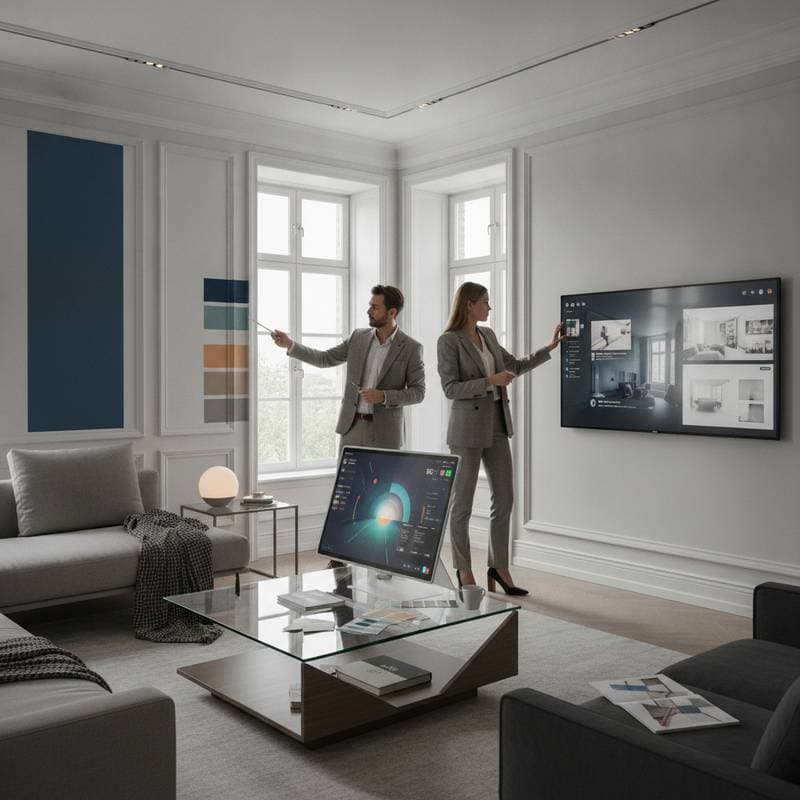
Design teams use these tools to match elements such as curtain fabrics to wall colors within minutes. The technology maintains uniform results across multiple rooms or properties. It eliminates variations that arise from different paint batches or touch-up efforts.
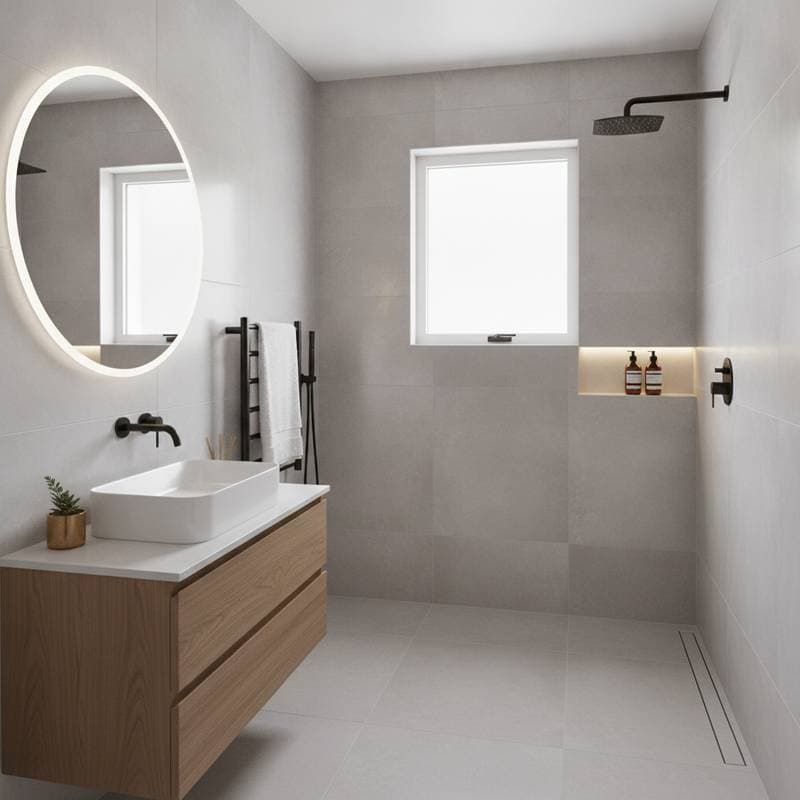
Color selection also preserves intended moods. Scanning a beach photograph can replicate a calm atmosphere in a bathroom. Matching a plant's green tone can introduce organic freshness to a kitchen.
Benefits for Retail and Fabrication Businesses
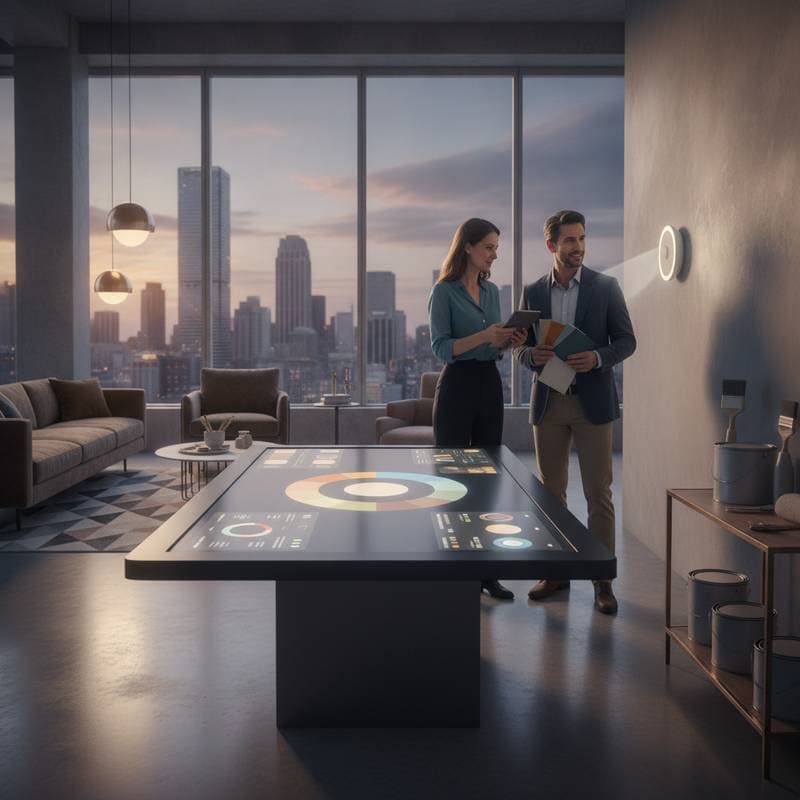
Independent paint retailers install AI scanners to provide accurate matches that compete with larger chains. Cabinet makers and furniture designers apply the same systems to align finishes across materials. Desktop scanners now deliver precision previously limited to industrial environments.
Steps for Effective Use
- Perform scans under natural light to avoid distortions from artificial sources.
- Clean surfaces thoroughly before scanning to prevent interference from dust or gloss.
- Capture readings from several locations so the system can average data for improved accuracy.
- Store matched color information digitally for consistent future reference.
- Order physical samples to verify appearance within the actual space.
Sustaining Consistent Results Over Time
Once a color is selected, the technology supports ongoing maintenance. Users can recreate shades for touch-ups or renovations years later. Renters and professional designers alike gain reliable outcomes without repeated trial and error. This approach converts color selection from an uncertain process into a repeatable one.