AI Color Tools Transform Paint Choices for Interiors
Color influences emotions, movement, and thought within any space. Selecting an effective paint color can expand a small room visually or highlight a plain wall as a focal point. Many homeowners find the array of paint swatches overwhelming. New AI color tools address this challenge through predictive matching and mood analysis, enabling precise selections across budgets.
Why Color Selection Holds Significant Weight
Color psychology demonstrates measurable effects. Light blues reduce mental tension, warm yellows increase energy, soft greens support equilibrium, and deep reds encourage interaction. The persistent difficulty lies in matching an imagined color to the final wall appearance. Lighting conditions, surface textures, and existing furniture alter outcomes. AI color tools close this gap by evaluating the physical environment, stated preferences, and intended emotional impact of the room.
Core Functions of AI Color Tools
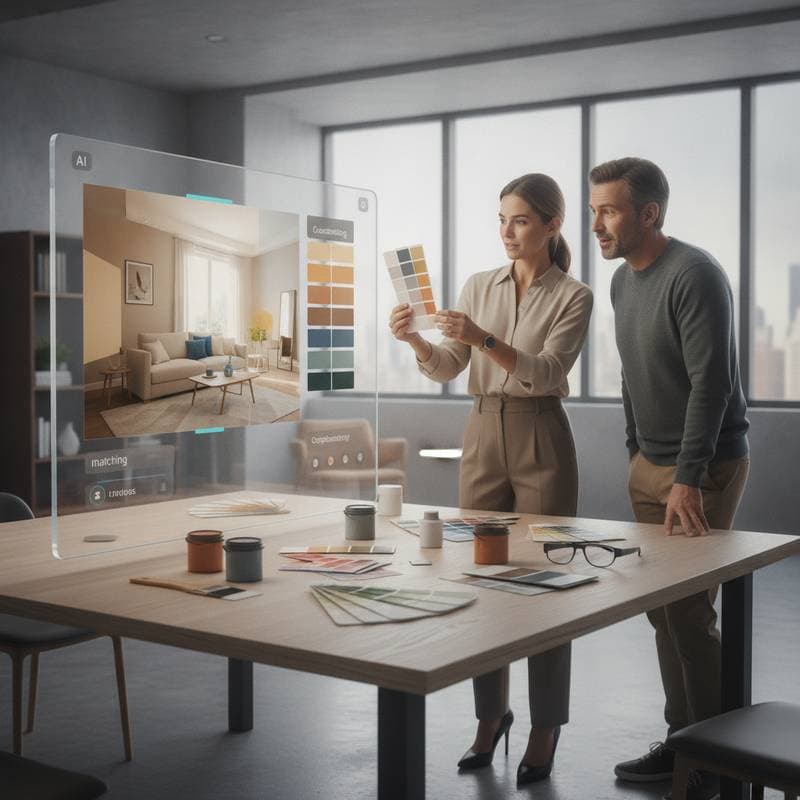
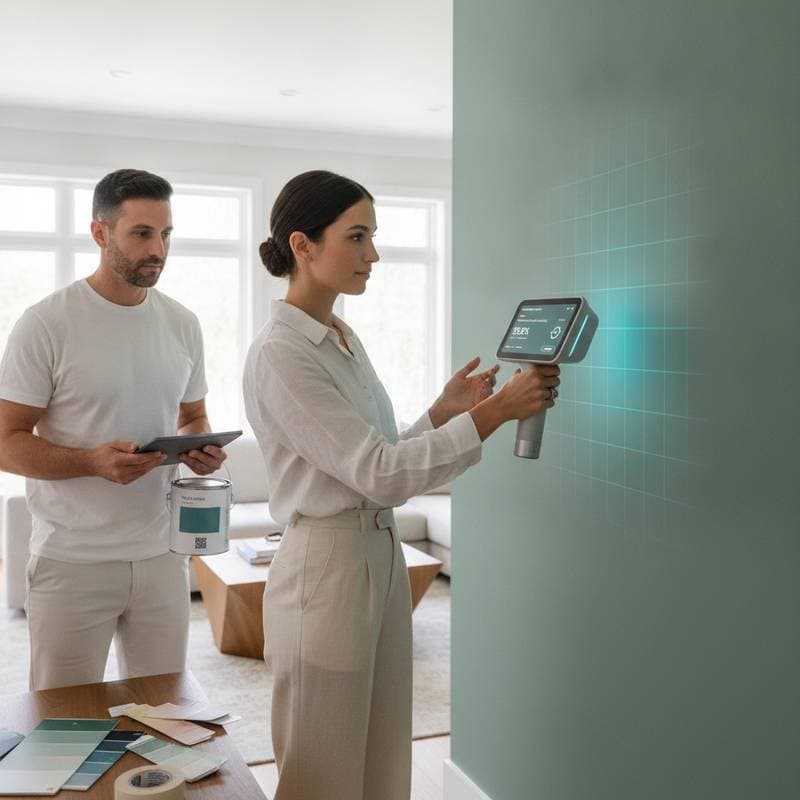
These tools apply algorithms to room photographs, furniture images, and style inputs. They detect undertones, propose complementary shades, and model lighting variations across the day. Some operate through smartphone cameras for live previews, while others accept uploaded images for full-wall simulations. The systems refine suggestions based on repeated use, converging on suitable palettes.
Consider uploading a living room image. The tool identifies warm wood flooring alongside cool gray furniture and recommends shades such as soft clay or muted sage. It further indicates appearance under daylight versus artificial evening light, providing clear expectations before purchase.
Accessible Options Across Budget Levels
These tools require no professional design service or large renovation expense. Many versions remain free or cost less than one paint sample, allowing renters and new decorators to test ideas without material waste.
Options scale by investment:
- Free online visualizers from paint manufacturers permit photo uploads and virtual color trials.
- Mid-range applications add lighting simulation and tone analysis at a cost below a typical meal.
- Professional platforms integrate color data with material sourcing for designers handling multiple projects.
Each tier delivers reduced waste and higher decision confidence.
Application in Media and Residential Settings
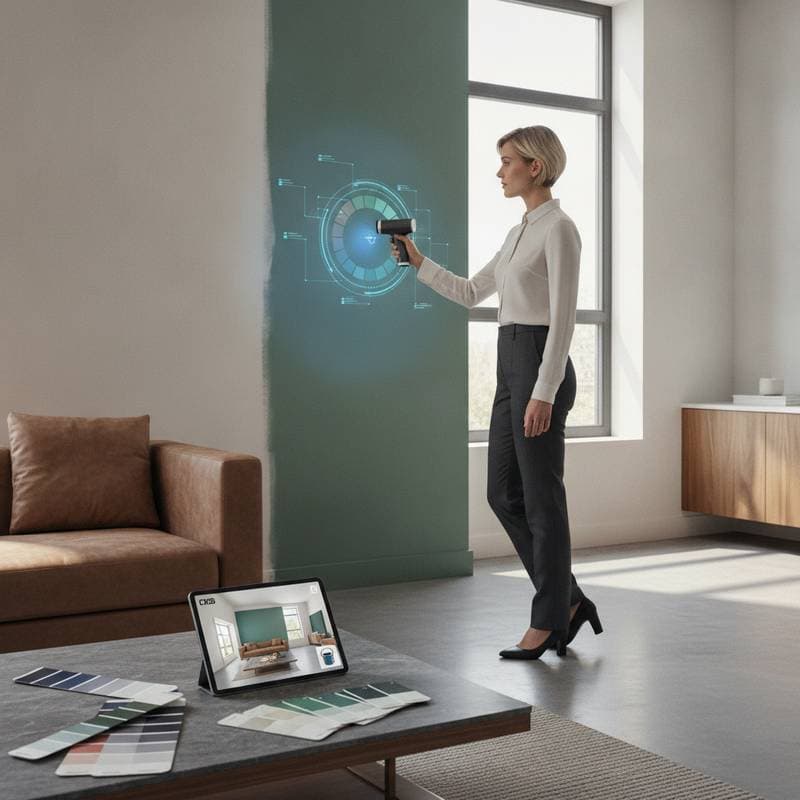
Studio environments reveal how lighting shifts paint behavior under camera amplification. AI tools replicate these variables in advance, allowing preview of a teal accent wall in bright conditions or a soft white that absorbs warm tones. Homeowners gain equivalent preview capability for consistent results in personal spaces.
Integration of Emotional Data with Color Selection
Emerging tools incorporate psychological research. Users describe desired feelings, such as calm without drowsiness, and receive palettes combining serene blues with measured coral accents. The systems draw from documented emotional responses to generate aligned recommendations.
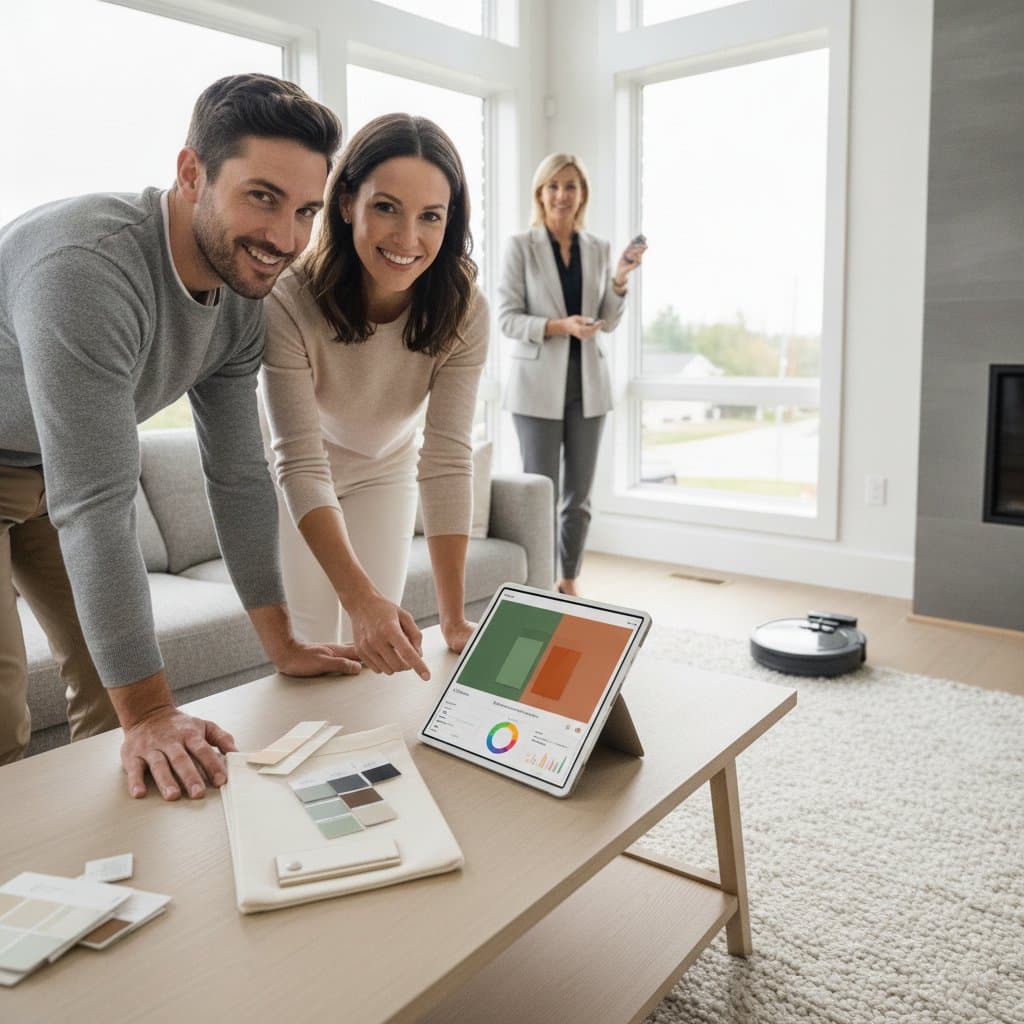
Clients who struggle to verbalize preferences receive accurate outputs when their inputs process through the interface. One case paired an attraction to earthy neutrals with energizing accents, eliminating repeated physical tests and producing a cohesive result.
Opportunities for Design Professionals
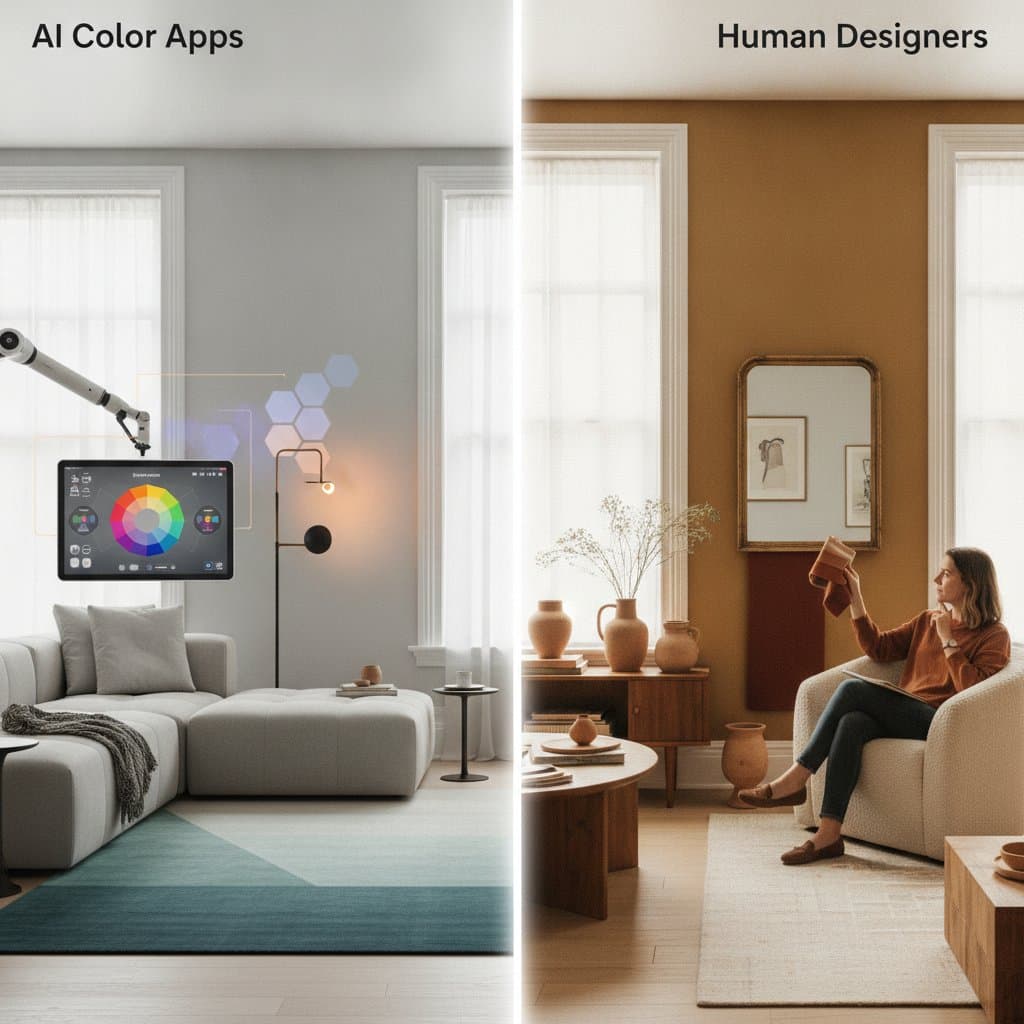
Professionals use these tools to shorten consultations, strengthen presentations, and limit errors. Integration with product lines, such as eco-friendly paints, helps customers match values to specific shades. Manufacturers now develop formulas that respond to AI calibration, enabling scanned walls to adjust finish dynamically.
Sustaining the Finished Space
Retain the generated palette codes, lighting assessments, and digital renderings after application. This record supports future furniture or lighting changes without repeated testing. Regular experiments with accent walls or painted ceilings maintain visual interest as needs evolve.