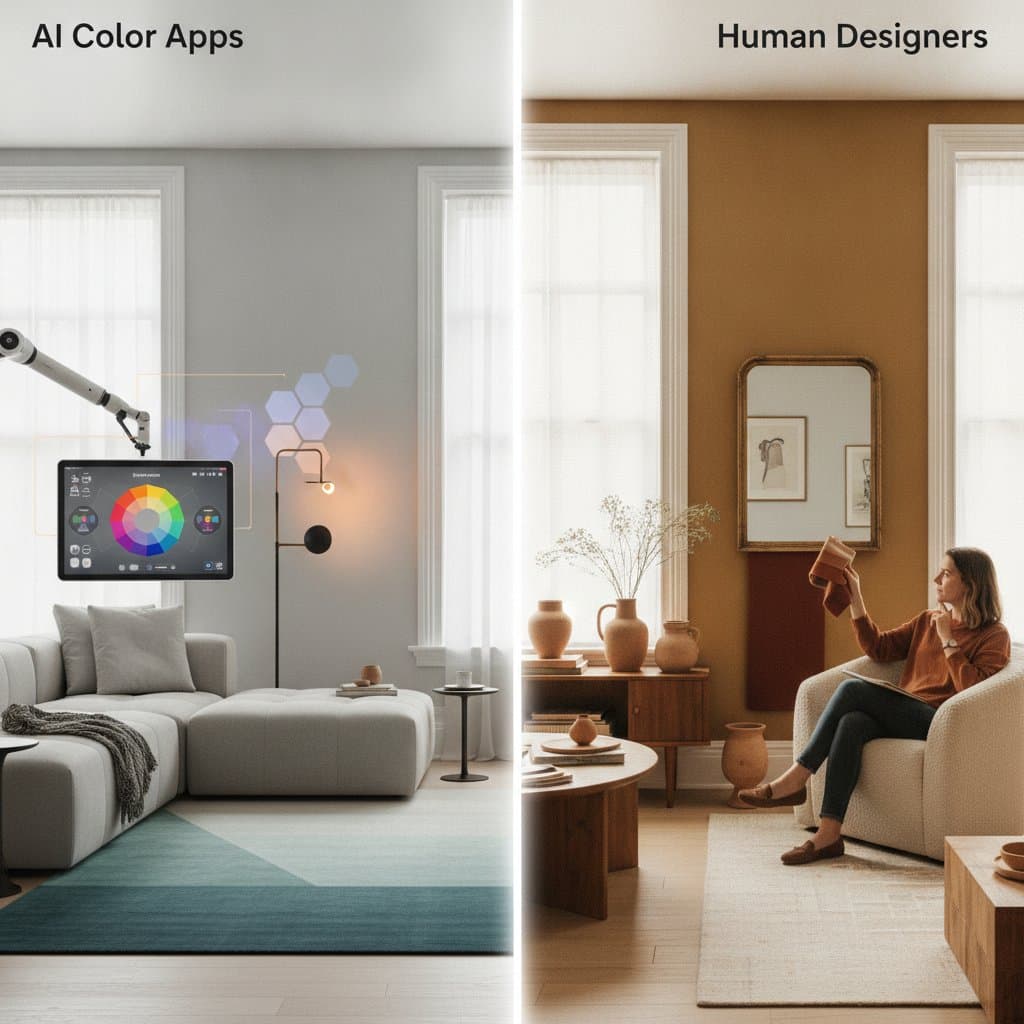
AI Color Apps Reduce Home Design Costs by Up to 90 Percent
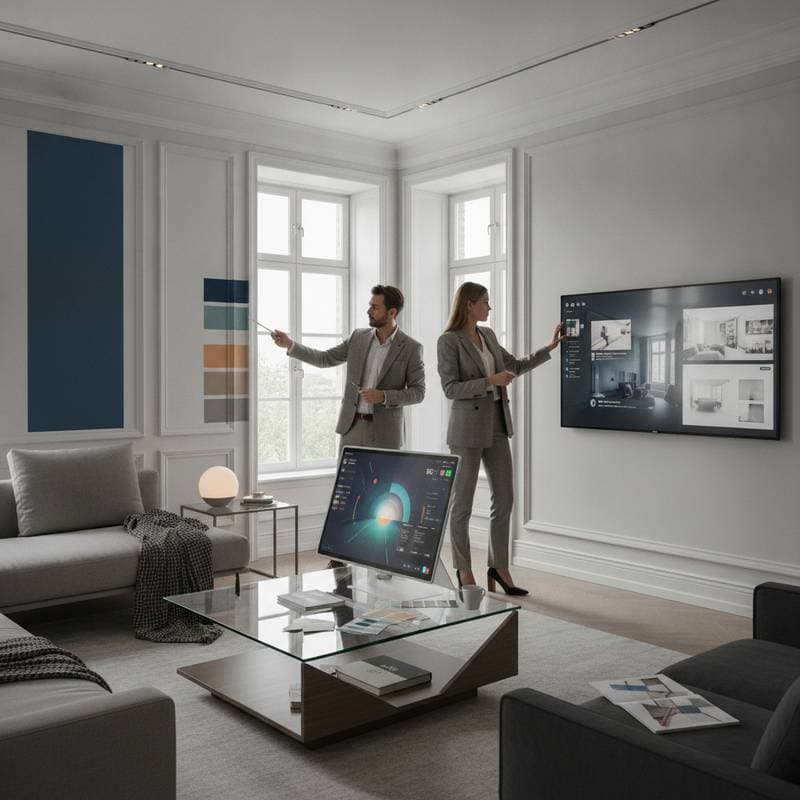
You have selected a new couch, yet the wall color no longer fits. The choice between a warm gray and a cool beige requires quick testing. An app processes a room photo and displays each option in place within seconds. This approach eliminates scheduling delays and consultation fees.
Artificial intelligence now supports color decisions for many homeowners. These tools replace some services once provided only by professionals. The following sections explain the technology, compare options, and outline practical steps.
How AI Color Tools Analyze Spaces
These applications rely on computer vision and machine learning. They examine room photographs for color values, saturation levels, and light conditions. The system then applies established design rules to generate balanced palettes.
The typical workflow includes five steps.
- Upload a photograph of the target room.
- The app evaluates shadows, light sources, and reflective surfaces.
- Existing tones in furniture and flooring are mapped.
- A recommendation engine matches palettes from a large database of design examples.
- Virtual paint is applied so colors can be viewed under varied lighting.
Additional features allow scanning of physical samples to locate matching products across brands.
Direct Comparison of Tools and Consultants
Cost and speed favor AI applications, while human designers retain advantages in certain areas.
| Feature | AI Color App | Professional Consultant |
|---|---|---|
| Cost | Free to 20 dollars per month | 300 to 900 dollars per project |
| Turnaround Time | Instant | 1 to 2 weeks |
| Personalization | Based on photo data | Based on conversation, mood, and lifestyle |
| Accuracy | High for lighting and color matching | High for overall design harmony |
| Ongoing Support | Limited | Includes follow-up and adjustments |
Consultants provide stronger guidance when colors must coordinate with specific fabrics or architectural details. AI handles rapid exploration and initial confirmation effectively.
Capabilities and Limitations of Current Technology
AI performs well on measurable tasks yet falls short on subjective elements.
Strengths include the following.
- Precise color matching from images or samples.
- Adjustments for lighting variations and shadows.
- Palette suggestions drawn from tested design formulas.
- Low-cost, rapid experimentation.
Limitations remain in several areas.
- Interpretation of personal mood and taste.
- Evaluation of texture, finish, or surface flaws.
- Forecasting seasonal shifts in natural light.
- Alignment of color with broader style themes.
Many consultants now incorporate AI during their own projects to accelerate testing.
Practical Steps for Safe and Accurate Results
- Maintain ventilation during sample application even with low-VOC products.
- Verify colors under both daylight and artificial sources after AI preview.
- Repair surface imperfections before painting, since apps cannot detect them.
- Cross-check screen colors against physical swatches from the store.
- Confirm local codes if the project extends beyond paint.
These measures reduce the chance of rework.
Expanding Role of AI in Future Projects
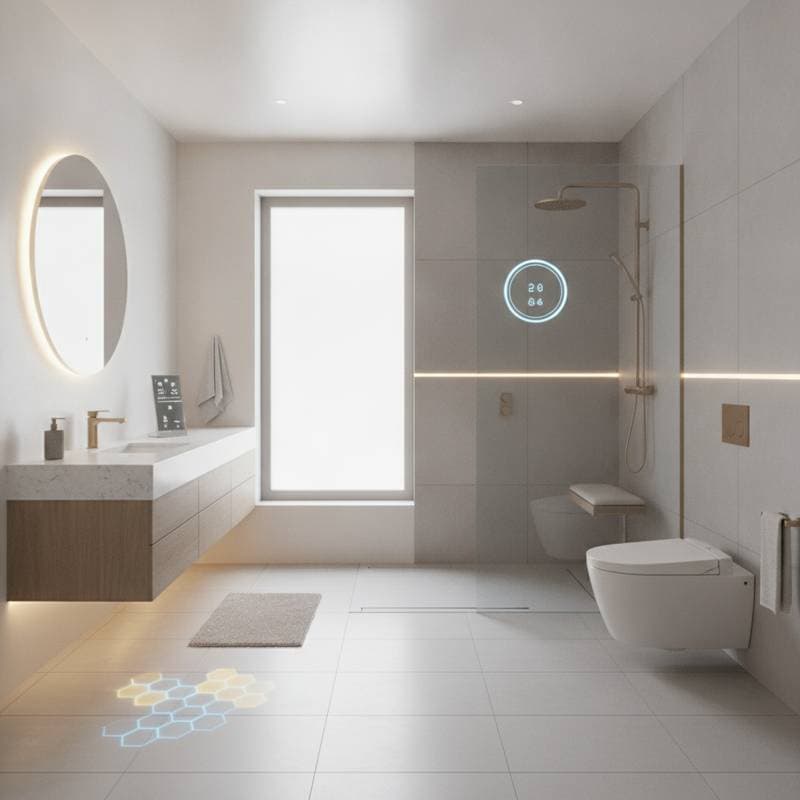
Developers continue to add features that suggest complete room schemes. Integration with smart lighting systems already allows automatic adjustment of color temperature. Consultants increasingly interpret AI output rather than perform manual matching.
Homeowners gain greater budget control by combining both resources. Frequent photo uploads improve algorithm performance over time. Automatic suggestions based on detected changes in furniture or light may appear in future versions.
Getting Started with AI Color Tools
Download a free application and test several palettes against existing room photographs. Compare results at different times of day. Purchase small samples of the top choices for real-world confirmation. For projects involving complex undertones, schedule a brief session with a designer who already uses these tools. This combination delivers speed along with refined judgment.