AI Paint Tools Match Colors in Seconds, Not Hours
Choosing paint color used to mean carrying fabric swatches, photographing walls, and squinting at tiny chips under changing light. Now, AI color tools can match a shade in seconds, giving homeowners and designers a faster, more confident way to make paint selections.
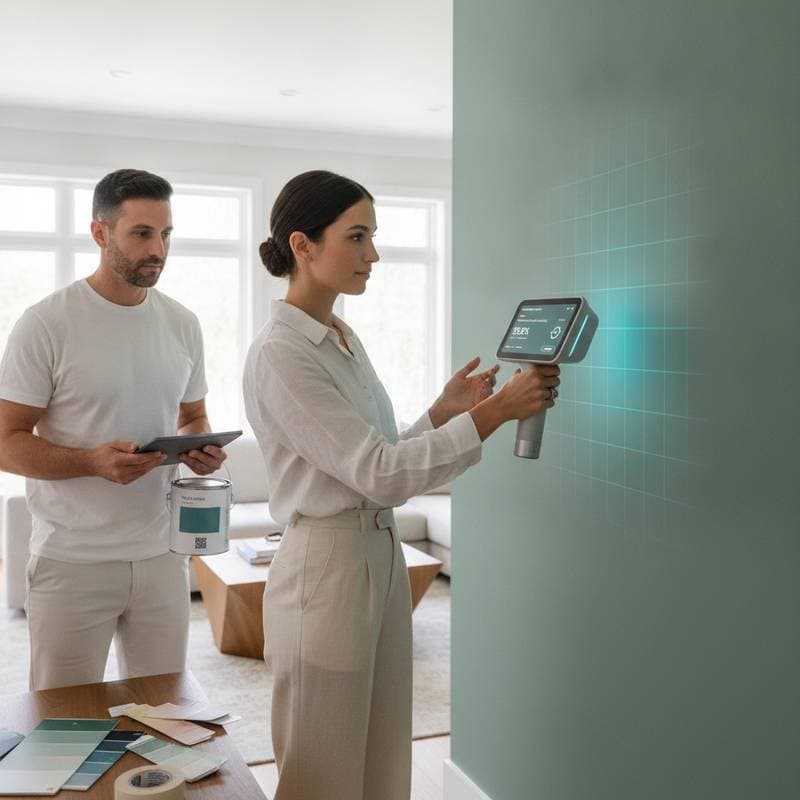
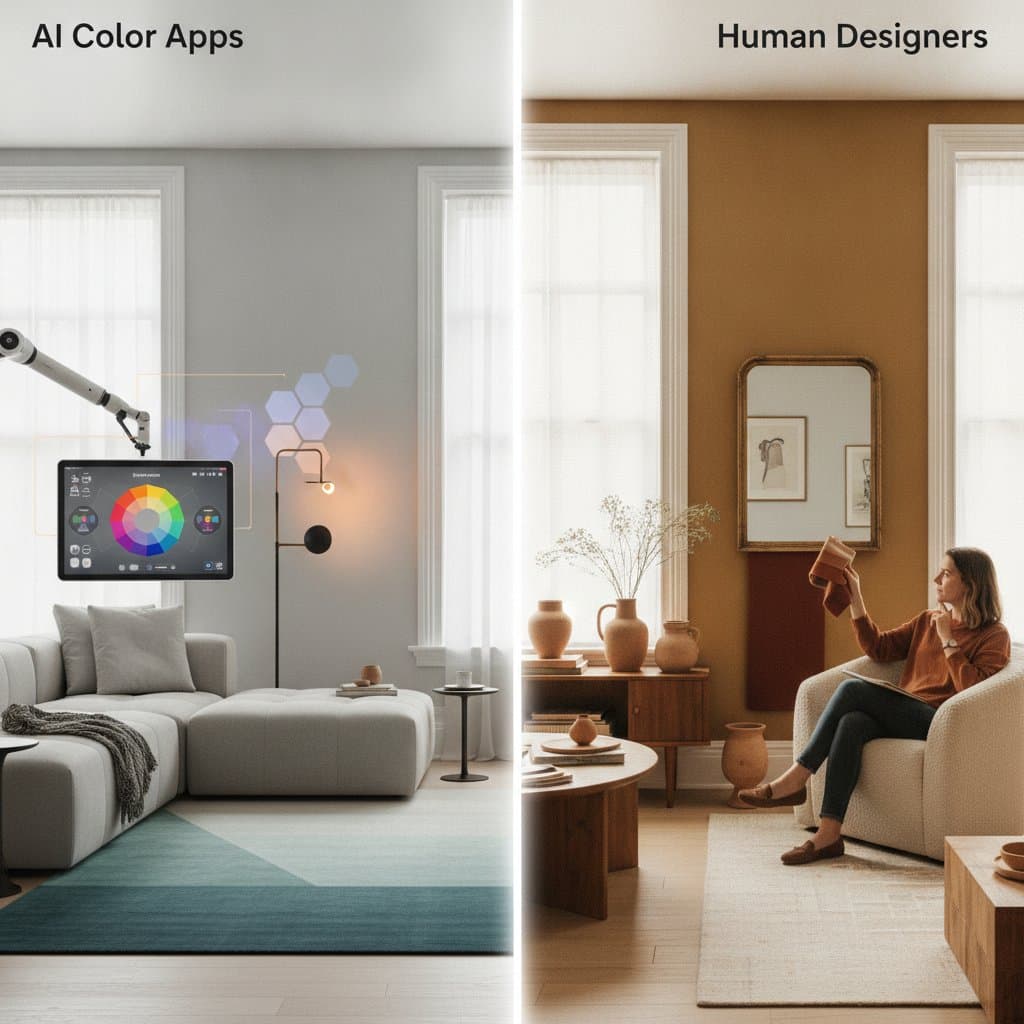
These digital tools analyze a photo, identify nearby color values, and suggest paint options from available brands. They do not replace human taste. They give you a smart starting point, then you bring the personality.
How Digital Color Matching Works
Most AI paint tools use a phone camera or uploaded image. You might photograph a favorite chair, a backsplash, artwork, flooring, or even a leaf from your garden. The software studies the image and detects dominant colors, undertones, contrast, and relationships between shades.
A tool may suggest:
- A close paint match for the photographed color
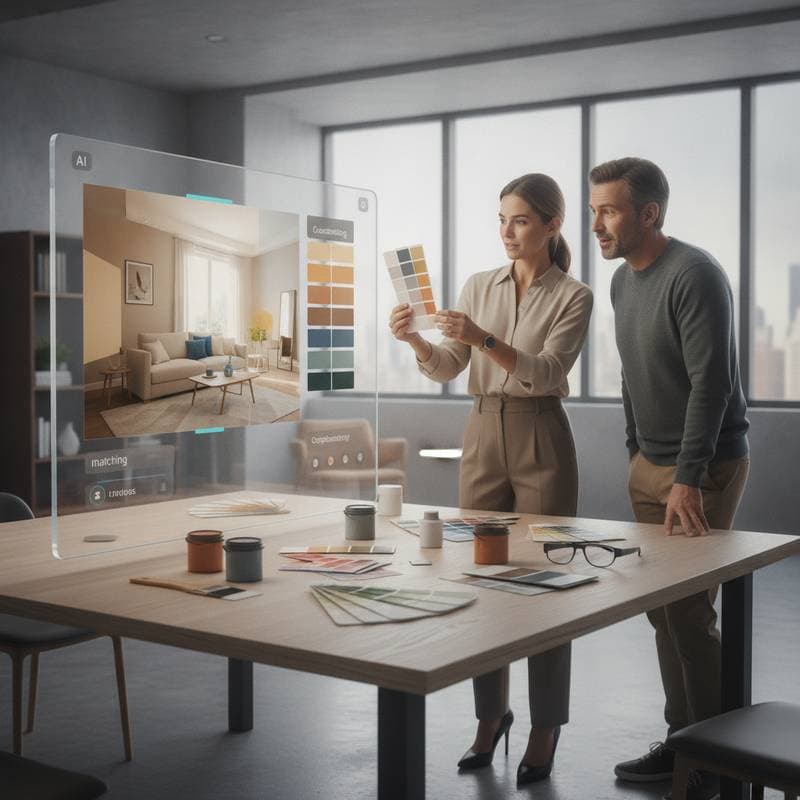
- Coordinating wall, trim, ceiling, or accent shades
- Lighter and darker versions of the same family
- Complementary colors for furniture and accessories
- Brand names and product codes available through retailers
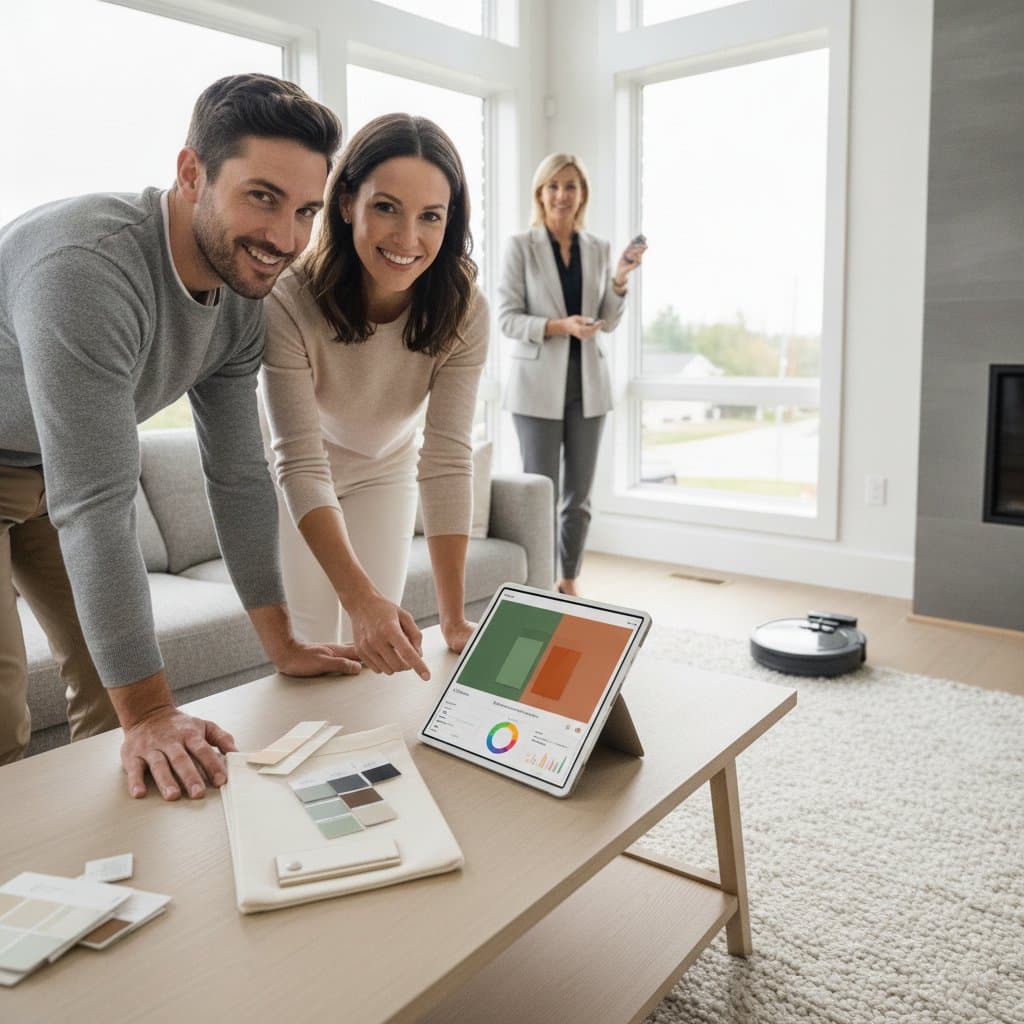
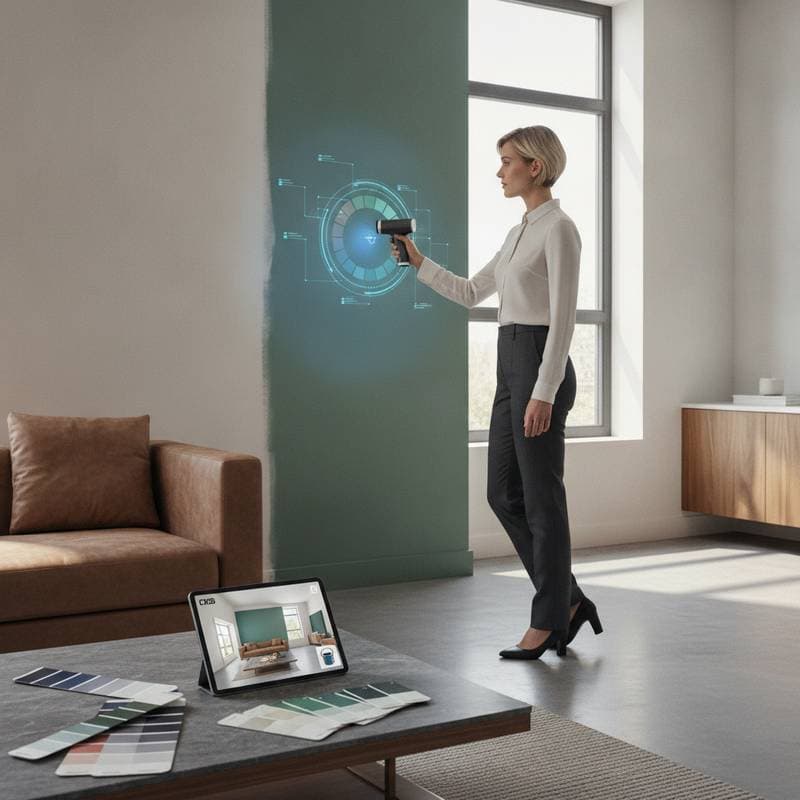
Some platforms also let you upload a room photo and test colors directly on the walls. This visual preview helps you spot problems before buying several gallons.
Why This Helps With Paint Selection
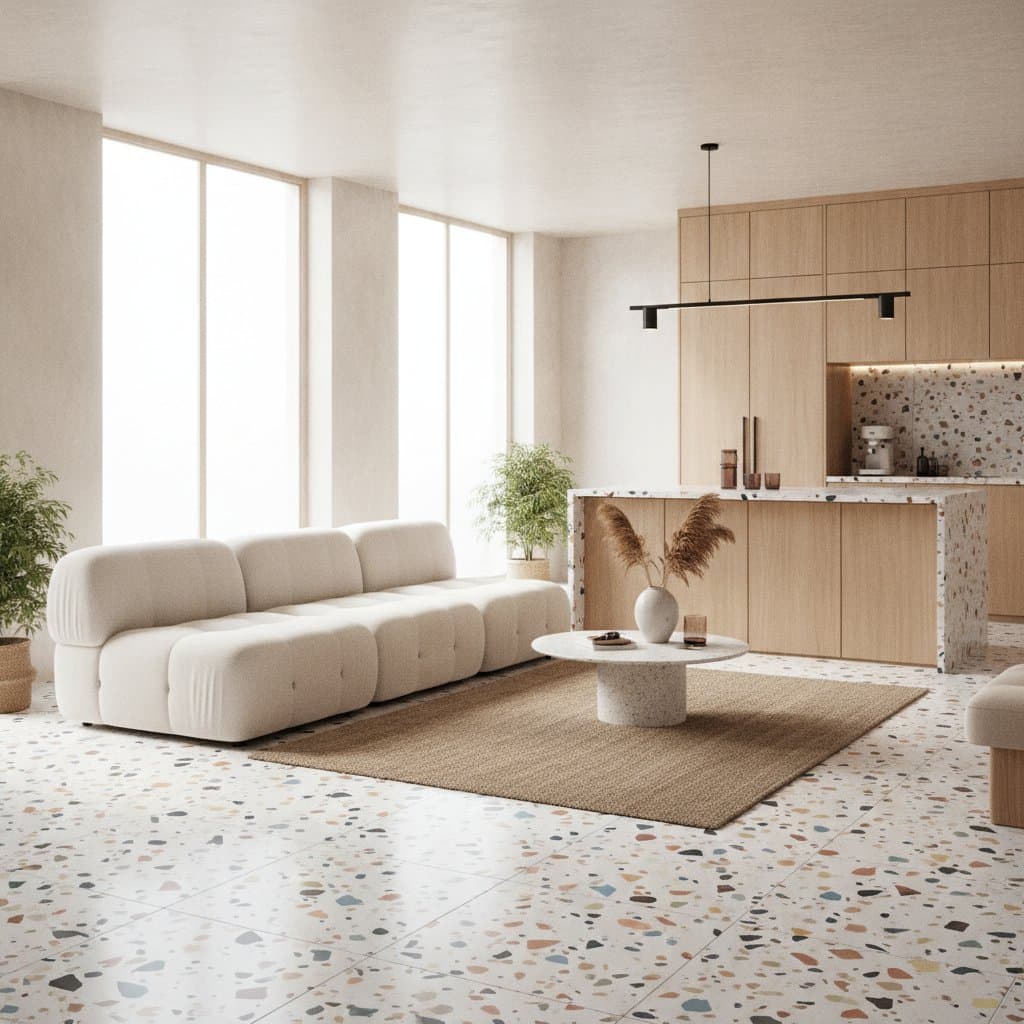
Color decisions often become difficult when a room has several fixed elements. A stone countertop might contain gray, cream, green, and brown. A rug could introduce five possible wall colors. AI tools quickly sort through those details and identify a usable direction.
They can also reveal undertones that are easy to miss. A white with a blue undertone may feel crisp in a bright room but chilly beside warm wood. A beige with pink undertones might look rosy next to certain fabrics. Digital analysis helps you notice those relationships before the paint reaches the wall.
Television design projects taught me to make strong visual decisions under pressure. On makeover sets, we needed colors that looked beautiful in person and translated clearly on camera. The same principle works at home. Look for a shade that supports the room's lighting, furnishings, and emotional tone.
A Practical Three Level Approach
With little to no budget, use a free phone app from a paint manufacturer. Photograph your inspiration item in indirect daylight. Avoid glare, shadows, and colored bulbs. Generate several matches, then compare the suggestions against your existing flooring, upholstery, and trim.
With a small project budget, buy sample pots or peel and stick paint samples. Place samples on more than one wall, including a wall opposite the window. Observe them in morning, afternoon, and evening light. Never trust a color preview alone.
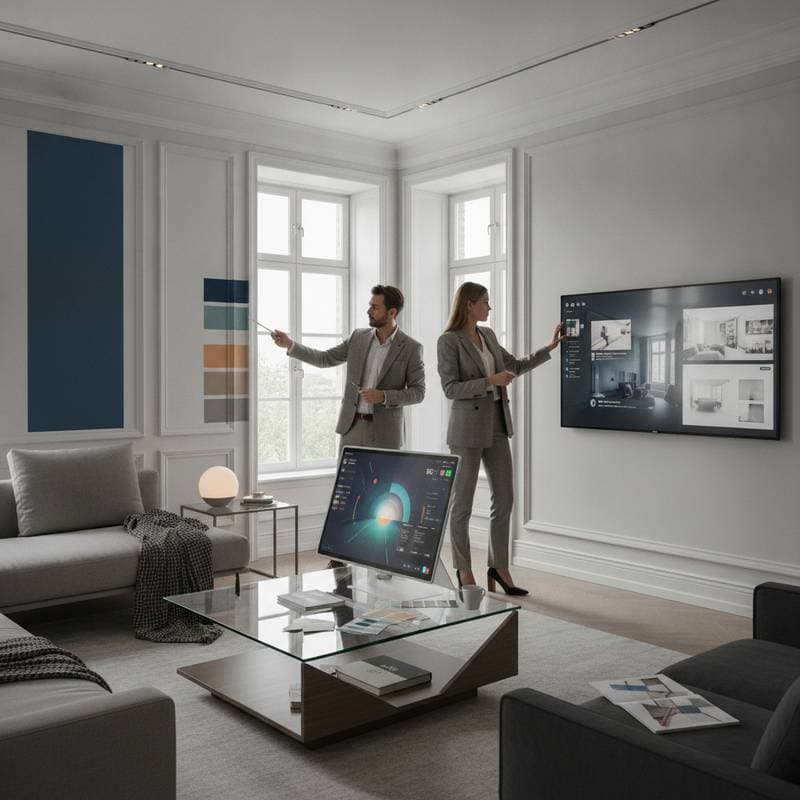
For a larger renovation, combine AI recommendations with a professional color consultation. Bring photos, material samples, and measurements. A designer can refine the palette, specify sheen, and coordinate adjoining rooms. This investment can prevent expensive repainting and create a smoother whole home plan.
Where AI Tools Need Human Judgment
A digital match is a recommendation, not a guarantee. Screens display color through light, pixels, and settings. Your wall has texture, existing primer, artificial lighting, and surrounding colors. Even a perfect digital match may look different once applied.
Use these safeguards:
- Clean the camera lens before photographing.
- Capture images in natural, balanced light.
- Photograph more than one section of the inspiration item.
- Compare several suggested matches instead of selecting the first result.
- Test real samples on your actual wall.
- Check the finish, since matte, eggshell, satin, and gloss reflect light differently.
If you rent, try removable sample boards or large cardstock panels. They let you test color without coating the wall, and you can move them around the room. That is smart design with flexibility built in.
A Fresh Opportunity for Designers
AI color matching also opens doors for design entrepreneurs. A decorator could offer a remote palette service using client photos, room measurements, and digital recommendations. A paint retailer could bundle color analysis with sample delivery. A backdrop maker could create coordinated photography surfaces for product sellers, stylists, and content creators.
The winning service still needs human care. Clients want someone who can explain why a shade works, identify risks, and make the process feel manageable. Technology speeds up research, while experience adds confidence.
For product developers, this is a chance to create better sample kits, reusable test panels, and color libraries connected to real materials. Collaborations among software creators, paint companies, manufacturers, and independent designers can make selection easier for everyone.
Making Your Color Match Work
Start with one inspiration item that already makes you happy. Photograph it carefully, run it through two or three digital color tools, and collect physical samples. Test those samples beside the room's permanent finishes before committing.
Your home does not need a giant budget to look thoughtful and polished. It needs curiosity, patience, and a willingness to test ideas. AI tools can save hours, reduce costly mistakes, and reveal combinations you might never have considered. Trust your eye, use the technology wisely, and give yourself permission to choose a color that feels wonderfully yours.