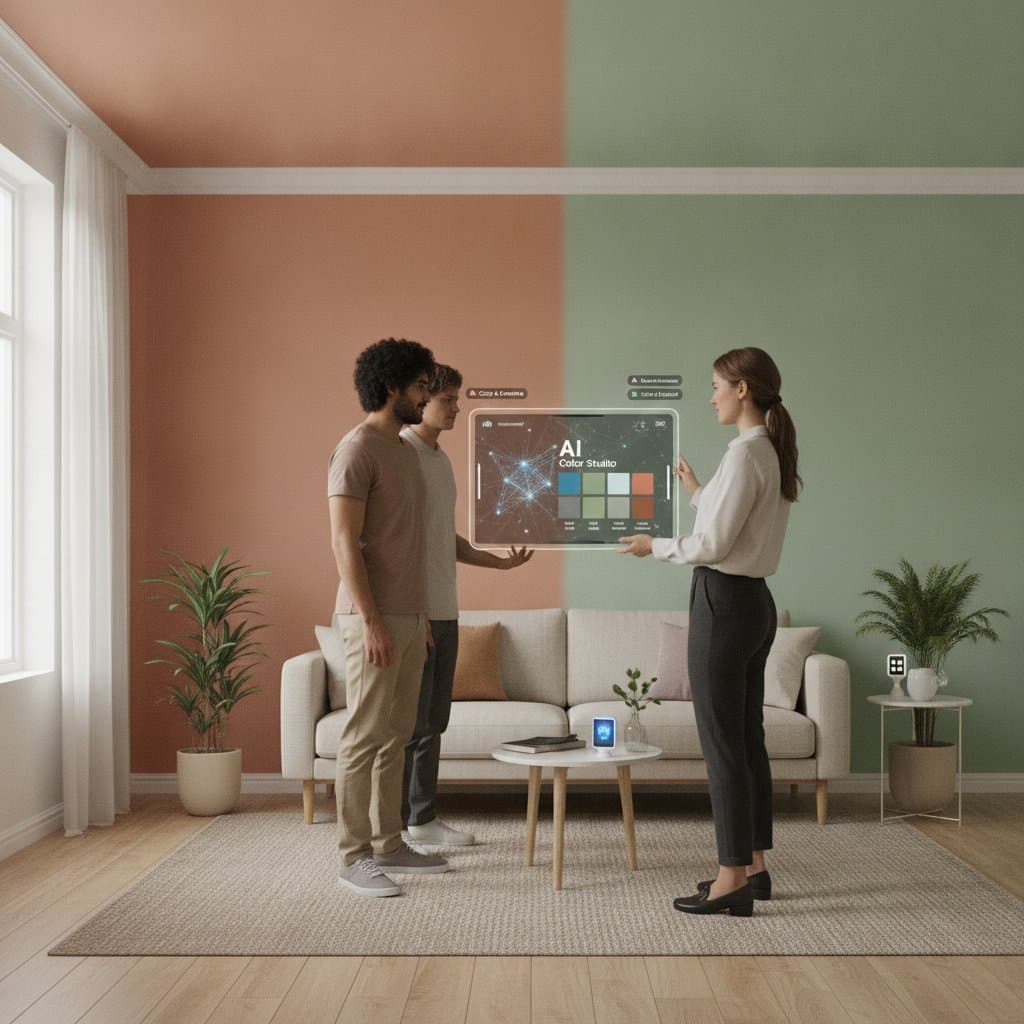
AI Tools Revolutionize Paint Selection for 2026 Homes
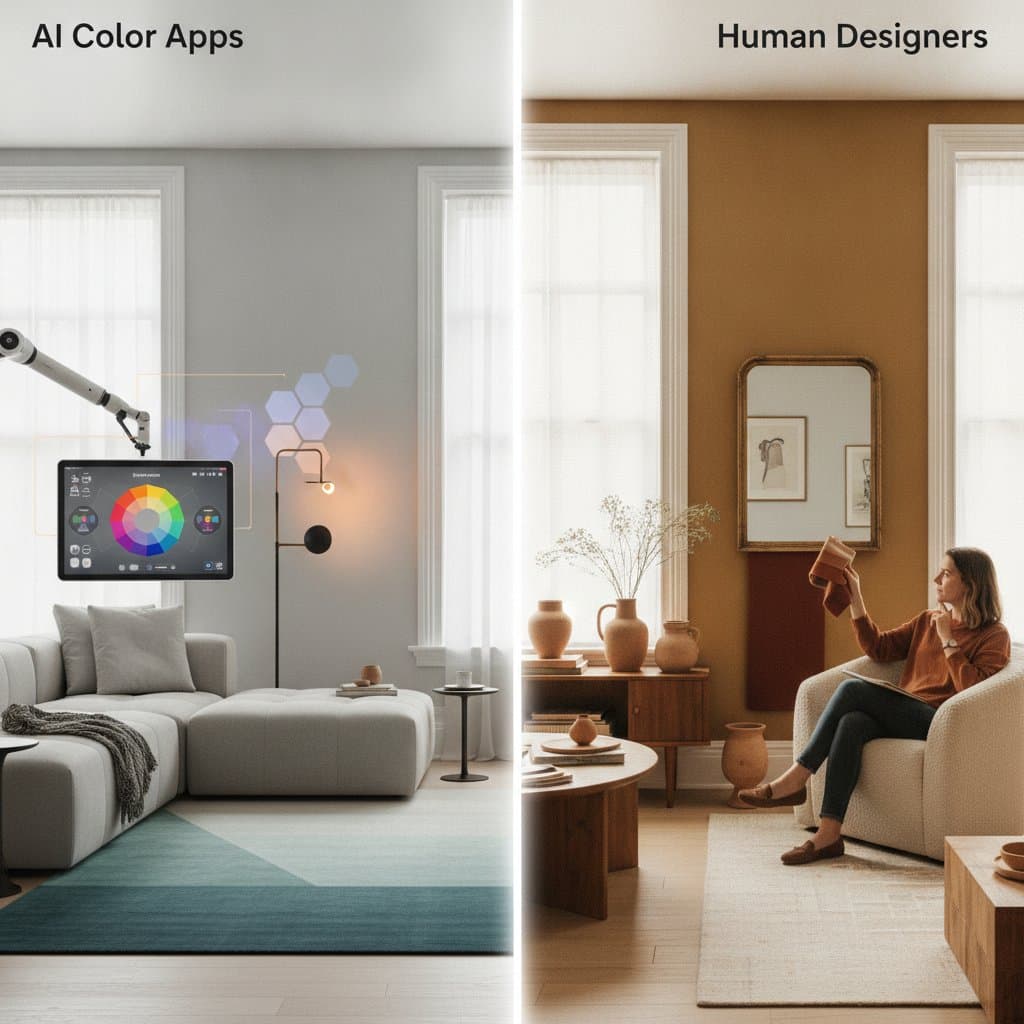
Choosing paint colors used to rank among the most stressful steps in any renovation. Homeowners examined dozens of swatches beneath store lighting only to discover the chosen shade shifted dramatically once applied to actual walls. As a contractor who has observed clients revisit every decision, I have seen how artificial intelligence now removes much of that uncertainty. These platforms combine imaging, predictive modeling, and design data to produce confident selections.
The tools analyze lighting conditions, architectural details, and existing finishes. They generate simulations that show color behavior across different times of day and under varied bulb temperatures. Homeowners and professionals therefore reach decisions with greater speed and fewer revisions.
Core Capabilities of Current AI Paint Platforms
Modern systems perform several practical functions that directly affect project timelines.
- Real time visualization allows users to upload a room photograph and apply any color, sheen, or finish instantly.
- Lighting adjustment predicts how each hue will appear under morning, afternoon, and evening conditions.
- Color harmony analysis identifies undertones and proposes compatible accent shades.
- Trend adaptation supplies regional popularity data useful for future resale planning.
- Material coordination matches paint selections to countertops, flooring, and textiles already present.
Contractors report fewer site visits and quicker client approvals when these functions are employed early.
Recommended Workflow for Projects
Paint decisions deliver the best results when they occur at the start of design rather than after construction. The following sequence integrates AI tools without replacing physical verification.
- During the initial meeting, collect inspiration images, preferred color families, and any preselected materials.
- Upload room photographs into a platform that evaluates lighting, trim profiles, and surface textures.
- Generate multiple balanced palettes and refine them according to lifestyle needs and maintenance expectations.
- Apply physical samples of the top choices on site to confirm appearance under actual conditions.
- Record final paint codes, sheen levels, and application notes in the project documentation.
This sequence creates a clear record that protects both contractor and client.
Criteria for Selecting an Effective Platform
Not all available tools offer equal performance. When evaluating options, confirm the presence of these attributes.
- High resolution rendering that accurately depicts wall texture, shadows, and light falloff.
- Access to color libraries from multiple manufacturers rather than a single brand.
- Secure storage protocols for photographs of occupied residences.
- Reliable mobile access for use during site visits and client discussions.
- Export functions that preserve exact codes and finish specifications for consistent ordering.
Shared platform access between homeowner and contractor prevents miscommunication.
Lasting Benefits of Data Informed Color Choices
Accurate selections completed with AI assistance improve long term outcomes. Homes maintain visual cohesion, retain higher resale value, and require fewer repaints within the first year. Clients who follow the process described above report stronger satisfaction and reduced second guessing after completion.
Applying These Tools in Your Next Project
Begin color planning at the earliest design stage and incorporate digital visualization alongside physical samples. Use the platforms as an aid that accelerates decisions while professional oversight and on site testing remain essential. The combination produces results that align with both immediate needs and future expectations.