Why Induction Zones Are Replacing Full Cooktops
The modern kitchen serves as a hub for precision, flexibility, and efficient operation. Modular induction zones represent a key advancement in this space. These units gradually replace traditional full cooktops, aligning with the demands of contemporary lifestyles and design preferences. Unlike older models that constrained layouts, induction zones enable kitchens to adapt seamlessly to available space and user needs.
The Shift Toward Modularity
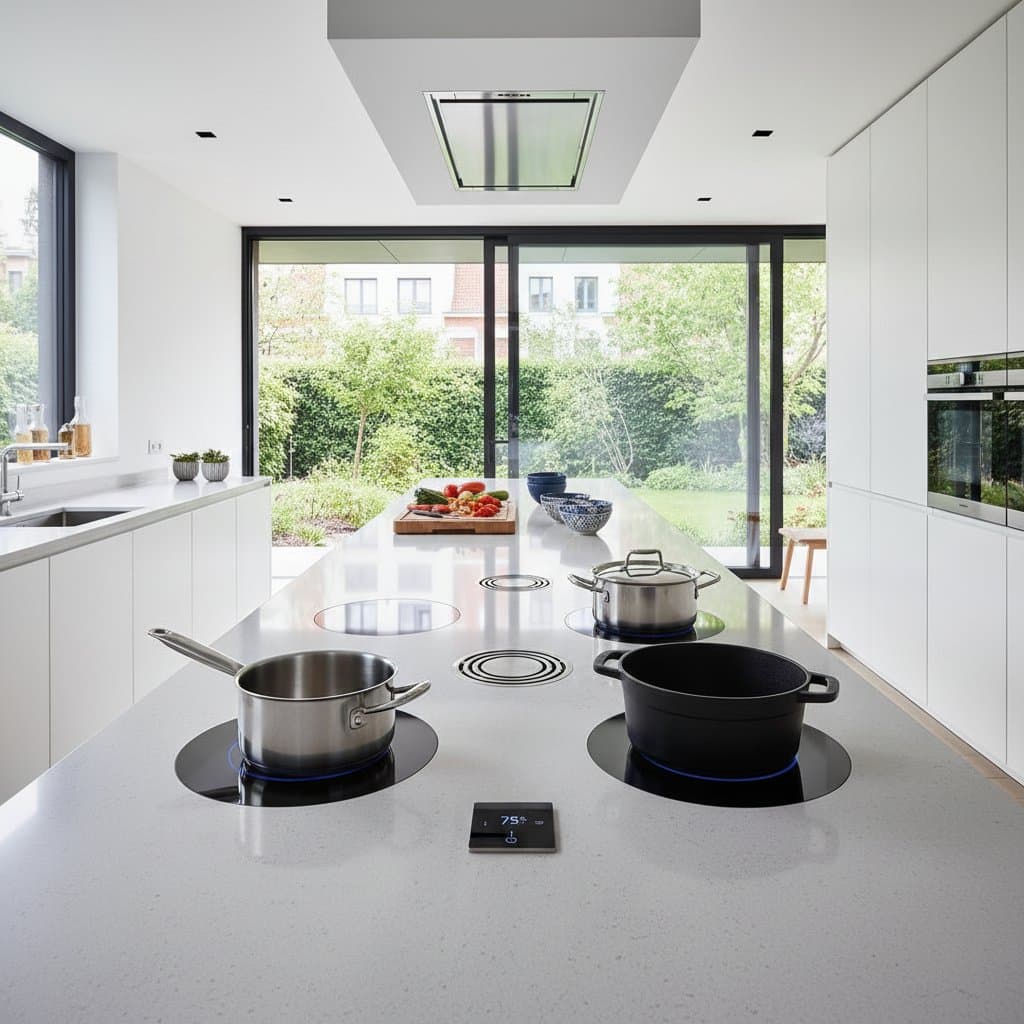
Traditional cooktops often lock kitchen layouts into rigid configurations based on their fixed dimensions. Induction zones offer a flexible alternative by allowing integration of individual or paired modules into surfaces like stone or composites. This approach creates smooth transitions between food preparation and cooking areas.
Homeowners benefit from starting with two compact zones from brands such as BORA or Gaggenau. They can add matching elements later as needs change. Each zone functions as a distinct design element, fostering an intentional and adaptable kitchen composition.
Design Integration and Aesthetic Precision
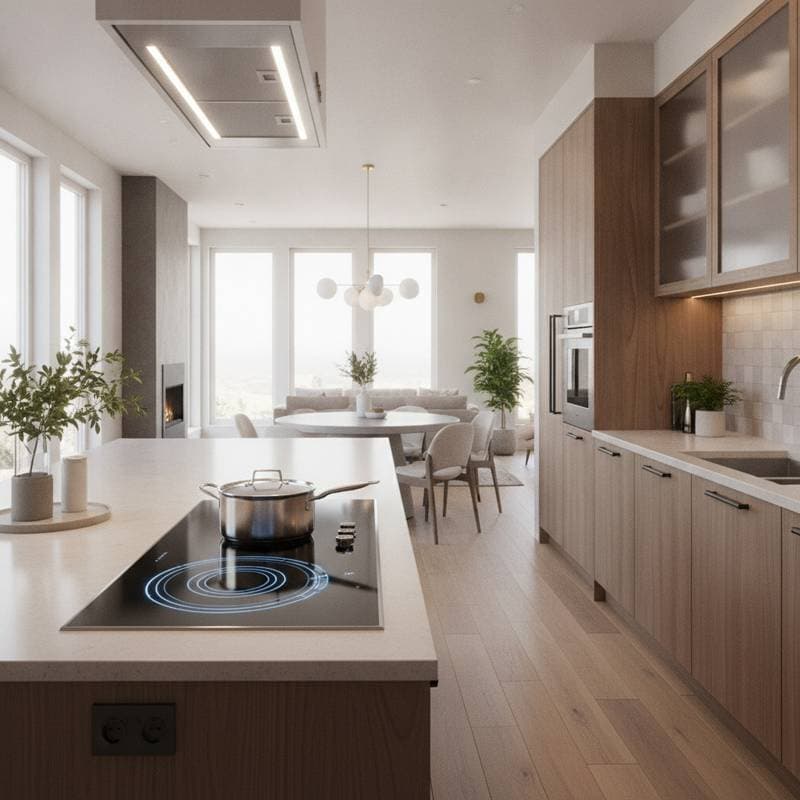
Induction zones deliver a subtle visual presence through their sleek profiles. They feature dark glass inlays in black ceramic glass or graphite gray tempered surfaces, free from protruding knobs or burners. Designers like Patricia Urquiola and firms such as Bulthaup incorporate these elements to enhance depth and light reflection in minimalist settings.
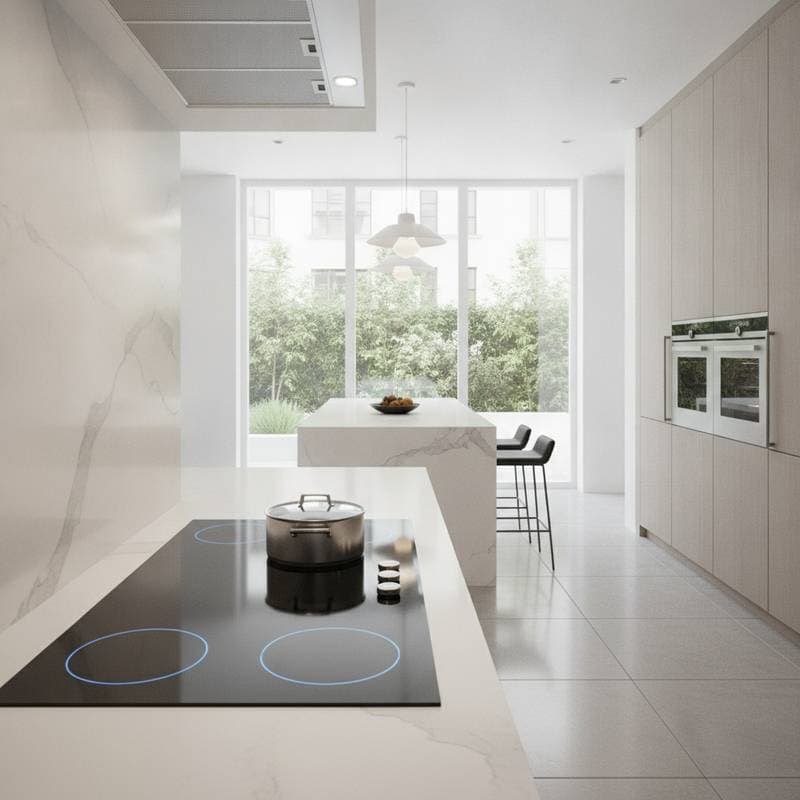
Flush installation keeps materials like Calacatta marble, honed basalt, or European oak as the primary focus. Inactive zones blend fully into the countertop, supporting both culinary tasks and social interactions. This design supports the trend of kitchens that function as integrated living areas.
Efficiency and Control at the Core
Induction technology heats cookware directly via magnetic energy, minimizing heat loss to the surrounding air. This method achieves rapid heat-up times and immediate temperature adjustments, ideal for transitions between high-heat searing and gentle simmering. The result supports precise cooking outcomes.
Brands including Miele and Fisher & Paykel incorporate advanced sensors to sustain consistent temperatures. Without open flames or lingering heat, these zones improve safety in busy household environments, such as urban apartments with children or guests nearby. The operation provides a focused and serene cooking process.
Freedom in Layout and Scale
Full cooktops typically require a centralized position, limiting arrangement options. Induction zones permit varied placements, such as positioning one near the sink for boiling tasks and another by a window for relaxed preparation. In expansive kitchens, distribute zones across islands to establish dedicated stations for baking, sautéing, or slow cooking.
This arrangement promotes fluid movement and enhances the flow of light and conversation. Cooking shifts from a stationary activity to one integrated into the home's overall dynamics. The layout gains an architectural quality that prioritizes user experience.
Sustainability and Material Efficiency
Induction zones align with sustainable practices through their energy-efficient performance. They direct nearly all heat to the cookware, reducing overall consumption and ventilation requirements. This efficiency lowers environmental impact while maintaining functionality.
Compact designs minimize manufacturing waste compared to larger cooktops. Fabricators preserve more of natural slabs when specifying smaller modules. Many models use recyclable glass and aluminum, supporting industry efforts in responsible production.
The Influence of Restaurant Design
Professional kitchens prioritize modular setups for adaptability to menus and workflows. Residential adoption of induction zones draws from this efficiency. Designers like Vincent Van Duysen adapt restaurant principles into elegant home environments.
Materials evolve beyond stainless steel to include matte finishes, integrated LED lighting, and resilient options like Fenix NTM or Dekton Sirius. These choices blend durability with refined aesthetics, creating sophisticated spaces grounded in practical performance.
The Rise of Invisible Technology
Advanced induction systems conceal coils beneath countertop materials for a seamless appearance. Models from TPB Tech and Poggenpohl activate controls only upon touch, keeping surfaces cool during use. This design eliminates visual interruptions.
In open-plan homes, these zones preserve harmony across living, dining, and cooking areas. The technology integrates discreetly, enhancing overall design cohesion without drawing attention.
Cost, Accessibility, and Customization
Modular induction options have grown more approachable over time. Begin with a single portable unit and scale up as required. Brands such as Siemens, AEG, and Bosch provide systems that install independently or connect via smart features.
Customization options include matte black surfaces with touch controls or brushed stainless accents with LED indicators. These variations suit styles from Scandinavian minimalism to contemporary boldness, ensuring broad applicability.
The Experience of Cooking with Induction
Induction cooking offers responsive and cool-surface operation, with a subtle hum replacing gas noise. Heat concentrates under the pan, fostering a deliberate and engaging process. Professionals note the direct link between action and outcome.
Pair zones with high-quality cookware like Demeyere Atlantis or Le Creuset enameled steel for optimal results. This setup builds user confidence and encourages creative exploration. The technology acts as an intuitive tool rather than a dominant fixture.
The Future of Kitchen Design
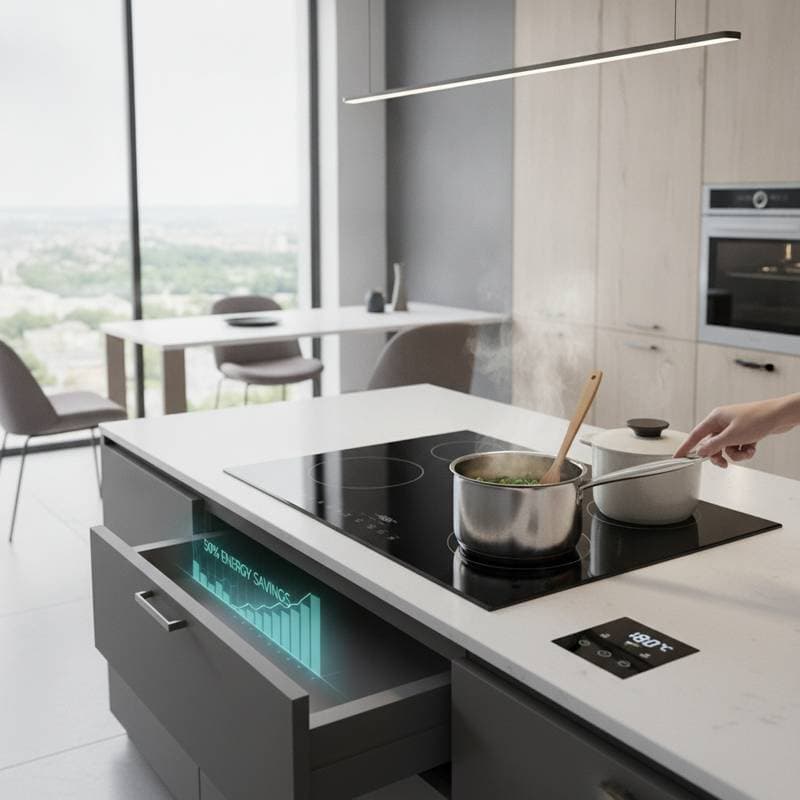
Modular induction zones adapt to diverse spaces, from compact apartments to large family kitchens. Their straightforward installation appeals to builders, while designers appreciate the restrained form. Emerging features include smart sensors, app controls, and energy tracking.
These advancements emphasize user-centered flexibility. Kitchens evolve to meet individual needs, integrating cooking seamlessly into daily life.
Integrating Induction Zones into Your Kitchen
Selecting induction zones involves balancing function, style, and long-term utility. Consider installing pairs into quartzite islands or solid walnut counters to achieve both calm visuals and precise control. This choice enhances daily routines while elevating the home's central space.
Induction zones refine cooking traditions to fit modern living. They promote adaptability and efficiency, transforming the kitchen into a versatile and inviting domain.