The Shift from Gas to Induction in Modern Kitchens
Homeowners increasingly discuss replacing gas stoves with electric alternatives. Sleek induction cooktops appear in showrooms, prompting questions about their value. With cities imposing bans on new gas connections, the transition to induction becomes essential for many households. If your kitchen relies on gas, prepare for this change soon.
Reasons Gas Stoves Are Declining
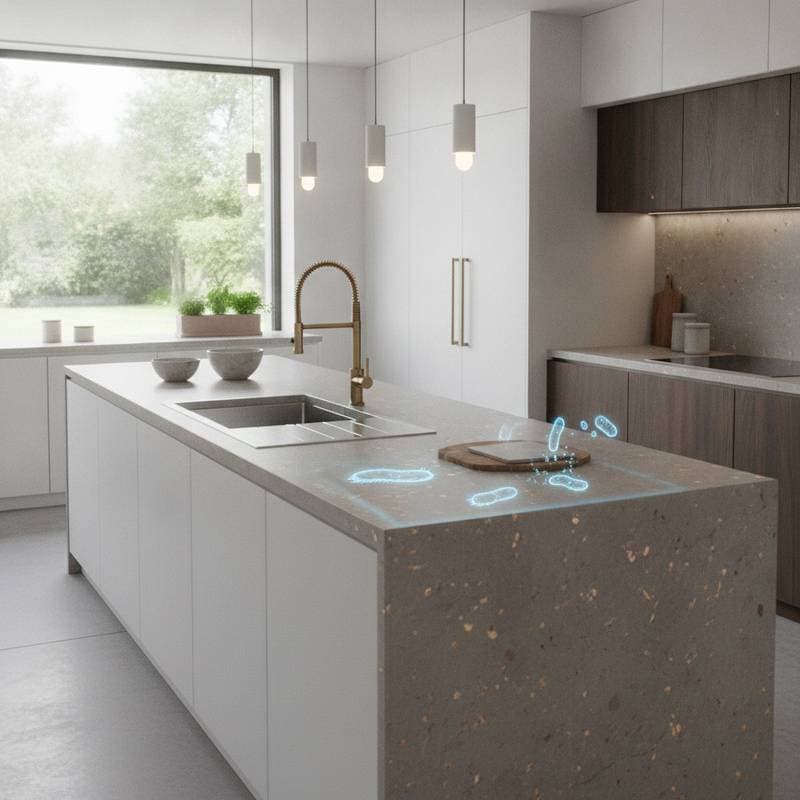
Gas stoves dominated kitchens for years due to the immediate response of visible flames. Builders routinely included gas lines in new constructions. However, issues with indoor air pollution, safety hazards, and energy waste now challenge this preference. Studies indicate that gas combustion releases nitrogen dioxide and carbon monoxide, which harm lung health even when ventilation exists.
Renewable energy expands across electric grids, making electricity a lower-emission option. Induction technology amplifies these benefits by minimizing energy loss. Rising gas prices and the upkeep of gas infrastructure further strengthen the argument for switching.
Understanding Induction Technology
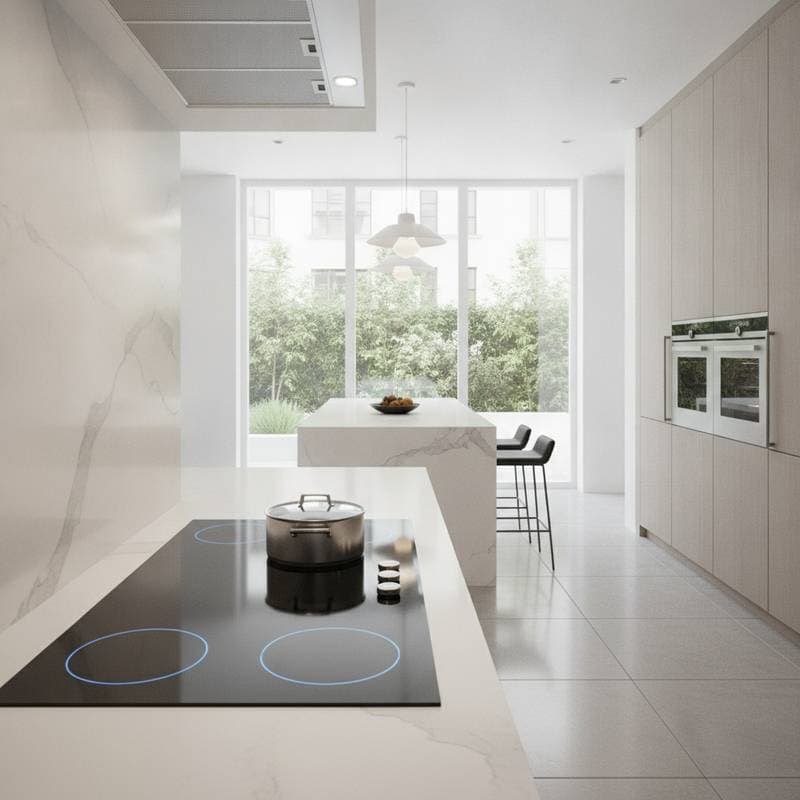
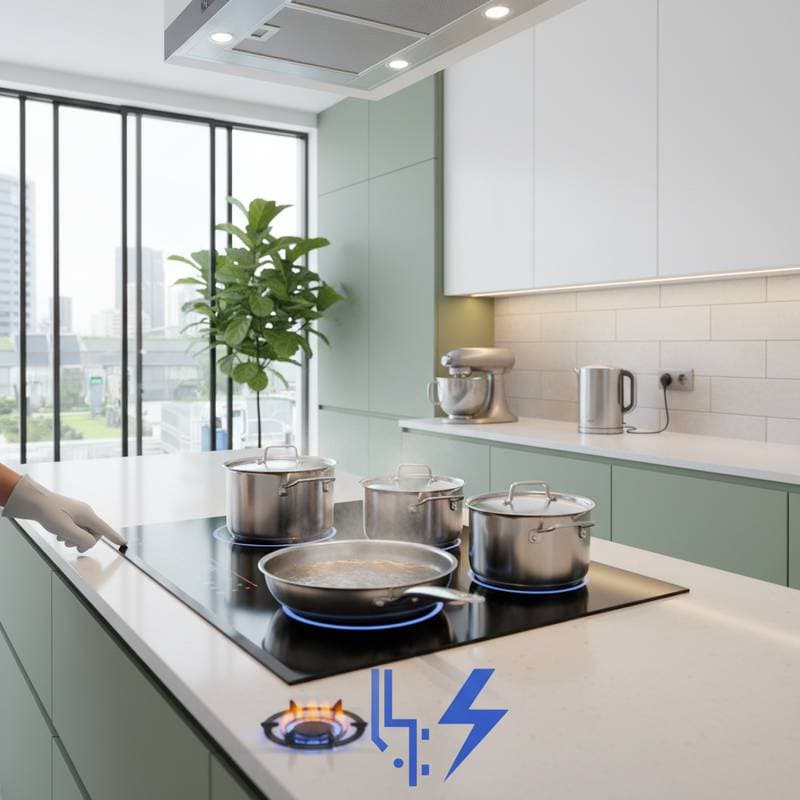
Induction cooktops generate heat through electromagnetic fields that target the cookware directly, bypassing the surface. This method delivers rapid and accurate temperature regulation, often exceeding gas performance. Removing the pan halts heating immediately, and the cooktop cools to a safe temperature in moments. Professional kitchens adopt induction for these reasons.
Compatible cookware requires ferrous material. Test with a magnet: if it adheres to the pan base, the item suits induction use. Cast iron and certain stainless steel options qualify, whereas pure aluminum or copper typically require adapters.
Breaking Down the Costs
The expense of converting from gas to induction depends on existing infrastructure. Consider these typical ranges:
- Portable induction burner: $80 to $200, ideal for initial trials.
- Built-in cooktop, mid-level: $1,000 to $2,500, fitting standard renovations.
- Full induction range with oven: $3,000 to $6,000 plus, featuring advanced features like app integration and multi-zone heating.
- Electrical modifications: $200 to $1,000 for a 240-volt line installation.
- Gas line disconnection: $100 to $400, based on location accessibility.
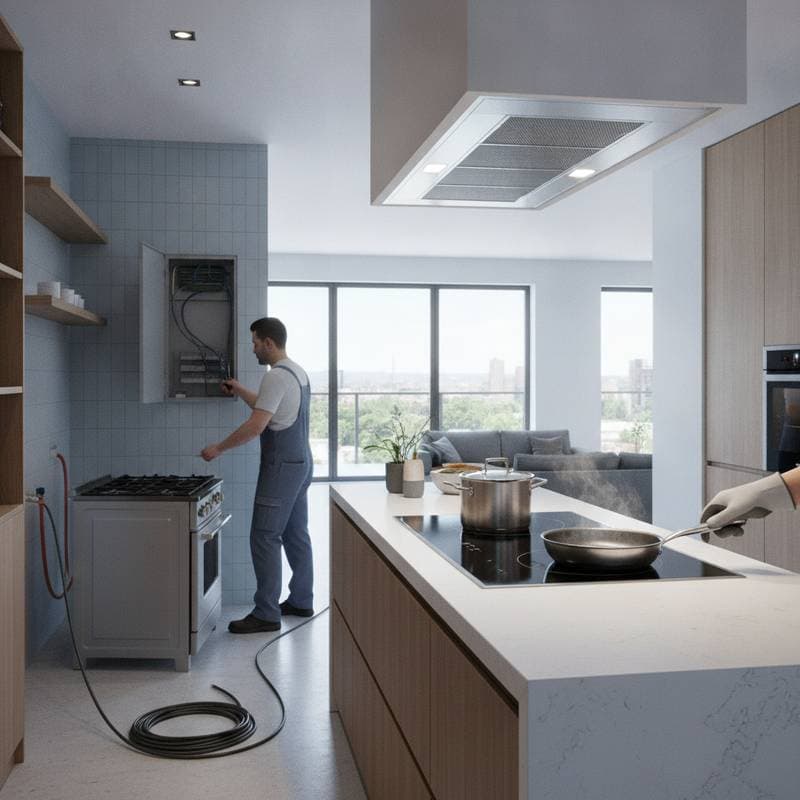
Homes with updated electrical systems face fewer hurdles. Older properties might require circuit enhancements by a certified electrician. Engage professionals to avoid hazards like electrical fires.
Guide to Installation
Follow these steps for a smooth transition:
- Assess electrical capacity. Inspect the panel for sufficient amperage; induction demands a dedicated line.
- Verify cookware suitability. Apply the magnet test to retain usable items and identify replacements.
- Select the appliance type. Opt for a cooktop insert or a complete range unit.
- Engage experts. Schedule an electrician and, if needed, a plumber for gas line sealing.
- Address airflow needs. Install or retain a hood to manage steam and aromas, despite induction's lower heat output.
- Experiment first. Use a portable model for several weeks to adapt to the technology.
Performance and Adaptation
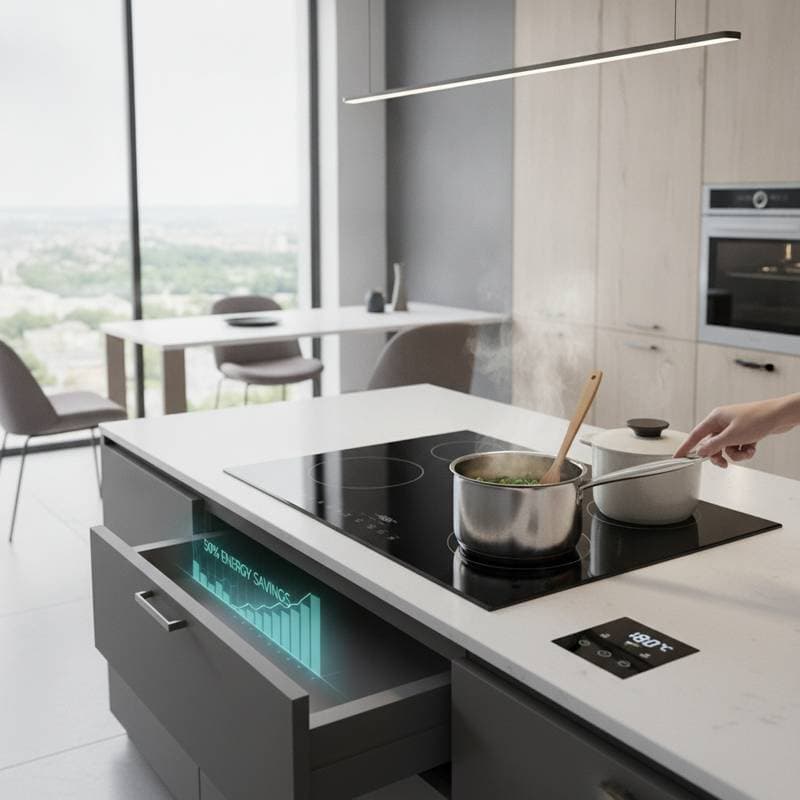
Induction cooking requires an initial adjustment period. Pans reach target temperatures almost twice as quickly as on gas, accelerating tasks like boiling. Direct heat transfer eliminates excess energy use, enhancing overall efficiency. Lower power settings suffice compared to gas habits.
Digital interfaces replace flame visuals but offer superior accuracy after familiarity. The cool surface simplifies cleanup: spills wipe away easily without baking on.
Advantages in Safety and Upkeep
Induction excels in safety by eliminating flames and exhaust gases, reducing burn and poisoning risks. Activation occurs only with proper cookware detection. This appeals to households with young children or seniors.
Upkeep proves simple without grates or jets to scrub. Protect the glass from scratches by lifting pans rather than dragging. Electrical faults, when they arise, resolve more easily than gas-related issues.
Navigating Local Regulations
Numerous municipalities now prohibit gas in new builds to curb emissions and promote healthier environments. Resale appeal rises with electric-compatible setups, aligning with buyer preferences for sustainable features.
For renovations, review permit rules. Certain areas mandate certified installation and inspections for circuits and gas capping. Compliance ensures long-term value.
Calculating Long-Term Value
Initial investments in induction surpass basic gas units, yet efficiency gains offset costs. Induction operates 15 to 20 percent better than traditional electric elements and up to 40 percent over gas.
All-electric kitchens draw environmentally aware markets. Upgrading positions your home competitively, regardless of immediate sale plans.
Steps to Upgrade Confidently
Transitioning from gas demands planning but yields clear rewards. Begin with a portable unit to experience the precision firsthand. Proceed to a full installation once confident.
Ahead of widespread gas limits, enjoy a healthier, more responsive cooking space. Induction integrates advanced control into daily routines, making the upgrade worthwhile from the start.