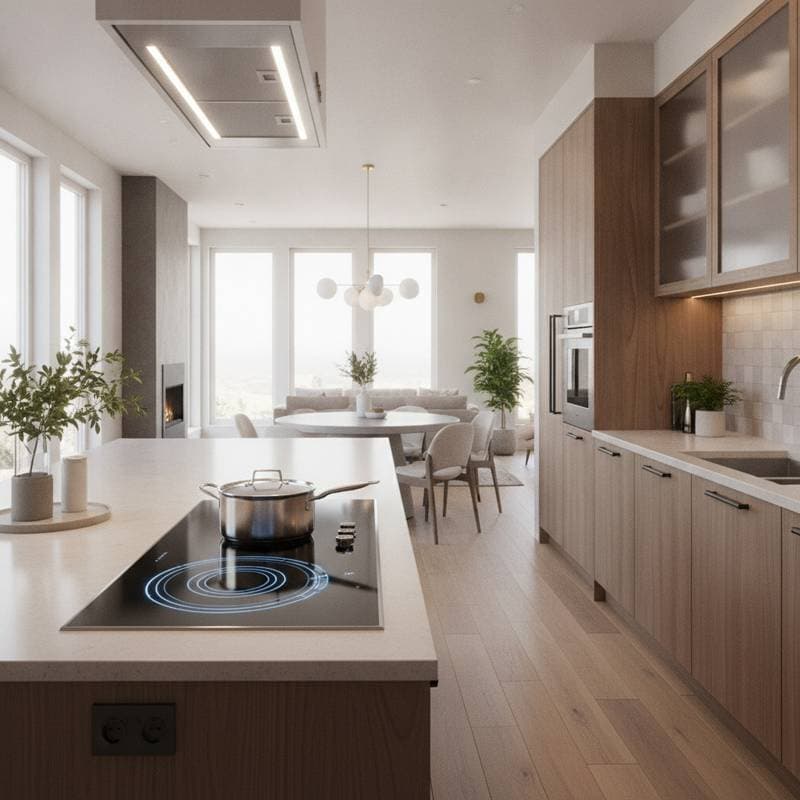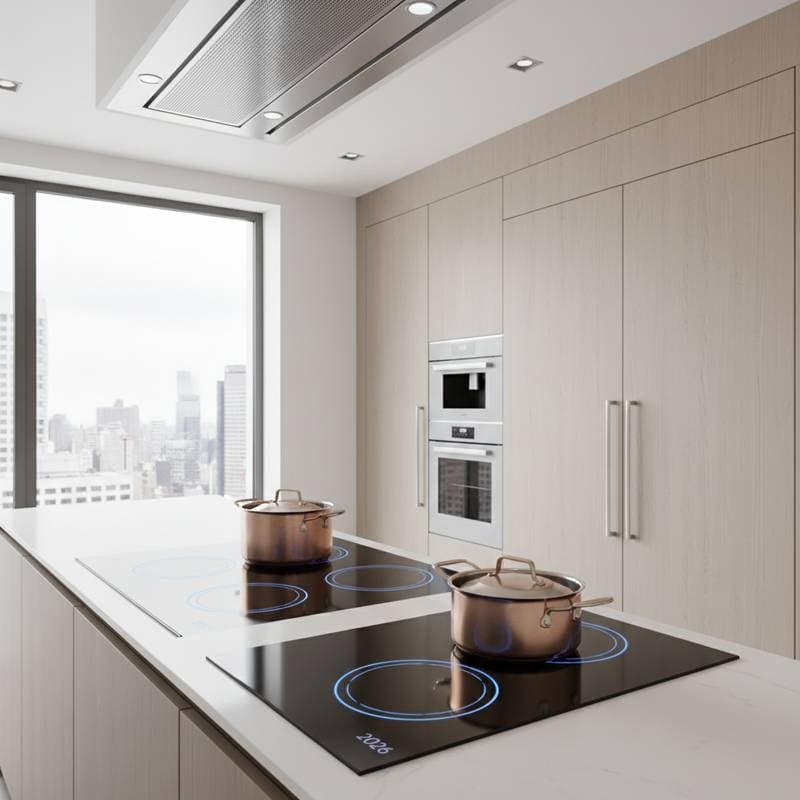
The Shift from Gas Stoves to Induction Cooking by 2026
Contractors who have remodeled numerous kitchens observe that the transition from gas to induction cooking accelerates rapidly. Cities and states phase out new gas hookups in residential construction, prompting appliance manufacturers to broaden induction offerings. Homeowners must grasp the implications for projects, budgets, and cooking habits. Neglecting this change risks expensive retrofits or restricted appliance choices during renovations.
This transition extends beyond energy policy to influence design, electrical systems, ventilation, and cooking methods. Individuals planning kitchen builds or updates prepare for gas stove restrictions in many areas. Projects delay when homeowners demand gas ranges in regions prohibiting new gas lines. The following guidance assists in avoiding such issues and selecting informed, forward-looking options.
Key Advantages of Induction Cooking
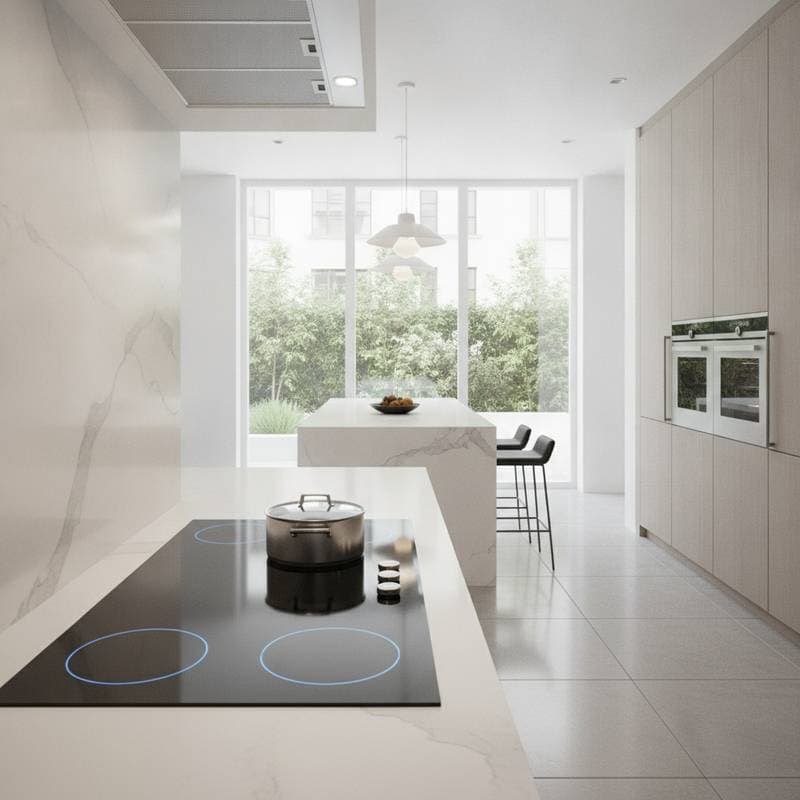
Induction cooking employs magnetic fields to heat cookware directly, bypassing surrounding air. This approach delivers rapid, secure, and efficient results. Initial skepticism about induction as a mere fad dissipated after numerous installations and client reports.
Induction stands out for these reasons:
-
Rapid Heating and Accurate Control
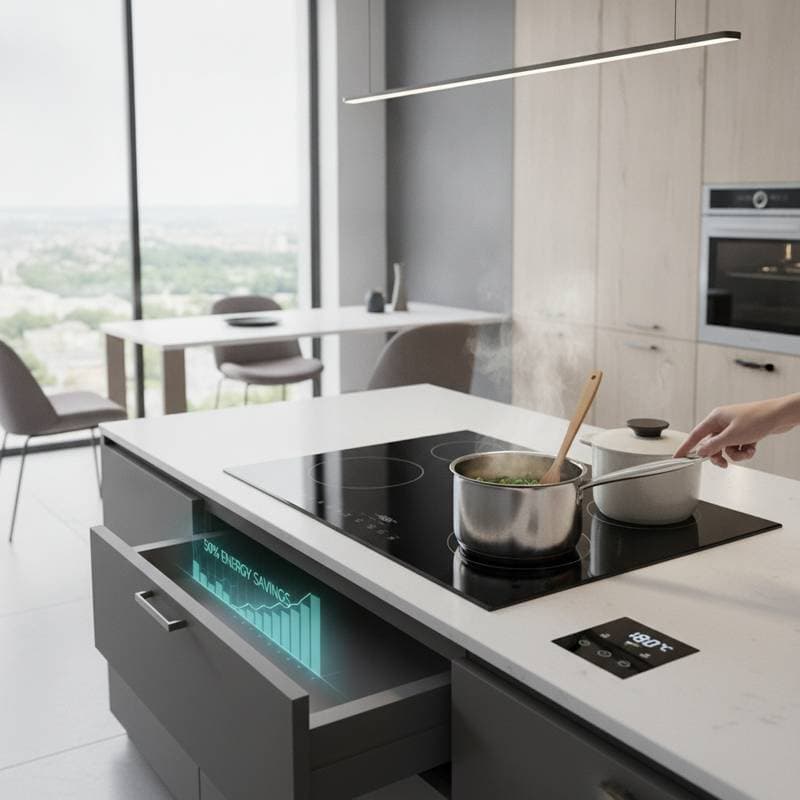
Induction surfaces warm pots in seconds and adjust temperatures swiftly. Gas once dominated for responsiveness, yet induction surpasses it with practice. -
Superior Energy Use
Up to 90 percent of energy reaches the cookware in induction systems, compared to 40 percent for gas. Reduced kitchen heat lowers air conditioning demands and enhances comfort. -
Enhanced Safety Features
Surfaces remain cooler away from cookware, eliminating open flames. Units deactivate when pots lift, benefiting households with young children or seniors. -
Simplified Maintenance
Glass tops clean with minimal effort. Gas grate scrubbing highlights this convenience. -
Versatile Installation Options
Modular zones enable tailored setups, such as spaced two-burner units or combined panels for expansive counters.
Contractors appreciate induction for streamlined work. Gas lines become unnecessary, ventilation requirements shrink, and cabinet designs gain freedom from flame buffers.
Steps to Equip Your Home for Induction
Renovation timing favors immediate induction preparation. Retaining a gas range temporarily remains viable, provided electrical upgrades support future needs.
Implement these preparations:
-
Assess Electrical Capacity
Induction demands 240-volt circuits. Engage a licensed electrician to confirm panel adequacy. Older homes often require service expansions prior to kitchen alterations. -
Add Dedicated Circuits
Units pull steady power without sharing lines with major appliances. Clear breaker labeling aids ongoing upkeep. -
Design Countertops Thoughtfully
Modularity allows choices between full cooktops or individual zones, impacting cuts, cabinets, and vents. -
Choose Suitable Cookware
Magnetic compatibility limits options to stainless steel or cast iron. Test non-magnetic items like aluminum with a fridge magnet. -
Review Ventilation Needs
Less heat generation permits compact hoods, optimizing space for storage. -
Verify Building Regulations
Certain areas mandate electric provisions in new kitchens. Consult local authorities early in planning.
Addressing Frequent Homeowner Questions
Clients raise consistent queries about induction adoption. The responses below dispel common doubts.
Cost Concerns
Model prices align with comparable gas units, while efficiency reduces long-term expenses.
Power Outage Limitations
Induction halts without electricity, similar to gas stoves needing electric starts. Backup generators or batteries safeguard critical circuits if outages worry users.
Flame Preference Challenges
Adaptation proves difficult initially, but digital displays and steady temperatures win over most users.
Potential Noise Issues
High-power operation with thin pans may produce a hum. Heavier cookware resolves this.
Contractor Adaptations in the Field
Professionals adjust electrical planning, designer collaborations, and project pricing amid this shift. Early appliance discussions clarify power needs across models. Cabinet configurations simplify without strict venting rules.
Long-term advice includes dual-line installations during remodels for versatility. In gas-restricted zones, exclusive induction designs prevail. Hybrid options blending induction with electric elements ease the move to full electrification.
Strategies for a Seamless Kitchen Upgrade
Anticipate remodels with these targeted actions.
-
Conduct Comprehensive Electrical Review
Pair induction with upgrades like electric water systems or dryers. Ensure capacity for expanded electrification. -
Partner with Induction-Savvy Professionals
Skilled teams handle circuit sizing, precise cuts, and integrated designs. -
Invest in Reliable Equipment
Premium brands offer better performance and local support over budget alternatives.
Benefits of Embracing Induction in Your Kitchen
Induction transforms cooking into a precise, efficient process that aligns with modern homes. Safer operations and design innovations enhance daily routines. Forward planning secures compliance, cuts future costs, and elevates kitchen functionality for years ahead.