Induction Cooktops: The Shift to Smarter Kitchen Technology
Modern kitchens prioritize efficiency, safety, and style. Traditional gas stoves, with their visible flames, once dominated cooking spaces. Today, induction cooktops offer a sophisticated alternative that delivers electromagnetic heating directly to pots and pans. This technology enhances control over cooking processes while aligning with sustainable living practices.
Induction cooktops consist of smooth glass surfaces embedded with coils that generate magnetic fields. When compatible cookware is placed on the surface, the field induces heat within the pan itself. This method avoids heating the surrounding area, which results in faster boiling, precise simmering, and reduced energy waste. Home cooks gain confidence from the immediate response to adjustments, making complex recipes more accessible.
Understanding Precision Heat Control
Precision defines the core advantage of induction cooking. Adjust the settings, and the temperature changes in seconds, unlike gas where residual heat lingers. Professional chefs value this responsiveness for tasks like sauces that require steady low heat or searing that demands high intensity without overshooting.
To maximize this feature, select cookware made of ferromagnetic materials such as cast iron or stainless steel. Test compatibility by checking if a magnet adheres to the pan base. Models from brands like Miele or Bora incorporate multiple power levels, often up to 17 settings, allowing fine-tuned control for diverse culinary needs.
Seamless Design Integration
Induction cooktops blend into countertops as uninterrupted surfaces, often using durable black ceramic glass from manufacturers like Schott Ceran. This material resists scratches and withstands high temperatures, maintaining a polished appearance over time.
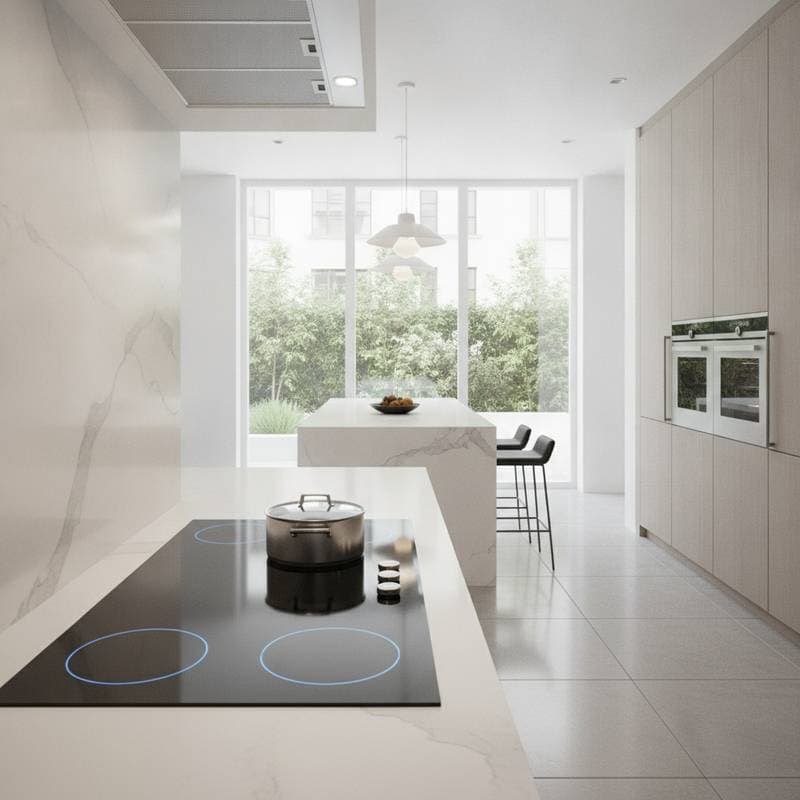
Incorporate these cooktops into your kitchen layout by choosing flush-mount installations. This approach creates a continuous plane with quartz or granite counters, enhancing the visual flow in open-plan spaces. Designers recommend pairing with matte finishes, such as Caesarstone in concrete tones, to balance the reflective glass and add subtle texture.
Flexible Cooking Zones for Everyday Use
Flexible zones adapt to various pan sizes and shapes, eliminating the constraints of fixed burners. Advanced models, including the Bora Pure or Miele KM 7897 FL, feature bridge functions that combine zones into larger areas for griddles or roasters.
Position cookware anywhere on the surface; built-in sensors detect the pan and activate heating only beneath it. This setup supports efficient workflows, such as moving a pot from simmer to boil without resetting controls. For families, this flexibility simplifies meal preparation during busy evenings.
Improving Air Quality and Comfort
Gas stoves release combustion byproducts, including nitrogen dioxide, which can affect indoor air. Induction eliminates these emissions, keeping the kitchen cooler and reducing the need for constant ventilation.
Combine induction with downdraft systems that extract steam at the source. This pairing preserves cabinet finishes by minimizing exposure to heat and moisture. Users report a more pleasant cooking environment, with less odor lingering and easier transitions between tasks.
Harmonizing Materials and Colors
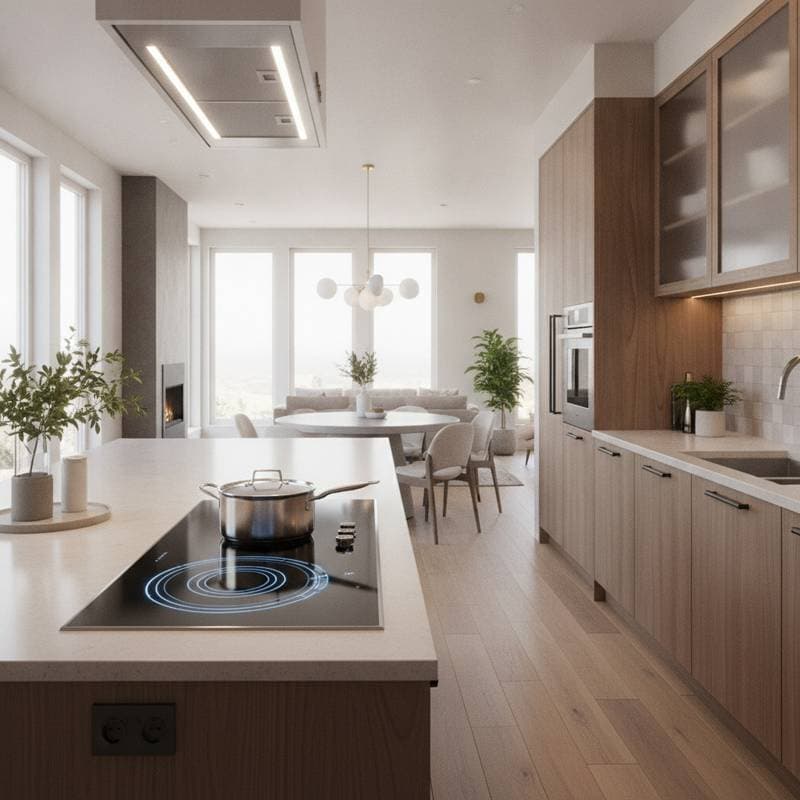
Induction surfaces serve as a neutral canvas for material pairings. A dark glass top contrasts effectively with warm woods like oak cabinetry or metallic accents in brass hardware.
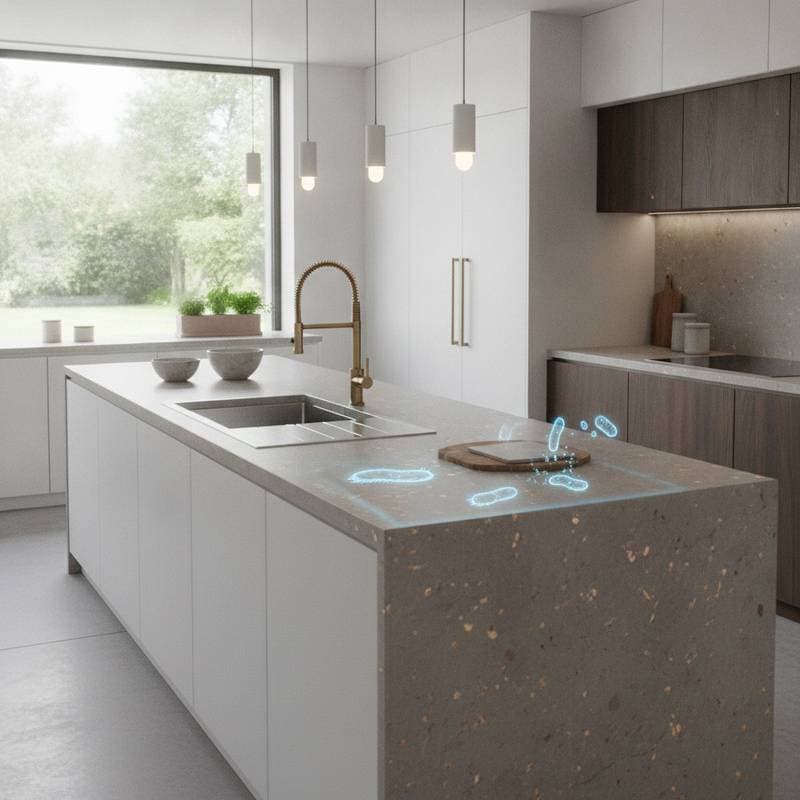
For a cohesive look, select countertops in earthy tones that echo the cooktop's sheen. Brushed nickel edges provide a modern touch without overwhelming the space. These combinations create kitchens that feel both inviting and contemporary, suitable for daily use and entertaining.
Prioritizing Safety in Home Kitchens
Safety features make induction ideal for households with children or elderly members. The surface stays cool outside the cookware footprint, preventing accidental burns. Automatic shut-off activates if no pan is detected or if overheating occurs.
Install units with child-lock functions to disable controls during idle times. Sensors also alert users to incompatible cookware, avoiding inefficient operation. These safeguards integrate quietly into routines, offering peace of mind without complicating daily cooking.
Embracing Energy Efficiency
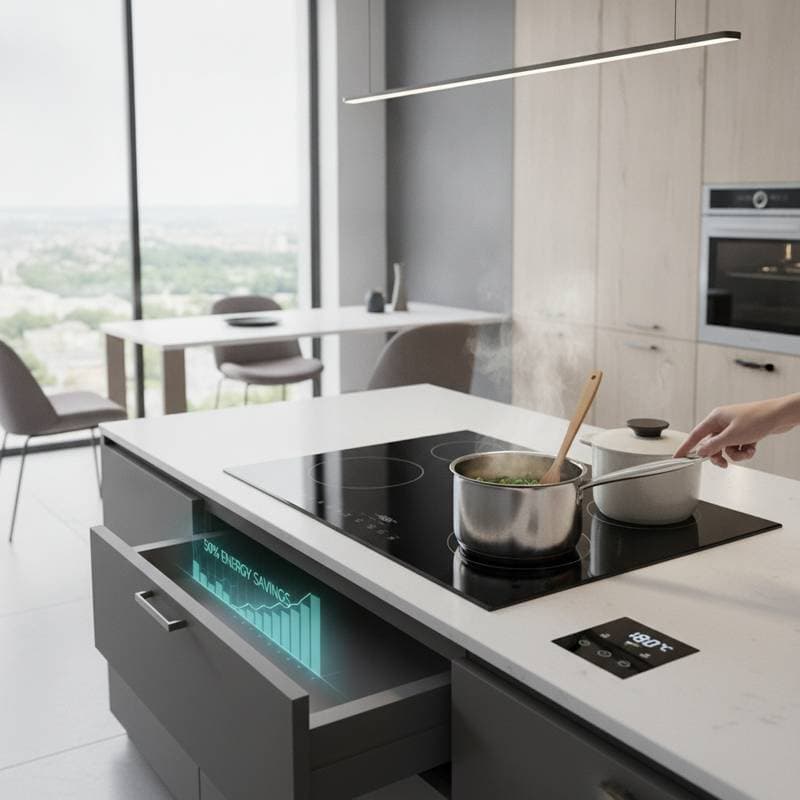
Induction uses 10 to 20 percent less energy than gas by directing heat precisely where needed. This efficiency lowers utility bills and supports broader electrification trends in homes.
Consult local building codes when planning installations, as many regions incentivize electric appliances through rebates. Pair with solar panels or smart energy monitors to track usage and optimize performance. This forward-looking choice aligns with goals for reduced carbon footprints.
Simplifying Maintenance Routines
Clean the glass surface after cooling by wiping with a damp cloth and non-abrasive cleaner. Avoid harsh chemicals that could etch the material; instead, use specialized kits from the manufacturer.
Regular maintenance involves checking seals around edges for wear. This low-effort care preserves the cooktop's appearance and extends its lifespan, often up to 10 years with proper use. It fits seamlessly into minimalist kitchen philosophies where form supports function.
Blending Function with Architectural Flow
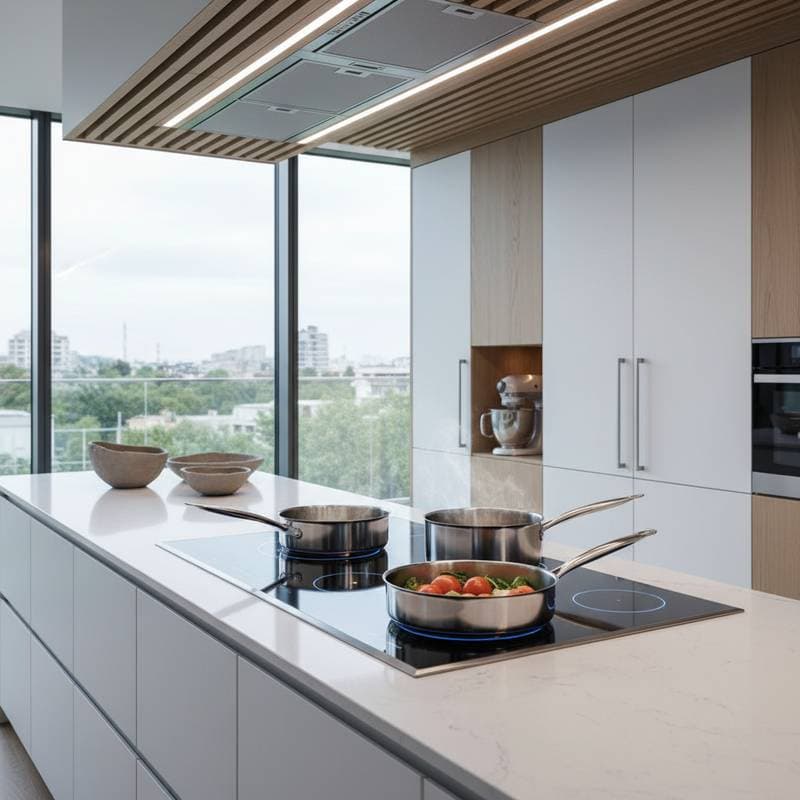
Integrate induction into larger designs by aligning with linear elements like LED under-cabinet lighting. This setup highlights the cooktop's horizontal lines, creating a sense of continuity across the space.
Architects favor built-in options that sit level with counters, allowing for seamless transitions to islands or peninsulas. Consider ventilation placement early to ensure unobstructed airflow without disrupting the aesthetic.
Advancing Sustainable Cooking Practices
Transitioning to induction refines traditional methods with modern benefits. The absence of flames preserves the sensory aspects of cooking while adding efficiency and quiet operation.
As infrastructure evolves toward all-electric systems, induction positions kitchens for the future. It combines practical performance with ethical considerations, inviting users to rethink how technology enhances daily life.
Practical Steps for Adopting Induction
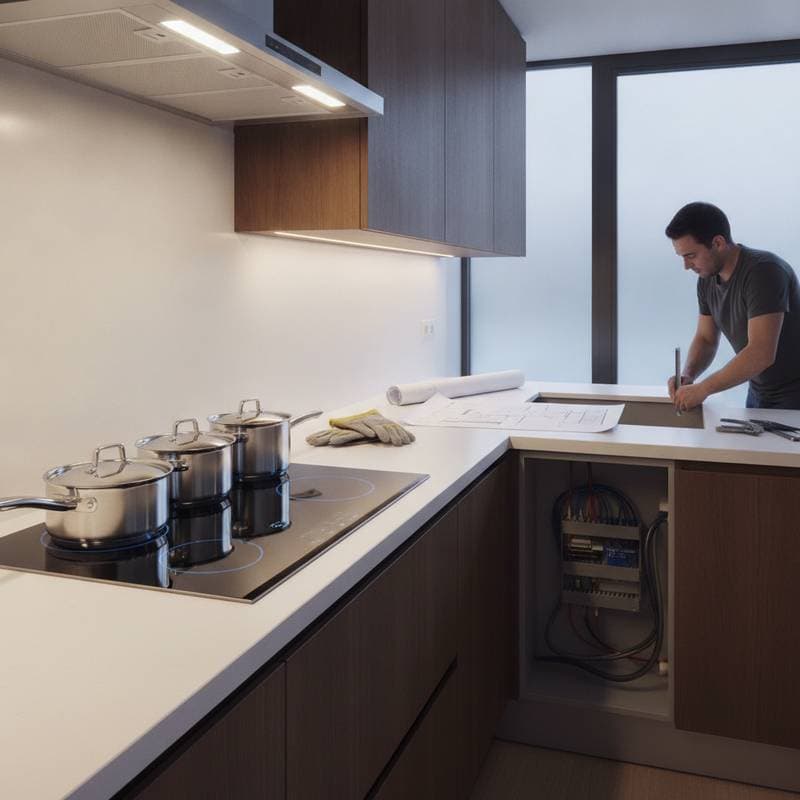
Assess your current setup by measuring counter space and evaluating electrical capacity; most units require a 240-volt outlet. Consult a certified electrician for upgrades if switching from gas.
Test induction in action by borrowing a portable unit for trial runs. Select models with warranties covering glass breakage. This preparation ensures a smooth installation and immediate appreciation of the benefits.
Benefits Realized in Daily Use
Induction cooktops deliver refined control that elevates cooking experiences. They foster environments where safety, efficiency, and design harmonize effortlessly. Homeowners discover a new standard of kitchen intelligence, one that supports both creativity and responsibility.