AI Tools Unlock Perfect Palettes for Your Home
Color shapes the atmosphere of any interior space. It influences mood and defines how environments feel to occupants. For homeowners and designers alike, choosing the right palette often involves navigating undertones, lighting variations, and material interactions. Artificial intelligence now transforms this process, offering precise recommendations that foster confidence and creativity in design.
The Emergence of AI-Driven Color Assistants
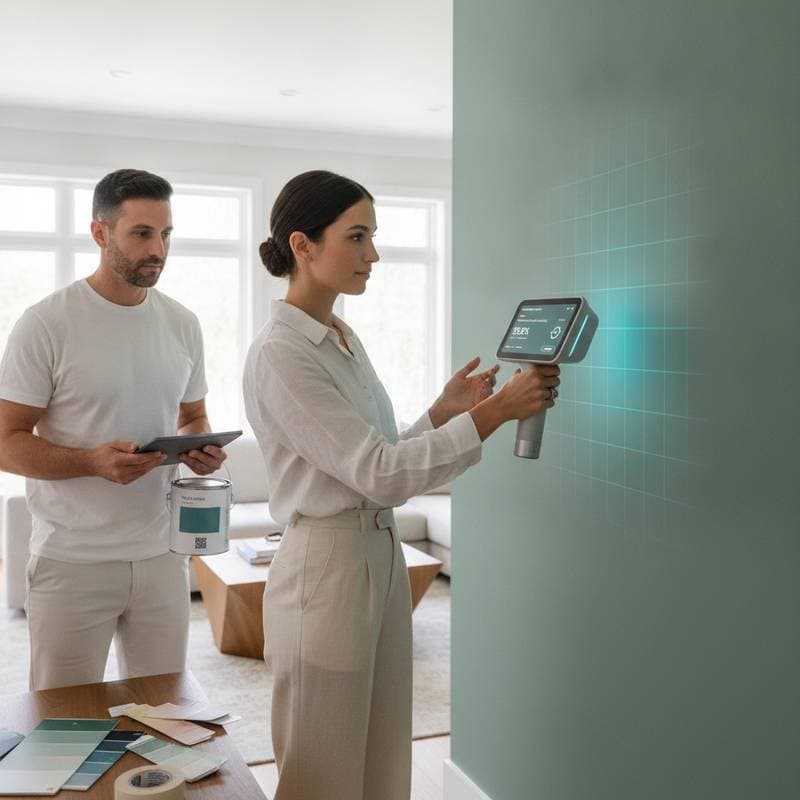
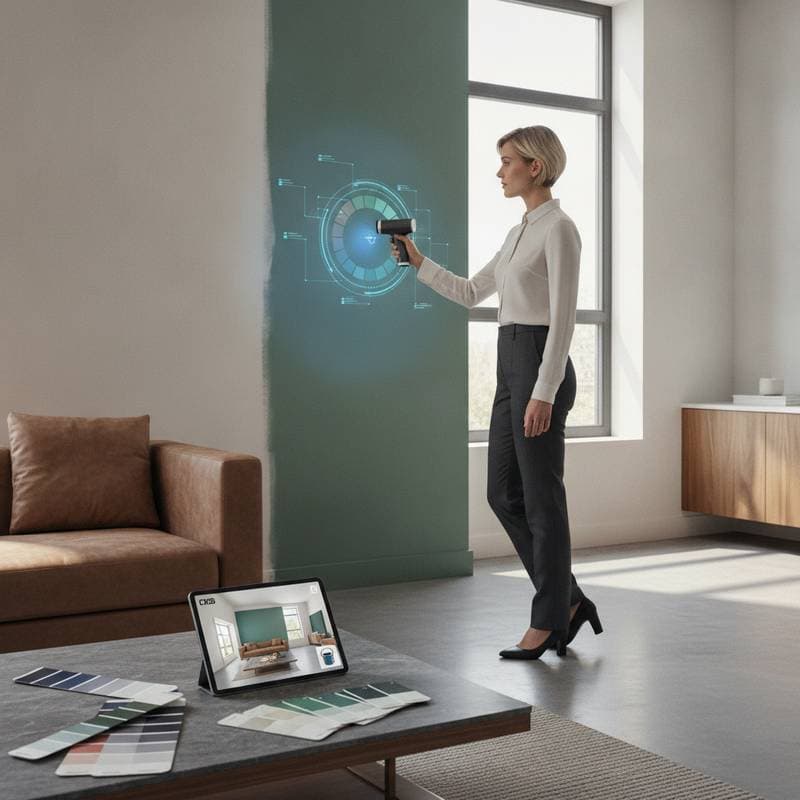
AI color tools serve as intelligent design partners. They analyze room lighting, textures, and desired moods to suggest tailored hues. Drawing from vast datasets of visual information, these systems process photographs, material samples, and user inputs to produce personalized palettes.
Applications such as Sherwin-Williams ColorSnap Visualizer and Benjamin Moore Color Portfolio employ machine learning to assess light in uploaded images. They then generate complementary shades for virtual experimentation. This approach saves time and prevents expensive errors from repainting.
Understanding Emotional Impacts of Color
Designers have long explored how colors affect emotions. AI enhances this by integrating psychological research, trend data, and environmental factors. Tools recommend palettes that align with specific feelings, such as serenity or energy.
For example, an algorithm may suggest Farrow & Ball’s Hague Blue for sophisticated grounding or Behr’s Rainy Afternoon for tranquil restoration. These selections stem from training on successful interiors and human responses to colored spaces.
Simulating Lighting for Accurate Previews
Lighting conditions alter color perception significantly. Natural sunlight, LED fixtures, or shadows can shift hues in unexpected ways. AI platforms address this by modeling various scenarios to predict outcomes.
Services like RoomGPT and ReimagineHome.ai enable photo uploads of rooms. Users preview palettes alongside existing elements like furniture and flooring. These detailed simulations incorporate lighting physics, allowing designers to share realistic options with clients and minimize risks.
Harmonizing Colors with Materials and Textures
Colors interact closely with surrounding materials. AI tools account for these dynamics, proposing shades that complement woods, metals, stones, and fabrics. A warm oak floor pairs well with Benjamin Moore’s Classic Gray, while brass fixtures contrast effectively with Sherwin-Williams’ Iron Ore.
Advanced platforms connect to supplier databases for precise matches. They ensure visual and textural cohesion, from marble to textiles, resulting in unified designs.
Drawing Insights from Design History
AI builds palettes by studying professional archives. It examines color use in renowned interiors, balancing proportions and materials for harmony. This democratizes expert knowledge, bypassing manual research through inspiration sources.
ColorMind, for instance, analyzes architectural imagery, heritage designs, and curated collections. Users specify styles like mid-century modern or coastal Mediterranean, receiving context-aware combinations that honor timeless principles.
Tailoring Palettes to Lifestyle Needs
Personalization elevates AI tools beyond visuals. They incorporate lifestyle details to refine suggestions. Open-plan family spaces may favor durable, cheerful tones like Dulux’s Cornflower White, whereas minimalist settings suit muted options such as Farrow & Ball’s Ammonite.
Systems evaluate daily use, recommending humidity-resistant paints for bathrooms or consistent shades for low-light areas. This fusion of practicality and emotion creates adaptive, livable designs.
Integrating Sustainability into Color Choices
Smarter selections reduce repainting frequency, cutting waste and emissions. AI tools incorporate eco-metrics, prioritizing low-VOC options from brands like Clare Paint, Backdrop, and ECOS Paints.
They promote enduring hues that resist trends, extending the life of interiors. Users achieve aesthetic goals alongside environmental responsibility.
Enhancing Collaboration in Design Projects
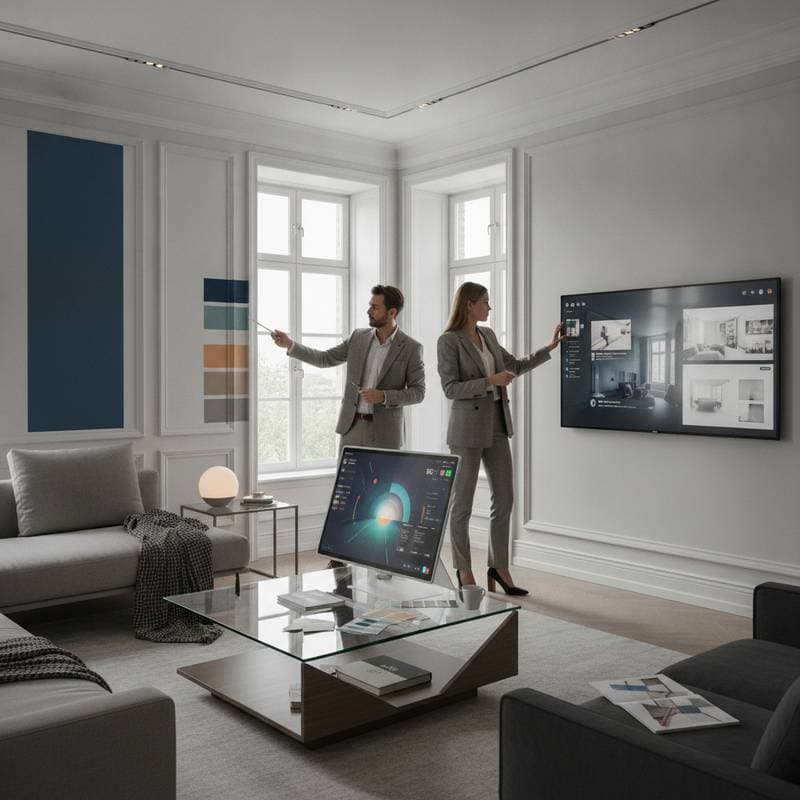
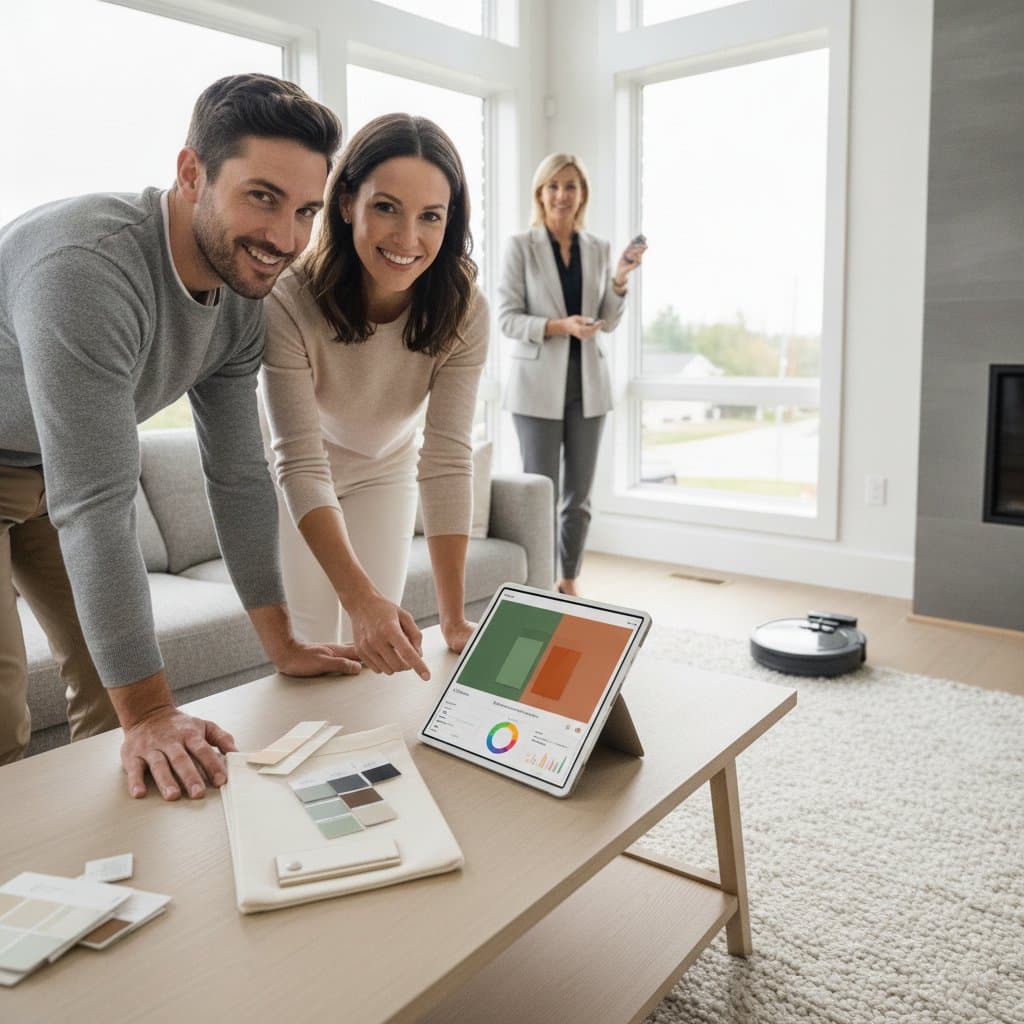
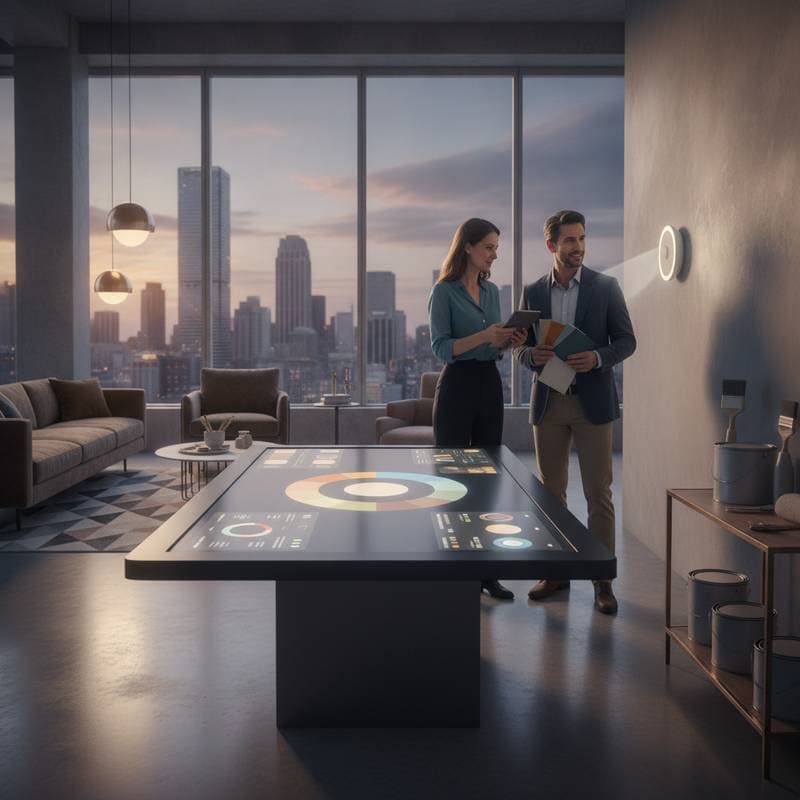
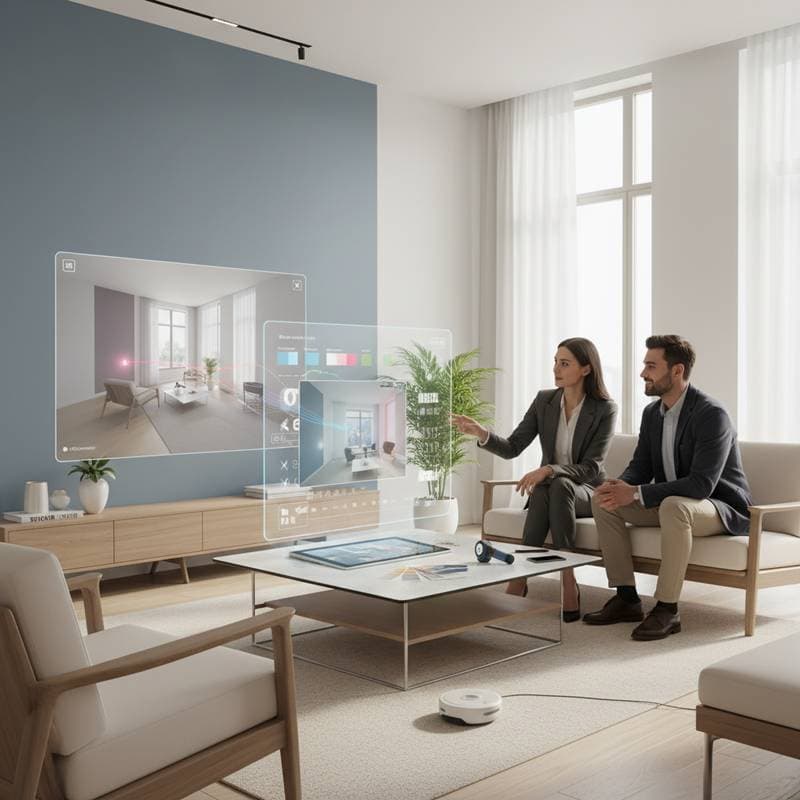
AI facilitates real-time interaction between designers and clients. Shared platforms replace static mood boards with dynamic visualizations. Participants experiment with colors without early commitments.
Interior designer Lena Morrell of Studio Morrell integrates this software in presentations. She notes that it translates abstract ideas into visible changes, altering a room’s rhythm through subtle shifts. Such tools build trust and encourage innovative choices.
Forecasting Trends with Data Analysis
AI scans global sources like social media and product launches to detect emerging color preferences. This informs textiles, ceramics, and wallpapers for professionals. Homeowners gain access to relevant, lasting palettes.
WGSN Color AI delivers forward-thinking schemes that integrate with current decor. The focus remains on societal mood shifts, translated into practical tones rather than transient fads.
Envisioning the Evolution of AI Color Technology
Future advancements will incorporate spatial analysis, including room geometry and acoustics. Tools may suggest colors that optimize sound and light diffusion. Augmented reality will allow three-dimensional walkthroughs of proposed designs.
These developments will merge physical and virtual spaces, enabling comprehensive testing before implementation.
Steps to Select Your Palette with AI
Begin by capturing clear room photos under varied lighting. Upload them to platforms like Benjamin Moore Color Portfolio, RoomGPT, or ColorMind. Test styles ranging from neutrals to bold accents.
Assess existing materials: flooring warmth, countertop shine, and fabric intensity. Use AI suggestions to identify complements, then verify with physical samples in actual light.
Reflect on desired emotions. For restful bedrooms, explore cool undertones and matte finishes. Kitchens benefit from warm mid-tones that adapt to day and night illumination.
Layering Colors for Lasting Impact
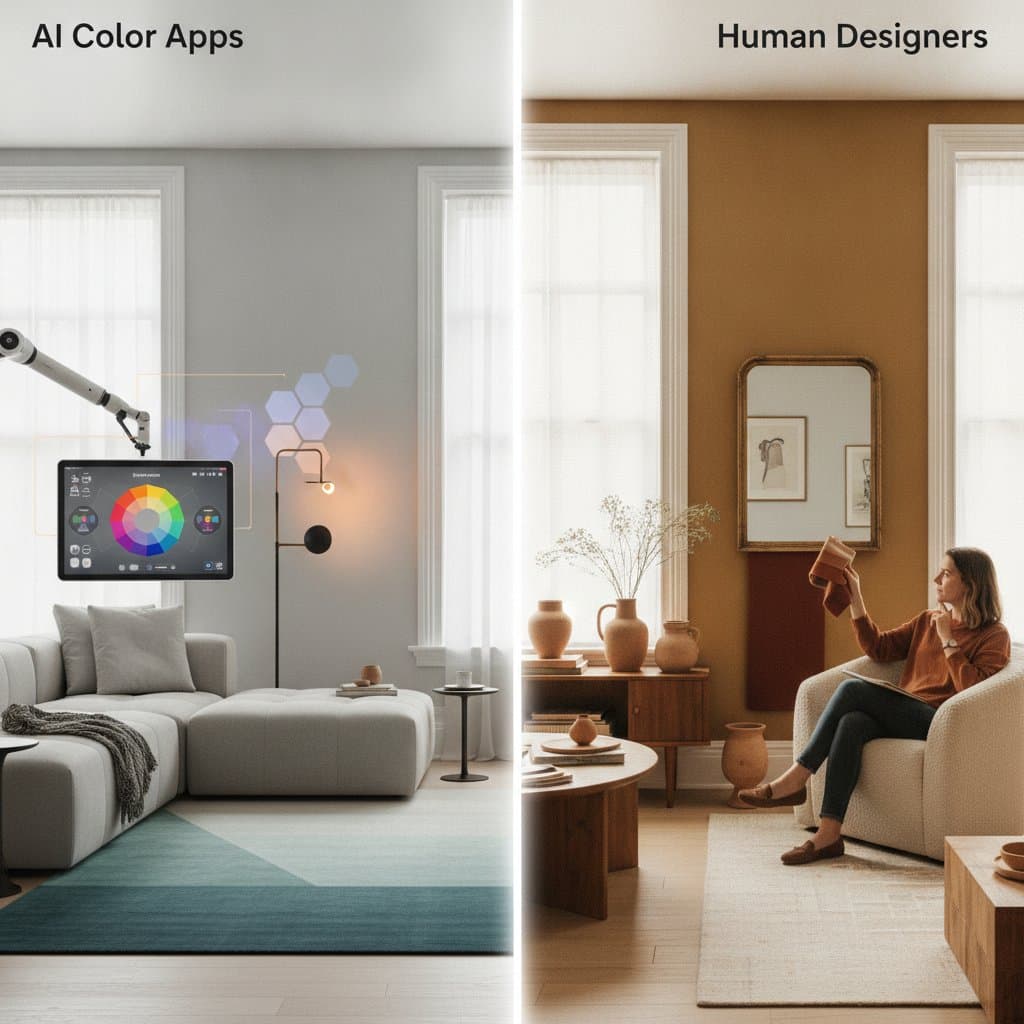
AI provides a foundation, but human touch refines it. Once selected, layer paints with finishes that amplify mood. Graphite walls pair with linen in Benjamin Moore’s White Dove; sage-green kitchens enhance with brass hardware and marble.
Designer Marcus Lin of Atelier Chromatic views AI as a guide requiring human direction. This blend ensures authenticity and personalization in every space.
Embracing AI for Expressive Interiors
AI clarifies color decisions, amplifying intuition. Palettes evolve with light and use, revealing nuances over time. Farrow & Ball’s Setting Plaster shifts from blush to clay across the day.
The result is harmony that pleases the eye and soothes the spirit. With AI, design becomes a deliberate expression of individual style.