Perfect Your Home Colors with AI, No Designer Needed
As a remodeling contractor, I have observed more projects derail due to color decisions than nearly any other aspect of the work. Homeowners often spend weeks collecting paint samples, debating undertones, and questioning each wall choice. Such delays extend timelines, increase expenses, and generate frustration before application begins. Fortunately, color selection no longer requires guesswork. AI-powered color tools transform the process for homeowners, enabling them to choose, test, and confirm palettes with precision typically reserved for professionals.
These technologies prove intelligent yet demand proper application. On job sites, I have collaborated with systems like these, and when homeowners grasp their use, they conserve time, evade costly errors, and create professionally harmonious spaces.
How AI Color Tools Function
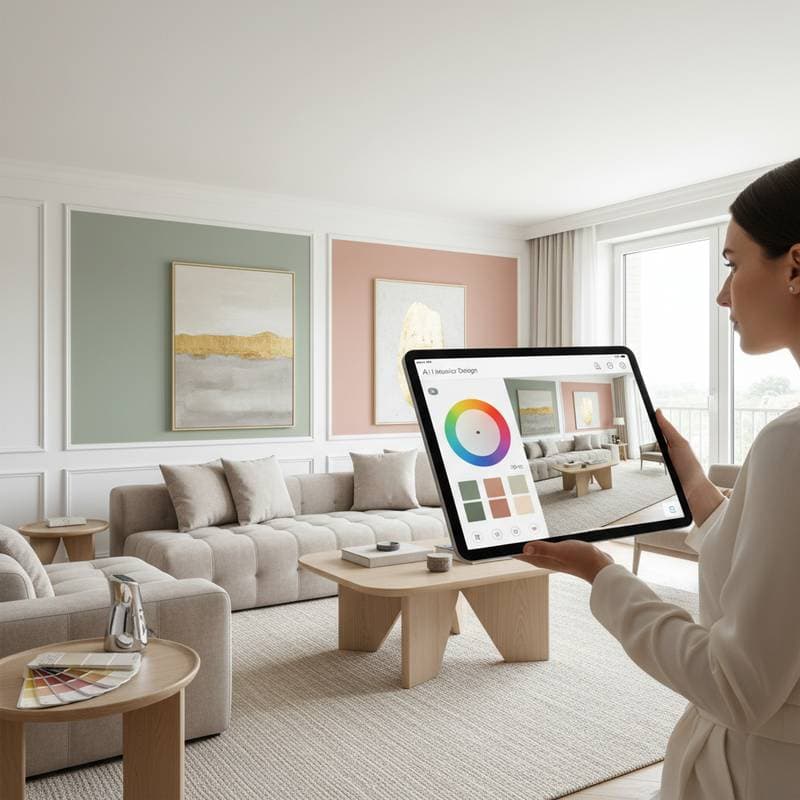
These applications rely on image recognition and data modeling. Users upload room photographs, allowing the system to detect materials, surfaces, and lighting. Algorithms, trained on vast datasets of real-world color pairings, then recommend palettes that enhance the environment. Certain tools account for photo capture time, simulating color variations under morning light or evening lamps for authentic previews.
Key capabilities enhance their utility for homeowners:
-
Color Detection and Matching
Extract shades from uploaded images. For instance, if a fabric swatch or neighboring room inspires you, the tool identifies the hue and suggests precise matches from leading paint brands like Benjamin Moore or Sherwin-Williams. -
Palette Generation
Develop comprehensive schemes with primary, secondary, and accent colors. This approach ensures alignment with trim, floors, and fixtures, avoiding disjointed appearances. -
Digital Room Visualization
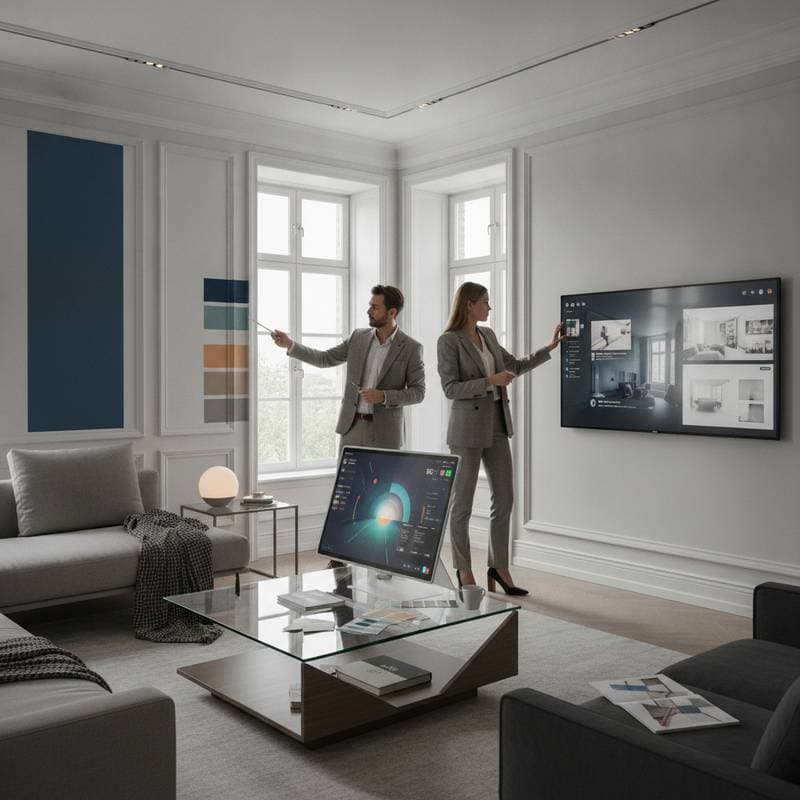
Apply colors virtually to walls and observe interactions with existing elements. Test multiple options rapidly to assess harmony before purchasing supplies. -
Compatibility Analysis
Evaluate current room tones, including wood grains and textiles, to flag potential clashes. This mimics a designer's review, promoting balanced outcomes.
Homeowners frequently resolve schemes in hours rather than weeks, gaining clarity and assurance that translates to successful implementations.
Essential Features in Reliable AI Color Tools
Although I avoid brand endorsements, certain attributes distinguish effective tools for practical application.
-
Lighting Adjustment Capabilities
Seek options to modify illumination intensity or emulate natural versus indoor sources. Accurate simulations reduce discrepancies between digital views and physical results. -
Integration with Paint Brands
Prioritize tools connected to prominent manufacturers. Direct links guarantee color fidelity and streamline procurement. -
Export Functionality
Download palettes in formats like hex or RGB codes. Share these with teams for seamless collaboration. -
Surface Differentiation
Advanced recognition separates walls, ceilings, and accents in photos. This accelerates experimentation and minimizes application errors. -
Intuitive Interfaces
Demand straightforward navigation, effortless uploads, and prompt processing. Accessibility ensures broad usability without specialized knowledge.
Selecting tools with these elements yields dependable previews and smoother project execution.
Addressing Misconceptions About AI Color Tools
Several misunderstandings persist regarding these technologies.
-
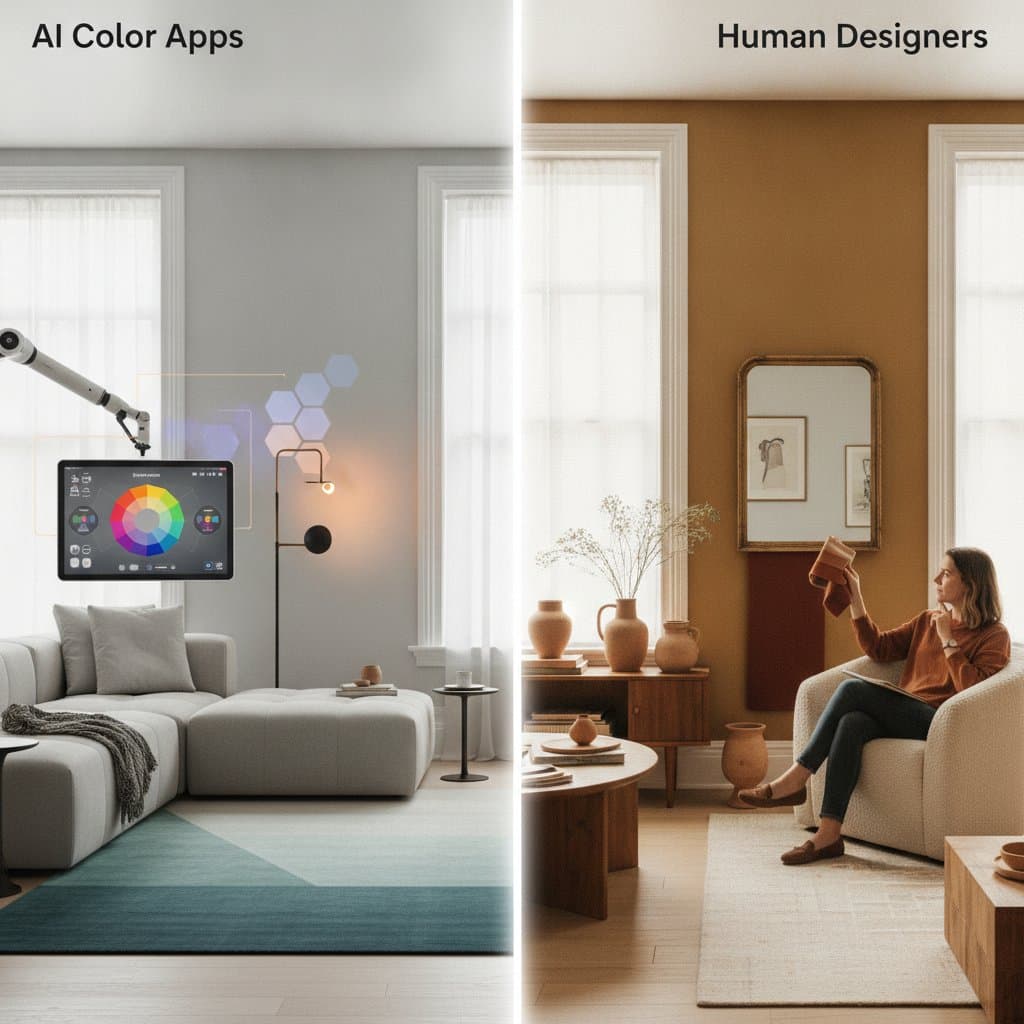
They Fully Replace Designers
They provide solid foundations, yet experts bring nuanced insights into textures, proportions, and ambiance that algorithms cannot match. Leverage tools for efficiency, and engage professionals for intricate renovations. -
They Ensure Flawless Outcomes
Accuracy hinges on quality inputs. Blurry images or skipped physical tests compromise reliability. -
They Require Technical Expertise
Designed for everyday users, operation mirrors basic photo sharing. Simplicity empowers quick adoption. -
They Limit to Wall Applications
Versatile platforms extend to exteriors, cabinetry, and furnishings. Explore diverse scenarios for comprehensive planning.
Grasping these truths maximizes benefits while tempering expectations.
Coordinating Whole-Home Palettes with AI
Room-by-room selections often yield inconsistent aesthetics. AI tools facilitate unified schemes by processing multiple room images, proposing flowing transitions.
Follow these steps for effective whole-home strategies:
-
Establish a Base Neutral
Select a versatile tone for connective areas like corridors. This anchors overall cohesion. -
Define Accent Regions
Generate targeted highlights for focal points. Balance variation with underlying harmony. -
Adapt to Light Variations
Adjust for directional exposures, as north-facing rooms absorb hues differently than south-facing ones. Tools refine shades to preserve uniformity.
Implement Your Palette with Confidence
Integrate AI insights into real-world validation by obtaining sample pots for physical swatches under site-specific lighting. Document decisions in a shared palette file to guide painters. This method not only curbs errors but elevates your home's appeal, delivering enduring satisfaction and value.