Universal Design: Future-Proof Bathrooms for Aging in Place
Imagine entering your bathroom one morning and noticing that the familiar layout now presents obstacles. A slick floor, a raised tub lip, or inadequate illumination can transform a simple routine into a potential hazard. For those committed to long-term residency in their home, redesigning the bathroom to accommodate all life stages proves essential. This principle defines universal design: spaces engineered for safety, ease, and utility across ages and abilities.
Universal design avoids sterile or institutional aesthetics. Instead, it integrates intelligent elements that harmonize with personal preferences while simplifying everyday tasks. Whether undertaking a complete renovation or targeted modifications, such a bathroom sustains functionality for years.
The following sections outline strategies to develop a bathroom that evolves alongside its users.
The Benefits: Lifelong Utility in Bathroom Design
Bathrooms rank among the most accident-prone areas in residences, owing to wet surfaces and confined quarters. Incidents like slips occur frequently, with recovery posing significant challenges. The advantages of universal design emerge clearly: early integration of these elements averts mishaps, minimizes upkeep issues, and fosters autonomy for individuals and family members.
Such enhancements also boost property value. Prospective purchasers prioritize adaptable, inclusive homes. Universal design ensures broad appeal and enduring practicality.
Essential Fixtures for Accessibility
Every bathroom component influences security and usability. Select options with intention to maximize these qualities.
Showers
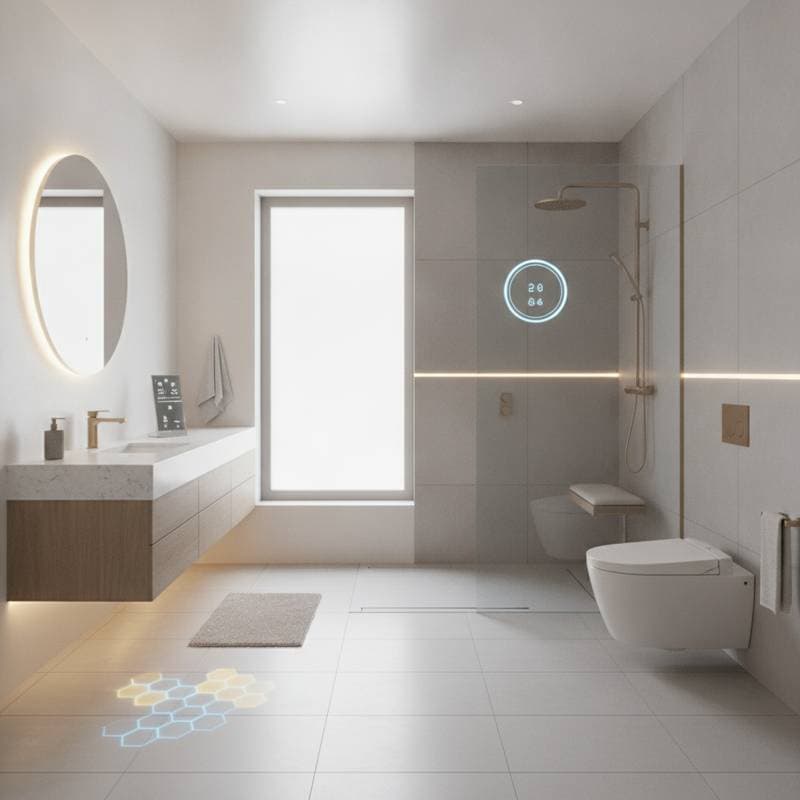
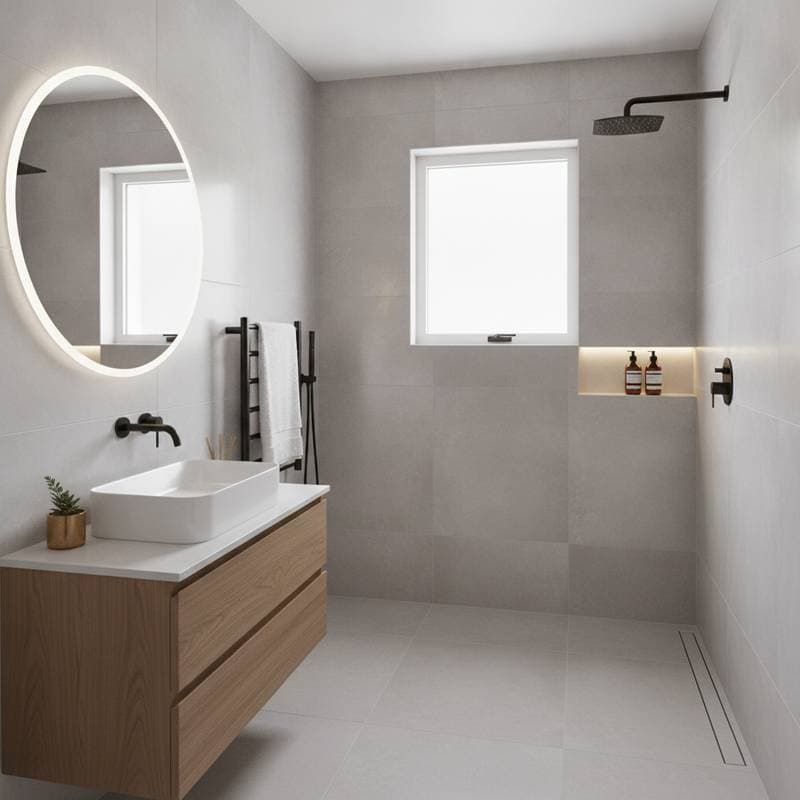
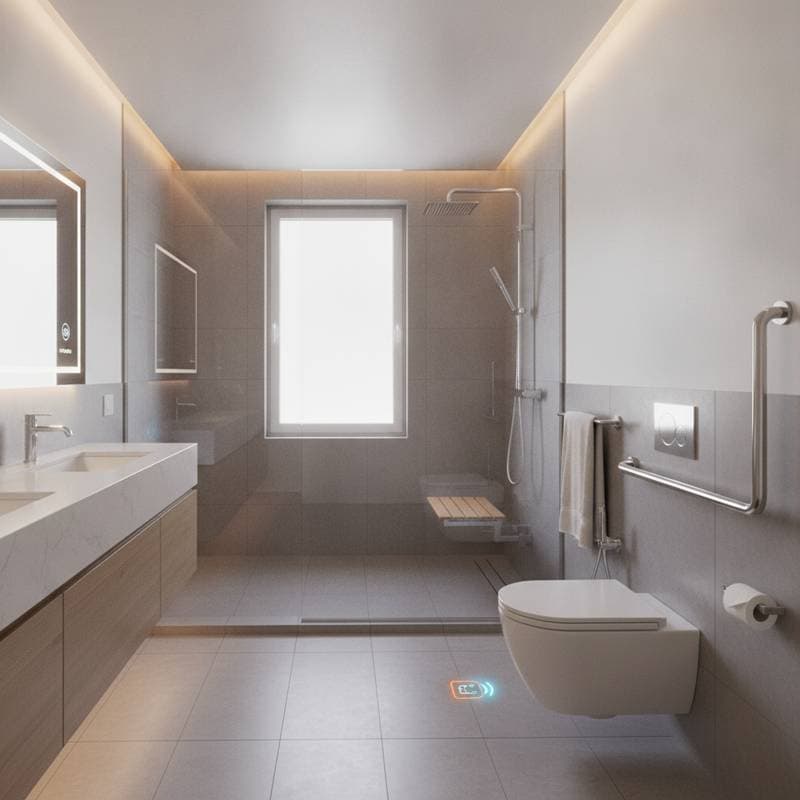
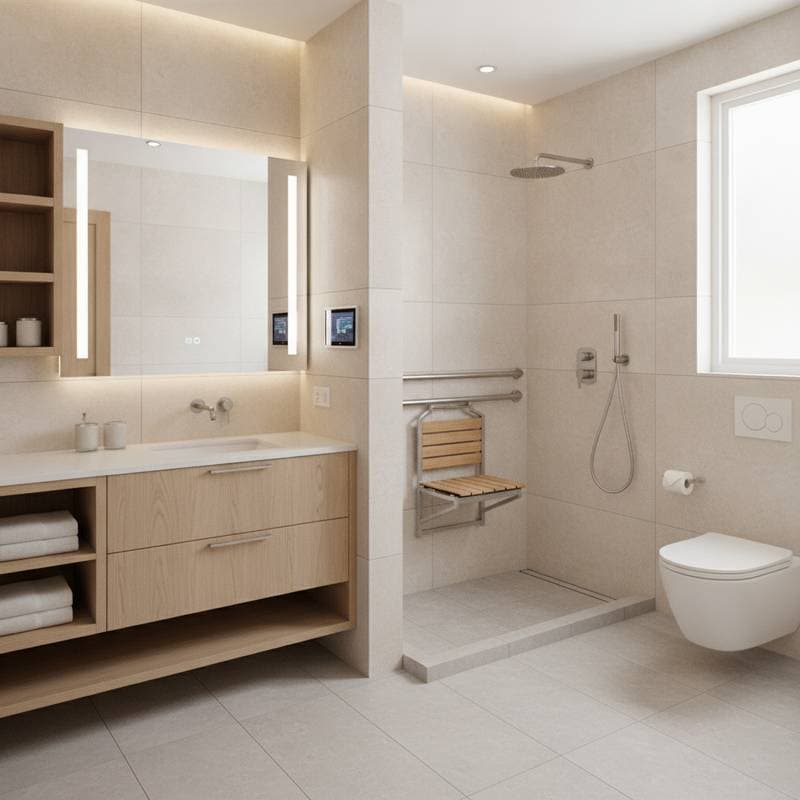
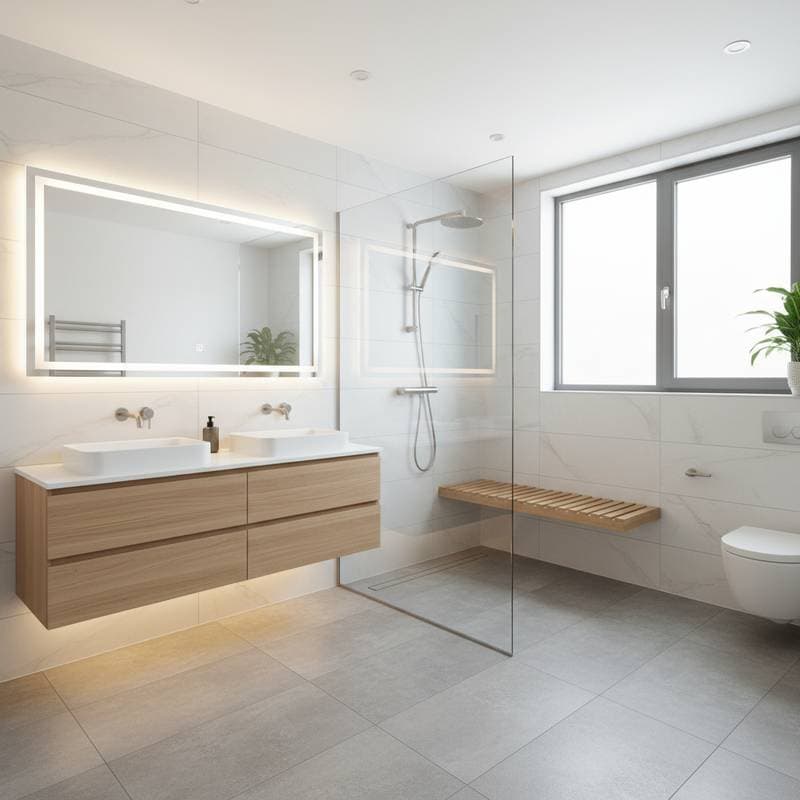
A curbless walk-in shower stands as a cornerstone of inclusive bathroom design. This configuration removes thresholds, facilitating seamless access without high steps.
Key considerations:
- Opt for slip-resistant flooring with a friction coefficient of at least 0.42 to enhance grip.
- Incorporate a handheld showerhead with adjustable positioning for versatile use.
- Include a permanent bench or retractable seat to provide reliable support.
- Position grab bars on reinforced wall framing; contemporary styles integrate with various interiors.
Estimated costs:
- Standard curbless shower retrofit: $3,000 to $6,000
- Comprehensive tiled shower including seating: $8,000 to $15,000
Bathtubs
For those who favor deep soaking, select a low-entry tub or a walk-in model equipped with a sealed door. Although pricier, these choices deliver sustained relaxation and protection.
Estimated costs:
- Shallow soaking tub: $1,000 to $3,000
- Walk-in tub featuring entry door: $5,000 to $9,000
Toilets
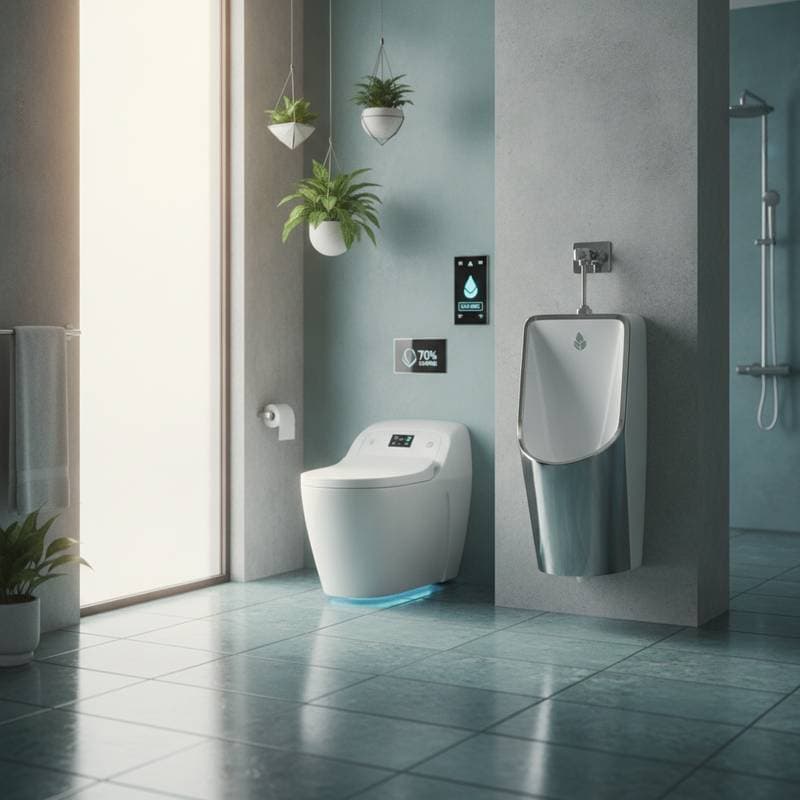
Elevated comfort-height toilets, approximately two inches above standard, simplify rising and lowering motions.
Enhancements:
- Install grab bars adjacent to the fixture for added balance.
- Attach a bidet seat to promote hygiene without excessive movement.
Estimated costs:
- Comfort-height toilet: $250 to $600
- Bidet seat add-on: $200 to $800
Sinks and Vanities
Wall-mounted sinks afford legroom for wheelchair access and impart a spacious atmosphere. Pair with lever handles or sensor-activated faucets to minimize effort.
Estimated costs:
- Wall-mounted sink: $300 to $700
- Sensor faucet: $150 to $400
Lighting
Adequate illumination prevents errors and supports precise activities. Employ layered approaches for optimal coverage.
Implementation strategies:
- Mount vibrant, uniform ceiling lights for general visibility.
- Position focused lights around mirrors to eliminate glare.
- Integrate motion-activated or low-level night lighting for nocturnal safety.
Estimated costs:
- LED light installation: $250 to $600 each
Prioritizing Electrical and Structural Safety
In moisture-heavy zones, electrical precautions remain paramount.
- Mandate ground-fault circuit interrupter (GFCI) receptacles to mitigate electrocution risks.
- Locate outlets at heights suitable for seated individuals.
- Position controls and switches at 36 to 44 inches from the floor for convenient access.
Engage licensed experts for any relocation of wiring or pipes. Amateur electrical modifications in bathrooms carry dangers and typically require official approval.
Navigating Regulations and Professional Guidance
Prior to launching significant alterations, review municipal building standards. Permits often apply to plumbing, electrical, or load-bearing adjustments. Accessibility modifications linked to health needs might qualify for incentives or deductions.
Collaborate with certified aging-in-place experts or universal design professionals to fulfill regulations efficiently while controlling expenses.
Sustaining Long-Term Performance
Post-installation, upkeep simplifies with durable selections. Favor materials resistant to mildew and moisture. Routinely tend to grout seals and replace faded anti-slip accessories. Periodically verify the integrity of support bars.
A preserved universal bathroom endures without obsolescence. Its elements retain aesthetic purpose, accommodating evolving aids or innovations seamlessly.
Practical Strategies for Implementation
- Anticipate needs. Fortify structures and route utilities to accommodate future additions, even if immediate use seems unnecessary.
- Engage experts. Consult designers versed in universal principles to recommend aesthetically integrated solutions.
- Emphasize illumination. This upgrade delivers quick, economical improvements in safety.
- Minimize obstructions. Maintain clear pathways to avoid stumbles and streamline maintenance.
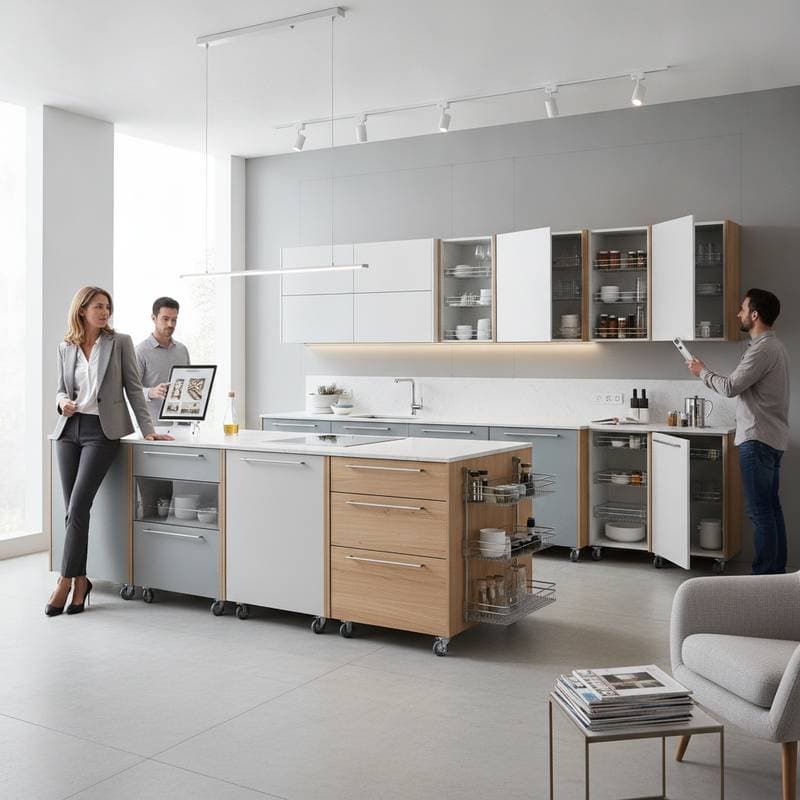
- Evaluate in person. Sample fixture ergonomics, control mechanisms, and support positions at displays.
These measures align current comforts with prospective requirements.
Advancing Your Renovation Project
Residing in place demands neither comfort nor elegance concessions. It requires strategic foresight. A universal bathroom upholds autonomy, security, and grace throughout life phases. Incremental or comprehensive updates each contribute to enduring health investments.
Begin with a thorough evaluation of your existing space. Note barriers, gauge dimensions, and prioritize impactful modifications. Seek counsel from contractors skilled in inclusive builds. Through deliberate decisions, craft an environment that balances invitation with efficiency.
Future routines gain assurance on stable, textured surfaces or via intuitively placed aids. Universal design transcends mere accommodation; it enables assured, pleasurable home life indefinitely.