The AI Revolution in Perfect Paint Selection
Selecting paint colors has long blended intuition with doubt. A shade that appears tranquil on a sample strip may turn stark across a full wall. Factors such as illumination, surface texture, and ambiance shape hue perception, yet for years, individuals have depended on tangible samples and gut feelings for decisions. Intelligent color-matching tools now alter this dynamic. Artificial intelligence penetrates design workspaces and home settings, providing methods to comprehend, anticipate, and adjust color choices.
This evolution in paint selection avoids supplanting imagination. It sharpens insight, enabling designers and homeowners to advance from approximation to accuracy. Through examination of vast color interactions and surrounding elements, these systems uncover previously elusive aspects: the affective and dimensional effects of color.
The following sections outline six essential ways AI reshapes color choice, matching, and application in daily life.
1. Predictive Color Behavior
AI models simulate color performance under varying daily light conditions. These systems process data on room orientation, window dimensions, and illumination origins to forecast appearance across light intensities.
Designers gain a vital instrument for harmonizing atmosphere and utility. A cool gray may project sharpness in morning rays yet shift to blue tones at dusk, whereas a warm neutral such as Farrow & Ball’s Skimming Stone preserves gentle consistency. Previewing these variations prevents letdowns and conserves effort along with materials.
2. Cross-Material Coordination
Colors seldom exist alone. They engage with wood grains, metallic surfaces, textiles, and stone elements. AI-driven visualization applications incorporate material databases, permitting tests of paint interactions with particular finishes.
Consider a walnut flooring with prominent grain; it may intensify the warmth of a subtle taupe wall. Brushed brass fixtures could amplify the richness of a subdued teal. Tools like Morpholio Board and Canva Interior Suite employ AI for immediate mapping of these dynamics. Outcomes yield comprehensive design perspectives, where color enhances material texture and light bounce instead of clashing.
3. Smart Visualization in Real Time
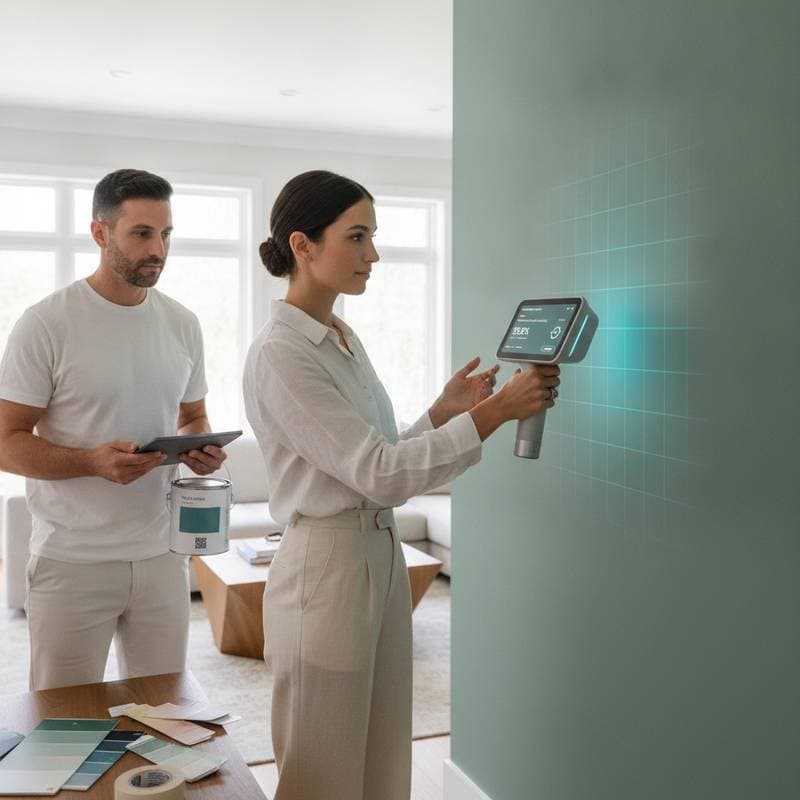
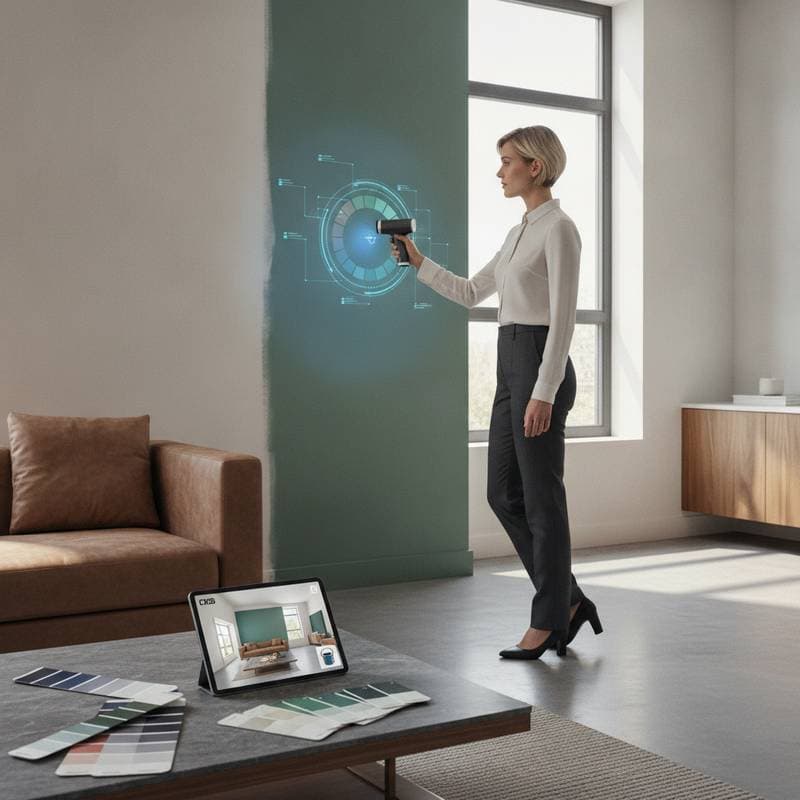
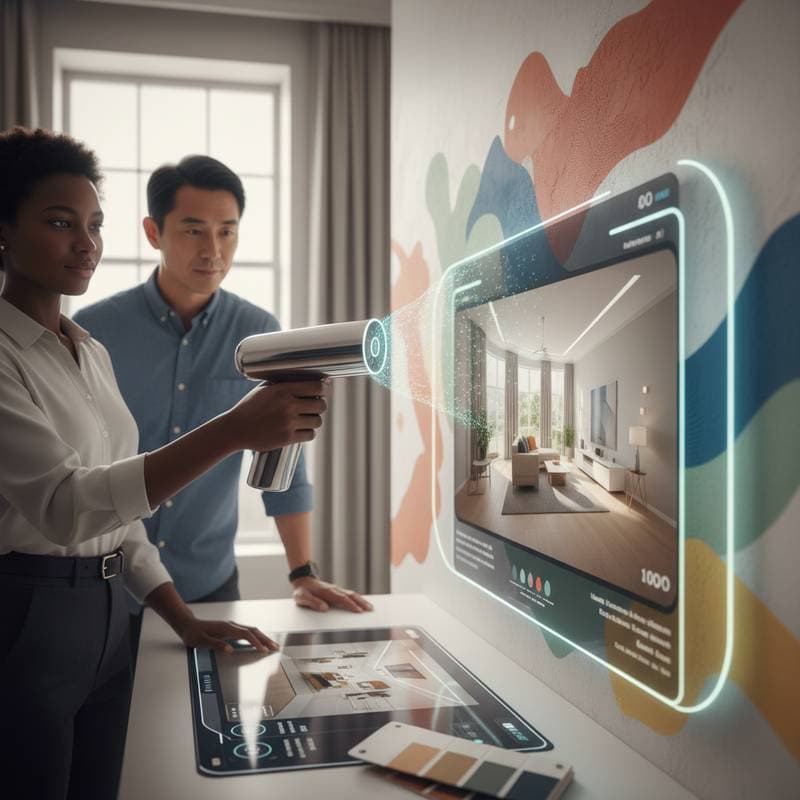
Augmented reality evolves as a robust design asset. AI-augmented apps enable viewing of suggested colors overlaid on actual walls via mobile devices. Unlike initial digital approximations, current versions achieve exactness by identifying edges, shadows, and light transitions for lifelike renders.
This approach allows testing of Little Greene’s French Grey in a north-facing space, revealing its response to diffused afternoon glow. Clients witness changes prior to any application, building assurance and sparking ideas.
Contractor James Ortega of Ortega Finishes Co. deems this essential for upgrades. “Clients can visualize the end result immediately,” he said. “It keeps everyone aligned and reduces costly repaints.”
4. Global Design Trend Analysis
Color preferences arise from societal, cultural, and ecological changes. AI platforms monitor these patterns by processing extensive image sets from design journals, online networks, and sales records. They identify emerging palette shifts well ahead of widespread adoption.
Brands such as Farrow & Ball and Backdrop leverage these forecasts to develop collections attuned to modern tastes. Designers apply this knowledge to predict client desires and form interiors that balance timeliness with longevity.
AI pinpoints subtle movements, like the ascent of softened terracotta or olive green’s resurgence, fostering environments linked to the era yet timeless.
5. Personalized Design Coaching
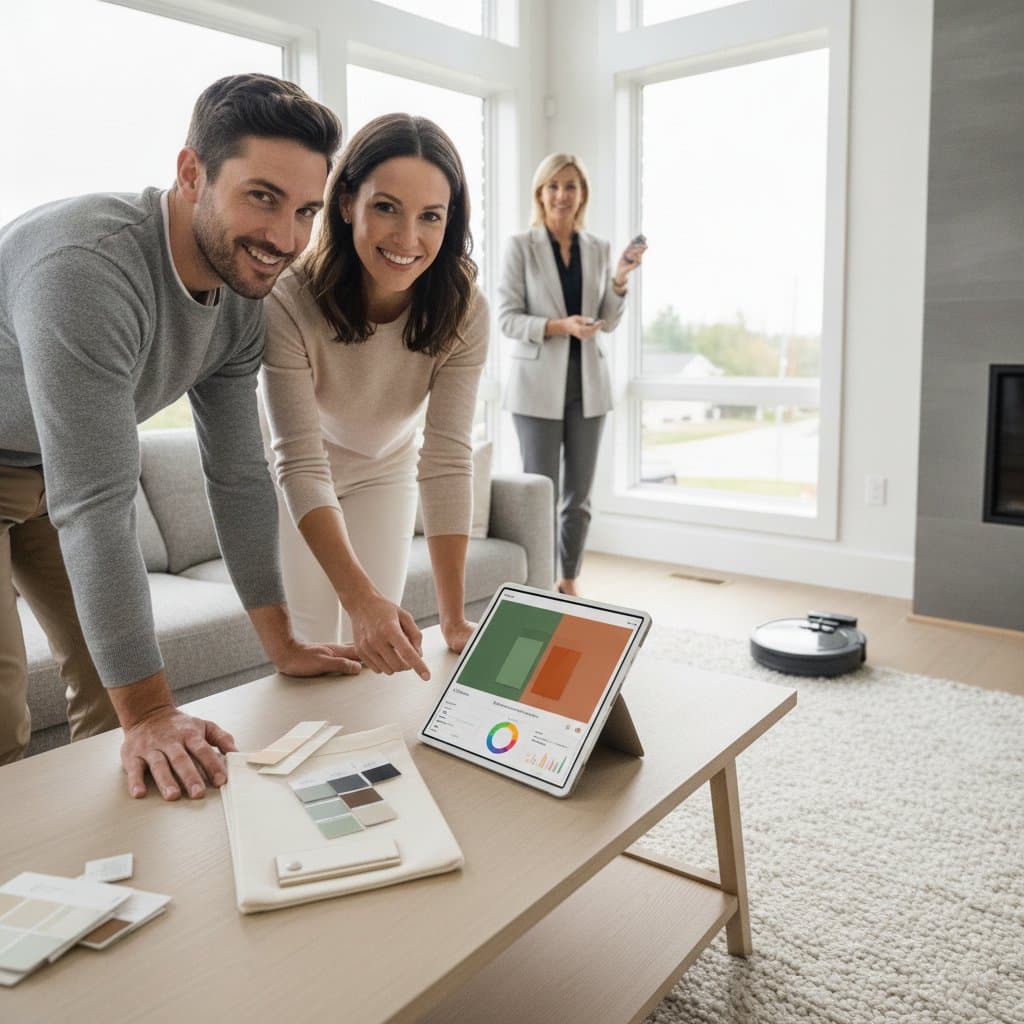
Certain AI applications extend to advisory roles. They evaluate current furnishings, illumination, and room configurations to deliver customized paint suggestions. Considerations include building traits, ceiling elevations, and daylight access for hues that improve scale and movement.
If AI identifies constrained ceilings and scant natural light, it may advocate a light variant like Benjamin Moore White Dove to broaden visual space. For areas with lofty architecture or abundant light, deeper shades such as Farrow & Ball Down Pipe provide stability.
Interior designer Luca Bernard of Atelier Bernard values this data foundation. “It helps me justify color choices with data,” he said. “Clients appreciate that the suggestions are both artistic and evidence-based.”
6. Collaborative Platforms for Professionals
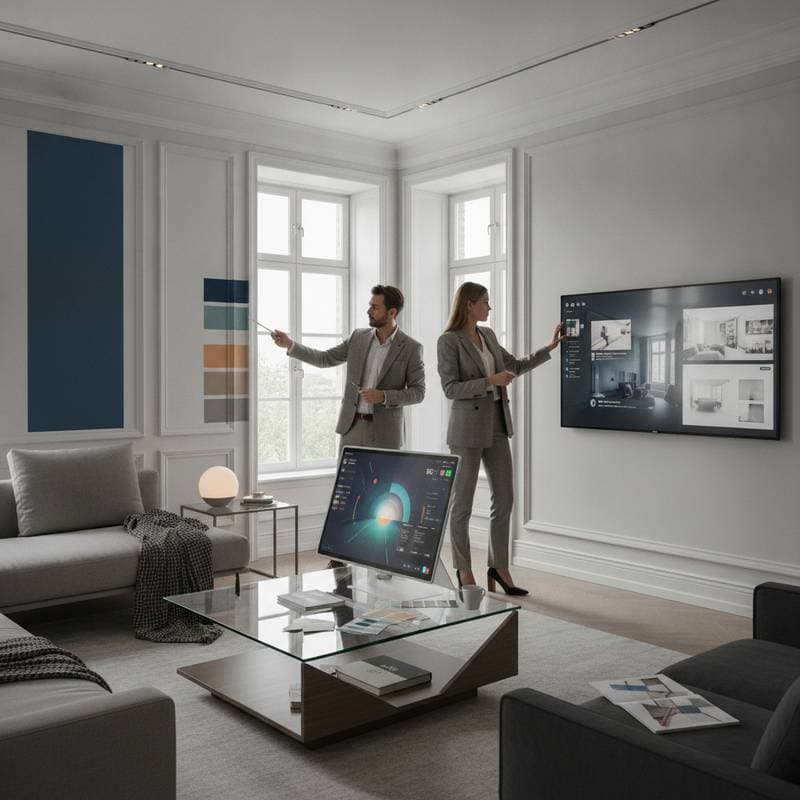
Sophisticated AI integrates into shared environments for designers, architects, and builders to exchange visual information and color choices instantaneously. These systems align palettes across electronic sketches, sample assemblies, and project files.
Platforms like Enscape Color Sync sustain uniformity from initial ideas to final builds. A hue modification in wall specifications prompts automatic refreshes in visuals, details, and light models. This alignment guarantees digital concepts translate faithfully to reality.
In extensive endeavors, such features overhaul workflows by curbing errors and preserving artistic vision through all phases.
Integrating AI for Everyday Design Decisions
AI’s role in paint selection surpasses mere advancement. It signals a transformation in color engagement. Rather than constrained samples and personal recall, participants interact with color as a dynamic design component.
Technology amplifies perception without diminishing craft. By converting sentiment, illumination, and dimensions into quantifiable forms, AI empowers invention with assuredness. The approach turns exploratory, knowledgeable, and resource-efficient.
Individuals starting renovations or updates encounter extraordinary options. Scan a cherished pottery piece to derive a palette mirroring its finish. Navigate a simulated room, observing color adaptations to light changes. These capabilities extend beyond expert realms into user-friendly, exact applications.
Balancing Technology with Human Insight
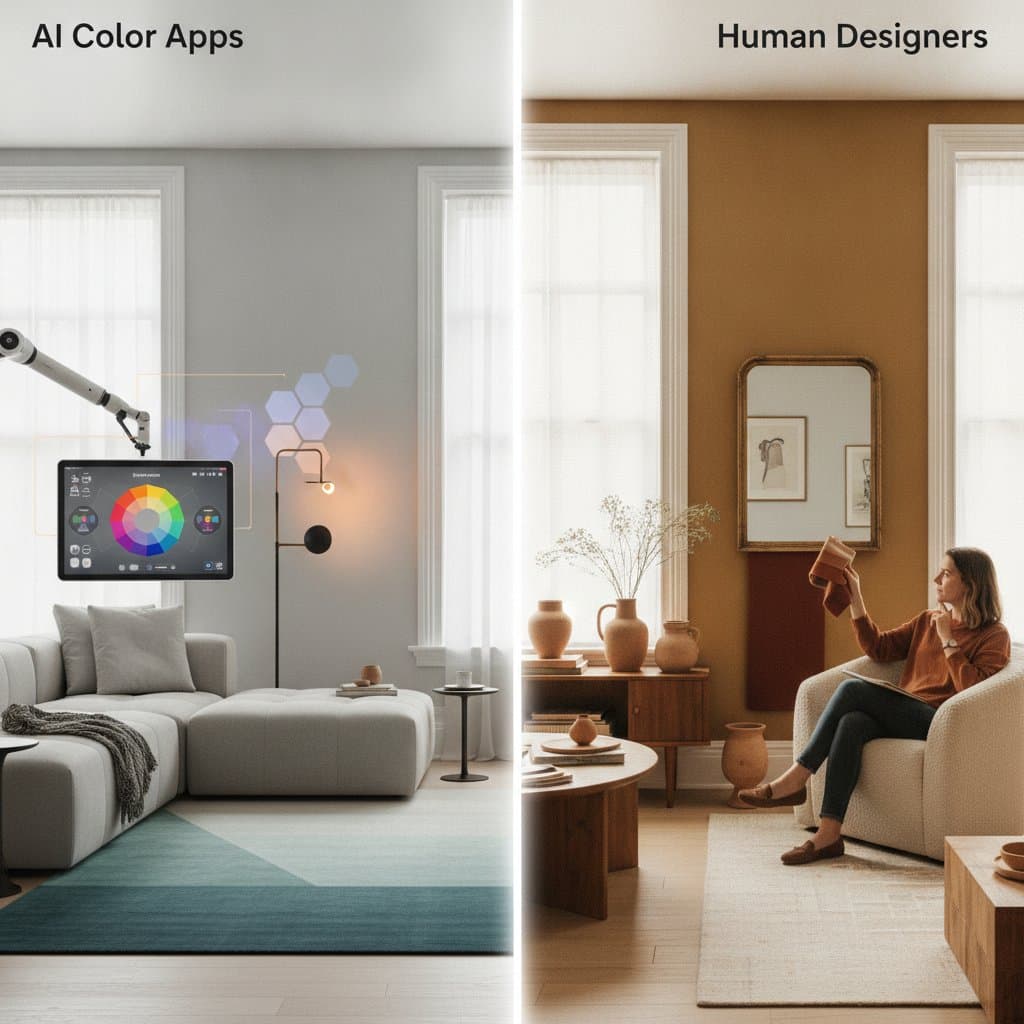
AI heightens precision, yet personal judgment endures as vital. A designer’s sense of color resonance in context or a resident’s affinity for a tone defies measurement. This blend of machine precision and human nuance crafts interiors that truly inspire.