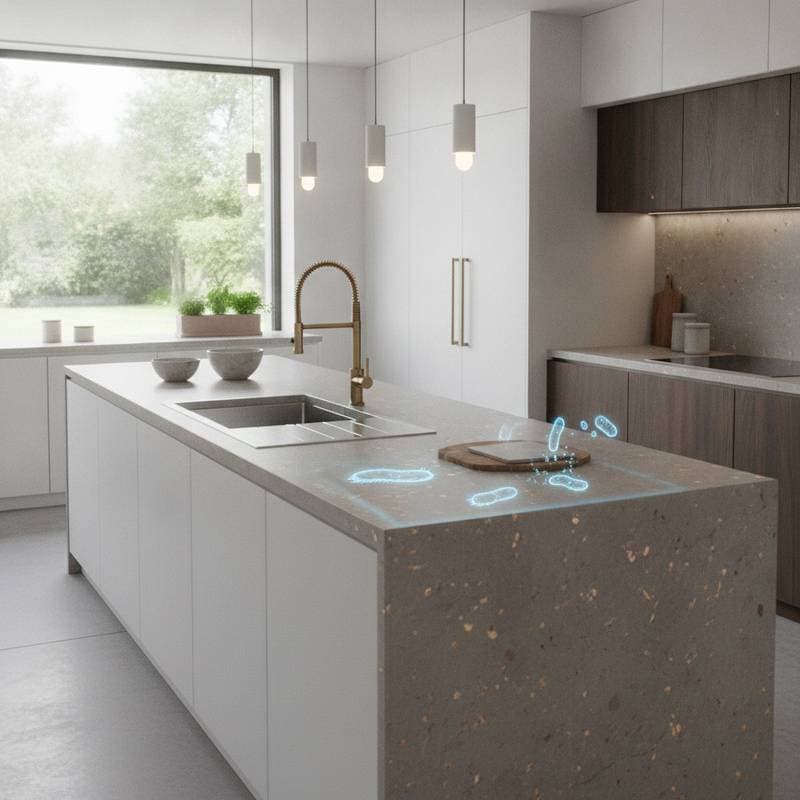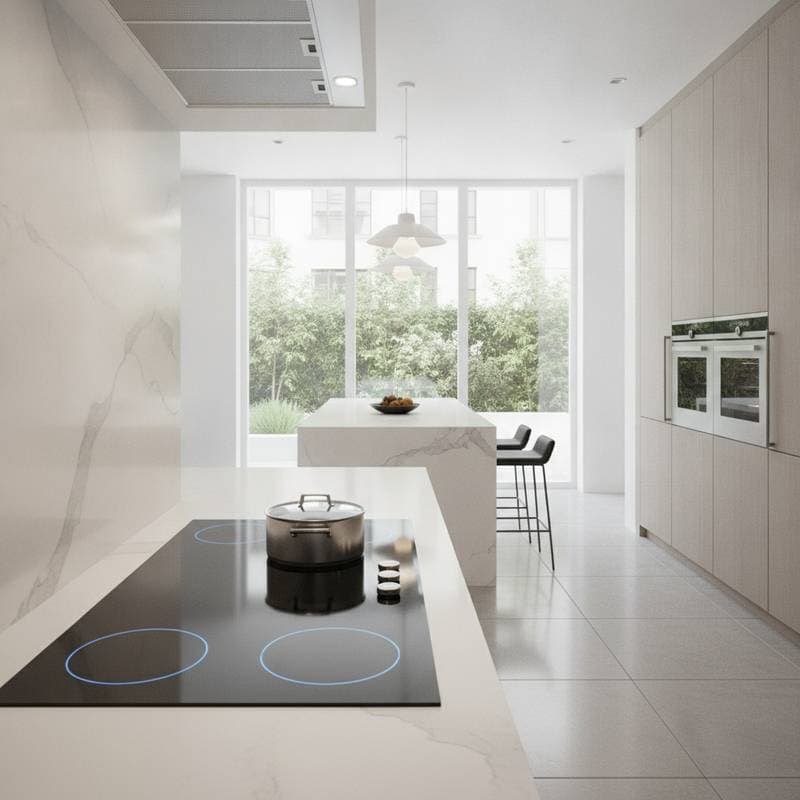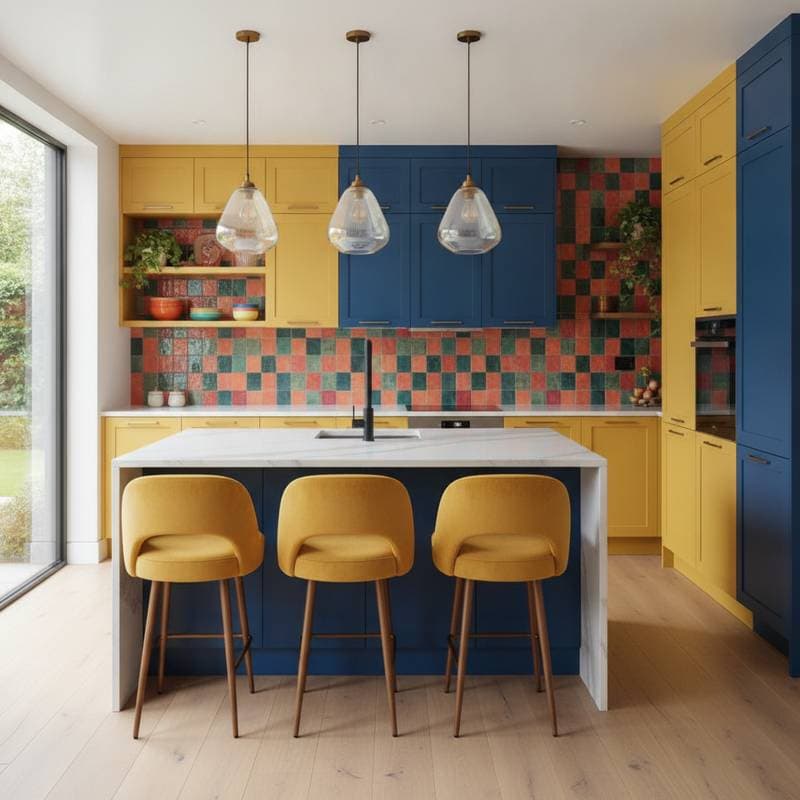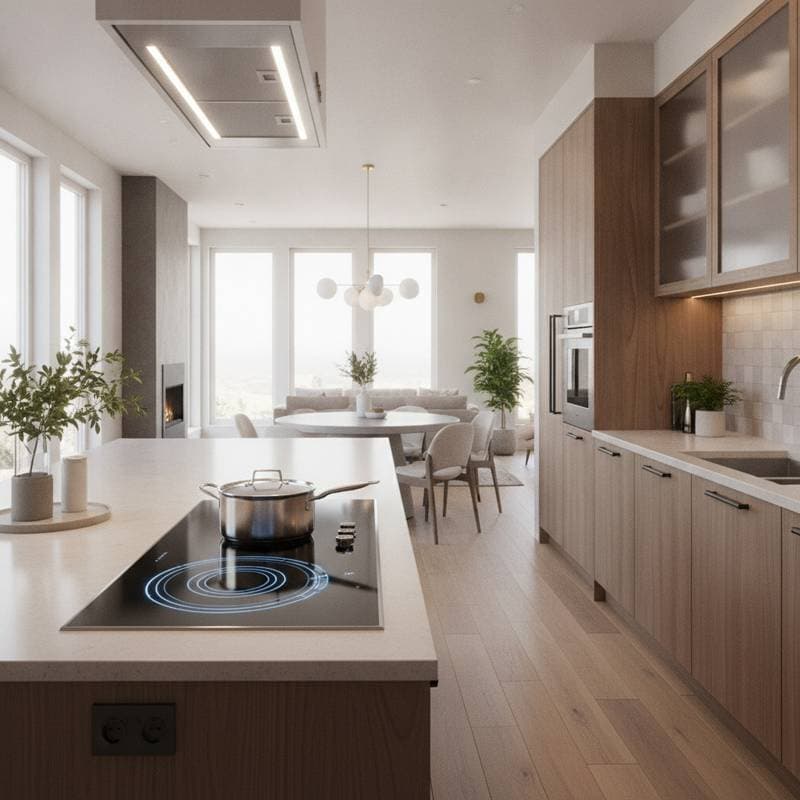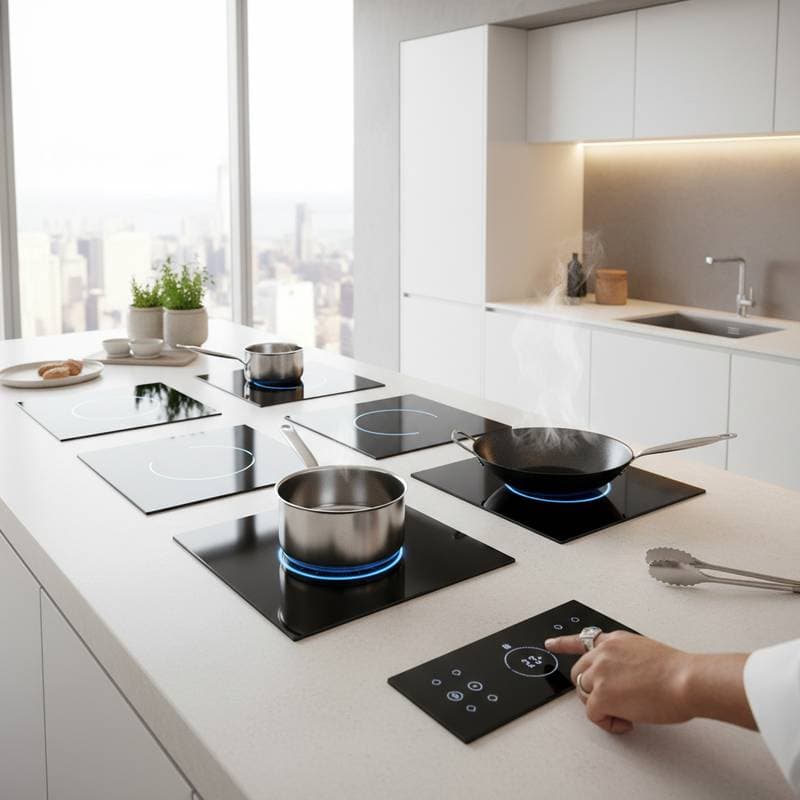
Modular induction zones represent a significant advancement in kitchen technology, offering customizable cooking surfaces that adapt to individual needs. Unlike fixed cooktops, these zones consist of independent modules that can be arranged in various configurations, providing flexibility for different kitchen layouts and cooking styles. This innovation addresses common limitations of traditional setups, such as restricted space and inflexible designs, while promoting energy efficiency and modern aesthetics.
Homeowners increasingly seek solutions that combine functionality with sustainability. Modular induction zones deliver precise heat control directly to cookware, eliminating wasted energy and enhancing safety through cool surface temperatures. As kitchen renovations evolve, these systems gain popularity for their ability to integrate seamlessly into contemporary spaces.
Key Benefits of Modular Induction Zones
Modular induction zones excel in adaptability, allowing users to position modules exactly where needed. For instance, a single module suits small apartments, while multiple units create expansive cooking areas in larger homes. This scalability ensures optimal use of counter space without permanent alterations.
Safety features further distinguish these systems. The surface remains cool to the touch outside the active zone, reducing burn risks, especially in households with children. Additionally, automatic shut-off mechanisms activate if cookware is removed, preventing accidents and promoting peace of mind.
Aesthetic appeal plays a crucial role in their adoption. With sleek, flush-mounted designs, modular zones blend into countertops, creating a minimalist look that complements modern interiors. Available in various finishes, they allow for personalized styling that elevates the overall kitchen ambiance.
Environmental and Efficiency Advantages
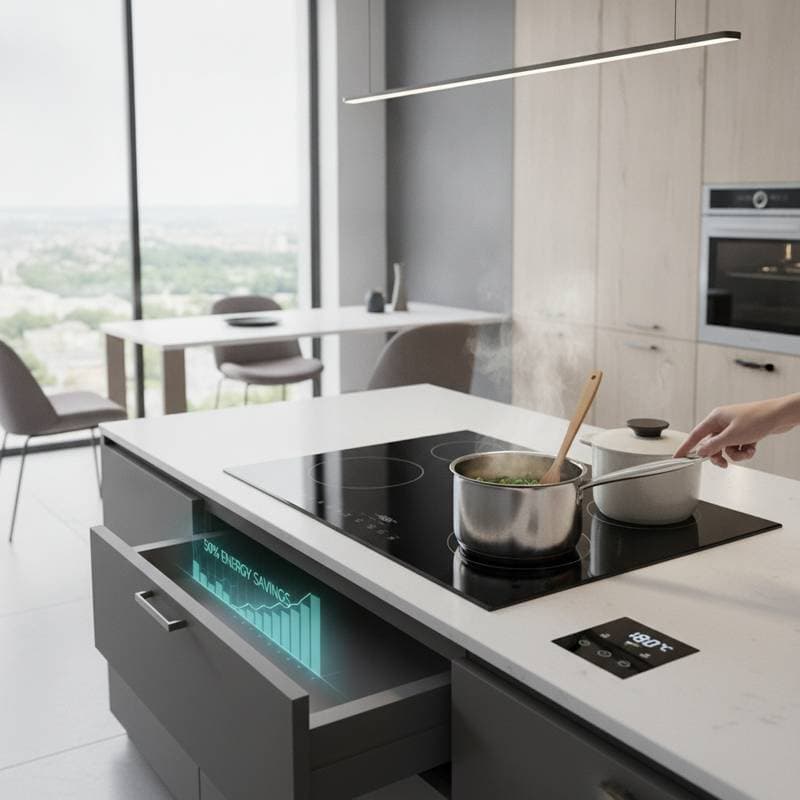
Induction technology achieves remarkable efficiency, converting 85 to 90 percent of energy into direct heat for pots and pans. In contrast, gas stoves manage only about 40 percent efficiency, with significant heat escaping into the surrounding air. This difference translates to lower utility costs and reduced strain on home cooling systems during warmer months.
By relying on electricity rather than gas, modular induction zones minimize indoor air pollution from combustion byproducts. Such systems align with broader environmental objectives, supporting transitions to renewable energy sources. For environmentally conscious families, integrating these zones contributes to a greener household footprint.
Long-term sustainability extends beyond operation. Many modules incorporate recyclable materials and energy-saving modes, further diminishing environmental impact. As global standards push for reduced carbon emissions, adoption of induction cooking accelerates, positioning modular zones as a forward-thinking choice.
Cost Analysis and Investment Value
Initial costs for modular induction zones range from $500 to $2,000 per unit, depending on size and features. While higher than basic gas models, the investment pays off through energy savings and durability. High-quality modules often include warranties of five to ten years, ensuring reliability over time.
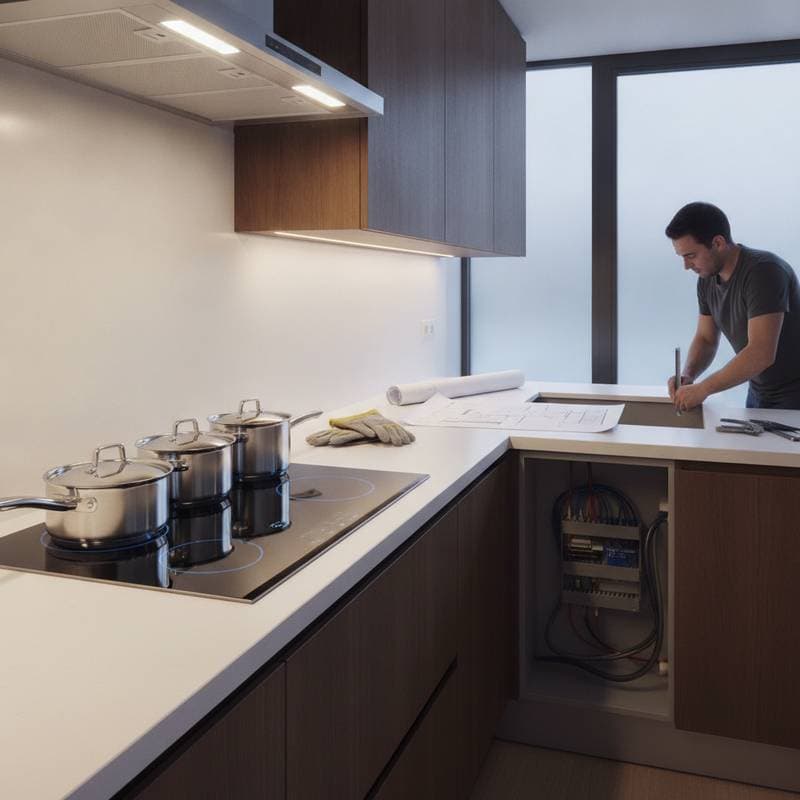
Installation expenses vary based on kitchen complexity. Professional setup typically costs $200 to $500, covering electrical connections and surface preparation. Homeowners with basic electrical knowledge may handle simpler installations, but consulting certified technicians guarantees compliance with safety codes.
Compared to full cooktop replacements, modular systems offer cost-effective upgrades. Adding or repositioning modules avoids comprehensive renovations, saving thousands in labor and materials. Over a decade, cumulative energy reductions can offset upfront expenses, making them a financially sound option.
Practical Steps for Integration
Assess your current kitchen setup before purchasing. Measure available counter space and evaluate electrical capacity, as induction requires a dedicated circuit of at least 40 amps. Consider daily cooking routines to determine the number of modules needed, such as two for basic meal prep or four for frequent entertaining.
Select modules from reputable brands known for responsive controls and compatibility. Look for units with touch interfaces and preset temperatures for tasks like simmering or boiling. Testing in stores provides insight into performance, helping match technology to personal preferences.
During installation, prioritize proper ventilation despite induction's cool operation. Ensure modules align with compatible cookware, which must contain ferrous materials for effective heating. Post-installation, maintain surfaces with gentle cleaners to preserve functionality and appearance.
Future Trends and Adoption Outlook
Industry experts predict modular induction zones will dominate by 2026, driven by regulatory shifts toward efficient appliances. Building codes in several regions already favor electric over gas installations, accelerating this transition. Innovations like wireless modules and smart integrations with home assistants enhance appeal.
Renovation trends reflect this momentum, with designers incorporating flexible zones into open-concept layouts. Custom configurations cater to diverse lifestyles, from compact urban dwellings to spacious family kitchens. As manufacturing scales, prices are expected to decrease, broadening accessibility.
Embracing modular induction prepares kitchens for evolving needs. These systems not only streamline cooking but also future-proof investments against technological advancements. Homeowners who adopt early gain advantages in efficiency, design, and environmental responsibility.