Elevating Bathroom Hygiene: The Rise of Touchless Fixtures by 2026
Imagine entering a bathroom where every interaction minimizes germ exposure. Shared spaces like these often harbor contaminants on frequently touched surfaces, such as faucet handles. Touchless fixtures address this challenge directly by leveraging sensor technology to deliver hygiene, convenience, and efficiency without physical contact.
These innovations have evolved beyond commercial settings into everyday homes. Homeowners increasingly adopt them during renovations or new builds due to their reliability and declining costs. This article explores the mechanics, benefits, and implementation strategies for touchless fixtures, highlighting their role in fostering healthier bathrooms by 2026.
Understanding Touchless Fixture Technology
Touchless fixtures employ infrared sensors or motion detection to respond to user proximity. A hand wave activates water flow in faucets or initiates flushing in toilets, with automatic shutoff occurring upon withdrawal. This design eliminates manual handling, significantly curbing bacterial transfer.
Key variants include:
- Touchless Faucets: These respond to gestures beneath the spout, ideal for sinks in residential or communal areas.
- Touchless Soap Dispensers: Sensors release precise soap portions, eliminating pump contact.
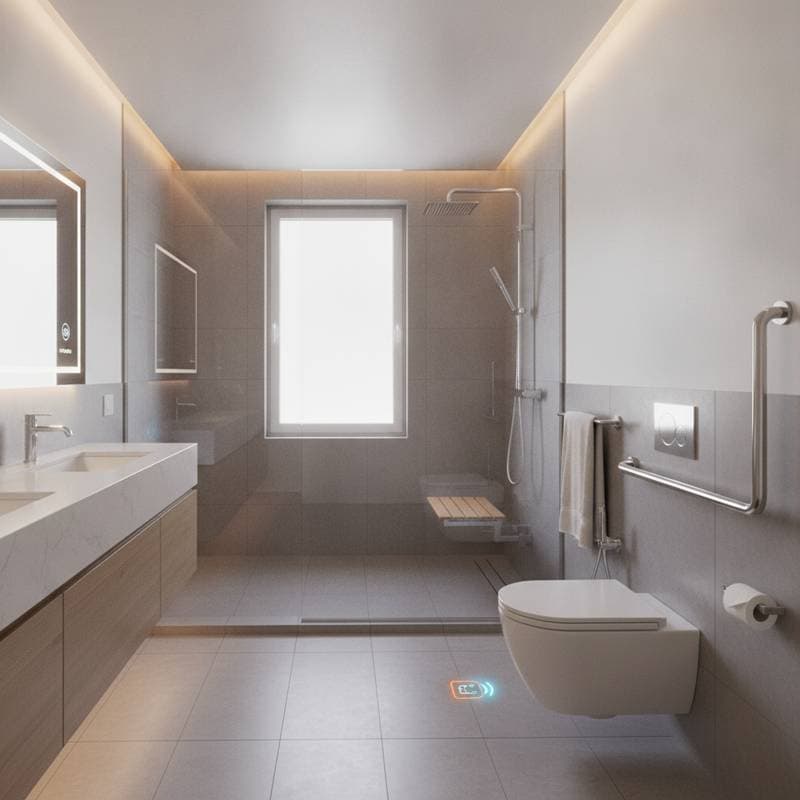
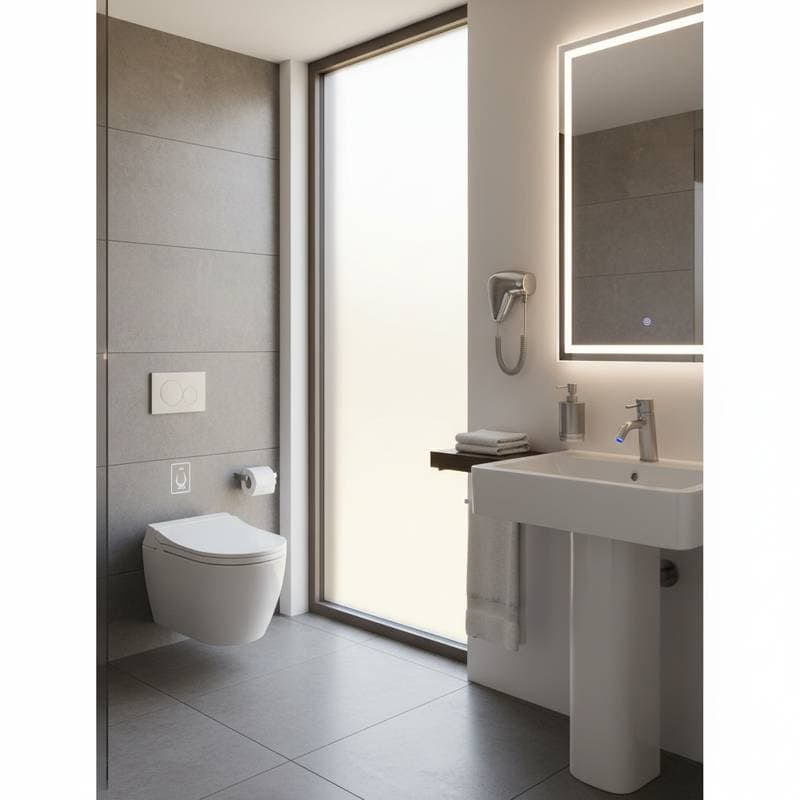
- Touchless Flush Systems: Integrated into toilets or valves, they automate flushing to prevent lingering contaminants.
Most units run on batteries or direct wiring and integrate seamlessly with existing plumbing. Professional assessment ensures compatibility during installation.
Pricing and Budgeting Strategies
Affordability has improved, allowing access across various budgets. Selection depends on desired features, aesthetics, and installation scope.
For touchless faucets:
- Entry-level battery-operated units with basic chrome finishes range from $70 to $150, suitable for straightforward replacements.
- Mid-tier options, featuring customizable sensors and premium materials, cost $150 to $350.
- Advanced models with temperature memory and app connectivity exceed $400, up to $700 for luxury variants.
For touchless toilets and flush valves:
- Retrofit kits for existing setups fall between $100 and $250, offering a cost-effective entry point.
- Complete sensor-equipped toilets span $400 to $900 for standard upgrades.
- High-end smart units with bidets and heated elements begin at $1,000.
Touchless soap dispensers start at $25 to $50 for essentials, reaching $100 for stylish or durable designs.
Incorporate these into remodel budgets by prioritizing high-traffic fixtures first. Incremental additions allow gradual enhancement without overwhelming expenses.
Ensuring Safety and Dependability
Safety features make touchless fixtures suitable for diverse households. Hardwired installations require GFCI outlets to mitigate shock risks in moist environments.
Temperature controls on faucets prevent burns by maintaining steady warmth. Proper sensor alignment, typically 4 to 6 inches from the activation point, avoids erratic operation.
Battery-dependent models require annual replacements to sustain performance. Engage a licensed plumber for toilet integrations, with fees averaging $100 to $300 based on complexity and location.
Regular maintenance, such as wiping sensors and clearing debris, preserves functionality. These steps ensure long-term reliability and user confidence.
Promoting Sustainability and Efficiency
Beyond hygiene, touchless fixtures contribute to resource conservation. Motion-based activation reduces water usage by up to 30 percent versus traditional taps, as flow ceases promptly after use.
This mechanism also averts drips from forgotten faucets, particularly beneficial in family settings. Low-flow aerators further optimize pressure while curbing consumption.
Over time, these efficiencies translate to measurable utility savings. Homeowners committed to green practices find touchless options align with broader environmental goals.
Integrating with Smart Home Systems
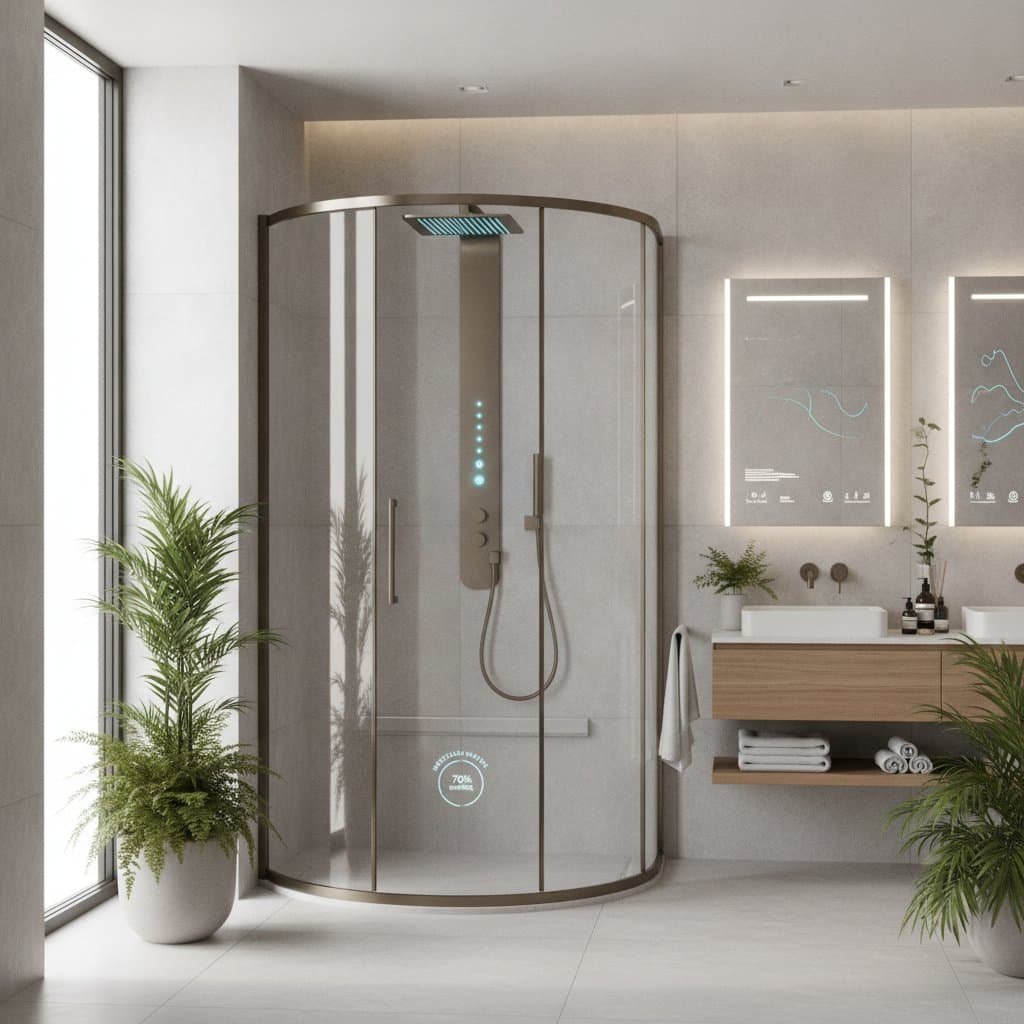
Touchless fixtures enhance connected ecosystems seamlessly. Compatible models link to voice assistants or mobile applications for monitoring usage patterns and customizing settings.
Advanced toilets incorporate UV sanitation or self-cleaning cycles, elevating cleanliness standards. Such integrations appeal to tech-savvy users seeking automated routines.
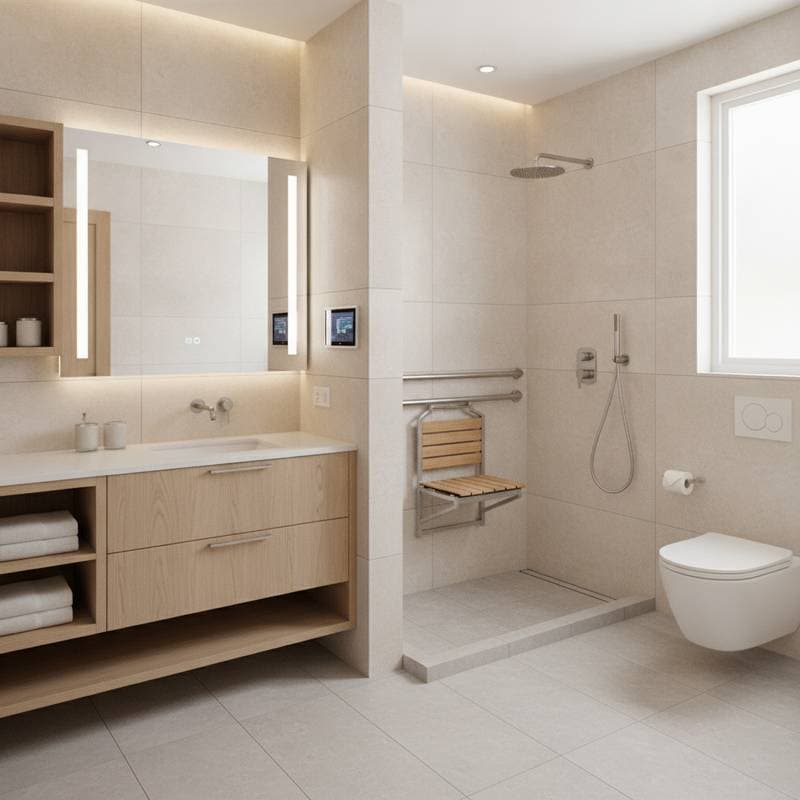
Accessibility improves notably, as gesture controls accommodate those with mobility limitations. This inclusivity broadens appeal, making bathrooms more equitable and user-friendly.
Navigating Regulations and Maintenance
Compliance with local codes is essential prior to installation. Electrical additions in bathrooms often demand adherence to stringent safety protocols, potentially requiring permits.
In regions with mineral-rich water, pair fixtures with softeners to prevent sensor fouling. Monthly descaling with vinegar solutions upholds precision and longevity.
Consult building authorities for toilet modifications, ensuring structural integrity. These preparations facilitate smooth adoption without regulatory hurdles.
Implementing Your Upgrade Plan
Transitioning to touchless fixtures begins with assessing usage patterns and priorities. Start with faucets in high-use areas to realize quick hygiene gains.
Evaluate family needs, cleaning frequency, and automation preferences during planning. Professional input refines selections for optimal performance.
These upgrades yield enduring advantages in sanitation, efficiency, and comfort. By 2026, touchless technology will stand as a cornerstone of modern bathroom design, delivering effortless hygiene for discerning homeowners.