Introduction to Universal Design in Bathrooms
Universal design principles ensure bathrooms serve individuals across all ages and abilities. These approaches prioritize safety, accessibility, and aesthetics without sacrificing style. By incorporating thoughtful features, homeowners create spaces that adapt to changing needs over time, from young families to older adults.
This guide outlines essential elements for 2026 bathrooms, drawing on current innovations. Each feature balances functionality with visual appeal, making renovations practical and forward-thinking. Homeowners gain confidence in designing environments that enhance independence and quality of life.
Essential Features for Universal Design Bathrooms
1. Grab Bars for Support
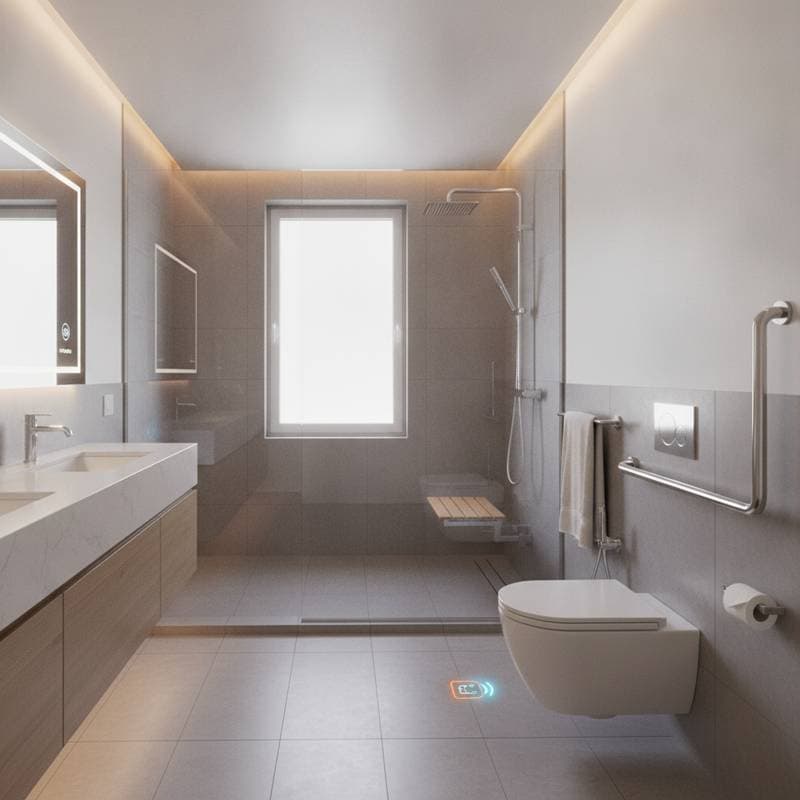
Grab bars provide essential stability during transfers in and out of bathtubs or showers. Install them near toilets, showers, and vanities at heights between 33 and 36 inches from the floor. Choose models with textured grips and concealed mounting for a seamless look.
Accessibility benefit: Prevents falls and supports mobility.
Cost range: $100 to $300 per bar, including installation.
2. Non-Slip Flooring Options
Select flooring materials with high slip resistance ratings, such as textured porcelain tiles or cork underlayment. Avoid glossy surfaces that become hazardous when wet. These choices maintain traction even in damp conditions.
Accessibility benefit: Reduces risk of slips for all users.
Cost range: $5 to $15 per square foot.
Safety tip: Pair with contrasting colors to highlight edges and transitions.
3. Zero-Threshold Showers
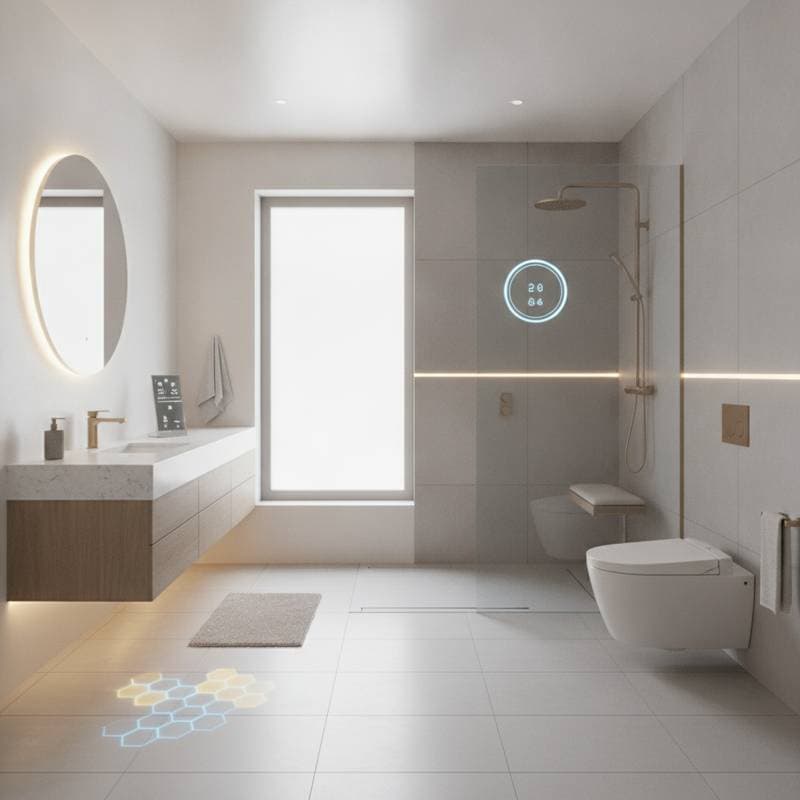
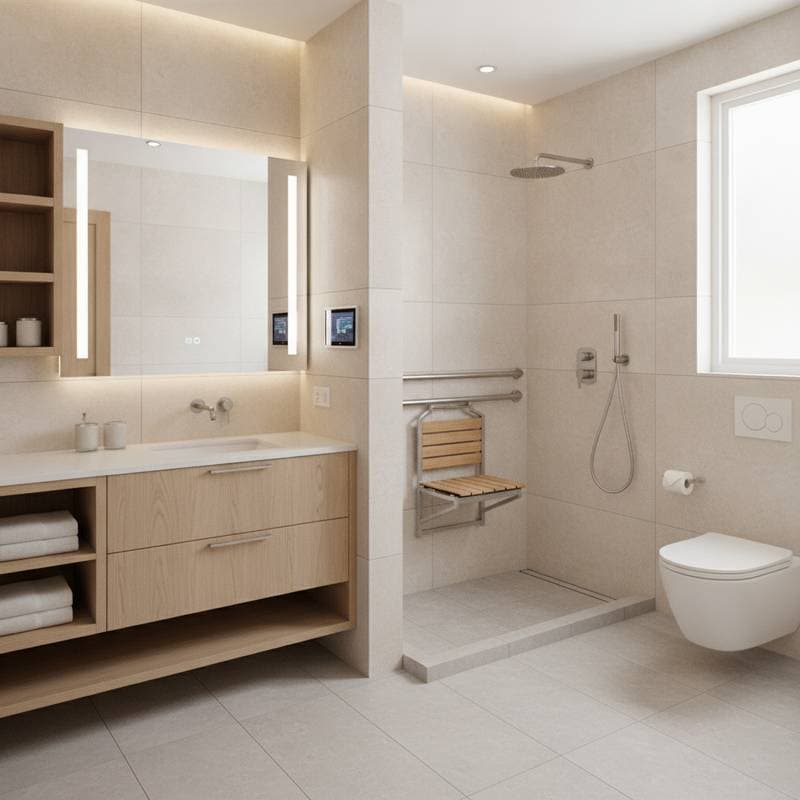
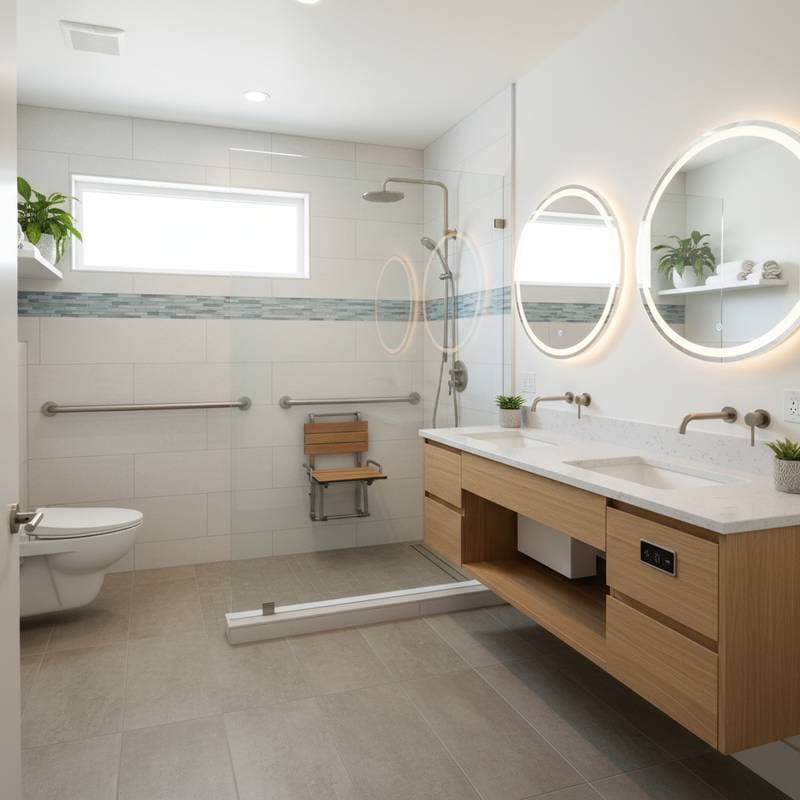
Eliminate shower curbs by installing zero-threshold entries with gradual slopes. This design allows seamless wheelchair access and easier stepping for everyone. Linear drains and waterproof membranes ensure proper water containment.
Accessibility benefit: Facilitates mobility aid entry.
Cost range: $2,000 to $5,000 for installation.
4. Adjustable Vanities and Sinks
Opt for vanities with height-adjustable counters, ranging from 28 to 34 inches. Include knee spaces for wheelchair users and open shelving for reach. Wall-mounted models free up floor space and simplify cleaning.
Accessibility benefit: Accommodates varying heights and seated positions.
Cost range: $800 to $2,500.
5. Lever-Style Handles and Faucets
Replace twist knobs with lever handles on doors and faucets for effortless operation. Touchless or sensor-activated faucets minimize water waste and physical effort. These elements suit arthritic hands or limited dexterity.
Accessibility benefit: Eases use for those with reduced grip strength.
Cost range: $50 to $200 per fixture.
6. Smart Lighting Solutions
Install motion-sensor lights that adjust brightness and color temperature automatically. Dimmable LEDs with nightlight modes prevent disorientation in low visibility. Place fixtures to eliminate shadows around mirrors and pathways.
Accessibility benefit: Improves visibility and reduces accidents.
Cost range: $200 to $600 for full setup.
7. Wider Doorways and Passageways
Enlarge bathroom doorways to at least 32 inches wide to accommodate wheelchairs and walkers. Consider pocket doors that slide into walls to save space. Smooth thresholds prevent tripping hazards.
Accessibility benefit: Enhances maneuverability in confined areas.
Cost range: $1,000 to $3,000, depending on door type.
8. Ample Storage Solutions
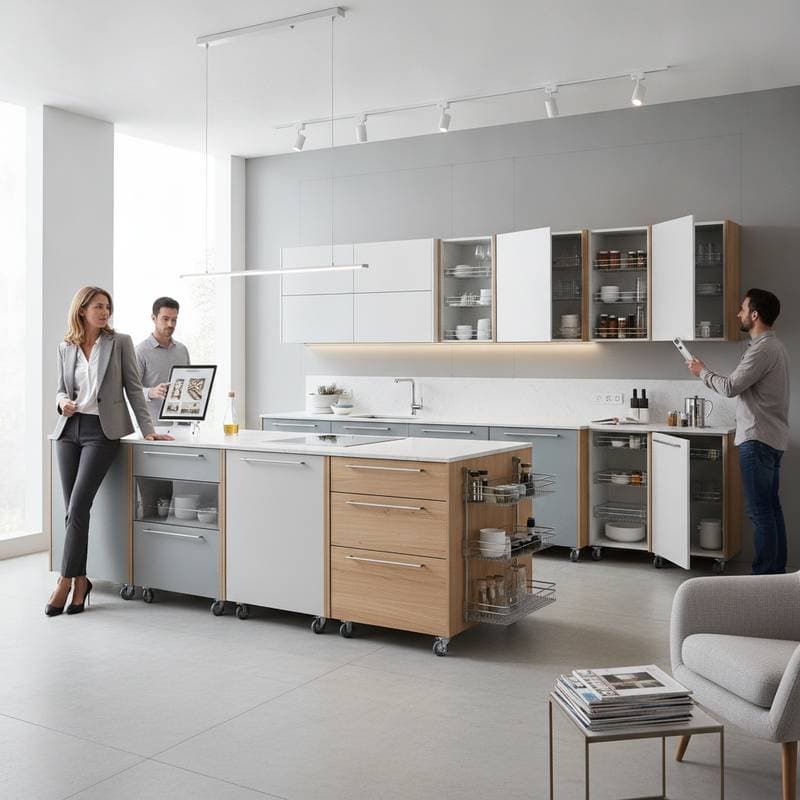
Incorporate pull-out shelves, lazy Susans, and lower cabinets without doors for easy access. Vertical storage towers maximize space without bending or reaching excessively. Soft-close mechanisms prevent slamming injuries.
Accessibility benefit: Supports organization for daily essentials.
Cost range: $300 to $1,000.
9. Warmth and Comfort Features
Aging-in-place design extends beyond function to include comfort elements. Heated floors warm bare feet on cold mornings, while towel warmers keep linens cozy. Ergonomic seating, such as built-in shower benches, offers rest during routines.
These additions elevate daily experiences, blending luxury with utility. They encourage prolonged use of the space without discomfort.
Cost range:
- Heated floors: $1,500 to $4,000
- Towel warmers: $250 to $800
- Built-in shower benches: $500 to $1,500
10. Easy-to-Clean Surfaces
As maintenance needs evolve, select durable materials that withstand wear. Solid-surface walls resist stains, large-format tiles reduce grout accumulation, and quartz countertops repel bacteria. These surfaces require minimal effort to maintain hygiene.
Cost range: $3,000 to $8,000, based on material selection.
Cleaning benefit: Cuts down on scrubbing time and harsh chemical exposure.
Step-by-Step Planning for Your Remodel
Approach the renovation methodically to achieve optimal results. Begin with a thorough evaluation of existing challenges.
- Assess Your Current Space. Examine layouts for issues like narrow doorways, inadequate lighting, or uneven floors. Measure clearances to identify accessibility gaps.
- Set a Realistic Budget. Allocate 5 to 10 percent of your home's value for comprehensive updates. Factor in material costs, labor, and potential unforeseen expenses.
- Hire Qualified Professionals. Seek contractors experienced in universal design or certified by organizations focused on aging-in-place standards. Review portfolios for similar projects.
- Prioritize Safety Elements. Integrate grab bars, slip-resistant floors, and task lighting from the outset. These form the foundation of a secure environment.
- Consider Long-Term Adaptability. Select timeless finishes and modular fixtures that evolve with needs. Avoid trends that date quickly.
- Navigate Permits and Regulations. Consult local building codes for requirements on plumbing, electrical work, and accessibility features. Secure approvals early to avoid delays.
Integrating Function with Aesthetic Appeal
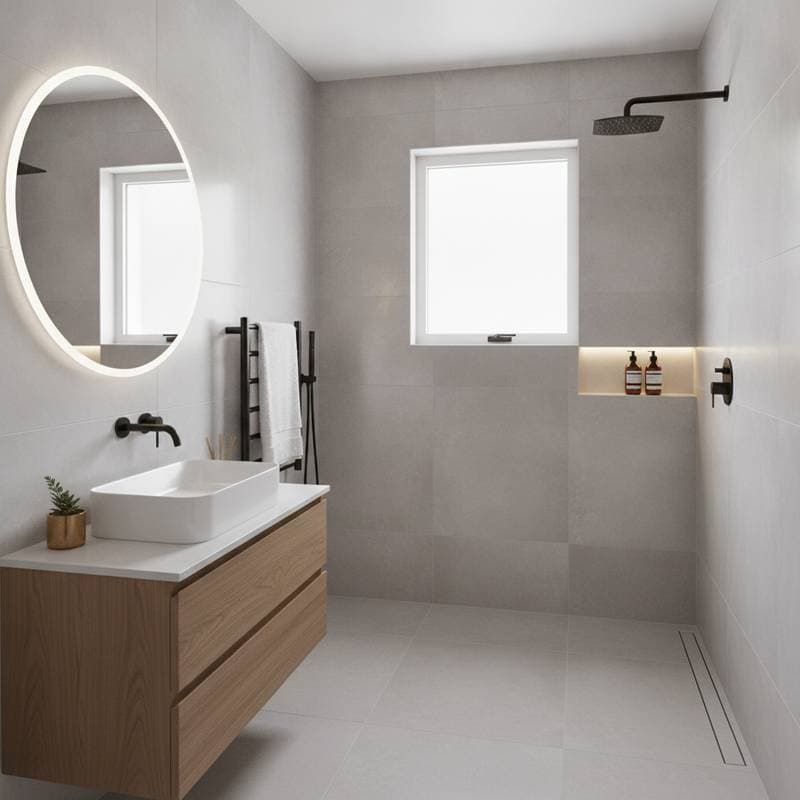
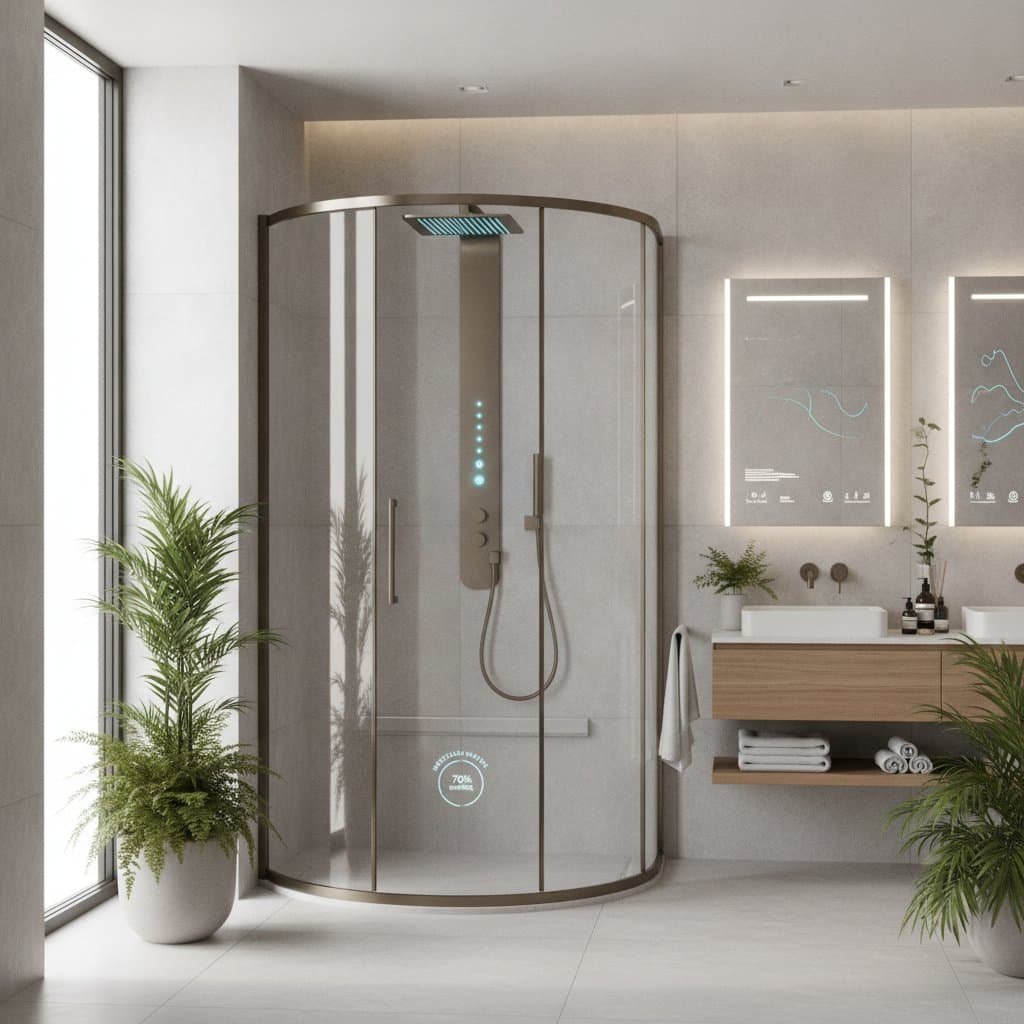
Universal design elevates bathrooms beyond utility to create welcoming retreats. Modern innovations merge safety with sophistication; for instance, a frameless glass enclosure paired with a linear drain offers elegance alongside ease of entry. Finishes like matte black hardware and warm wood accents add personality without compromising practicality.
Involve all household members in decisions to ensure the space resonates personally. Discuss preferences for color schemes, lighting intensity, and storage placements. The result is a bathroom that feels tailored and supportive.
Strategies to Control Remodeling Costs
Achieve universal design without excessive spending through smart choices. Timing and material selection play key roles in efficiency.
- Bundle Renovation Tasks. Align accessibility improvements with planned plumbing or flooring work to share labor costs.
- Select Multifunctional Grab Bars. Models that serve as towel holders optimize space and reduce the need for additional hardware.
- Choose Vinyl Over Natural Stone. This option delivers durability and slip resistance at a fraction of the price.
- Install Versatile Showerheads. Handheld units with adjustable bars accommodate users of different statures affordably.
- Prepare Walls in Advance. Add reinforcement blocking during initial framing, even if grab bars install later.
Strategies for Long-Term Upkeep
Preserve the functionality and appearance of your universal design bathroom through routine care. Regular inspections catch issues early, extending the lifespan of features.
Wipe surfaces weekly with mild cleaners to prevent buildup. Test grab bars and lighting monthly for security. Schedule professional servicing for heated elements annually. These habits safeguard your investment and maintain safety standards.
Embracing Independence Through Design
Universal design bathrooms foster autonomy and well-being at every life stage. From subtle upgrades like enhanced lighting to comprehensive overhauls, these spaces deliver security alongside style. Implement changes that align with your priorities to enjoy a home that supports you fully.