Induction Shift: All-Electric Kitchens Redefined
The transition to all-electric kitchens represents a significant evolution in home design and functionality. Induction technology heats cookware directly through electromagnetic fields, providing rapid response times and precise control. This approach eliminates the need for open flames, resulting in safer and more efficient cooking environments that align with contemporary lifestyles.
The Spark Behind the Shift
Several factors drive the adoption of all-electric kitchens, including advancements in energy efficiency and a preference for streamlined aesthetics. Induction cooking heats pots and pans directly, which allows water to boil in as little as 90 seconds compared to several minutes on gas. The cooktop surface remains cool, reducing the risk of accidental burns and simplifying daily use.
Professional chefs and home cooks alike appreciate the consistent performance. In high-demand settings, such as commercial kitchens, induction delivers reliable results without the variability of gas flames. This reliability extends to everyday households, where it supports both simple meals and complex recipes with equal ease.
Design Freedom with Induction
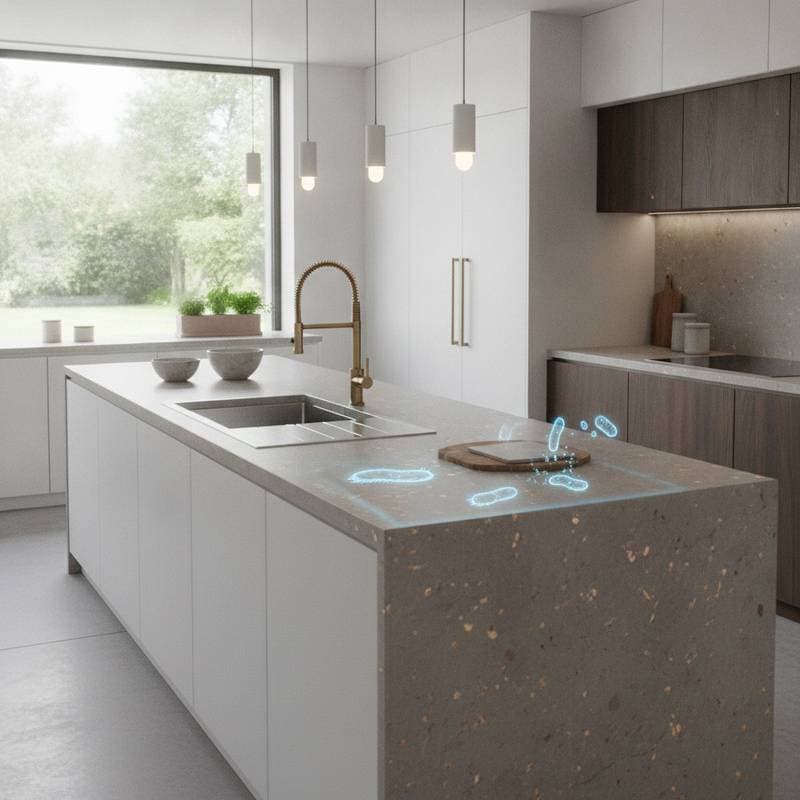
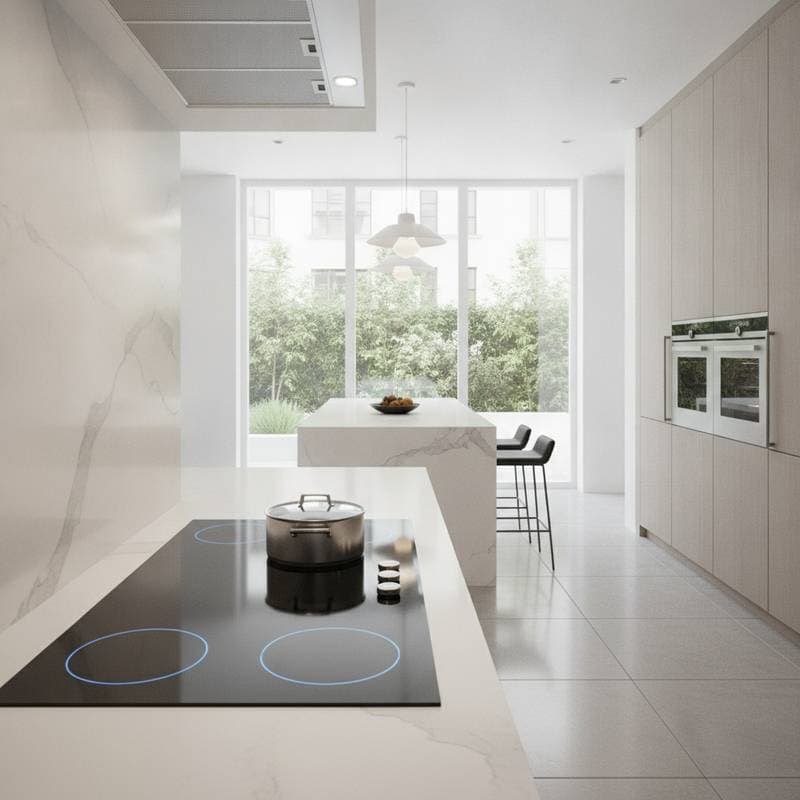
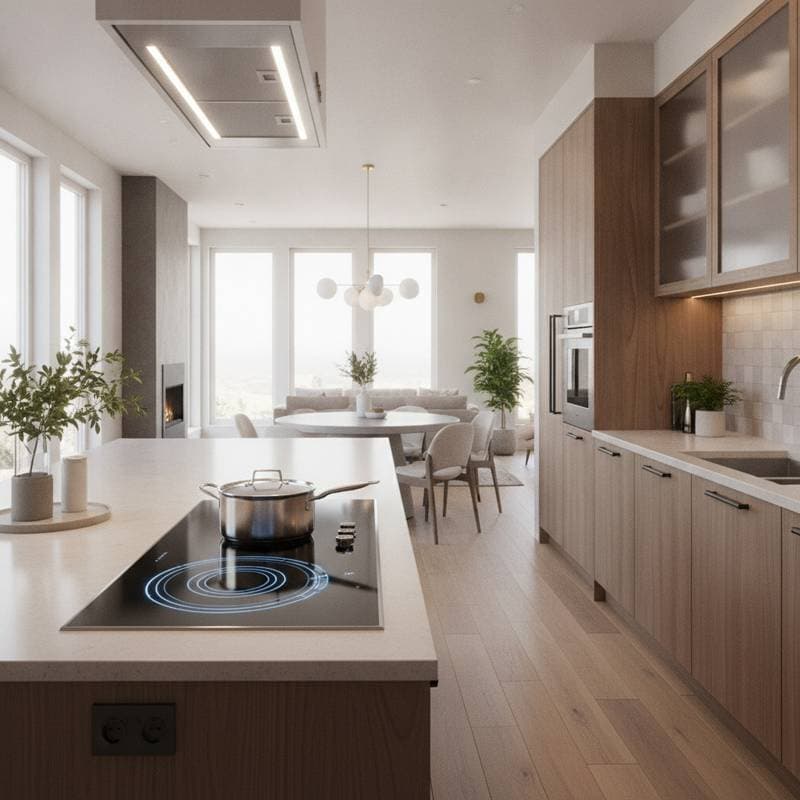
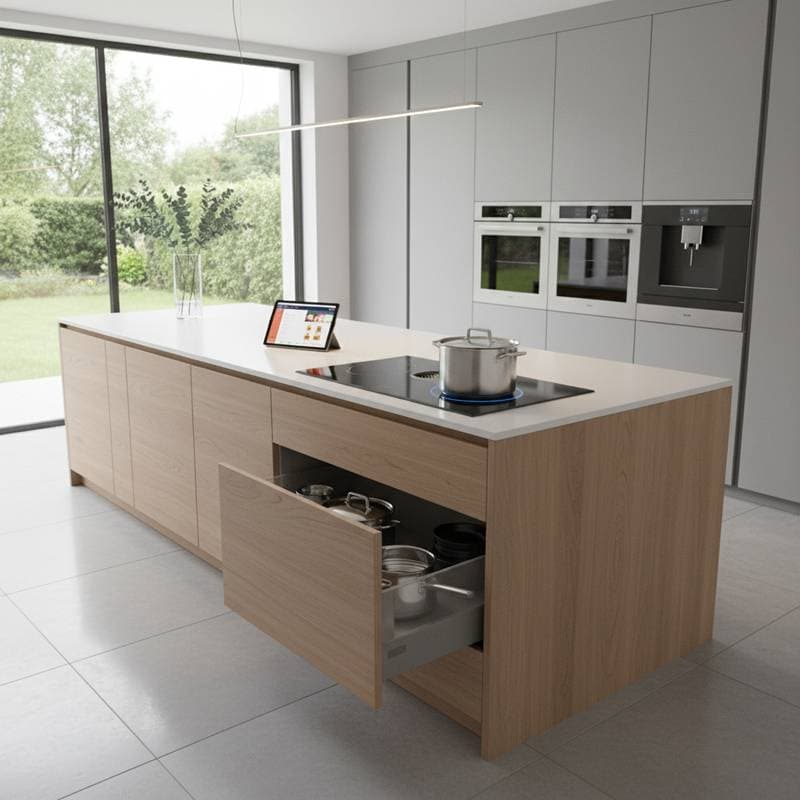
Induction cooktops enable innovative kitchen layouts by eliminating traditional burners and grates. Designers can integrate the cooktop flush into materials like quartz or granite, creating a seamless countertop that enhances visual continuity. This flexibility suits various spaces, from expansive islands to compact galleys.
Budget considerations do not limit these options. Entry-level installations start with portable units that connect to standard outlets, while premium setups incorporate touch-sensitive interfaces and custom edging. Select countertops based on durability and heat resistance to ensure long-term performance.
Smart, Efficient, and Stylish
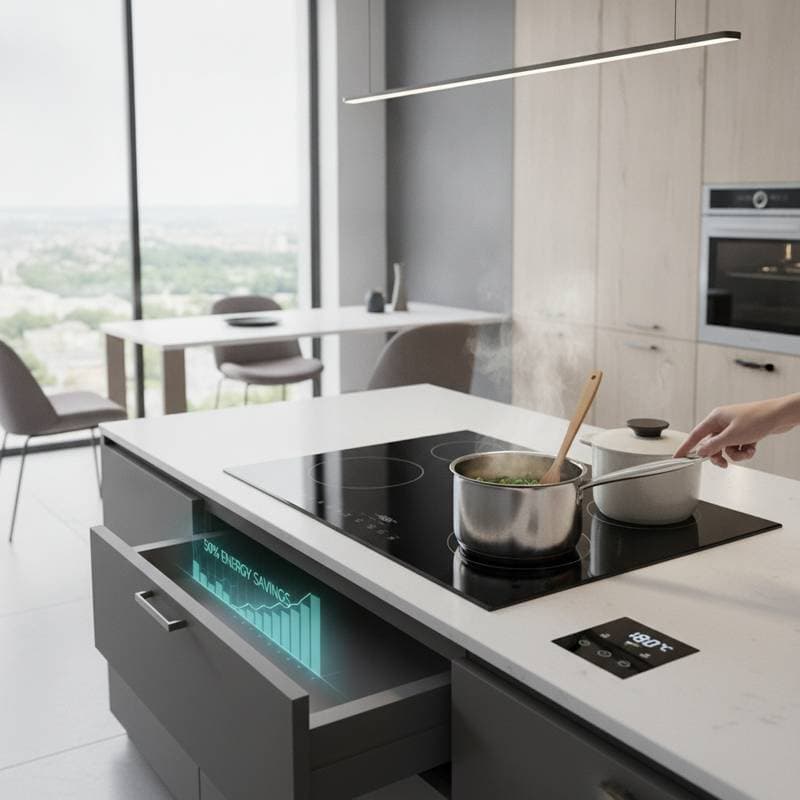
Modern induction systems integrate with home automation platforms, enabling remote adjustments via smartphone apps or voice assistants. Preheat a skillet from the living room or monitor cooking progress while multitasking elsewhere. These features elevate routine tasks into seamless experiences.
Energy efficiency stands out as a key advantage. By directing heat solely to the cookware, induction minimizes waste, which can lower utility costs by up to 10 percent compared to gas alternatives. The result is a cooler kitchen atmosphere and more uniform cooking outcomes.
The End of the Gas Flame?
While gas cooking holds a certain traditional appeal, induction offers superior precision that quickly overshadows it. Melt delicate ingredients like chocolate at exact temperatures without scorching, or achieve even searing on proteins. Boiling times shorten dramatically, freeing up time for other activities.
Environmental and health benefits further support the switch. Without combustion, induction reduces indoor air pollutants, leading to clearer air and less maintenance on surrounding surfaces. For households with children or pets, the cool-touch surface provides peace of mind during meal preparation.
Budget-Friendly Paths to an Electric Kitchen
Transitioning to induction requires minimal disruption, with options scaled to different investment levels. Begin with affordable entry points and scale up as needs evolve.
- Small Budget (Under $200): Opt for a portable induction burner that plugs into a 120-volt outlet. These units suit renters or supplemental cooking and often include adjustable power settings for versatility.
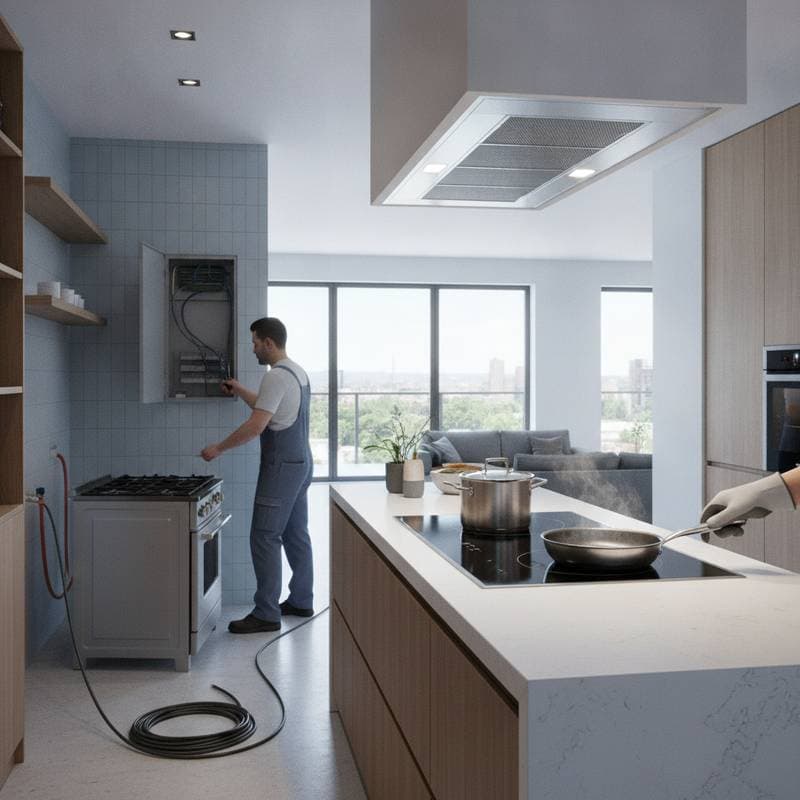
- Mid-Range ($800 to $2,500): Replace an existing range with a freestanding induction model that matches standard dimensions. Look for models with multiple zones and self-cleaning features to maximize utility.
- High-End ($3,000 and Above): Install a built-in cooktop alongside complementary appliances, such as wall ovens and integrated ventilation. This configuration delivers a cohesive, professional-grade setup.
Compatible cookware is essential, as induction works only with magnetic materials like cast iron or certain stainless steels. Test existing pots with a magnet; if they adhere, they are ready to use. Affordable induction-compatible sets begin at $50 and include essentials like skillets and saucepans.
From Television to Real Life
In media production, induction cooktops excel due to their polished appearance and dependable operation. The smooth glass surface reflects light effectively for on-camera appeal, while the technology ensures consistent results under tight schedules. These qualities translate directly to residential settings, where they maintain a sophisticated look amid daily use.
Home users often note the immediate responsiveness, which enhances confidence in the kitchen. Adjust settings, and the cookware reacts without delay, eliminating the lag associated with other methods. This performance fosters a sense of control and enjoyment in cooking.
Innovation Meets Entrepreneurship
The rise of induction inspires creative product development across industries. Designers explore modular units that integrate into furniture or outdoor setups, expanding cooking possibilities beyond fixed kitchens. Custom surfaces with embedded lighting or multifunctional zones turn appliances into design elements.
Entrepreneurs can capitalize on this trend by focusing on accessibility. Develop compact modules for urban dwellings or portable systems for events. Such innovations democratize high-end features, making advanced cooking available to diverse markets.
Integrating Induction for Everyday Ease
Maintenance with induction proves straightforward, requiring only a damp cloth for cleaning after use. The flat design complements various backsplashes and fixtures, from bold metallics to subtle neutrals. This adaptability ensures the kitchen remains a versatile hub.
Ultimately, induction combines practicality with aesthetic refinement, supporting sustainable habits without compromise. It transforms cooking into an efficient, enjoyable process that enhances overall home life.