AI Tools Revolutionize Home Color Matching
Color forms the foundation of every interior space. It establishes the atmosphere, shapes perceptions, and infuses personality into homes. Traditionally, selecting ideal color combinations involved numerous paint swatches, costly samples, and frequent returns. Advanced AI technology now enables confident palette choices for any room, budget, or style.
From Guesswork to Precision
Homeowners once depended on intuition and small paint chips that rarely matched the final result on walls. Variations in lighting, surface textures, and screen displays complicated accurate selections. AI-driven color matching systems now provide exact, efficient results.
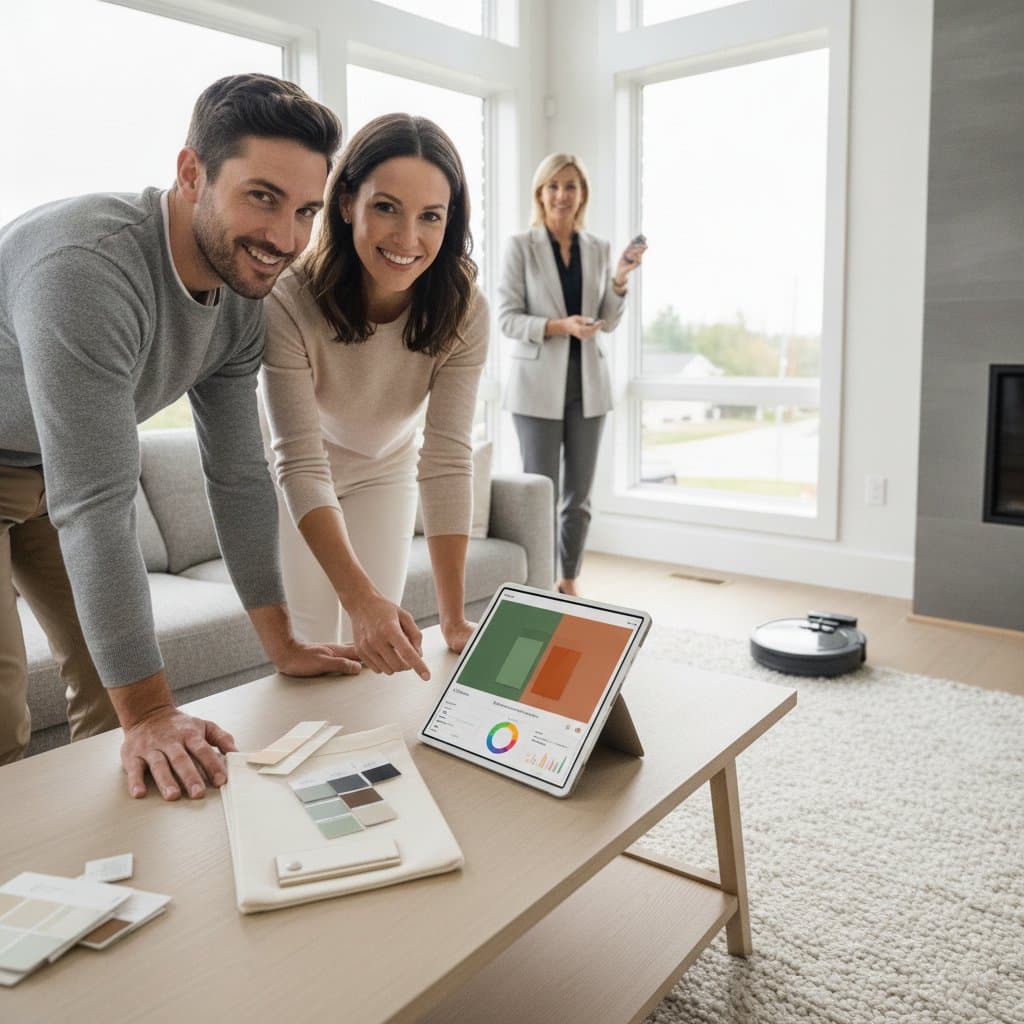
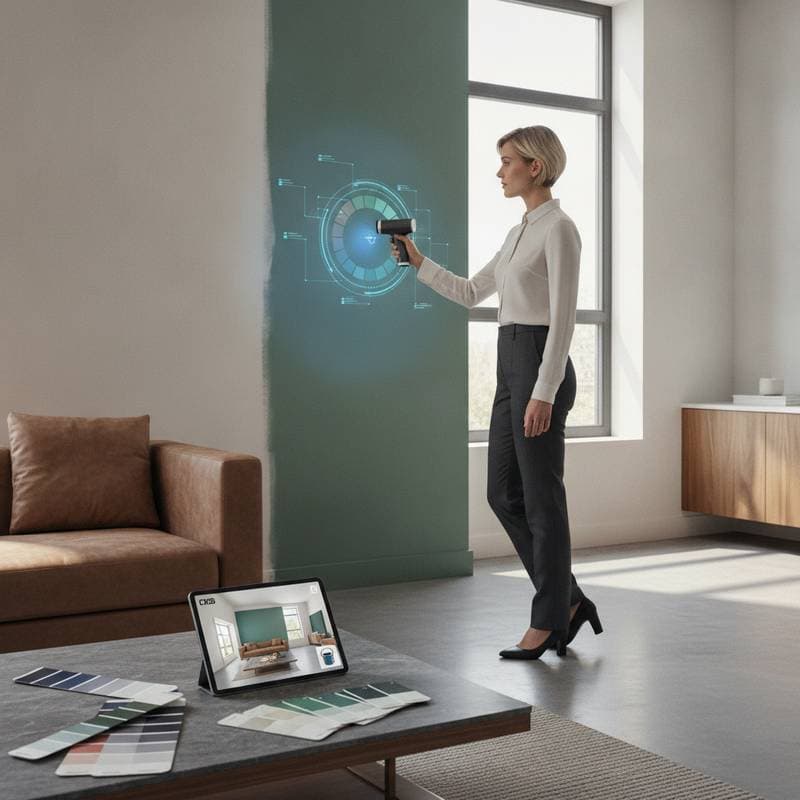
These tools examine tones, textures, and ambient lighting from uploaded images or scans. They reference extensive global paint databases to identify precise hues. Users can match elements such as a cherished pillow, antique tile, or pet fur, generating digital samples for virtual wall testing.
How AI Color Tools Function
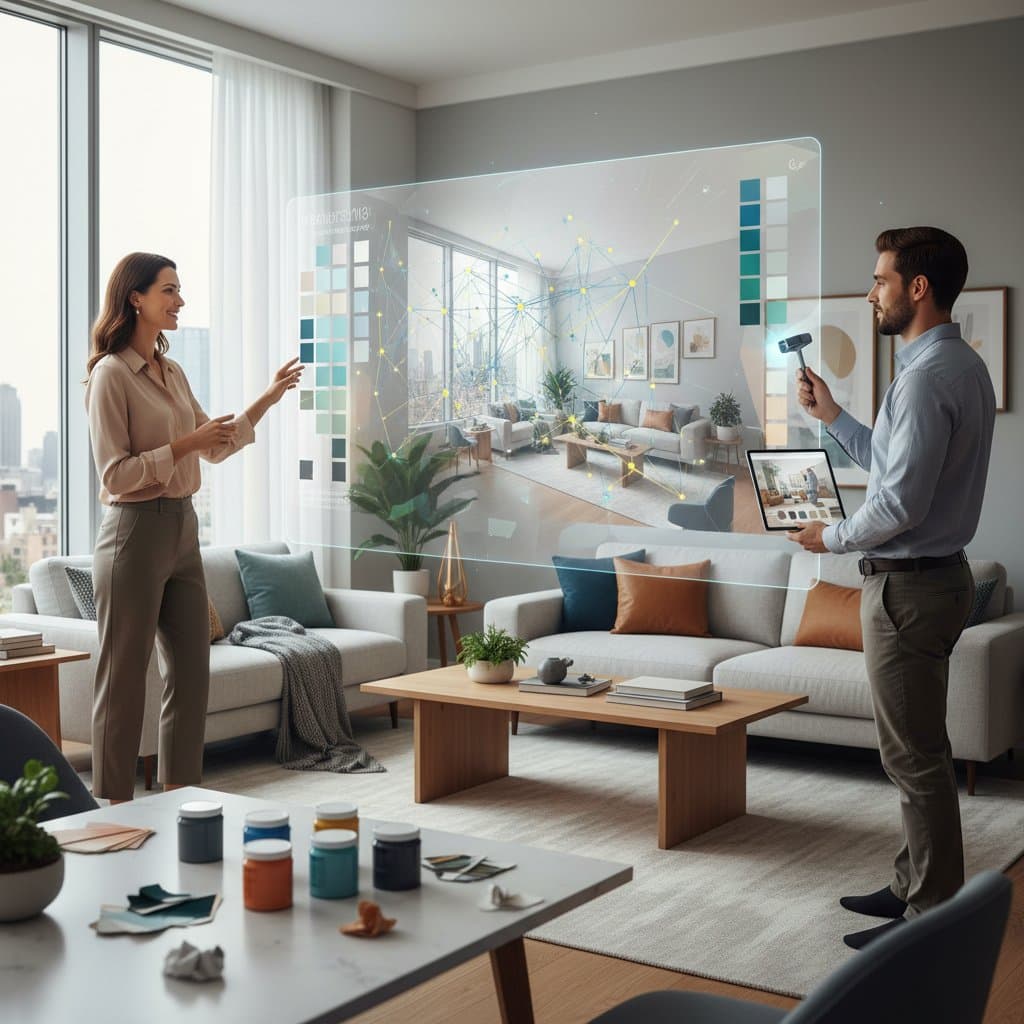
AI color technology employs computer vision and deep learning to process intricate color information beyond human perception. Upon photo upload, the system detects primary shades, supporting tones, and underlying nuances that affect appearance. It then aligns these with paint brand libraries or digital palettes.
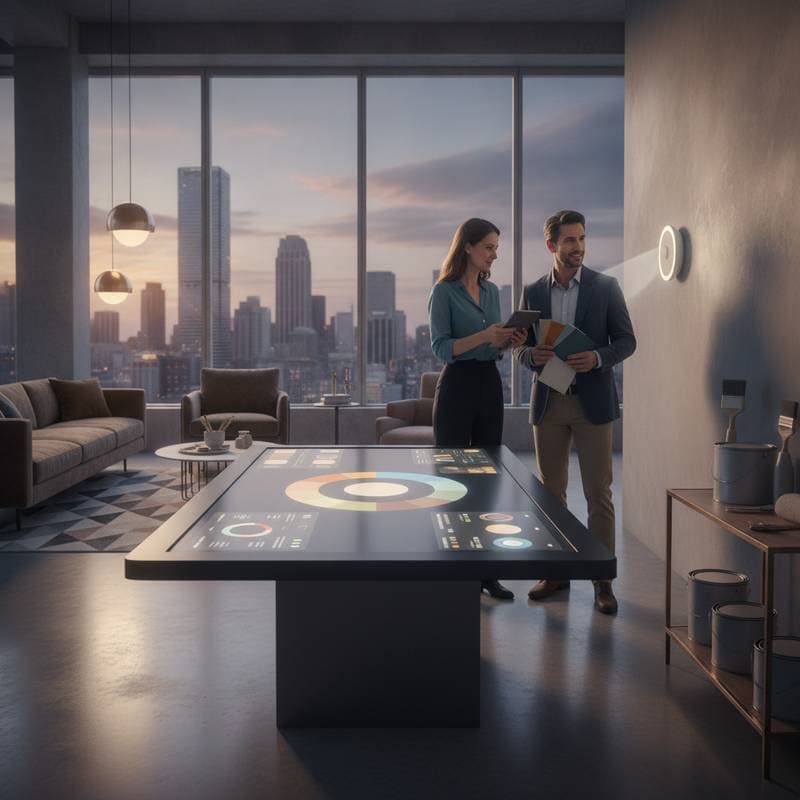
Certain platforms simulate varying lighting conditions. Users preview colors under morning sunlight, afternoon diffusion, or evening warmth, preventing unexpected shifts like a gray appearing blue after dark. Integration with virtual design software produces room renderings that reflect actual environments.
This capability supports renovations or temporary updates, allowing visualization prior to purchases. Professionals and amateurs alike benefit from these realistic simulations.
Budget-Friendly Design Solutions
AI tools democratize professional design outcomes without requiring substantial funds. Free apps or basic versions offer essential features for DIY projects and rentals. These options enable stylish results on limited means.
Premium tiers provide enhanced simulations, curated palettes, and sample ordering links at reasonable costs. Such investments prevent costly errors, conserving resources. For minimal budgets, users extract matches from free tools and source paints from discount suppliers or surplus stocks.
Testing mixtures yields viable alternatives. This approach, applied in television sets, delivers striking effects through styling and lighting. Professional quality remains attainable affordably.
Color Accuracy in Television Production
In television design, precise color matching proves essential under camera conditions. Lighting alters appearances dramatically. AI tools with multi-light simulations streamline production previews.
Filming transformations demands speed, leaving no room for errors. These systems ensure harmony across walls, textiles, and surfaces for cohesive visuals. Homeowners apply similar methods for polished interiors in photos or video setups.
Opportunities in Innovation and Business
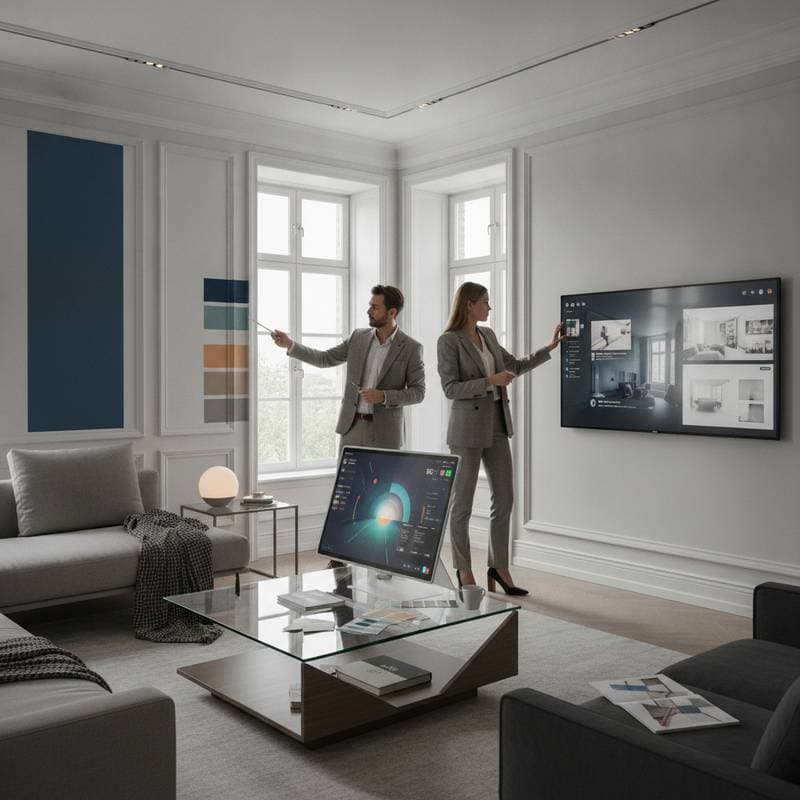
AI color tools extend beyond personal use to foster entrepreneurial ventures. Designers conduct global virtual consultations with AI recommendations. Small firms expand via digital packages incorporating these features.
New products emerge, such as tailored paint lines or coordinated decor sets. Customers order walls, cushions, and art unified by AI curation. This integrates design and commerce seamlessly.
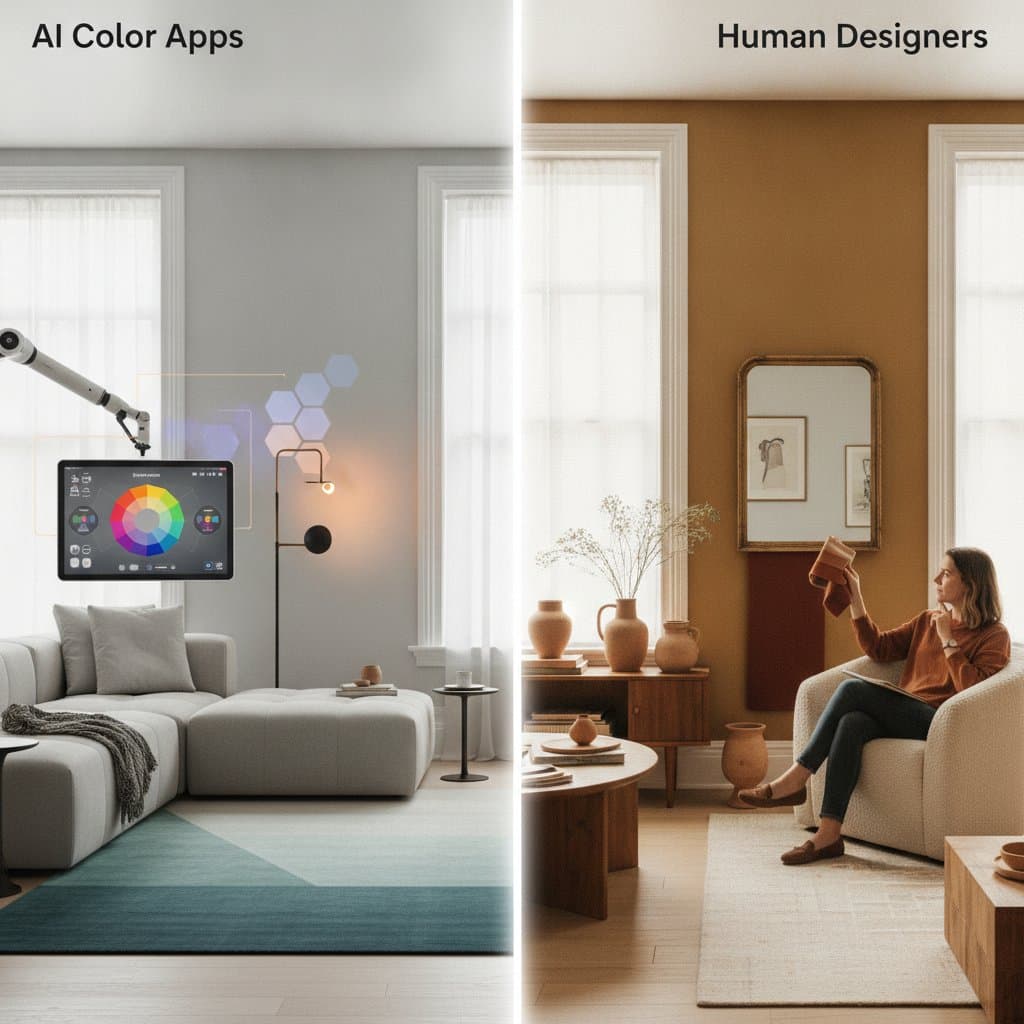
For experts, AI accelerates workflows by automating option generation aligned with client preferences. It frees time for innovation over routine tasks, blending efficiency with creativity.
Design Accessibility for All
AI tools accommodate diverse users regardless of experience or resources. Renters experiment with temporary options like peel-and-stick elements via virtual trials. Homeowners plan enduring changes with reliable matches.
Individuals with mobility or visual challenges access simplified interfaces. Design inclusivity empowers broad participation. These technologies support confident, personalized decisions for walls or full homes.
Steps to Implement AI Color Tools
Follow these practical steps to begin:
- Upload a photo of an inspiring object, fabric, or artwork. Allow the AI to derive a palette.
- Apply virtual previews to room models before purchasing materials.
- Adjust lighting simulations for day and night to verify color consistency.
- Compare options across paint brands for optimal matches and pricing.
- Export palettes for sharing with collaborators.
Sustaining Design Harmony
After selection, AI tools aid ongoing consistency. Stored digital palettes facilitate matches for future additions like furnishings or textiles. This maintains cohesive aesthetics over time.
Engage in experimentation with accents, refinished items, or custom art. Each effort enhances design intuition. AI color matching empowers precise, creative home transformations for all users.