Gas Bans on the Horizon: Transitioning to Induction Kitchens for 2026
Homeowners often encounter discussions about gas bans and mandates for all-electric building codes. Those considering a kitchen remodel may question the implications for their property. Does this require abandoning a gas range? What are the associated expenses? Does induction cooking truly match the performance claims?
This transition to electric kitchens extends beyond passing trends. Municipal and regional regulations increasingly favor all-electric setups to promote safety and environmental sustainability. Proactive planning allows homeowners to sidestep unexpected expenses and implement upgrades that elevate property value.
The following sections outline essential knowledge, preparation strategies, and the realities of an induction kitchen remodel.
Grasping the Gas Ban Movement
Numerous cities implement gas restrictions as components of broader clean energy and efficiency initiatives. These policies typically target new constructions or substantial remodels necessitating building permits. Existing residences seldom face immediate mandates to dismantle gas systems, yet significant kitchen alterations may invoke compliance obligations.
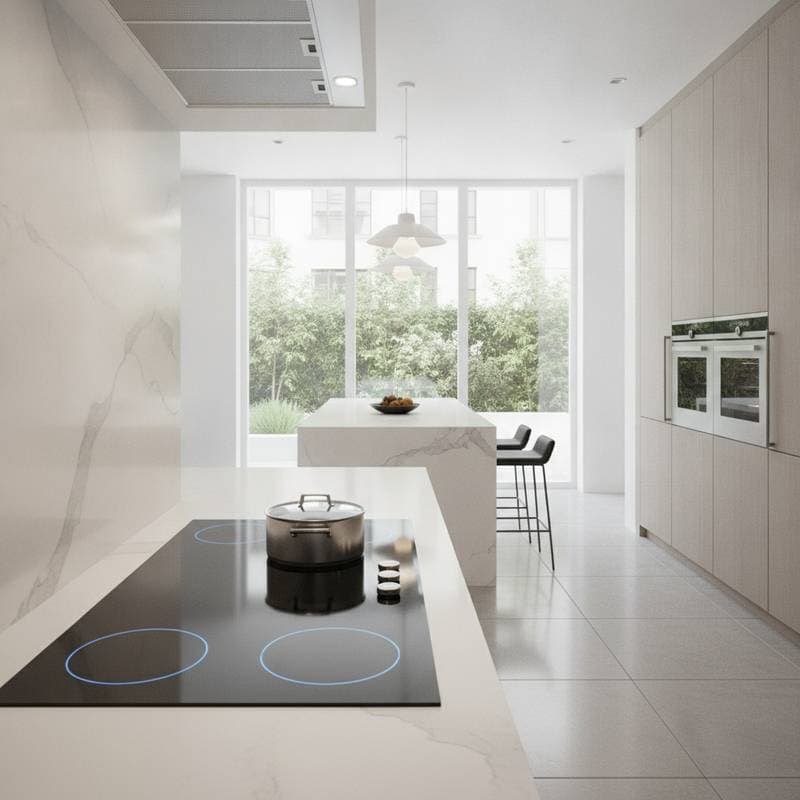
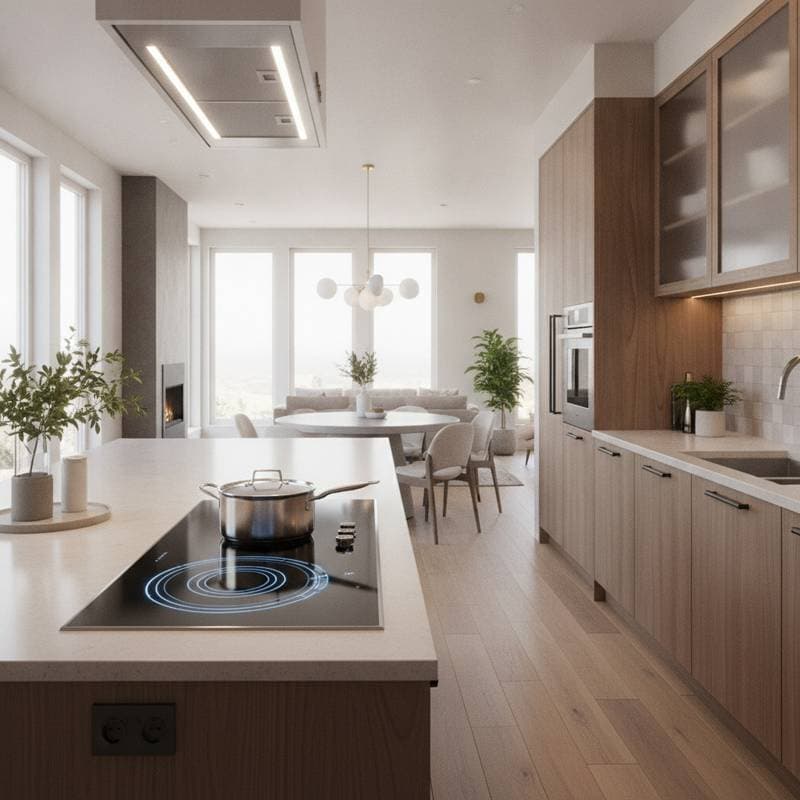
The primary objectives involve curbing indoor air pollution and greenhouse gas emissions. Gas stoves emit nitrogen dioxide alongside other contaminants that compromise air quality. In contrast, induction cooking employs electromagnetic fields to heat pots and pans directly, bypassing open flames and enhancing energy utilization.
Anticipating all-electric mandates for forthcoming renovations positions homeowners advantageously. Opting for induction early establishes a foundation for seamless adaptation.
Benefits of Adopting Induction Technology
Induction ranges have advanced markedly in capability and cost-effectiveness. Professional chefs frequently adopt them for exact temperature regulation and accelerated heating. Key benefits include:
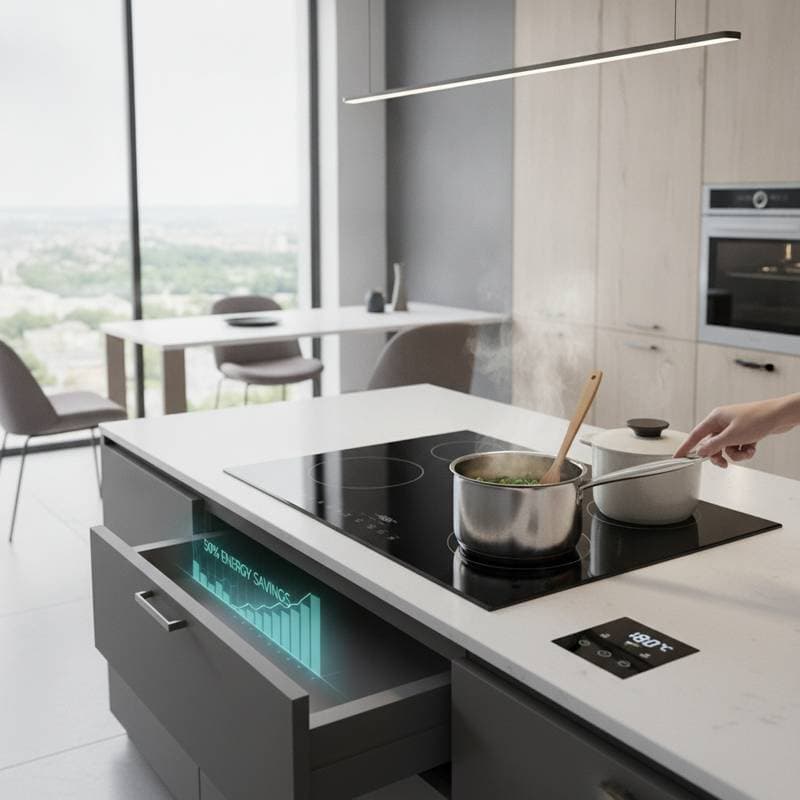
- Superior Energy Efficiency: Induction transfers 85 to 90 percent of energy directly to cookware. Traditional gas appliances convert only 35 to 40 percent, dissipating the remainder into the surrounding environment.
- Rapid Response and Precision: Boiling water occurs more swiftly, with immediate adjustments to heat levels.
- Enhanced Safety Features: The cooking surface stays relatively cool outside the cookware area, minimizing burn hazards.
- Improved Indoor Environment: Absence of combustion byproducts reduces pollutant exposure.
- Simplified Maintenance: Smooth glass surfaces clean effortlessly, free from grates or residue-prone elements.
A notable limitation involves cookware compatibility. Induction requires ferromagnetic materials like cast iron or specific stainless steel varieties. Verify suitability by attracting a magnet to the pan base; adhesion confirms functionality.
Budgeting for the Switch
Standard induction ranges range from $1,000 to $3,500, varying by manufacturer and specifications. Portable single-burner options begin at $100, serving as an ideal trial before full investment.
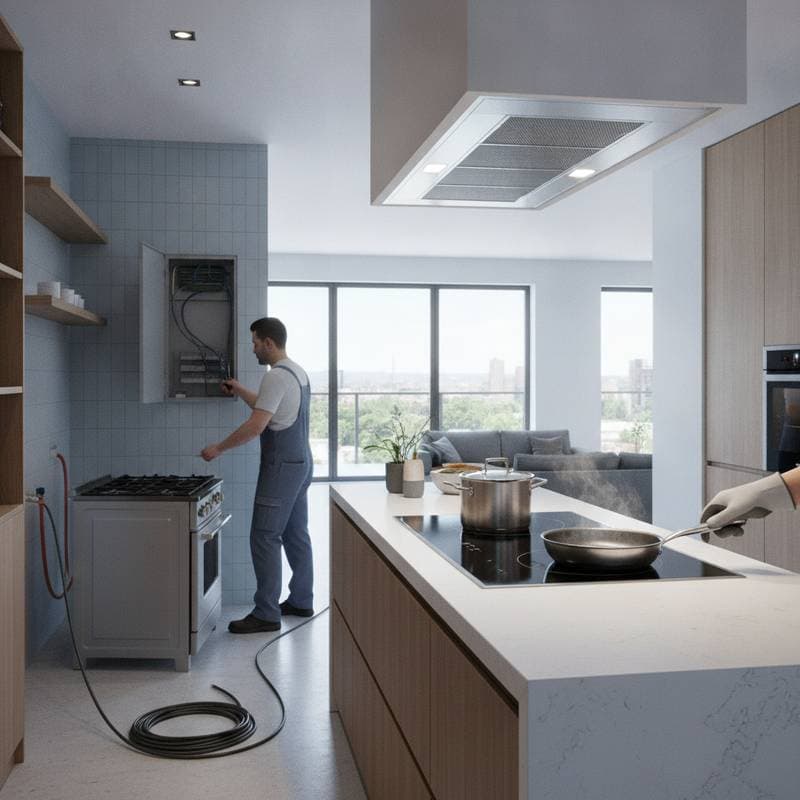
Existing gas lines necessitate capping, paired with installation of a 240-volt dedicated outlet for the appliance. Such electrical modifications typically cost $300 to $600, assuming sufficient panel capacity. Older electrical systems may demand panel upgrades to higher amperage, priced between $1,500 and $3,000.
Comprehensive kitchen remodels incorporating electrical enhancements, ventilation adjustments, and appliance replacements generally entail:
- Basic Implementation: $3,000 to $6,000, covering appliance exchange and outlet setup through self-directed efforts.
- Moderate Overhaul: $10,000 to $20,000, encompassing layout revisions, cabinetry, and wiring updates.
- Luxury Transformation: $25,000 or more, featuring bespoke cabinetry, premium appliances, and surface renewals.
Utility providers frequently extend rebates for electric appliance conversions, mitigating initial outlays. Research available incentives in your locality prior to acquisitions.
Essential Steps for All-Electric Kitchen Compliance
To execute a remodel adhering to all-electric regulations, adhere to this structured process:
- Verify Local Regulations: Consult the municipal building authority regarding prevailing and impending rules on gas appliances.
- Assess Electrical Infrastructure: Engage a certified electrician to evaluate panel and wiring adequacy. A dedicated circuit for the range may suffice, or a full upgrade could prove necessary to accommodate increased demand.
- Choose Suitable Appliances: Select induction models aligned with personal cooking preferences, such as those with intelligent controls or expandable zones for oversized vessels.
- Address Ventilation Needs: Although induction avoids combustion emissions, effective extraction for moisture and particulates remains essential. Compact, low-noise hoods often meet requirements adequately.
- Arrange Expert Installation: Employ licensed electricians and specialists for setup. Refrain from amateur electrical interventions absent expertise and safety equipment.
- Secure Necessary Permits: Obtain approvals for significant electrical alterations to safeguard investments and facilitate future property transfers.
Ongoing Care and Additional Upgrades
Induction systems demand minimal upkeep. Preserve the glass top by lifting rather than dragging heavy items to prevent abrasions. Employ specialized cleaners formulated for ceramic surfaces. Spills evaporate without charring, simplifying routine sanitation compared to gas or resistive heating alternatives.
Homeowners in regions with harsh winters benefit from evaluating overall energy profiles. Concurrently replacing gas-dependent devices like water heaters or dryers with electric counterparts consolidates permitting and installation efficiencies, potentially yielding further rebates.
Advancing Your Kitchen Upgrade
Embracing induction over gas represents a pragmatic, future-oriented decision for residential properties. This approach ensures regulatory alignment, bolsters safety protocols, and curtails enduring energy expenditures. Thoughtful preparation facilitates budget adherence and timely execution.
Commence with a portable induction unit to familiarize yourself with its dynamics. Proceed to an electrical evaluation, solicit professional estimates, and investigate incentive opportunities. An induction-equipped kitchen not only purifies and secures the cooking space but also constitutes a judicious enhancement to your home's worth. Adaptation to its responsiveness and accuracy often prompts reflection on prior delays.