Introduction to Smart Bathroom Innovations
Bathroom falls represent a leading cause of injury for older adults. Smart technologies address this risk by integrating safety features into everyday routines. These advancements enable individuals to age in place with confidence, combining functionality and elegance.
Professionals recommend starting with a comprehensive assessment of current bathroom hazards. Common issues include slippery surfaces, poor lighting, and inaccessible fixtures. Addressing these forms the basis for effective upgrades.
Prioritizing Essential Safety Features
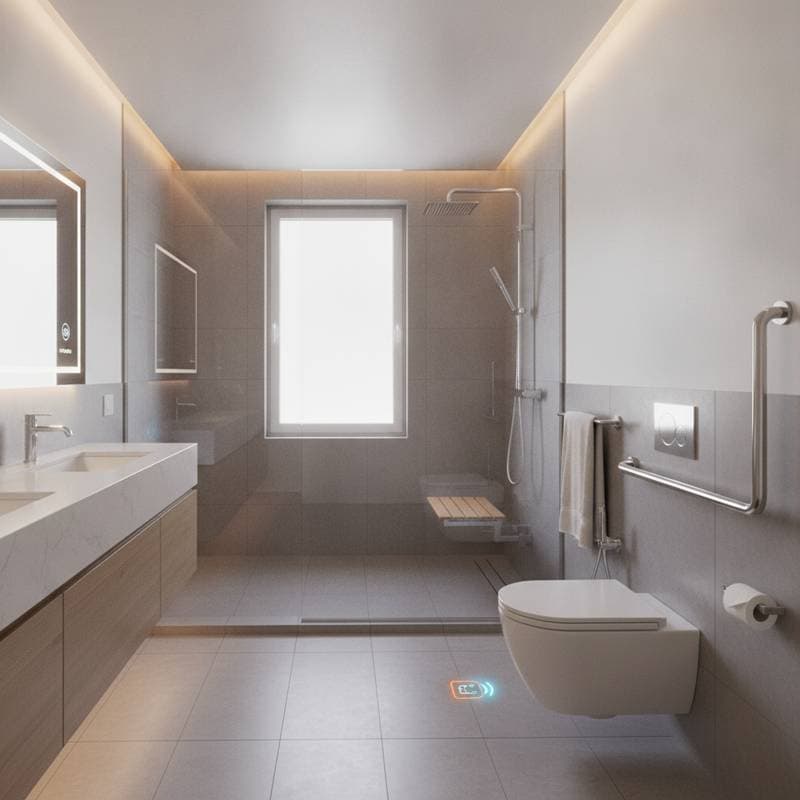
Before incorporating advanced technology, focus on fundamental modifications. Install grab bars adjacent to the toilet and shower for stable support. Select non-slip flooring that achieves a wet coefficient of friction exceeding 0.42 to minimize slip risks.
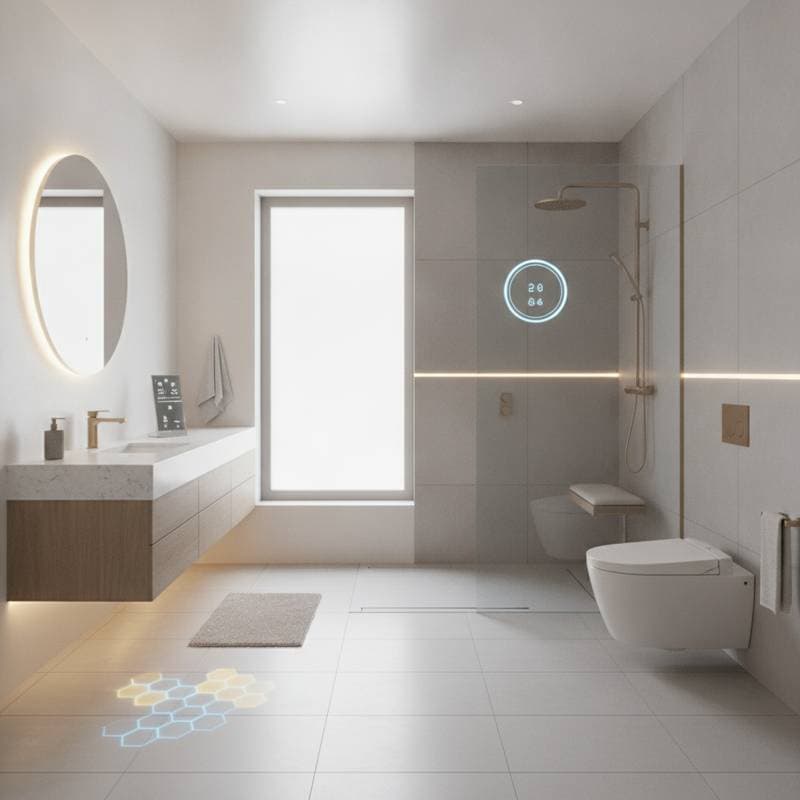
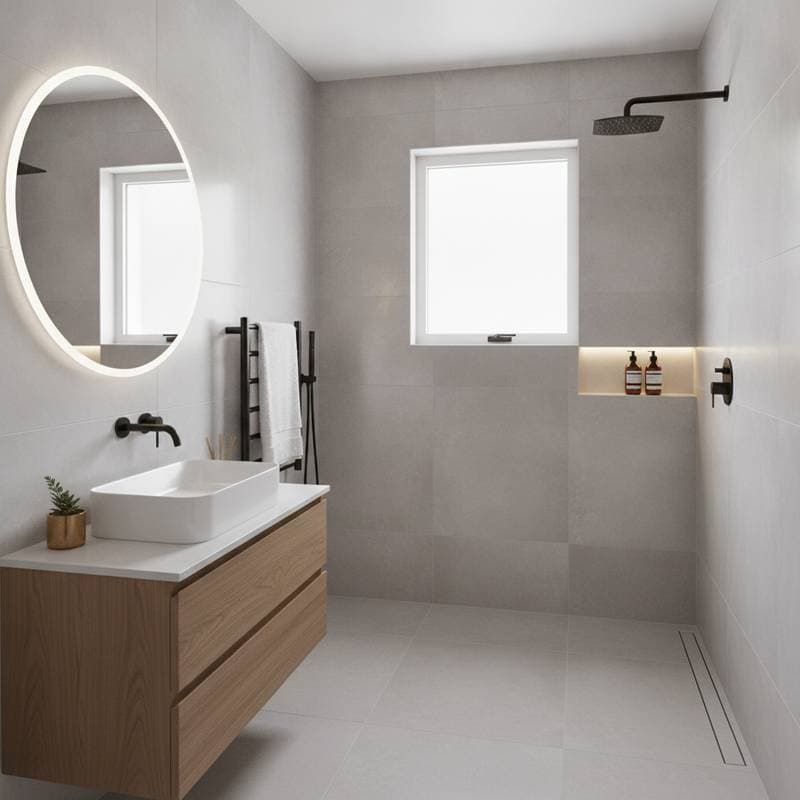
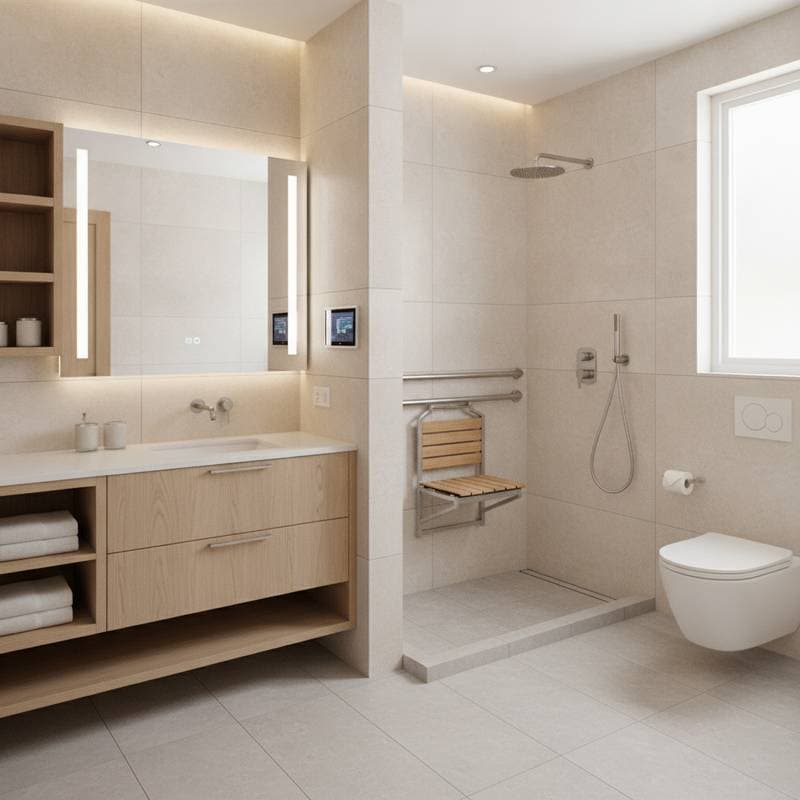
Consider replacing traditional bathtubs with walk-in or curbless models for easier access. Opt for lever-style handles over round knobs to accommodate reduced hand strength. These changes establish a secure environment at a fraction of the cost of full smart integrations.
Incorporating Heated Floors with Zoning Capabilities
Cold floors pose discomfort and circulation challenges, particularly for seniors. Radiant heating systems with smart zoning permit precise temperature control across specific areas, promoting energy efficiency. Program the system to activate warmth ahead of morning use or reduce heat during idle periods.
Installation costs range from $10 to $20 per square foot. Contemporary models operate at low expense, typically under a few dollars monthly. Engage a licensed contractor for electrical heating mat placement to avoid hazards like shorts or excessive heat.
Integrating Fall Detection and Alert Mechanisms
Prevention remains paramount, yet preparedness proves essential. Advanced fall detection employs unobtrusive ceiling or wall-mounted sensors to track movement. Upon detecting a fall, these systems notify caregivers or emergency responders via radar or optical technology.
Such installations preserve privacy, differing from wearable alternatives. Expenses span $400 to $1,500 per bathroom, with potential added monitoring subscriptions. Professional installation, involving electrical and Wi-Fi configurations, ensures reliability.
Planning Budgets and Anticipating Expenses
Costs for smart bathroom remodels vary by scope and features. Basic enhancements fall between $5,000 and $10,000. Mid-level projects range from $12,000 to $25,000, while premium setups exceed $30,000 to $50,000.
View these investments against alternatives like assisted living or post-fall medical expenses. Many remodels yield returns through enhanced safety and autonomy. Explore financing through home equity loans, aging-in-place grants, or rebates for efficient heating and lighting.
Navigating Regional Codes and Climate Factors
Local building codes dictate standards, particularly for electrical elements near moisture. Verify contractor adherence to regulations on outlets, ground fault circuit interrupter protection, and airflow systems. Permits apply to plumbing and electrical alterations; skilled remodelers manage documentation for compliance.
Regional climates shape selections. In cooler areas, prioritize radiant heating and humidity regulation. Humid zones demand robust ventilation, mold-resistant materials, and moisture detection to prevent issues.
Implementing Safety and Upkeep Practices
Technology demands regular maintenance to sustain performance. Test sensors each month to verify motion detection and alert functionality. Clean touchscreens and control panels with care to prevent water-related damage.
Schedule battery replacements for wireless components. Update firmware routinely to bolster security and efficiency. Consult manufacturers for troubleshooting rather than self-repairs.
Sustaining Long-Term Adaptability
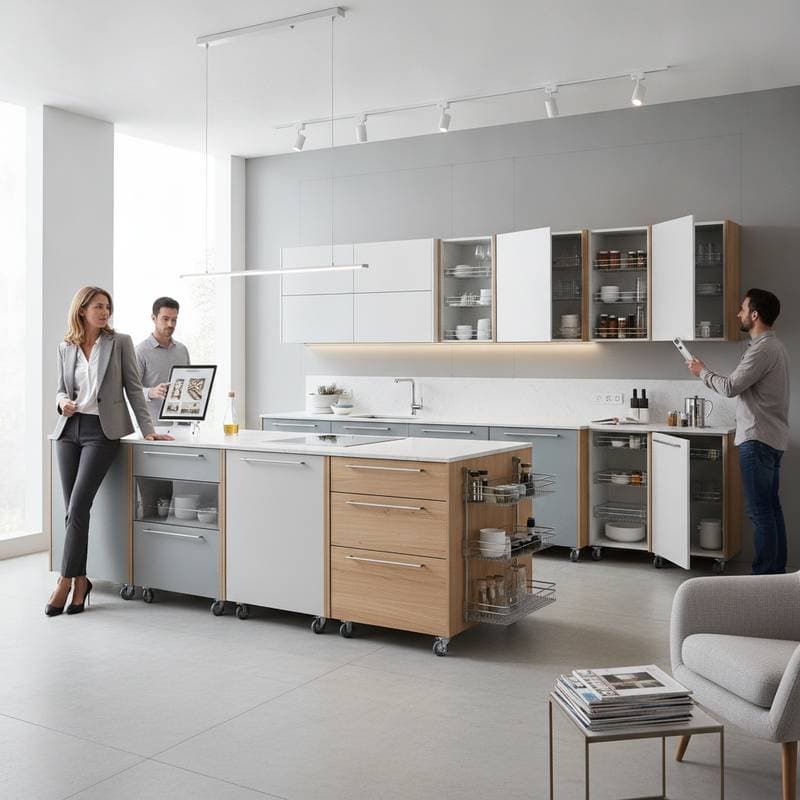
Smart bathroom systems invest in ongoing independence. Annual checks of seals, drainage, and wiring preserve integrity. As needs evolve, modular designs allow adjustments without major overhauls.
This approach blends practical enhancements with innovative tools. Each upgrade contributes to a residence that evolves alongside its occupants, ensuring safety and ease for years ahead.